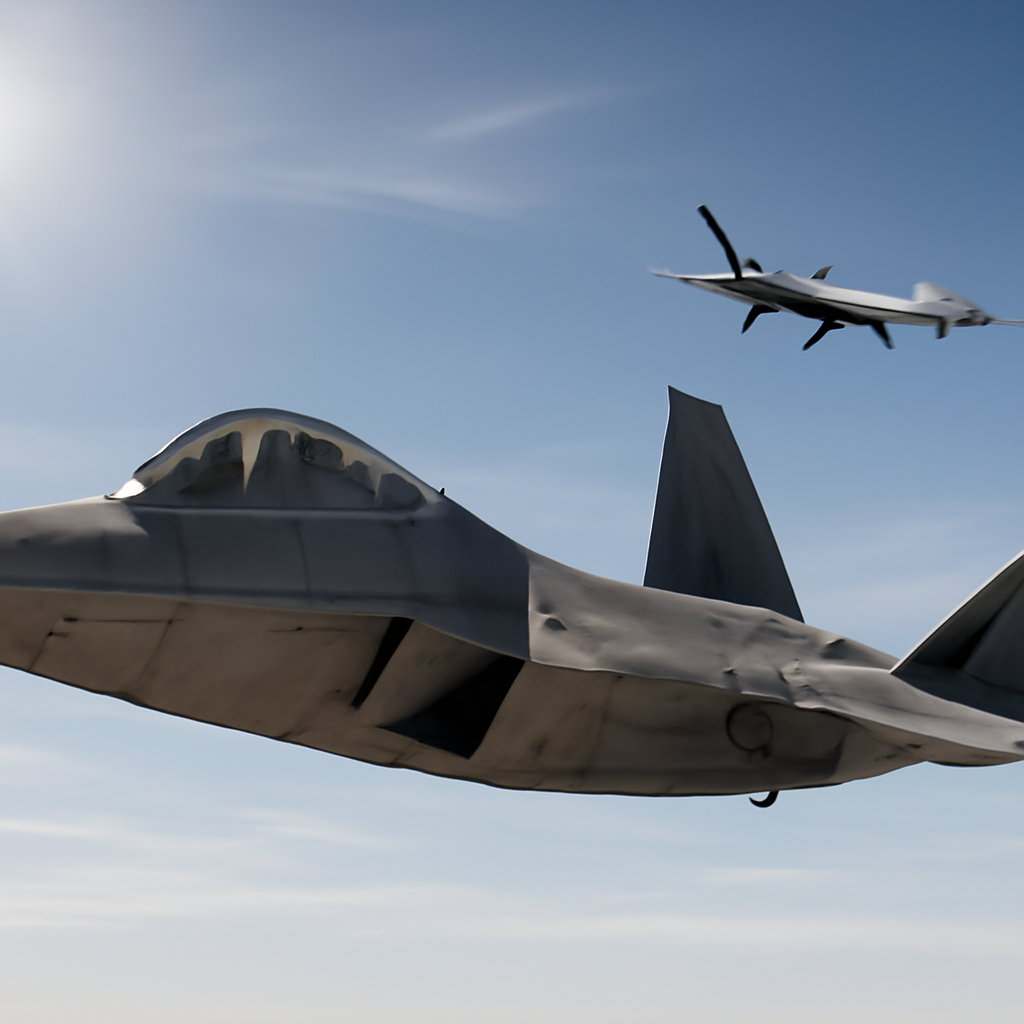
What happens when an inexpensive, expendable weapons system reshapes the calculus of naval power? That question framed the season premiere of Defence Uncut (S02E01), where hosts Bilal Khan and Arslan Khan turned a microscope on operational lessons emerging from the US‑Iran war — and on the unsettling ways those lessons ripple into regional naval planning.
What the episode examined: loitering munitions, narrow waters
On Defence Uncut (S02E01), Bilal Khan and Arslan Khan examined three linked developments emerging from the US‑Iran war. First, they noted the proven value of Shahed‑class loitering munitions. Second, they assessed the naval dynamics of the Strait of Hormuz crisis. Third, they considered what those developments mean for Pakistan's submarine and surface fleet strategy. The discussion, presented as operational lessons, tied a class of weapon to a specific maritime environment and then to national force-structure choices.
Why Shahed‑class loitering munitions matter
The hosts identified Shahed‑class systems as a central operational lesson from the conflict. Described in the episode as loitering munitions, these systems were presented as having demonstrated battlefield utility during the US‑Iran war. Defence Uncut framed that proven value as a catalyst for rethinking how precision, persistence and expendability can be combined to create asymmetric effects at sea and ashore.

Audit-ready is a season. It shouldn't be.
Evidence in spreadsheets, controls drifting between audits, frameworks multiplying on flat headcount. Nubivance runs continuous compliance on Rapid7 Cyber GRC - SOC 2, HIPAA, ISO 27001, PCI, CMMC.
End the scrambleStrait of Hormuz: a crucible for new naval dynamics
Bilal Khan and Arslan Khan placed the Shahed‑class systems in the context of the Strait of Hormuz crisis. The episode linked the narrow, congested geography of the strait with the operational advantages that loitering munitions can bring, arguing that the maritime environment amplified the impact of those weapons. The programme treated the strait as a testing ground where small, relatively low‑cost systems can impose disproportionate operational dilemmas on larger naval forces.
Implications for Pakistan’s naval posture
The hosts extended the conversation to Pakistan, asking how lessons from the US‑Iran war and the Strait of Hormuz crisis should inform Islamabad’s choices. They flagged potential implications for both submarine and surface fleet strategy, suggesting that proven advantages of loitering munitions and the naval dynamics observed in narrow waterways must be accounted for when planning force composition, deployment and doctrine.
- Technologists: The episode suggested technology planners must weigh trade‑offs between survivability and affordability when integrating loitering munitions into naval operations.
- Policymakers: Defence Uncut framed the operational lessons as inputs to strategic-level decisions about fleet balance — notably how to reconcile submarine and surface investments with emerging asymmetric threats.
- Operators and adversaries: By describing how loitering munitions and strait dynamics interacted, the hosts implied that commanders on all sides will need to adapt tactics and rules of engagement to manage new risks in congested waterways.
The podcast presented these points not as settled prescriptions but as a set of operational observations that have strategic consequences. Defence Uncut treated the Shahed‑class loitering munitions and the Strait of Hormuz crisis as connected episodes in a broader debate about how to deter, defend and fight in constrained maritime spaces.
What to watch next
Defence Uncut’s season premiere left its audience with a clear imperative: account for low‑cost precision systems when assessing future naval requirements. For states weighing submarine versus surface investments, the episode underscored that geography and emerging weapon classes will shape the returns on those investments. The central question the programme leaves behind is stark — if small, expendable systems can change outcomes in narrow seas, how should navies restructure to preserve strategic options?