Tag: shield ai
13 articles
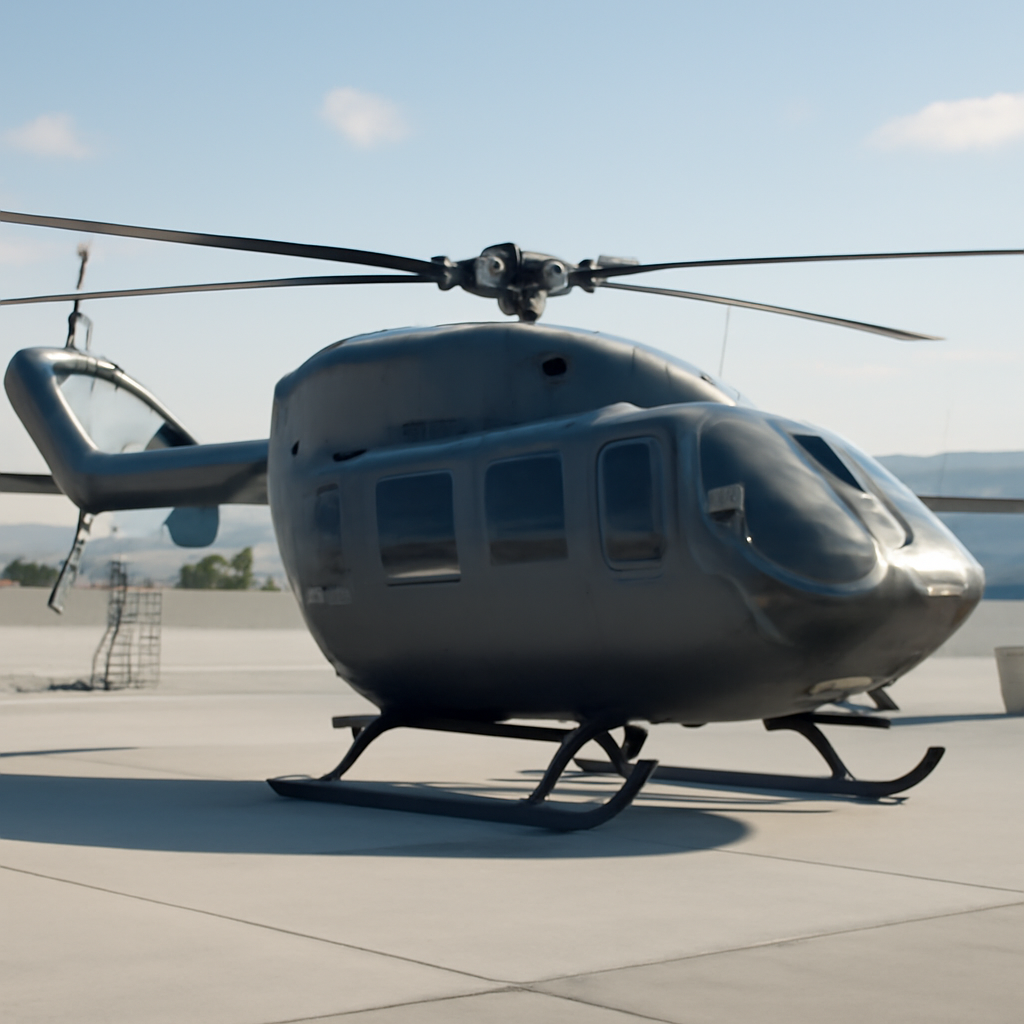
Airbus Advances Lakota Connector Autonomous Cargo Helicopter Tech
Meet the future of autonomous cargo transport: Airbus is advancing the Lakota Connector, an uncrewed variant of the UH-72B Lakota helicopter, in partnership with industry leaders Shield AI, L3Harris Technologies, and Parry Labs for the U.S. Marine Corps. This game-changing tech adapts a proven airframe for autonomous logistics, revolutionizing cargo transport.
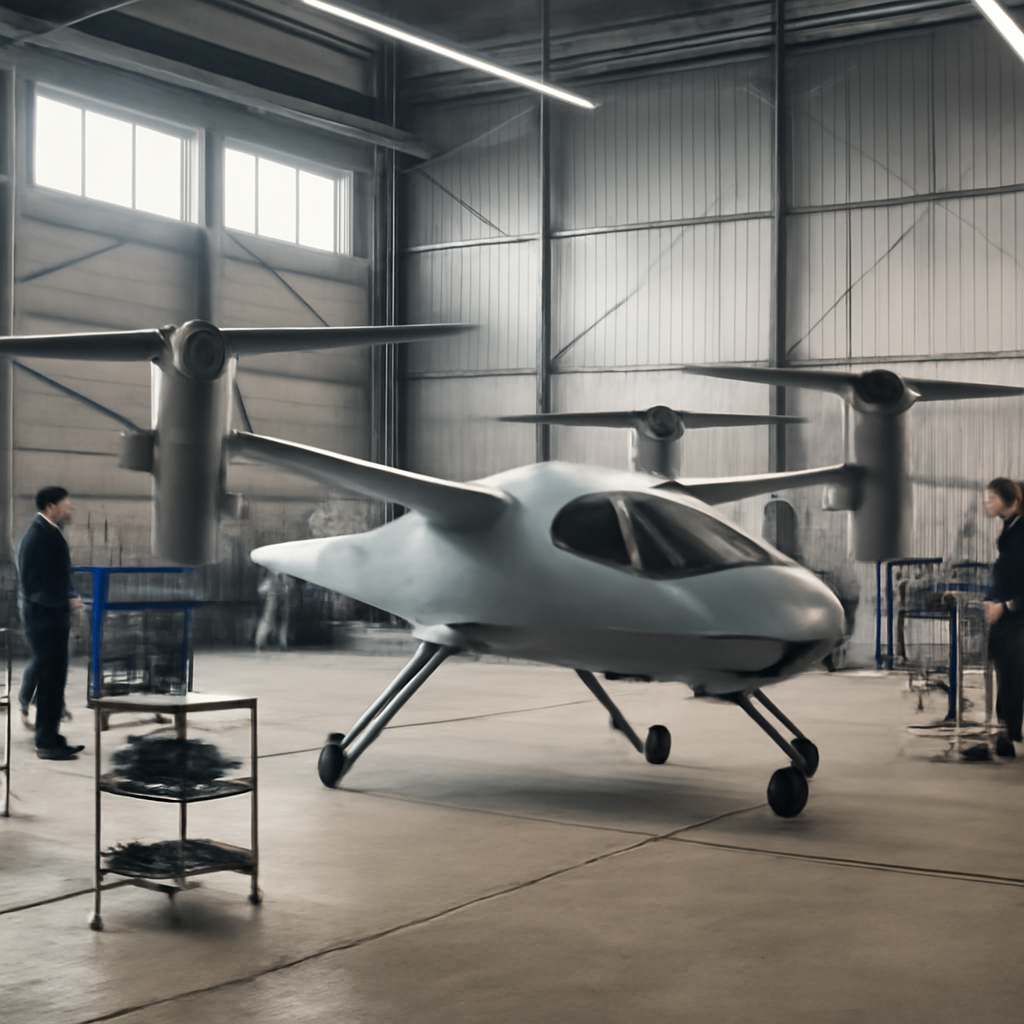
Shield AI Accelerates X-BAT VTOL Drone Development for Navy
Shield AI is on track to unveil the first full-scale X-BAT VTOL drone prototype by the end of October, with flight tests slated to begin before the year is out. The company is taking a staged approach, ramping up from engine runs to untethered flights in a bid to accelerate development for the Navy.
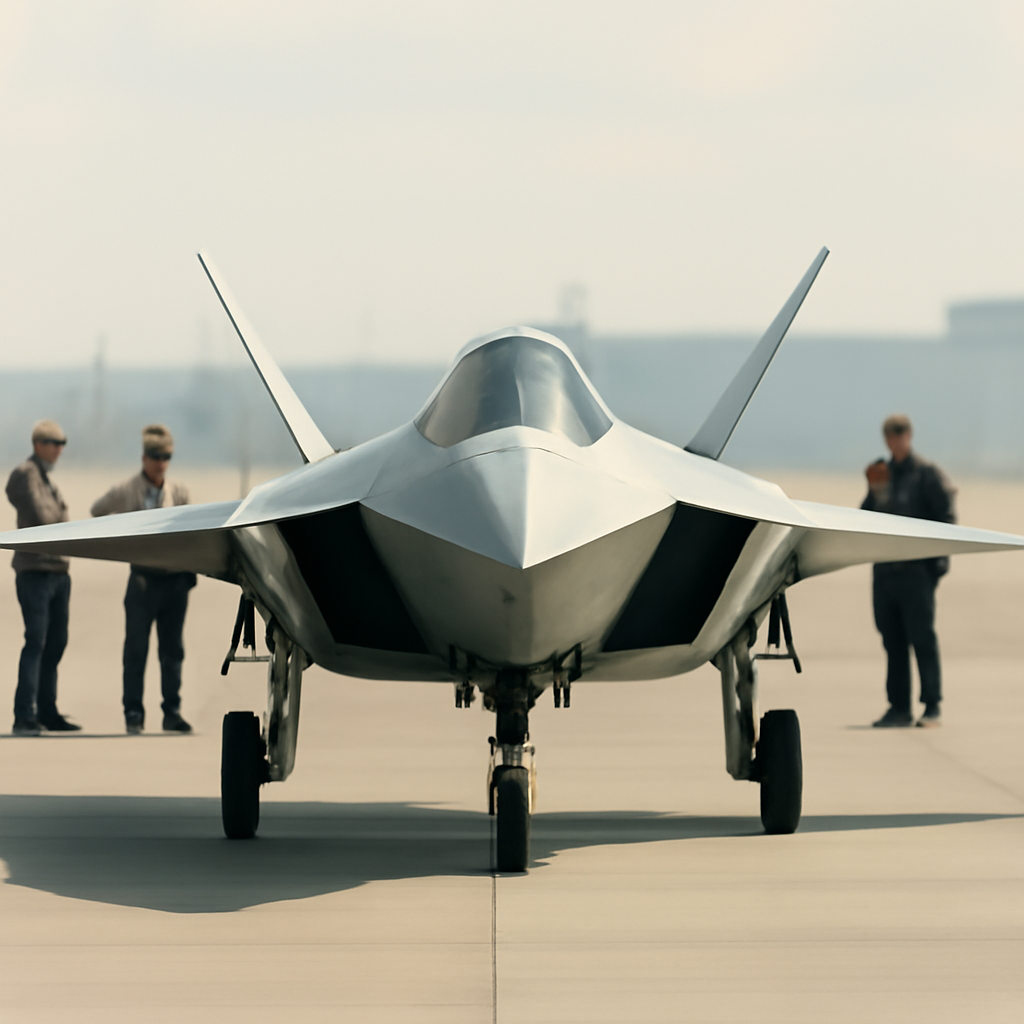
Navy Injects $150 Million into Shield AI's Unmanned Fighter Jet Development
Shield AI is making rapid strides in developing its unmanned fighter jet, with two full-scale X-BAT prototypes nearing completion - and the first one expected to be finished within weeks. The company aims to take its innovative aircraft to new heights with flight testing by year-end and vertical takeoff and landing tests to follow.
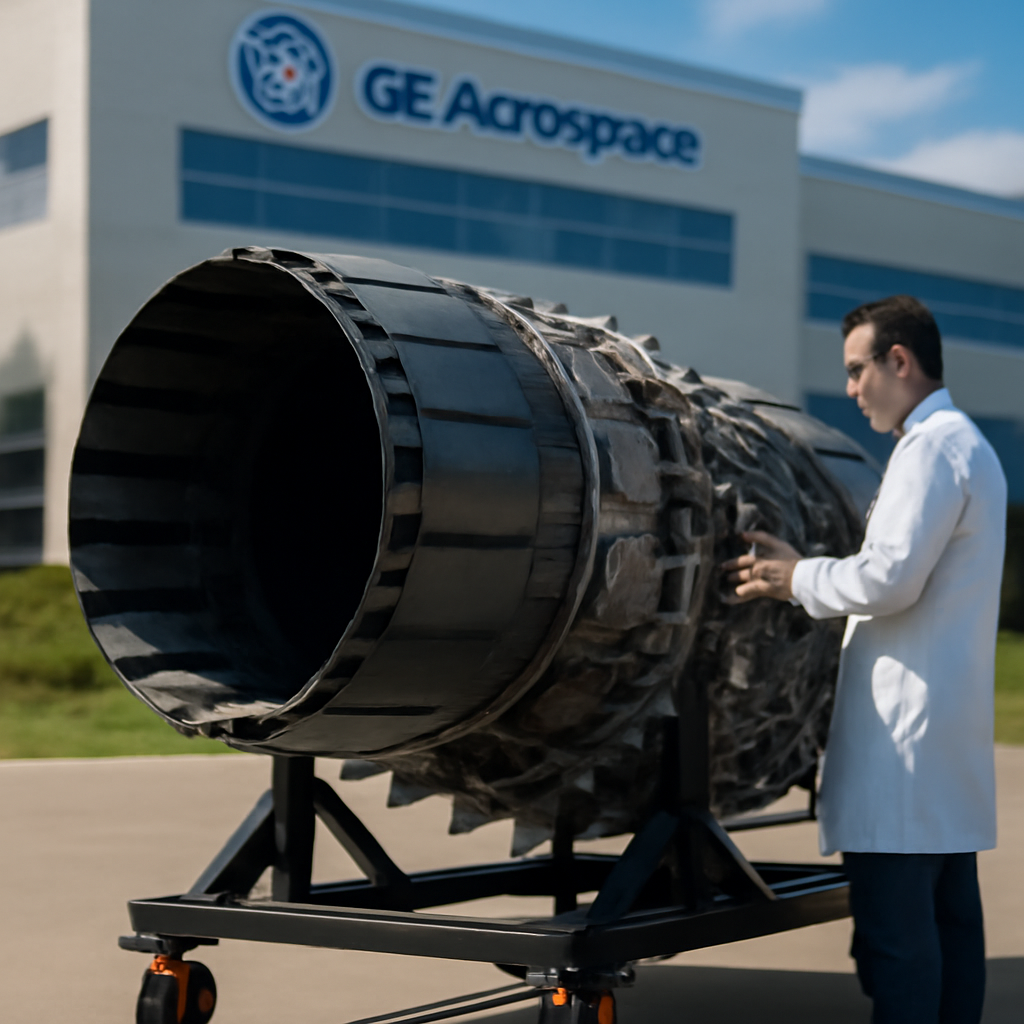
GE Revives 30-Year-Old Tech for Shield AI's Unmanned Fighter
GE Aerospace has dusted off a 30-year-old technology, the axisymmetric vectoring exhaust nozzle (AVEN), which was originally designed to boost F-16 agility, and is now pairing it with an F110 engine for Shield AI's unmanned fighter. The hardware, which had been in storage for decades, was surprisingly found to be in very good condition.
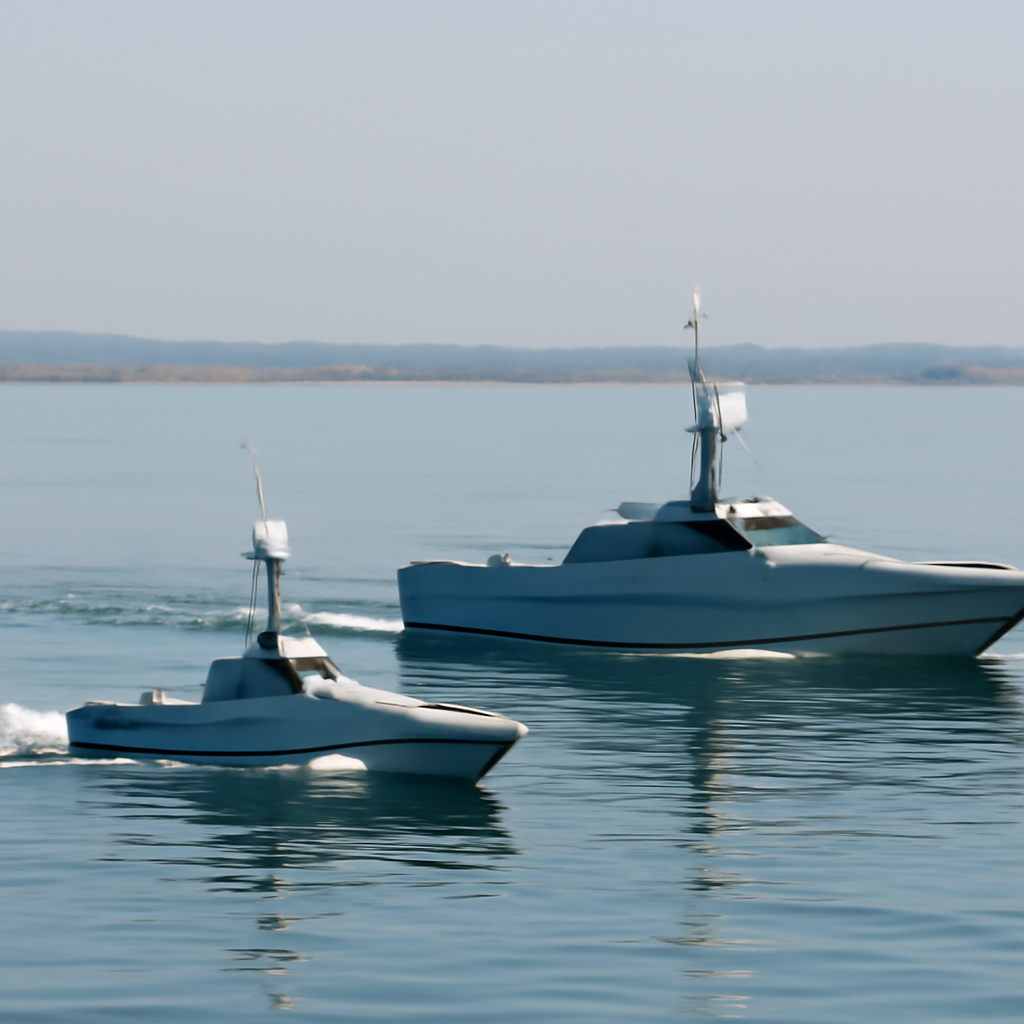
Taiwanese USVs Showcase Autonomous Teaming with AI Software
Imagine a fleet of unmanned ships working together like a well-oiled machine, covering vast areas with ease - in fact, five of these autonomous USVs could search an area up to 8.3 times larger than they could alone. Recently, two Taiwanese USVs equipped with Shield AI's Hivemind software successfully demonstrated this capability, detecting and escorting a crewed vessel out of a designated area off southern Taiwan.
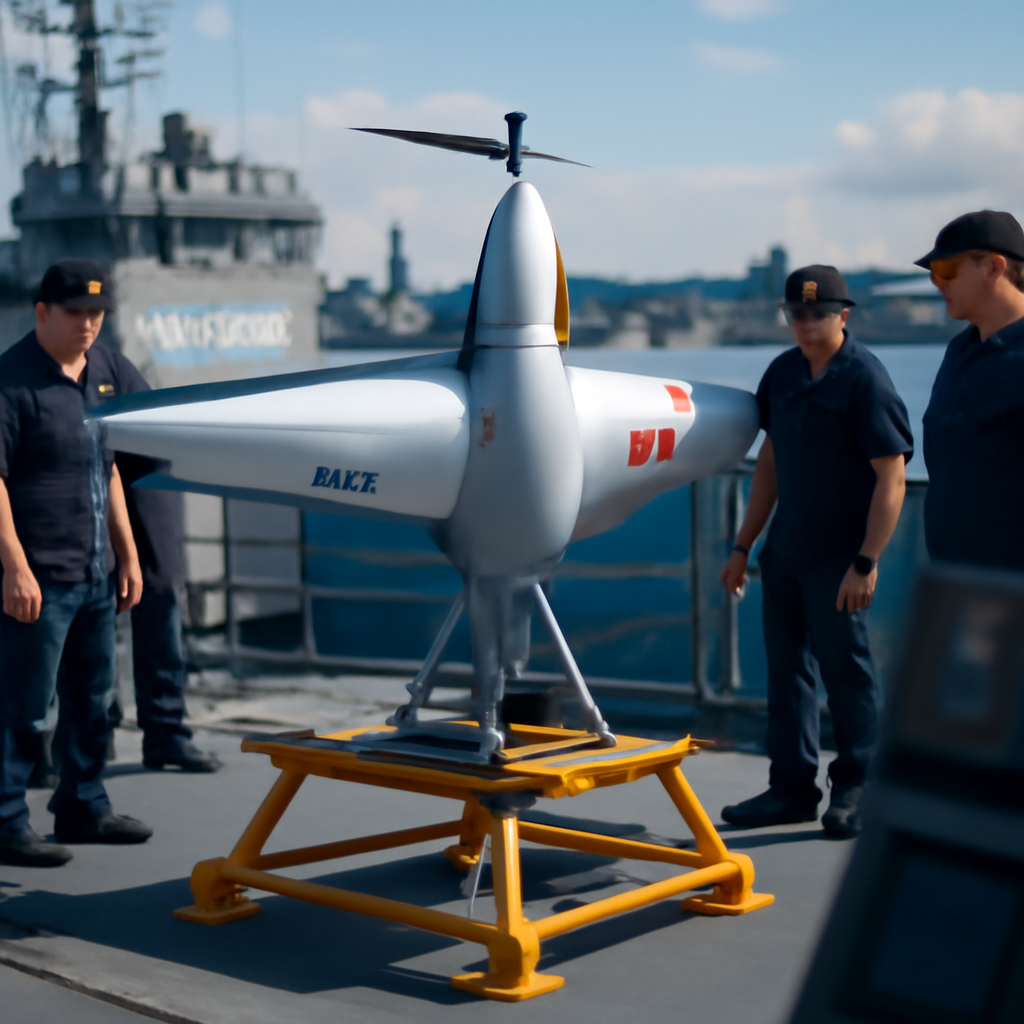
Poland Bolsters Naval Forces with Shield AI's V-Bat UAVs
Poland is set to supercharge its naval capabilities with Shield AI's cutting-edge V-Bat UAVs, which have already proven their mettle in challenging environments. The $16 million deal will see several V-Bat systems deployed aboard Polish Navy vessels by year's end, bolstering maritime intelligence and surveillance operations.

US Military Enhances LUCAS Drone with AI-Powered Swarming Capability
The US military is supercharging its LUCAS drone system with a game-changing AI-powered swarming capability, thanks to a new partnership with Shield AI - and Adm. Brad Cooper couldn't be more impressed, calling LUCAS "indispensable". This cutting-edge upgrade is set to revolutionize the drone's potential, unleashing a coordinated army of affordable, long-range attack drones that can overwhelm targets at a fraction of the cost of traditional missiles.
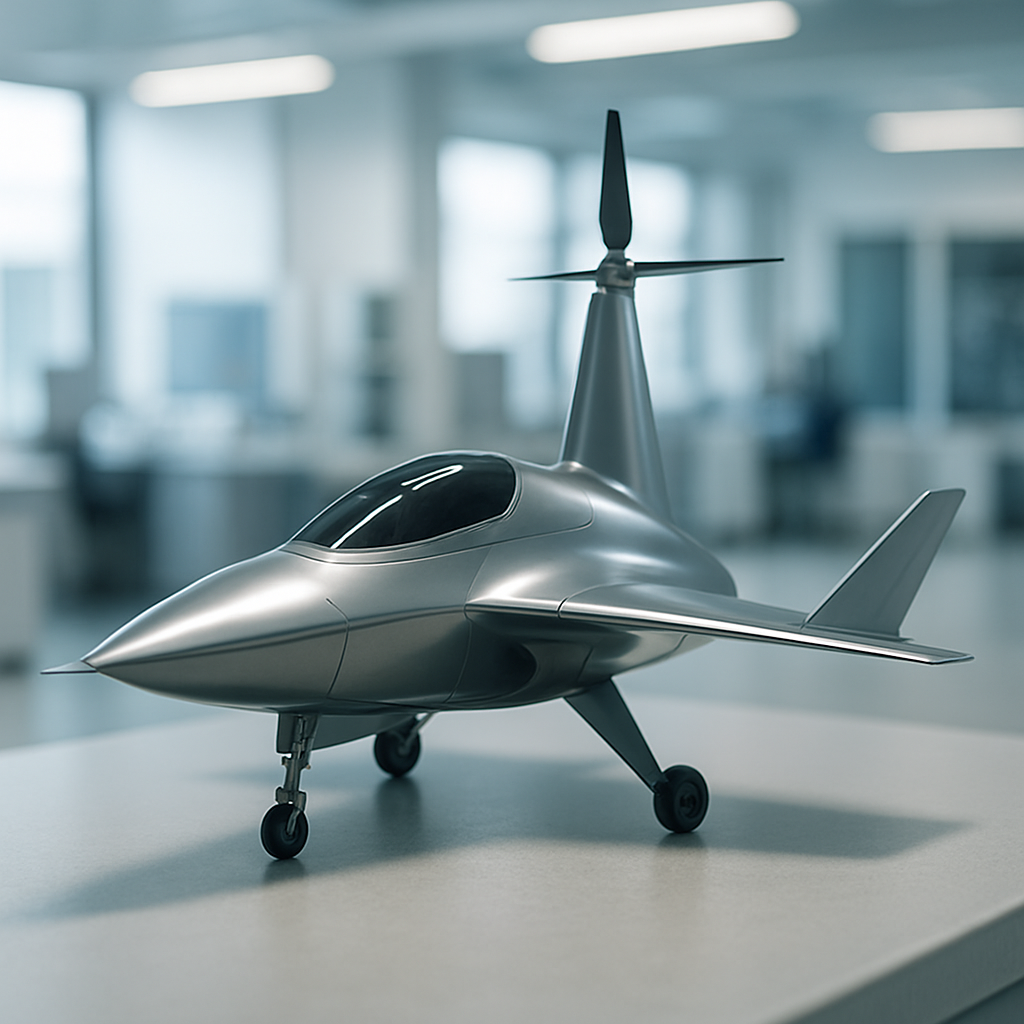
Shield AI Unveils Upgraded X-BAT Stealth Drone Ahead of VTOL Tests
Meet the X-BAT, a game-changing, jet-powered stealth drone that's poised to revolutionize the drone market with its autonomous capabilities and vertical takeoff and landing technology. Shield AI's latest unveiling promises to blur the lines between advanced drones and crewed fighters.
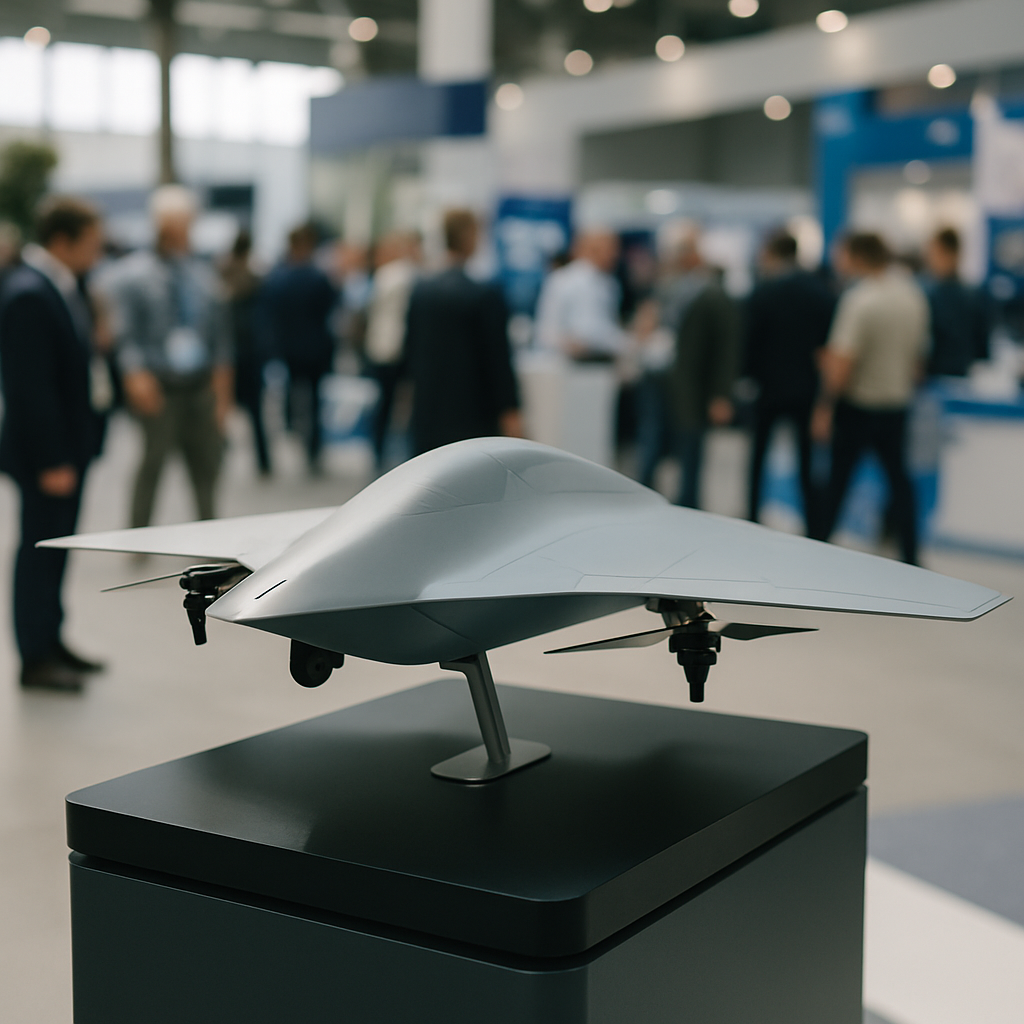
Shield AI Unveils Redesigned X-BAT Autonomous VTOL Fighter Drone
Meet the X-BAT's bold new look: Shield AI and General Electric's autonomous VTOL fighter drone has been radically redesigned with a sleek arrowhead profile, optimized for high-speed flight. The game-changing update is the result of meticulous testing and iteration.

Shield AI Stunning VTOL Drone Promises Safer Combat
What if jets could take off like helicopters from a ship, a roadside clearing, or a backyard field? Shield AI’s jet‑powered VTOL fighter drone promises exactly that—faster, dispersed airpower launched without runways, but it also raises tough questions about ethics, logistics and escalation.

Shield AI Stunning VTOL Drone: Affordable Breakthrough
Imagine jet-powered VTOL drone fighters that need no runway—Shield AI’s runway‑free ambition could let autonomous jets launch from ships, forward sites or improvised clearings and upend the geography of air combat. If fielded at scale, that shift would shrink response times, multiply launch options and make air operations far more agile and resilient.

Shield AI Exclusive Stunning Affordable VTOL Combat Drone
Shield AI’s jet-powered VTOL autonomous fighter drone could free airpower from runways, offering fighter-like speed, range and payload from streets, ships or improvised strips. Affordable and dispersible, it promises greater resilience and a whole new way to project strike and ISR.

Shield AI Debuts Stunning Efficient Autonomous Combat VTOL
Meet a machine that refuses to wait for a runway: Shield AI’s new jet-powered autonomous VTOL can launch from ships, forward sites or improvised clearings, slashing response times and making enemy targeting far trickier. It’s a bold leap in autonomy and propulsion that could reshape how air power is projected—and how wars are fought.