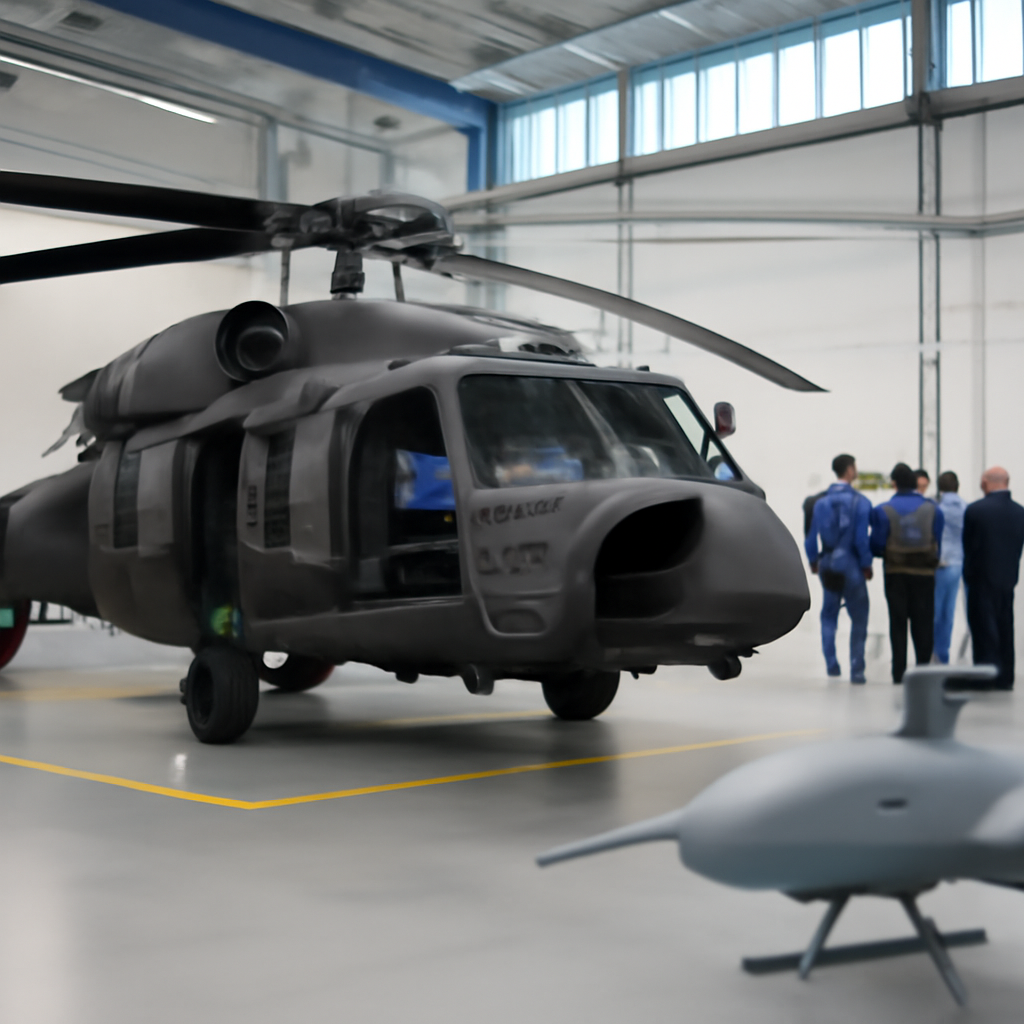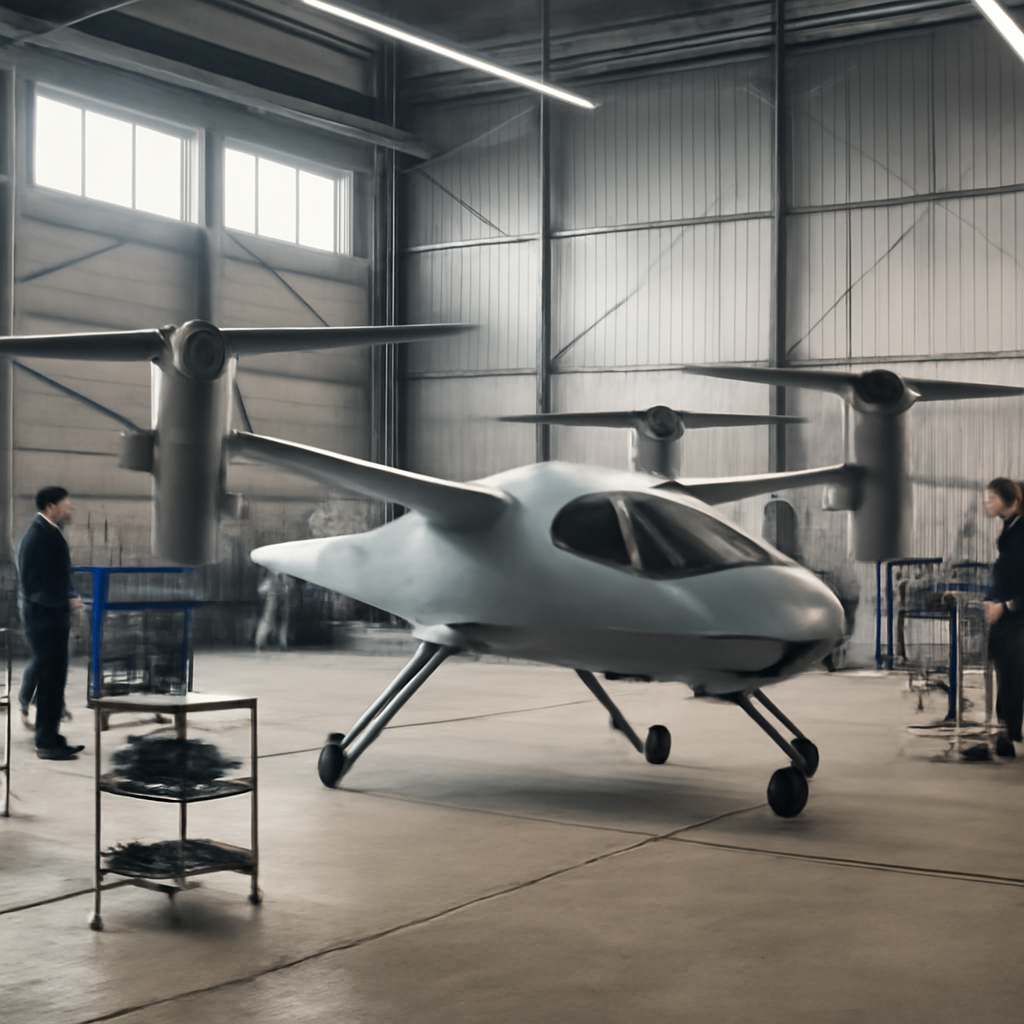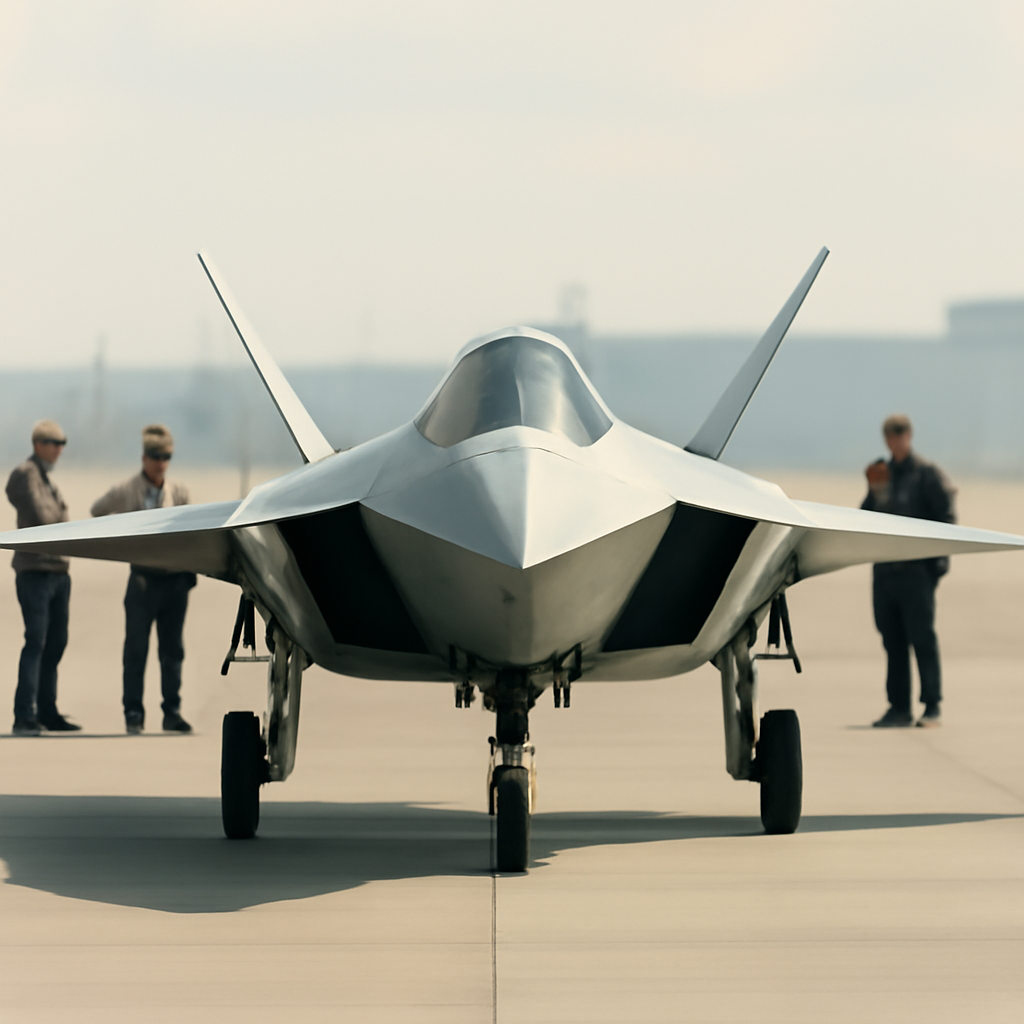
"We've been building two prototype vehicles—they're full scale. The first one will be done in the next couple of weeks here," said Armor Harris, Shield AI’s senior vice president of aircraft.
Progress on X-BAT prototypes
Shield AI says it has been constructing two full‑scale X‑BAT prototypes and expects the first to be finished "in the next couple of weeks." The company told reporters it expects to "start flying its X‑BAT prototype unmanned fighter jet by year’s end" and to move "straight to the vertical takeoff and landing tests as the final de‑risk of the [technology]." Those are aggressive milestones the company is racing to meet as it transitions from build to flight testing.
Navy funding, contract structure, and spending totals
The Navy has committed $150 million to continue developing X‑BAT through a modification to an other transaction agreement (OTA), with Shield AI promising to match the investment with its own funds. That $150 million follows an earlier $50 million invested by the Navy and the Defense Innovation Unit, which Shield AI also matched, bringing "total planned development spending on the project" to $400 million, the company said. Shield AI described the work as "developed in collaboration with NAVAIR and NAWCAD, which is the Naval Air Warfare Center Aircraft Division—the experts for naval aviation."
Under the X‑BAT contract, "the Navy money will be released to Shield AI as it meets developmental milestones." The company said the arrangement includes milestone‑based payments and that "there will be a follow‑on phase in the future if Shield AI and X‑BAT continue to perform well—all leading up to fielding an early operational capability in about 2029."

Audit-ready is a season. It shouldn't be.
Evidence in spreadsheets, controls drifting between audits, frameworks multiplying on flat headcount. Nubivance runs continuous compliance on Rapid7 Cyber GRC - SOC 2, HIPAA, ISO 27001, PCI, CMMC.
End the scrambleProduction sites and the flight testing plan
Shield AI said it has "recently named two sites for production and flight testing of the autonomous jet," though the company did not list those locations in the comments quoted. The near‑term testing path described by Armor Harris is straightforward: complete the prototype builds, begin flight testing "at the end of this year," and proceed directly into vertical takeoff and landing (VTOL) trials as the key de‑risking step.
Export ambitions and international interest
Shield AI told reporters it "also aims to export the aircraft as well as sell it to the Pentagon." The company described strong foreign demand: "There's been a tremendous amount of international interest in X‑BAT because of its multi‑role capabilities, its ability to be runway independent, and basically what's called the cost‑per effect," Harris said. He added that particularly interested countries are "looking to augment F‑35 and F‑16 capabilities" and those "that don't necessarily have the infrastructure and the size of an air force needed to operate a jet like the F‑35."
What this means for NAVAIR, the Navy's Rapid Capability Cell, and international partners
- NAVAIR and NAWCAD: Shield AI framed these organizations as development collaborators—"the experts for naval aviation"—and their involvement signals the Navy's technical engagement in shaping the platform as it moves from prototype to testing.
- The Navy's Rapid Capability Cell: The Rapid Capability Cell was the vehicle for the initial $50 million investment earlier this year and now serves as the conduit for the $150 million follow‑on funds; payments will be tied to milestone achievement under the OTA.
- International partners: Shield AI reports "a tremendous amount of international interest" from countries seeking runway independence, lower "cost‑per effect," and platforms to "augment F‑35 and F‑16 capabilities" or to equip air forces without the infrastructure to operate jets like the F‑35.
The immediate clock is clear: finish the first full‑scale prototype "in the next couple of weeks," begin flight testing "at the end of this year," and pass VTOL trials as the critical de‑risking step. Funding is paced to those milestones, and the company projects an early operational capability "in about 2029" if the program continues to perform. The central question the program now faces is whether Shield AI can meet the tightly sequenced build, test, and milestone requirements that will release the Navy's next tranche of support and open the door to follow‑on phases and potential exports.