Tag: missile defense
91 articles
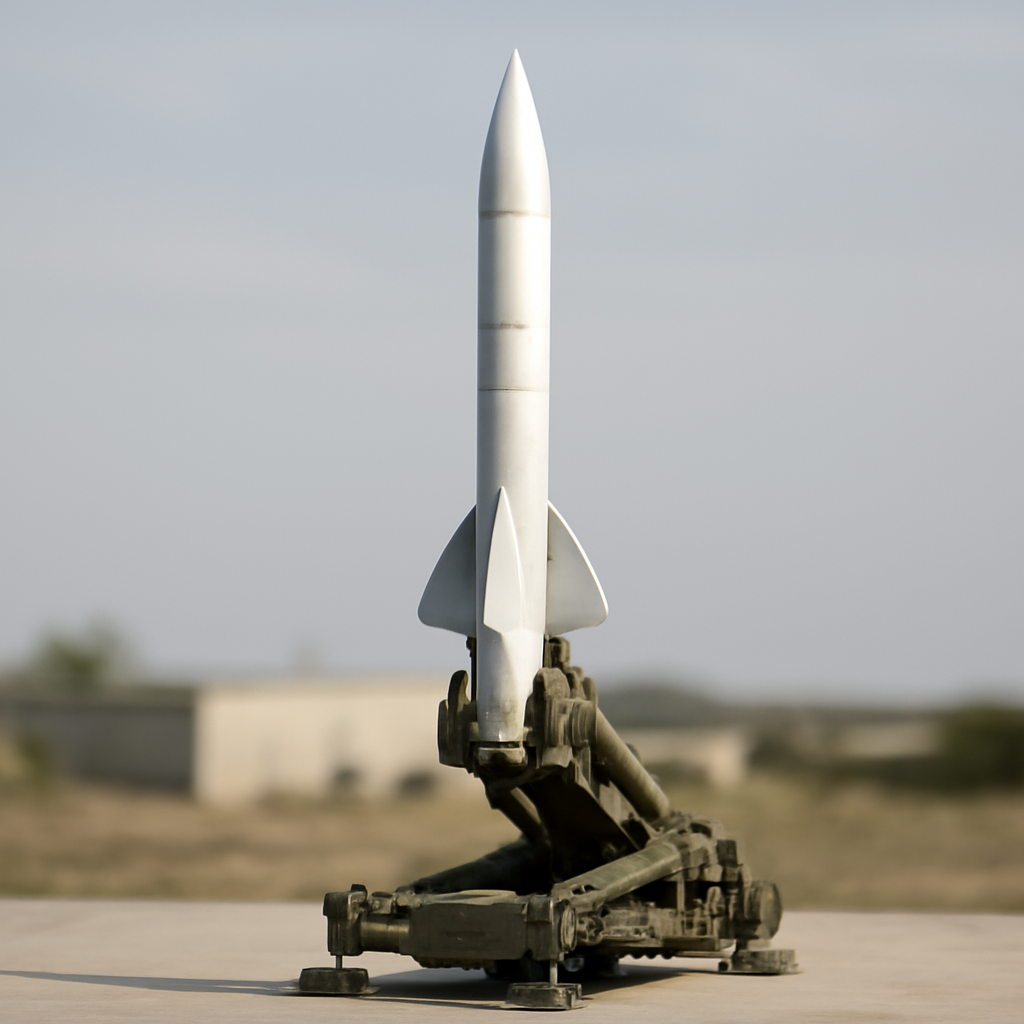
Ukraine Unveils $1M Interceptor to Challenge Missile Defense Economics
Meet the game-changing FP-7.x, a $1 million interceptor from Ukrainian missile manufacturer Fire Point, designed to shake up the economics of missile defense with a significantly lower cost per intercept compared to traditional systems like the Patriot PAC-3.

Lockheed Expands Munitions Production with New Alabama Facility
Lockheed Martin is betting big on future demand, investing in a new 87,000-square-foot production facility in Troy, Alabama, that nearly doubles its current production space for THAAD interceptors. The move is a bold bet that production certainty will follow capital outlays, paving the way for a significant ramp-up in THAAD output.

US Military's Golden Dome Costs Under Scrutiny
The US military's ambitious Golden Dome missile defense system has sparked a heated debate over its hefty price tag, with the Congressional Budget Office estimating a staggering $1.2 trillion cost that Space Force Gen. Michael Guetlein has publicly disputed. Gen. Guetlein argues that the estimate is inflated, setting off a battle over the program's true cost.

Army Seeks Low-Cost Patriot Interceptor Under $1 Million
The Army is launching a competitive quest for a game-changing, low-cost interceptor that could slash the Patriot system's unit price to under $1 million - a fraction of the current cost. Industry players are invited to submit proposals for innovative designs that could revolutionize missile defense.

Pentagon Pushes Back on $1.2 Trillion Missile Defense Estimate
The Space Force is pushing back on a staggering $1.2 trillion price tag for its Golden Dome missile-defense system, with Gen. Michael Guetlein saying the Congressional Budget Office's estimate doesn't match the architecture they're building. The disputed cost has sparked a heated debate over the program's true price.

Pakistan Unveils Fatah-2 Missile with Advanced Manoeuvrability
Meet the Fatah-2, Pakistan's game-changing missile with unparalleled manoeuvrability, capable of supersonic speeds and non-ballistic flight paths. This cutting-edge technology has officially joined the Pakistan Army's arsenal, marking a significant boost to its defence capabilities.

Golden Dome Missile Defense Plan Faces $1.2 Trillion Price Tag
The Congressional Budget Office warns that the ambitious Golden Dome missile-defense program comes with a staggering $1.2 trillion price tag, a cost that far exceeds initial estimates and raises questions about its feasibility. Even with this hefty investment, the system would still have significant limitations, particularly against large-scale attacks from powerful adversaries.

Missile Shield Project Could Cost $1.2 Trillion Over 20 Years
The Congressional Budget Office estimates that a national missile defense system, like the one proposed by President Trump, could cost a staggering $1.2 trillion to develop, deploy, and operate over the next 20 years. The space-based interceptor layer alone accounts for a whopping 60% of the total costs.

Raytheon Secures SeaRAM Contract for Australian Frigates
Raytheon is equipping Australia's future fleet with a game-changing defense system, the SeaRAM, to shield against airborne threats. This cutting-edge tech will be integrated into the Royal Australian Navy's new frigates, providing a robust and reliable missile defense layer.

Iran Launches Fresh Attacks on UAE Amid Fragile Ceasefire
Tensions escalate as Iran launches a fresh wave of missile and drone attacks on the UAE, prompting the country's air defense systems to spring into action and intercept the incoming threats. The UAE Defense Ministry confirmed the attacks, but the extent of the damage remains unclear.

Navy Presses On With AARGM-ER Missile Despite Strategic Pause
The Navy is pushing forward with the AARGM-ER missile program, aiming to reach Initial Operational Capability by September 2026, despite a one-year pause on US purchases. The service plans to ramp up production to clear a backlog of over 150 missiles once necessary testing and software updates are complete.
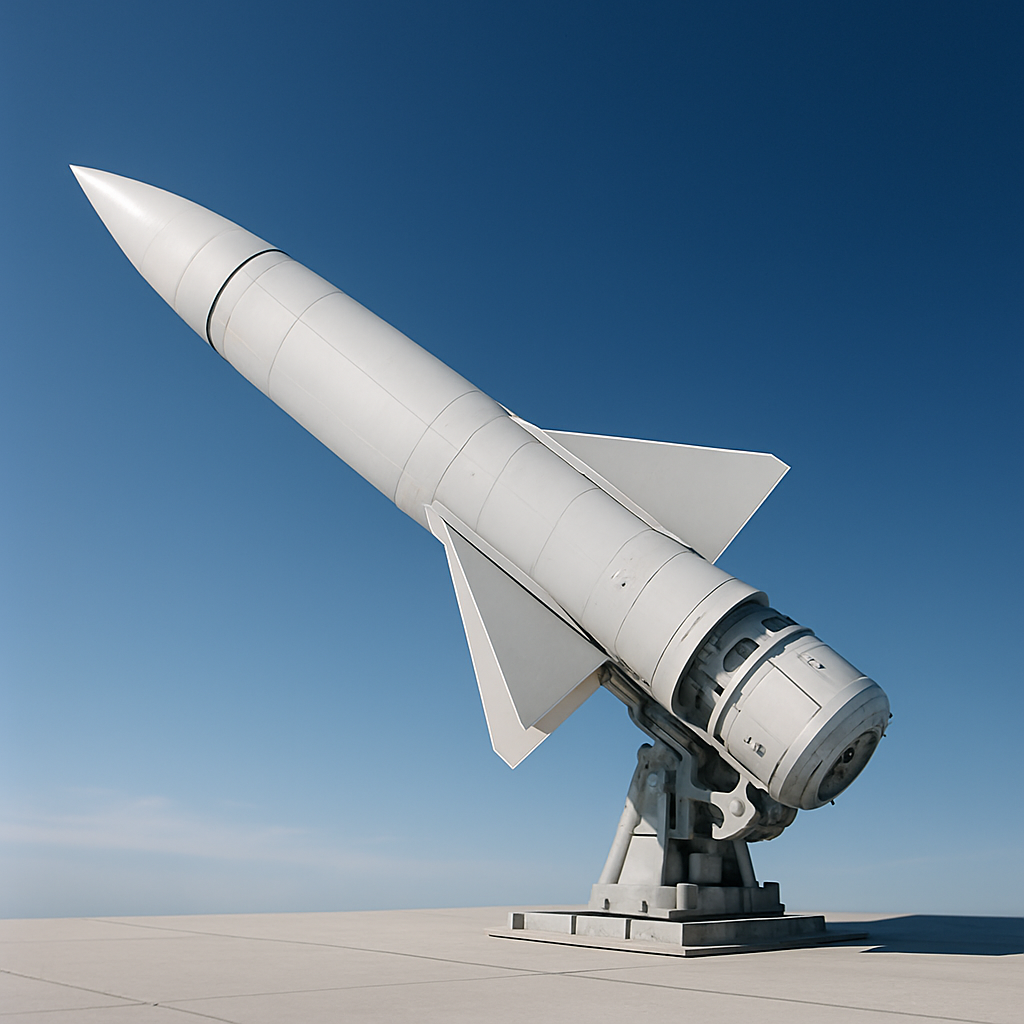
Space Force Awards $3.2 Billion for Golden Dome Interceptors
The Space Force is taking a giant leap in missile defense, awarding $3.2 billion to 12 top companies to develop cutting-edge, space-based interceptors for the Golden Dome program, aimed at outpacing rapidly advancing threats. This move accelerates the development of innovative solutions to counter modern missile threats.

Space Force Taps Dozen Firms for $3.2 Billion in Space-Based Interceptors
The US Space Force has awarded 20 contracts worth up to $3.2 billion to 12 top companies, including Lockheed Martin and Northrop Grumman, to develop space-based interceptors for a cutting-edge missile defense system. This ambitious project is a major step forward in protecting national security and defending against emerging threats in space.

Pentagon Anchors Future in Space with Next-Gen Satellite Network
The US military is betting big on space, with a next-gen satellite network set to revolutionize communications, missile defense, and strategic operations. Satellites have become the backbone of US military planning, enabling a more resilient and distributed force.

US Navy Bolsters Air Defense with Patriot PAC-3 Missiles
The US Navy is taking a major leap forward in air defense with a new contract awarded to Lockheed Martin, integrating the advanced Patriot PAC-3 Missile Segment Enhancement (MSE) with the Aegis Combat System. This game-changing move, backed by a $1.73 billion budget, will equip the Navy with 405 cutting-edge PAC-3 MSE missiles.

Pakistan Navy Unveils Extended-Range Anti-Ship Ballistic Missile Capability
On April 15, 2026, the Pakistan Navy successfully tested its indigenously developed ship-launched anti-ship ballistic missile, striking its target with precision and speed at an extended range. This milestone achievement was witnessed by top naval officials and marks a significant boost to the country's naval capabilities.
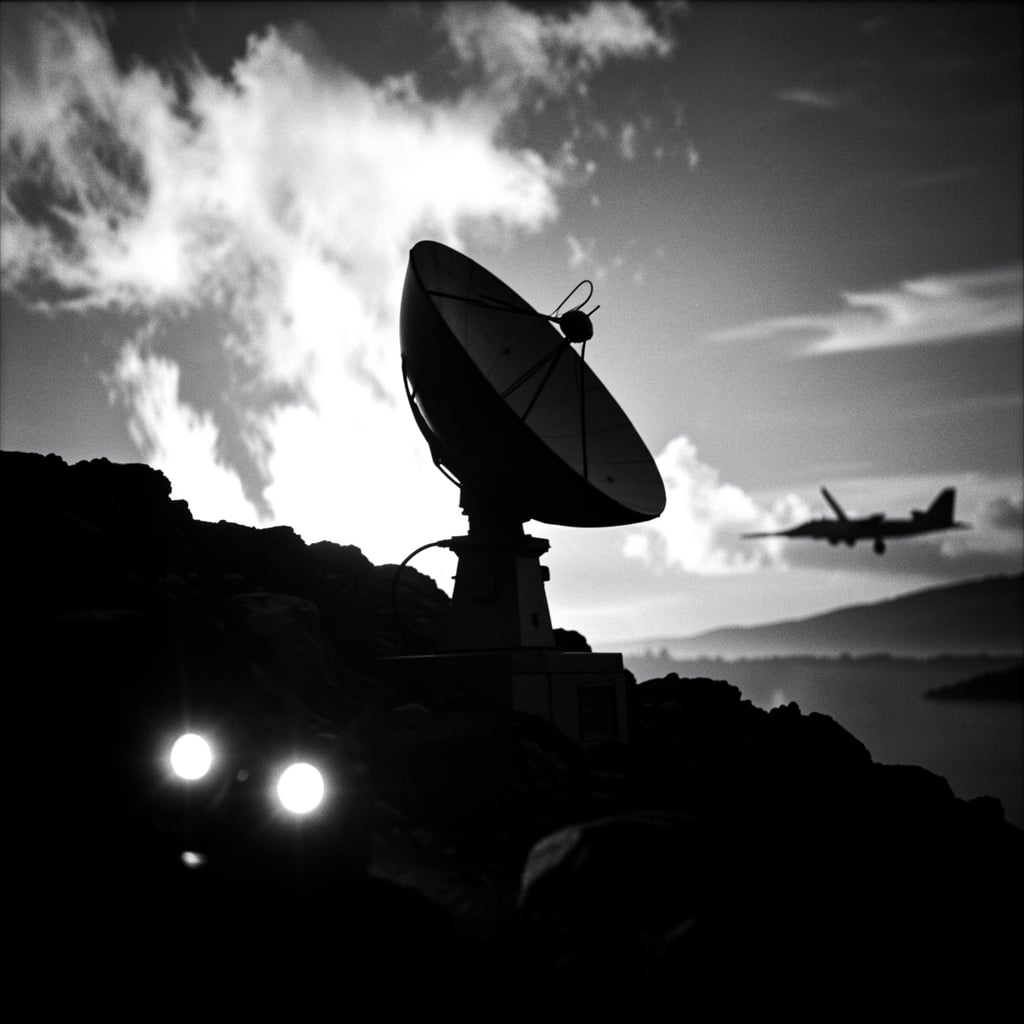
Iran Targets US Radar Systems in Strategic Escalation
Iran's recent targeting of US radar systems marks a strategic escalation in tensions, highlighting the critical role these advanced defense tools play in modern warfare. The stakes are high, with radar systems like THAAD and TPY-2 being crucial for detecting and tracking enemy missiles and aircraft.

Missile Defense Plan Hits Snag Over Cost
A space-based missile defense system, a promising but pricey proposal, may be out of budget for the Golden Dome's 12-figure spending plan, leaving its future uncertain. The program's leader, or "czar," admits that it's unclear if the ambitious technology can be produced affordably.

Space Force Weighs Viability of Orbiting Missile Interceptors
The Space Force is at a crossroads, weighing the viability of orbiting missile interceptors, with Gen. Michael Guetlein emphasizing that a costly space-based boost-phase intercept capability won't move forward if it's not affordable and scalable. The Department of Defense is deliberating whether to field space-based interceptors, with affordability and scalability at the forefront of the decision.

Satellite Defense Architectures Require On-Orbit Logistics Upgrade
When disaster strikes hundreds of kilometers above Earth, who's got the backup plan to repair, refuel, or reconfigure a missile-intercepting satellite constellation? Building on-orbit logistics into the architecture from the start is crucial to sustaining missile defense in space.

Israel Boosts Arrow Interceptor Production Amid Regional Tensions
Israel is ramping up production of its Arrow interceptors, a move that raises eyebrows given the timing - it comes as a fragile ceasefire hangs in the balance, and just as cross-border strikes continue to escalate tensions in the region. This strategic boost sparks questions about Israel's intentions and the long-term viability of the shaky truce.

missile-intercept satellite: Stunning but Risky Breakthrough
Lockheed Martin plans to test a Golden Dome missile‑intercept satellite by 2028 — a bold experiment that could boost missile defense from orbit while raising tricky technical, diplomatic and escalation questions.

Integrated Battle Command System: Stunning Best Defense Aid
Northrop Grumman says its IBCS upgrade can stitch sensors and shooters into one smart brain—cutting expensive, wasteful anti-missile salvos and stretching logistics while keeping soldiers safer. But that efficiency brings hard choices: centralizing decisions can save billions and improve defenses, yet also creates new cyber, trust and sovereignty risks that allies and commanders must reckon with.

improved radar capabilities: Must-Have, Best Defense Boost
The Navy is giving aging destroyers a high-tech eyesight upgrade—modernizing radars with smarter software and electronics to spot stealthy missiles and jamming from China and Russia. These retrofits buy time and boost fleet relevance while new ships and sensors are developed, helping sailors see farther, react faster, and stay one step ahead.