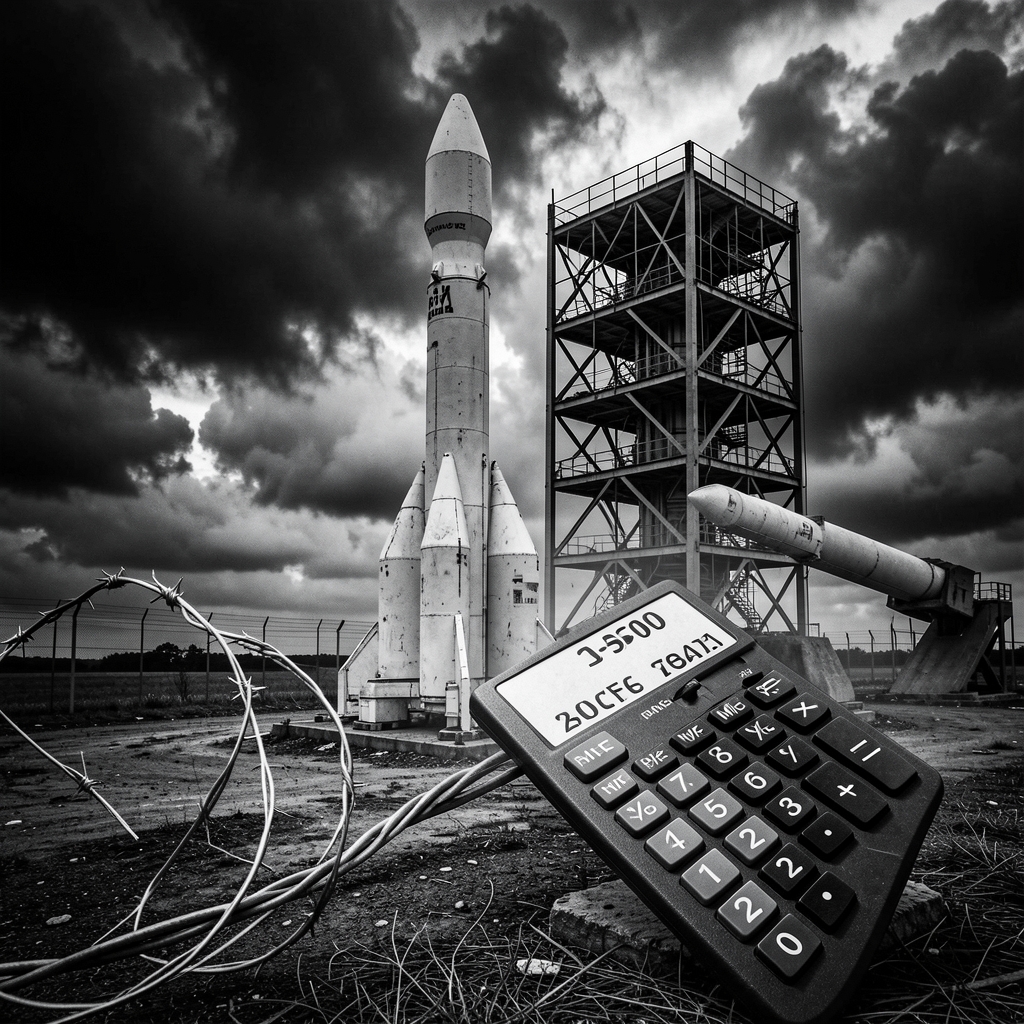
Can a space-based missile defense system be built at a price the Golden Dome’s 12-figure spending plan can bear? The program’s own czar says he does not know — “Czar doesn’t know if the ambitious tech can be affordably produced.”
What’s at stake
The proposal under consideration is for a space-based missile defense capability that, according to reporting, may cost more than the Golden Dome has budgeted. The spending plan is described as a 12-figure program, and officials supervising the effort — identified in reporting only as the czar — have stated that the central question of producible affordability remains unresolved.
Where the program stands
At present, the public record summarized in the reporting is short and stark: program leaders have flagged affordability as an open question. That uncertainty sits alongside a multi‑billion-dollar scale expenditure implied by the description of a 12‑figure spending plan. Beyond that, the reporting does not provide further technical details, cost breakdowns, timelines, or testing outcomes.

This site is the portfolio.
OSINTSights runs on Cloudflare Workers, D1, R2, and Vectorize, with an AI pipeline on Hetzner ARM. Nubivance designed, built, and operates it. We do the same for clients.
See what we buildWhy affordability matters
- Budget constraints: A 12‑figure commitment implies significant opportunity costs and competing priorities for scarce funds.
- Production risk: If the czar’s uncertainty about affordable production persists, scaling from prototype to fieldable systems could be delayed or curtailed.
- Program credibility: Unresolved affordability questions can complicate oversight, congressional review, and long‑term planning.
Who the uncertainty touches
The reporting points to a program that implicates multiple constituencies. Technologists face the technical challenge of making “ambitious tech” manufacturable at scale; budget makers must weigh a 12‑figure plan against other demands; operators and planners await a reliable assessment of when — or whether — the capability can be produced affordably; and strategic observers will watch how the affordability question shapes decisions about the program’s future.
The only explicit public admission captured in reporting is simple and consequential: “Czar doesn’t know if the ambitious tech can be affordably produced.” That admission reframes the debate from whether the capability is desirable to whether it can be delivered within the limits of the proposed spending plan.
When the central question is affordability, the program’s next steps will matter as much as its aspirations. Will further analysis resolve the uncertainty, or will cost realities force a rethinking of scope, schedule, or scale?