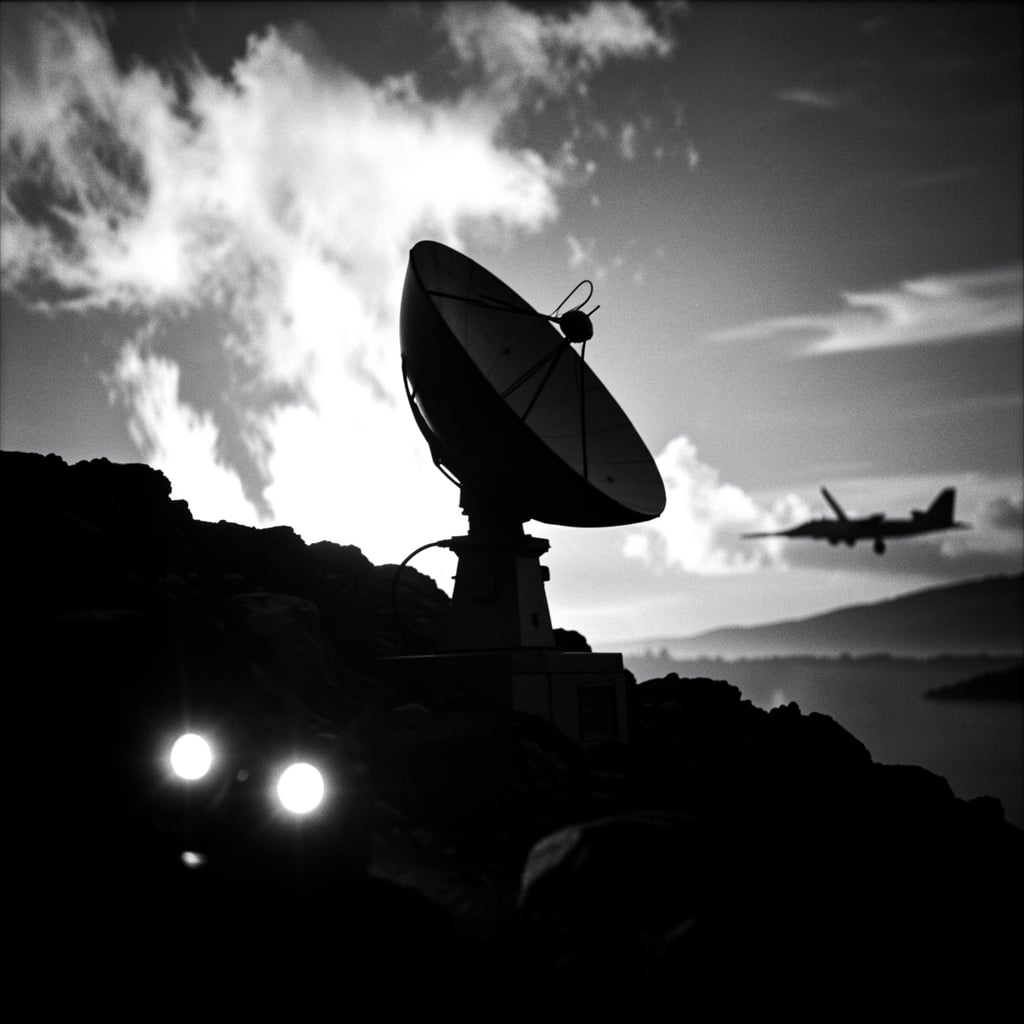
In the realm of modern warfare, the significance of advanced radar systems cannot be overstated. These systems, crucial for detecting and tracking enemy missiles and aircraft, have become a focal point in the ongoing tensions between Iran and other nations. A recent statement from Tom Karako of the Center for Strategic and International Studies (CSIS) underscores the importance of these systems, particularly in the face of adversarial targeting.
The Radar Systems in Question
The THAAD (Terminal High Altitude Area Defense) and TPY-2 radar systems are among the most advanced defense tools available. THAAD is designed to intercept ballistic missiles in their terminal phase, while the TPY-2 radar, which can be used in both THAAD and Aegis missile defense systems, provides critical early warning and tracking capabilities. According to Tom Karako from CSIS, "It's not about the cost per round. It's about achieving operational success."
Implications of Targeting Radar Systems
Targeting these radar systems is a strategic move by adversaries, as it could potentially cripple the defensive capabilities of a nation or its allies. By focusing on these systems, adversaries aim to create gaps in the defense infrastructure, making it more challenging to detect and intercept incoming threats. This tactic highlights a broader strategy of asymmetric warfare, where adversaries seek to exploit vulnerabilities in more technologically advanced opponents.

Audit-ready is a season. It shouldn't be.
Evidence in spreadsheets, controls drifting between audits, frameworks multiplying on flat headcount. Nubivance runs continuous compliance on Rapid7 Cyber GRC - SOC 2, HIPAA, ISO 27001, PCI, CMMC.
End the scramblePerspectives and Concerns
- Technologists are concerned about the advancements in missile and radar technology, and how these advancements could lead to an arms race, driving up costs and increasing the complexity of defense systems.
- Policymakers must weigh the costs of deploying and protecting these advanced systems against the potential benefits of enhanced defense capabilities.
- Users of these systems, primarily military personnel, are focused on the operational effectiveness and reliability of the radar and missile defense systems.
- Adversaries view these systems as significant threats to their ballistic missile capabilities and are likely to continue targeting them to gain a strategic advantage.
As global tensions continue to rise, the targeting of advanced radar systems like THAAD and TPY-2 highlights the evolving nature of modern warfare. The emphasis on achieving operational success over the cost per round of engagement underscores the strategic importance of these systems.
Will the ongoing cat-and-mouse game between missile defense systems and their adversaries lead to a new era of defense technology, or will it result in increased vulnerability for nations relying on these systems? Only time will tell.



