Tag: drones
77 articles

Robots, Drones Proliferate at AUSA Expo
Get ready for a glimpse into the future of defense tech: the AUSA Expo show floor is buzzing with innovative robots and drones, including an amphibious robot that can transport ground robots across water. Drones were a major highlight, with unmanned aerial systems taking center stage.
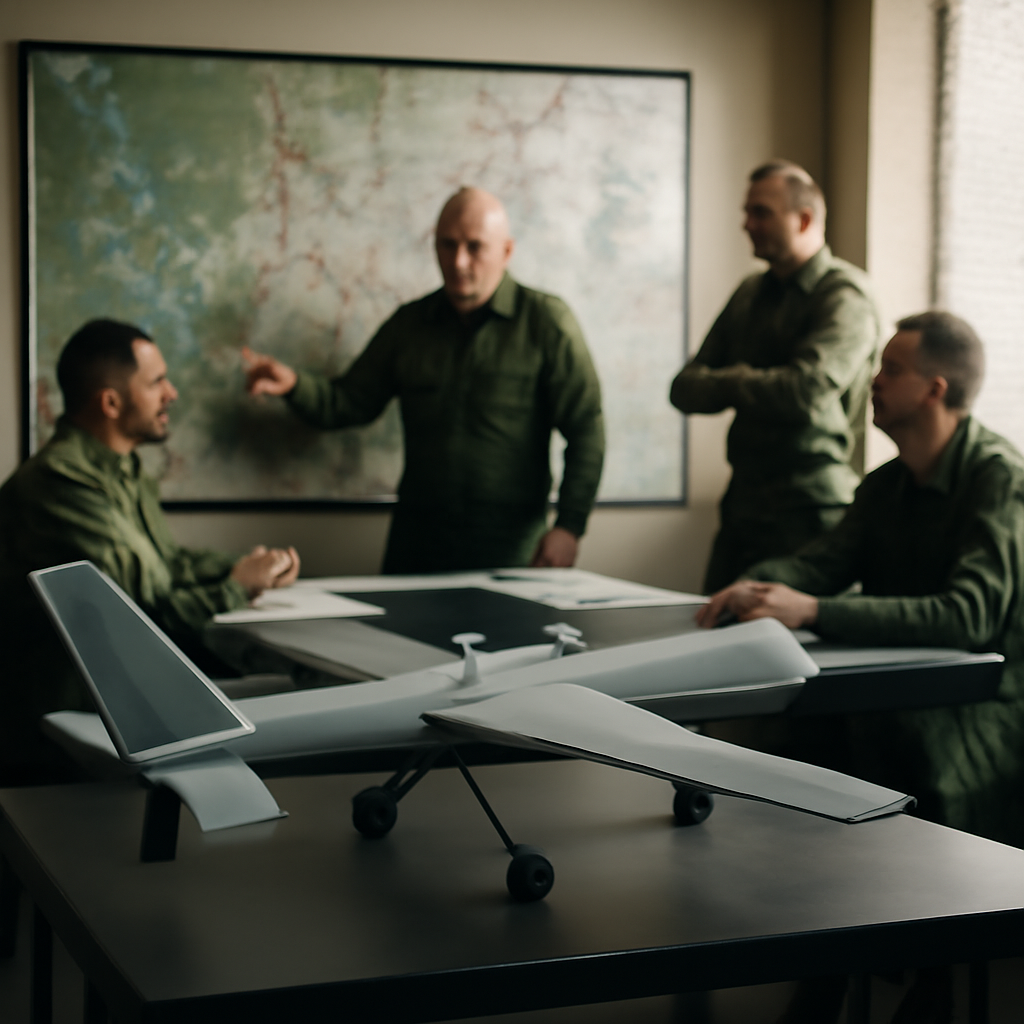
US Army Deploys Drones to Deceive Enemies in Battlefield Tactics
Meet the US Army's latest game-changer in battlefield tactics: drones designed to deceive and disrupt enemy operations, and Col. Timothy Price explains how they're being used to revolutionize breach operations.
China's Tech Sector Surges Ahead Despite US Pushback
China's tech sector is surging ahead, with Chinese companies now leading in 66 out of 74 tracked technologies and emerging players like ByteDance, Mituan, and Xiaomi aggressively pushing the boundaries in cutting-edge fields like drones, robotics, and AI. The country's tech landscape has evolved rapidly, moving beyond familiar names like Baidu, Alibaba, and Tencent to a new wave of innovative firms.
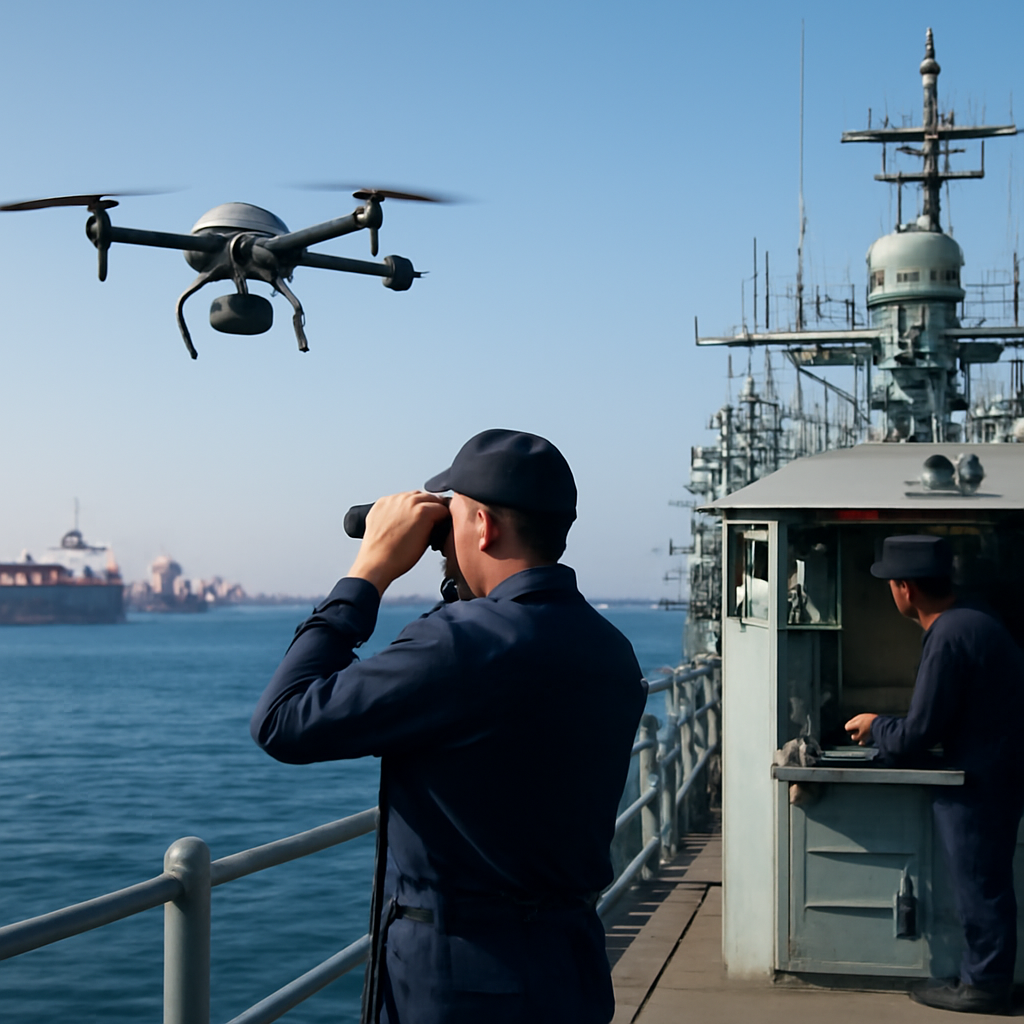
Navies Adapt as Drones Disrupt Maritime Warfare Landscape
As drones revolutionize maritime warfare, the pressing question is: will they render navies obsolete, putting the security of global trade, sea deterrence, and regional stability at risk? The Ukraine-Russia conflict in the Black Sea offers a glimpse into this uncertain future, where drones can alter naval behavior, but not necessarily the balance of power.
Europe's Space Ambitions Take Center Stage at Berlin Air Show
At the 2026 ILA Berlin Air Show, The Break Out team uncovered a story of resilience and innovation, tracing the ripple effects of a major European program's collapse to the cutting-edge tech on display, from drones in flight to a student-built satellite designed to tackle orbital debris. This compelling narrative framed the air show coverage, highlighting Europe's bold ambitions in military and aerospace.

Navy Deploys Drones to Sink Warship in Live-Fire Exercise
In a thrilling display of modern naval power, the US Navy successfully sank a warship using drones in a live-fire exercise, marking a significant milestone in military technology. The operation, part of the UNITAS 2026 exercise, involved a littoral combat ship launching four aerial drones and a surface vessel to take down the decommissioned USS Simpson.
US Army Leaders Seek Next Offset Beyond Drones
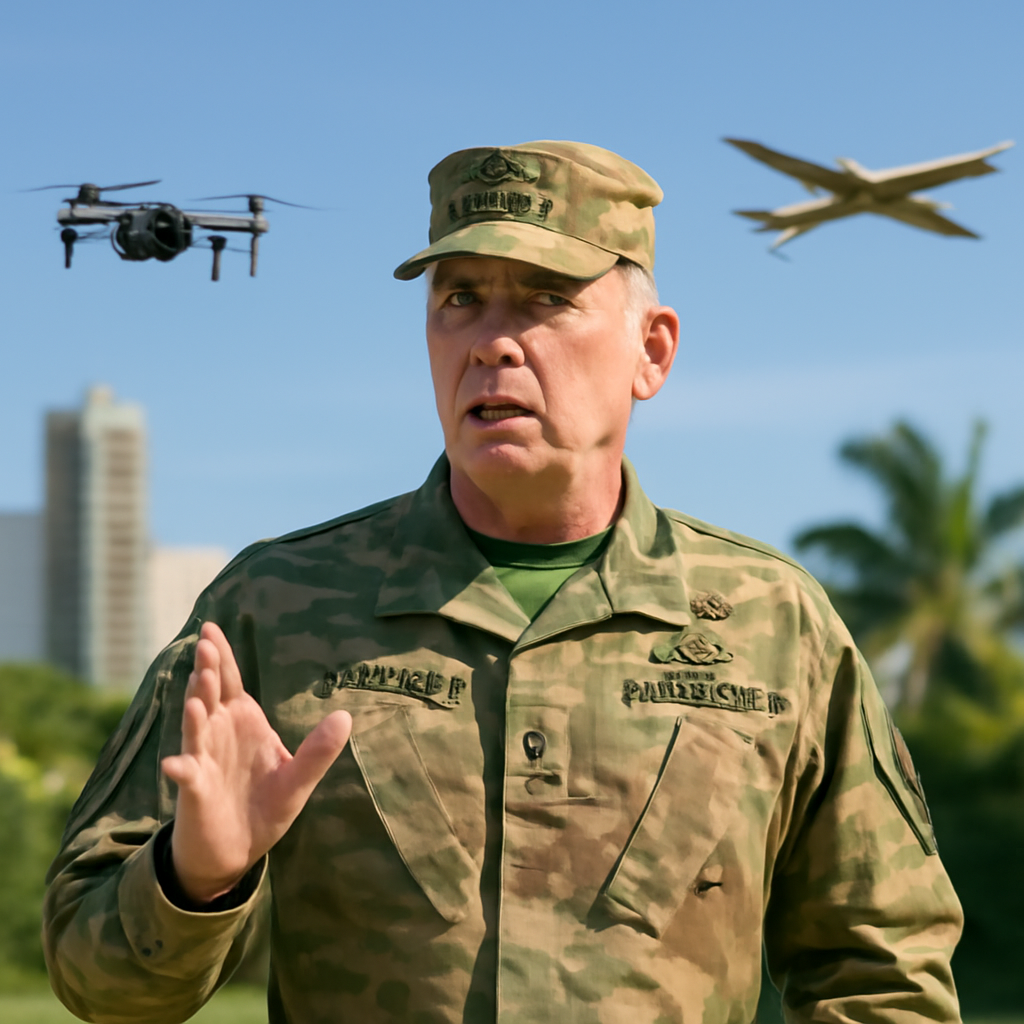
US Army leaders are pushing the boundaries of innovation, exploring the next game-changing technology beyond drones to revolutionize modern warfare. Gen. Ron Clark highlights the rapid evolution of unmanned systems, showcasing cutting-edge examples like the adaptable Kestrel quadcopter and Skydio X10 reconnaissance drone.

Drones Transform Modern Warfare with Autonomy
In just five years, hobbyist drones have evolved from a park pastime to a game-changer on the battlefield, and the Ukraine–Russia conflict has proven that air power is now more accessible than ever. Today's military must balance the urgent need to win the current fight with the promise of tomorrow's autonomous machines.

Estonia Reassesses Defense Spending, Shifts Focus from Heavy Armor to Drones
Estonia is shaking up its defense strategy, ditching a $587 million plan to buy infantry fighting vehicles in favor of a more modern approach: prioritizing drones and air defense. The move reflects a hard-nosed assessment that heavy armor may no longer be the best bet on future battlefields.

satellite laser warning systems: Must-Have Defence Boost
Britain is racing to shield its satellites from rising laser attacks while testing jet-powered drones that can launch from carriers — a bold move to keep its skies, seas and space resilient in a more contested future. Together, satellite laser-warning sensors and carrier UAV prototypes aim to protect vital services like GPS and communications while giving the Royal Navy safer, more flexible strike and surveillance options.

Drone incursions: Risky, Stunning Threat to Airports
Late-night drone sightings over Munich forced authorities to suspend flights during Oktoberfest, leaving thousands stranded. The episode shows how cheap, hard-to-detect drones can paralyze airports and why better detection, rules and coordination are urgently needed.

counter-unmanned aircraft capabilities: Must-Have, Best Tool
Could a $300 drone shut down a city? DHS is asking Congress for $100 million to field sensors, jammers and other tools to detect, track and stop hostile drones — a necessary but imperfect step to protect events, infrastructure and borders while balancing privacy and legal limits.

Russias drone sector: Stunning, Risky Expansion
Russia’s drone industry has surged from prototypes to mass-produced battlefield systems by prioritizing simple, low-cost designs and decentralized manufacturing. That rapid, pragmatic growth is forcing Kyiv, Washington and NATO to rethink sanctions, air defenses and how to counter cheap, attritable aerial threats.

Amazon-like online marketplace: Must-Have Game-Changer
Imagine soldiers ordering vetted drones as easily as parents buy toys—scrolling specs, reading reviews, and getting gear to the unit in days instead of months. The Army’s new Amazon-like UAS marketplace aims to speed fielding and widen vendor access, while tackling the security, sustainment, and oversight challenges that come with buying fast.

high-energy lasers: Stunning, Game-Changing Breakthrough
Could lasers really replace missiles on Army vehicles by 2026? If the Pentagon’s push pays off, high-energy beams could give soldiers a cheaper, quieter way to stop drones and rockets — but only if engineers conquer persistent power, cooling, and weather challenges that separate dazzling demos from reliable battlefield gear.

vehicle-mounted directed-energy system: Best Must-Have
Imagine armored vehicles with lasers that can stop drones, rockets and mortars almost instantly, giving commanders virtually unlimited “magazines” powered by electricity — but the real test now is whether that promise can be made rugged, maintainable and seamlessly integrated for sustained combat as the Army moves toward production.

data-driven decisions: Must-Have Training to Prevent Risk
Project Flytrap revealed that sensors and AI can spot small drones, but senior officers often lack the data literacy and realistic training to turn those outputs into safe, timely decisions. Closing that gap with better education, doctrine, and human-centered systems is essential to avoid costly mistakes on the battlefield.

manned-unmanned teaming: Must-Have Best for Pacific Defense
What used to be science fiction—soldiers teaming with drones, robots, and autonomous sensors—is becoming a near-term reality in the Pacific, forcing commanders to rethink planning, logistics, and doctrine now rather than later. With experiments accelerating and deployments planned within years, the Army must balance rapid innovation with training, resilience, and ethical safeguards to turn advantage into lasting deterrence, not new vulnerability.

manned-unmanned teaming: Must-Have, Risky Future
Picture a soldier stepping ashore while drones and robots weave a single tactical picture into their helmet—manned‑unmanned teams could soon boost reach and protect troops across the Pacific, but they also raise tough challenges in communications, AI reliability, logistics, and the ethics of who pulls the trigger.

Ukraine-style attack drones: Must-Have, Risky Advantage
The Pentagon wants to turn Ukraine’s gritty, make-do drone tactics into a repeatable advantage with a “Top Gun” style school teaching pilots, maintenance crews and commanders how to field small attack drones—yet translating battlefield improvisation into doctrine will demand fixes to policy, logistics and ethics as much as curriculum.

modern C2 centers: Must-Have Resilience for Victory
As battlefields blur and speed trumps certainty, modern C2 centers face three urgent hurdles: turning overwhelming, messy data into rapid, trustworthy decisions; staying resilient when networks and sensors are jammed or hacked; and knitting multinational, misaligned systems into a single, trusted command. Solving them will mean smarter tech, tougher doctrine, and real-world drills that bind militaries, industry and allies together.

MEMS IMUs: Must-Have Precision, Risky Consequences
A $50 MEMS IMU turning a $50,000 weapon into a pinpoint munition forces us to rethink deterrence, escalation, and the rules of engagement. Buying 300,000 of these tiny sensors makes precision pervasive — reshaping tactics, supply chains, and policy in ways both stabilizing and risky.

Ukrainian hackers drone network: Stunning Strategic Win
If confirmed, the reported takedown of Russia’s Gaskar drone network by Ukrainian hackers shows how a small cyber team can cripple supply chains and reshape battlefield math without firing a shot. That stunning, risky move forces allies and adversaries to rethink deterrence, escalation, and the rules of modern war.

Russia Conducts Unprecedented Air Assault on Ukraine
Russia launches an unprecedented air assault on Ukraine, intensifying the ongoing conflict and raising global concerns over escalating tensions in the region.