






Geopolitics & Defense

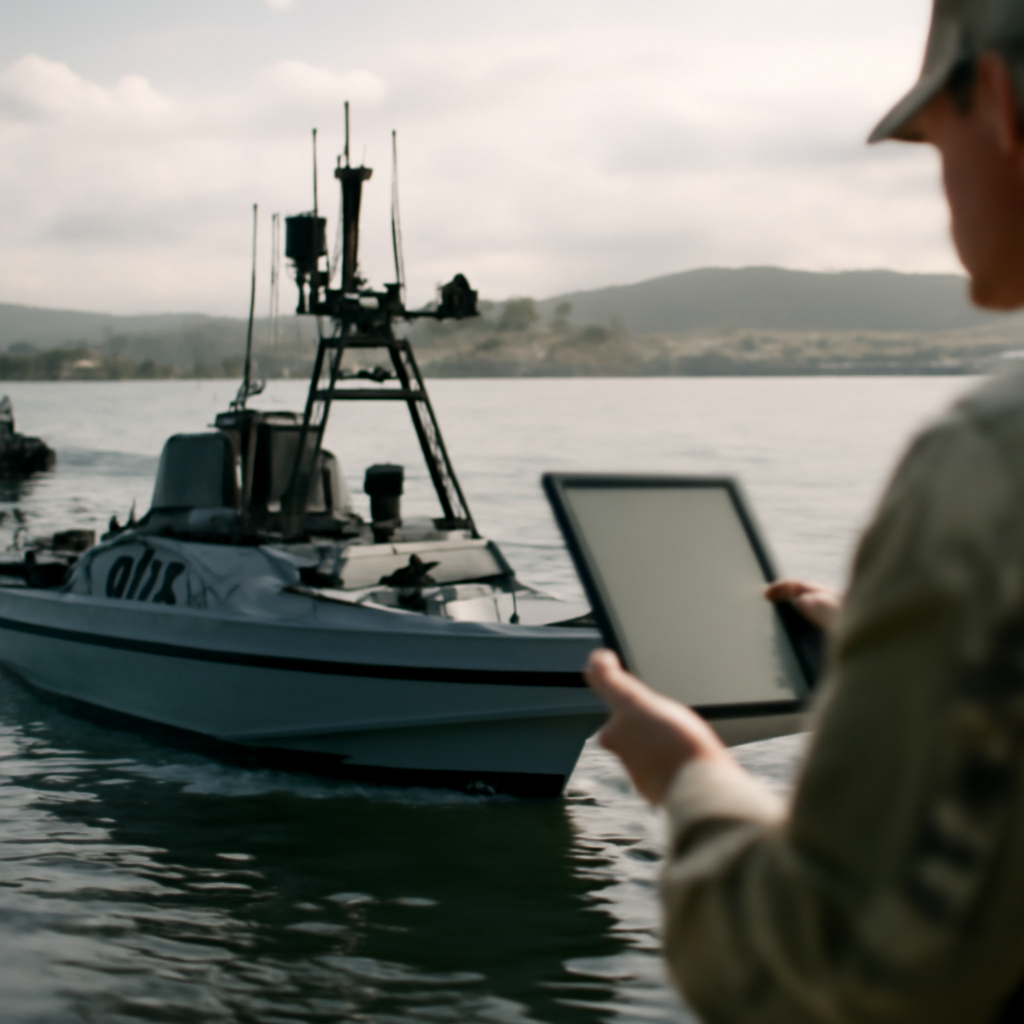
Modern LVC Tools Essential for NAVPLAN Compliance
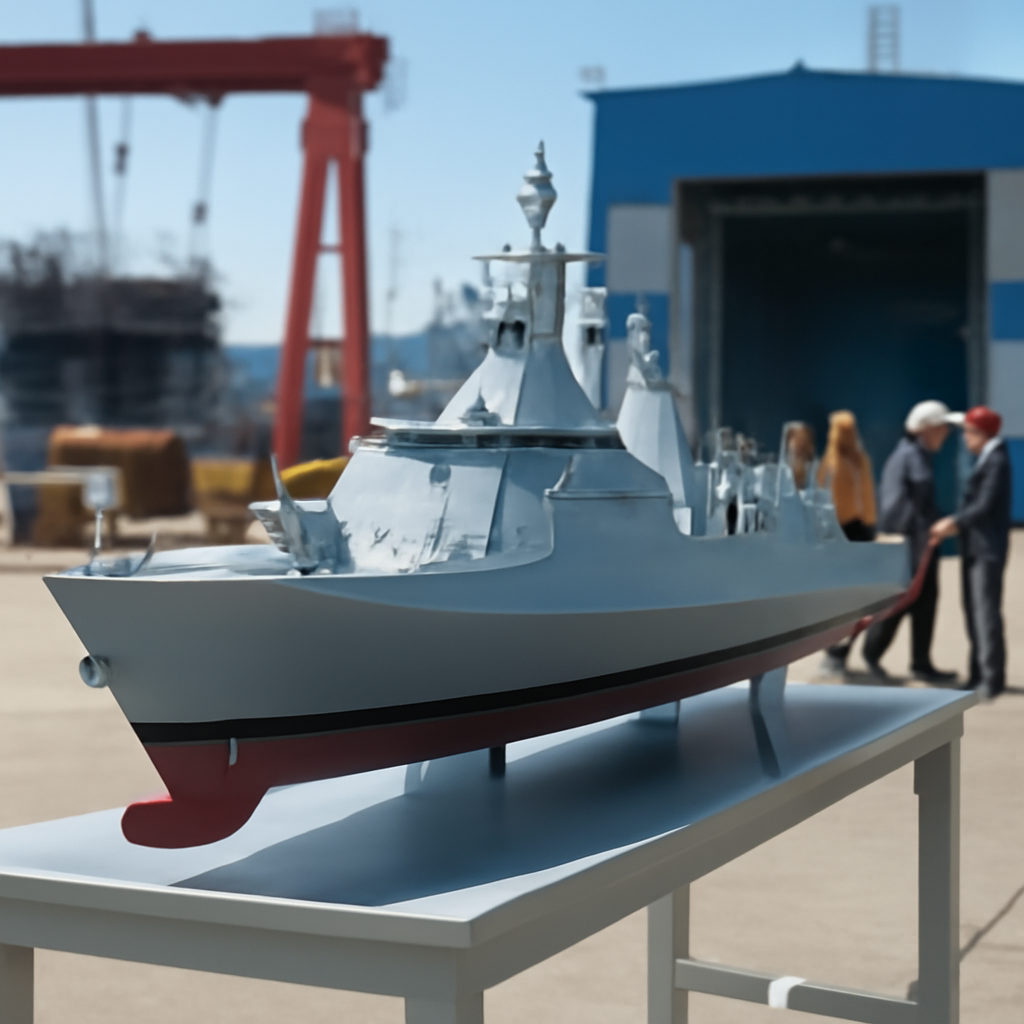
Training for tomorrow’s naval fights requires more than plane-and-range time — it needs LVC: live, virtual and constructive systems stitched together to deliver the reach, realism and repeatability NAVPLAN demands. Federating simulators, live assets and computer-generated forces lets the fleet rehearse complex, distributed missions at scale and keep readiness high without burning endless sorties.

Why Modern LVC Training Is Essential for NAVPLAN Compliance
NAVPLAN requires training that mirrors modern, multi-domain warfare — and Live, Virtual, Constructive (LVC) training is the scalable, lower-risk solution, blending real forces, simulators, and computer-generated scenarios. It expands realistic practice, cuts cost and danger, and helps sailors and aviators stay ready for the fights ahead.

300K MEMS IMUs: Global Shift to Guided Weapons
A thumbnail-sized MEMS IMU is quietly reshaping the battlefield: these tiny sensors can turn cheap rockets and mortar rounds into precision-guided weapons. The global buy of 300,000 units shows militaries are favoring affordable, mass-produced accuracy over sheer volume.

HMDs Close Rotary-Wing Situational Awareness Gap
When a helicopter pilot sees a threat but the crew doesn’t, head‑mounted displays (HMDs) are the game‑changer that puts the same real‑time battlefield picture into every crewmember’s eyes. By fusing sensors, stabilizing visuals, and trimming cockpit chatter, HMDs collapse delays and make rotary‑wing teams faster, safer, and far more effective in contested low‑altitude environments.

U.S. Air Force Adopts ACE to Ready Aircraft for New Threats
Instead of clinging to big, fixed bases, the Air Force is adopting Agile Combat Employment. Think nimble teams, temporary runways, and prepositioned supplies that let aircraft disperse, survive, and strike back in a high-tech, contested battlespace.

How the F-35 Keeps Fighting When GPS Is Denied
GPS jamming won’t ground the F‑35 — Collins Aerospace’s delivery of the 1,000th anti‑jam receiver proves the jet’s layered navigation system can keep it finding its way, fixing targets and staying in the fight even when satellite signals are denied.

Navy to Upgrade Destroyer Radar to Counter China, Russia
Rather than scrap battle-tested Arleigh Burke destroyers, the Navy is retrofitting their radars—from SPY-1 upgrades to AN/SPY-6 installs—to outpace China’s and Russia’s longer-range missiles and advanced sensors and keep these ships combat-ready while new warships are built.

Army Explains Spending Reduction in Modular Handgun Program
Before you assume the Modular Handgun System is dead, know the Army says the modest $6 million in FY2020 reflects procurement pacing and shifting priorities—its a signal, not the whole story.

USMC Deploys Upgraded Portable Forensics Labs
Imagine a patrol that can turn evidence into answers on the spot. The Marine Corps is fielding upgraded portable forensics kits—compact sensors, biometric readers and ruggedized computing—that speed identification, sharpen intelligence and help separate insurgents from civilians in austere environments.

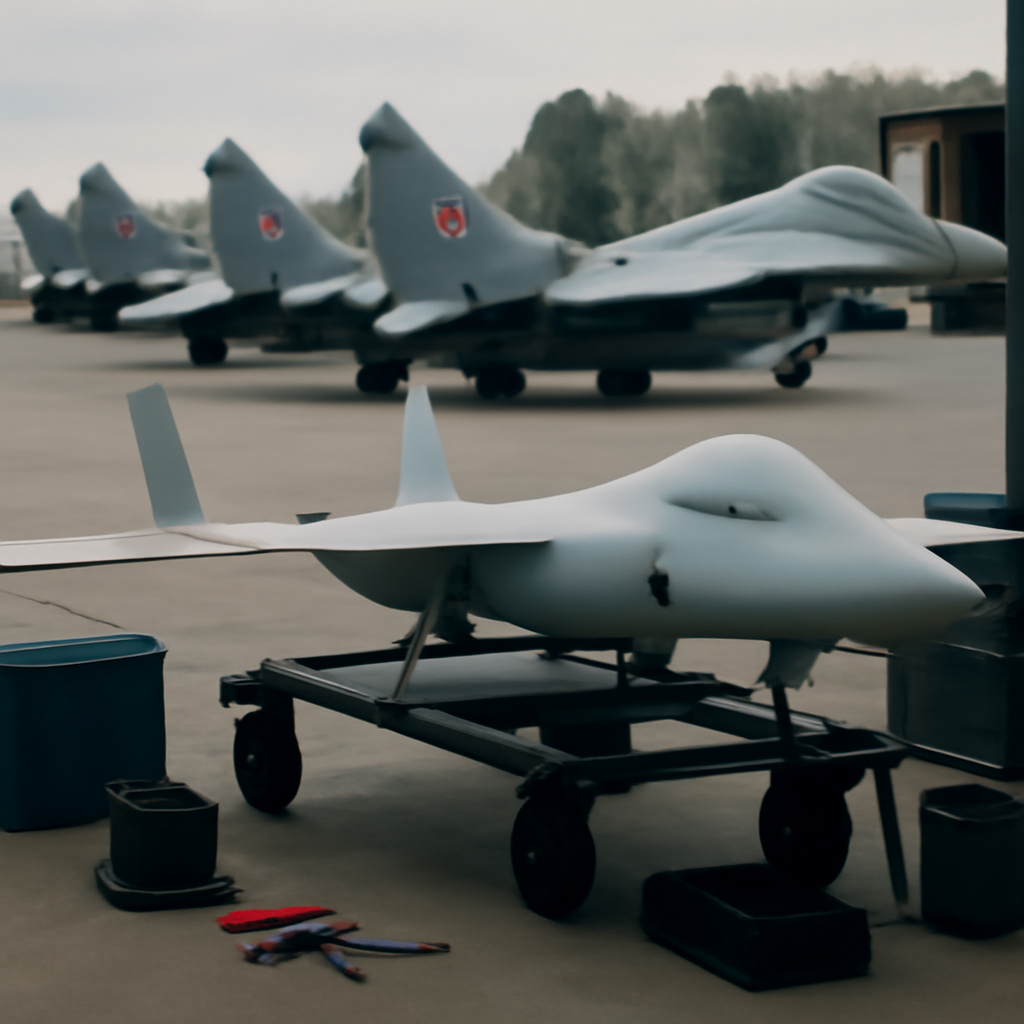
Shield AI Unveils Autonomous VTOL Combat Drone
Shield AI says it has built a jet-powered, runway-free autonomous VTOL fighter — a drone that can launch from ships, forward sites or improvised clearings. If proven, it could slash response times, confound air-defense planning and fundamentally reshape how air power is projected.

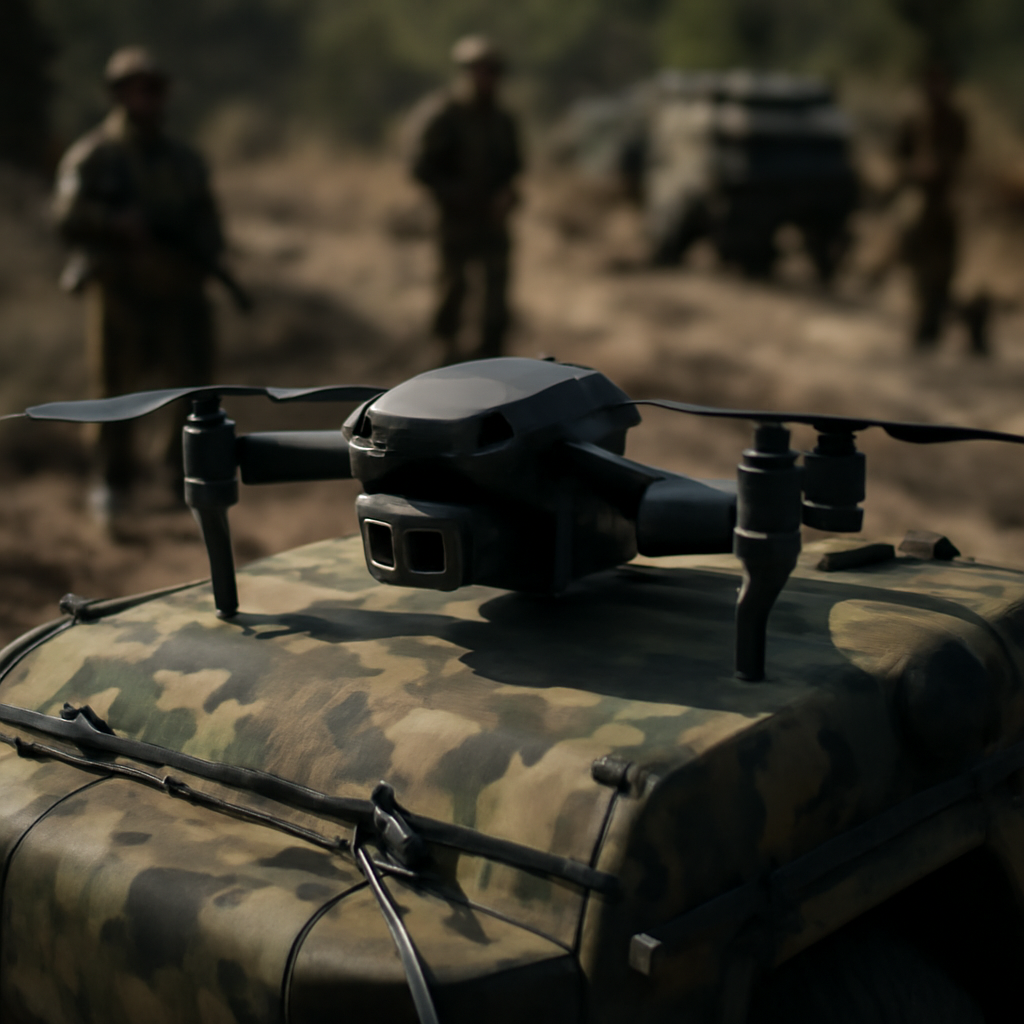
U.S. Army Accelerates AV Use for Drone Interceptor Missile
When enemy drones cost less than the missiles that try to stop them, you need a smarter, cheaper solution. The U.S. Army is fast‑tracking purpose‑built interceptors—tapping AeroVironment to build the Next‑Generation C‑UAS Missile and a Long‑Range Kinetic Interceptor to make airspace denial precise and affordable.

U.S. Army Selects AV for New Drone Interceptor Missile
The U.S. Army has tapped AeroVironment with a $95.9 million award to build a long‑range kinetic interceptor under its NGCM/LRKI program. It’s a concrete step toward turning cheap, garage‑built drone swarms from an overwhelming nuisance into a targetable threat by extending engagement range and reaction time.

U.S. Army Selects AV for Drone Interceptor Missile
When the sky stopped feeling safe, the Army turned to AeroVironment — makers of the Raven and Puma — awarding $95.9M to build a Next‑Gen interceptor missile that brings kinetic punch to stop swarming quadcopters, fast drones and loitering munitions.

Thales, Kongsberg Test New Strike System in Live Trials
Could a troop‑carrying Bushmaster become a sea‑hunter? In Norway Thales and Kongsberg proved it can — firing a Naval Strike Missile from a Bushmaster‑based StrikeMaster to demonstrate a containerised, vehicle‑mounted anti‑ship system that turns a protected mobility vehicle into a nimble, road‑mobile sea‑denial asset.

Thales and Kongsberg Test New Strike System in Live Trials
Think of the trusty Bushmaster with fangs: Thales and Kongsberg just proved a protected land vehicle can launch the Naval Strike Missile in live trials in Norway, showcasing a fast, concealable, networked coastal-strike option. The StrikeMaster demo pairs Australian mobility with a modern NSM seeker to slash reaction times and validate performance under tough, real-world conditions.

Thales, Kongsberg Begin Tests of New Strike System
Imagine the Bushmaster with fangs: Thales and Kongsberg just fired a Naval Strike Missile from a Bushmaster-based StrikeMaster, turning a protected mobility vehicle into a mobile coastal strike launcher. That shift could let Australia disperse anti-ship firepower, complicate enemy targeting and strengthen sea-denial defenses.

Analysis: Details of Russian Iskander Build-Up
When a relatively small number of mobile Iskander launchers suddenly carry at least seven different missile types — from high‑explosive and cluster rounds to ominously labeled “special” warheads — it’s not just more hardware, it’s an operational shift. That wider menu of effects makes targets harder to predict and turns defense and deterrence planning for Ukraine and its Western partners into a much tougher puzzle.

Analysis Reveals Russian Iskander Missile Buildup
Newly surfaced KNDISE files suggest the Iskander‑M now carries at least seven missile variants—from conventional high‑explosive and cluster warheads to vaguely labeled “special” rounds. That widening arsenal could complicate targeting, logistics and the dynamics of escalation on the battlefield.

New Analysis Details Russian Iskander Missile Build-Up
A fresh forensic analysis of battlefield fragments suggests Russia has diversified the Iskander‑M arsenal into at least seven warhead types — from high‑explosive and multiple cluster variants to mysterious special payloads — a change that could widen tactical options for attackers and make defense and arms‑control decisions far harder.

France Tests Next-Gen Missile for Combat Helicopters
France is testing a next-generation missile for combat helicopters — promising smarter targeting, longer range, and a big boost to pilot safety that could reshape battlefield airpower.

Ukraine Strikes Russian Home Base, Troops Killed
A reported Ukrainian strike on a military site in central Stavropol — which Kyiv says killed Russian airborne troops — shatters the sense of safety inside Russia and shows the war reaching far beyond the front lines. More than a tactical hit, the attack targets logistics and morale while testing Moscow’s ability to protect its own territory.

Analysts Break Down Real Cost of Russian Missiles
A new leak of Russian procurement records pulls back the curtain on the real cost of long‑range missiles—unit prices, suppliers and delivery timetables that reveal not just how many weapons were fired, but who pays and how the campaign is sustained. Those details shift the debate from counting strikes to tracking the industrial and economic engine that keeps them coming.

Ukraine begins talks for 100+ Gripen jets
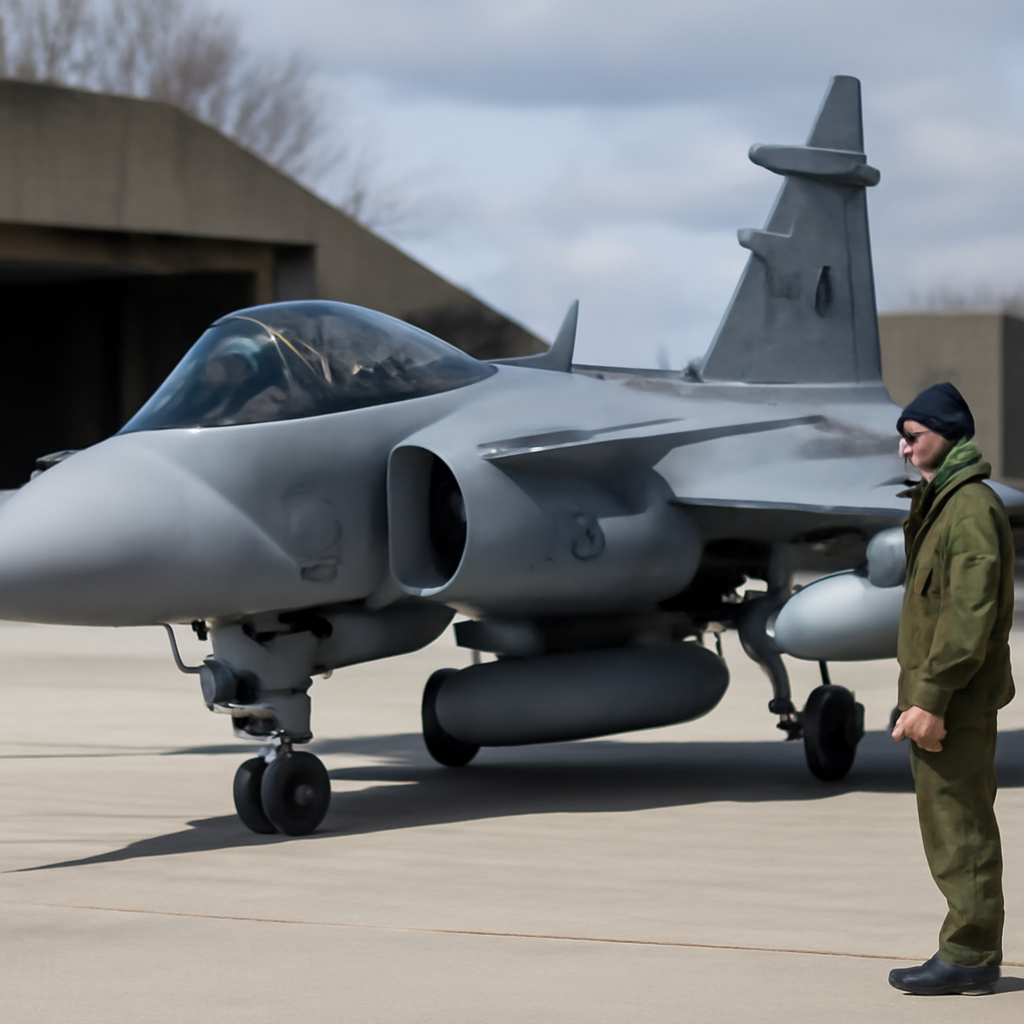
Ukraine has launched talks to buy over 100 Gripen fighters — a bold, potentially game-changing move that could dramatically strengthen its air defenses and reshape regional air power.

Russia Simulates Nuclear Response Amid Rising Tensions
Russia has staged a simulated nuclear response, intensifying global tensions — here’s what happened and why everyone should pay attention.