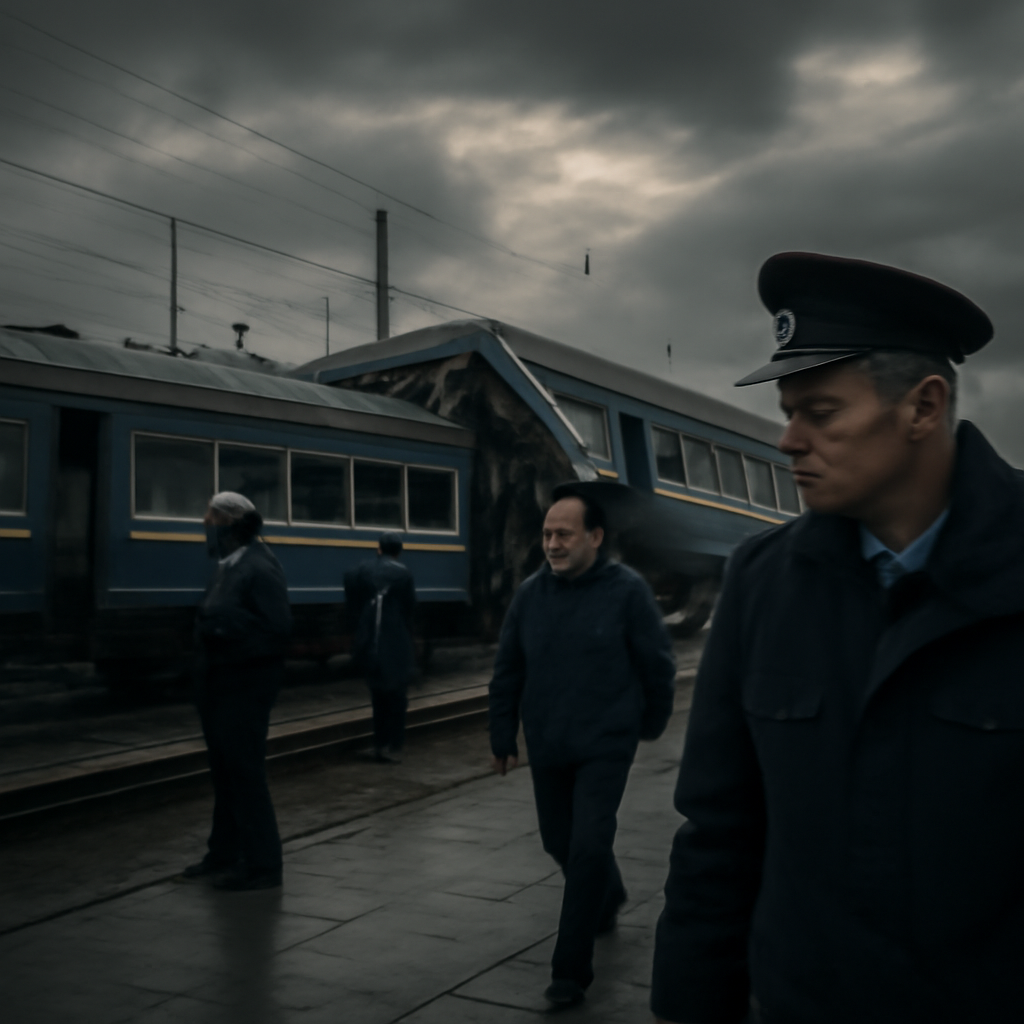
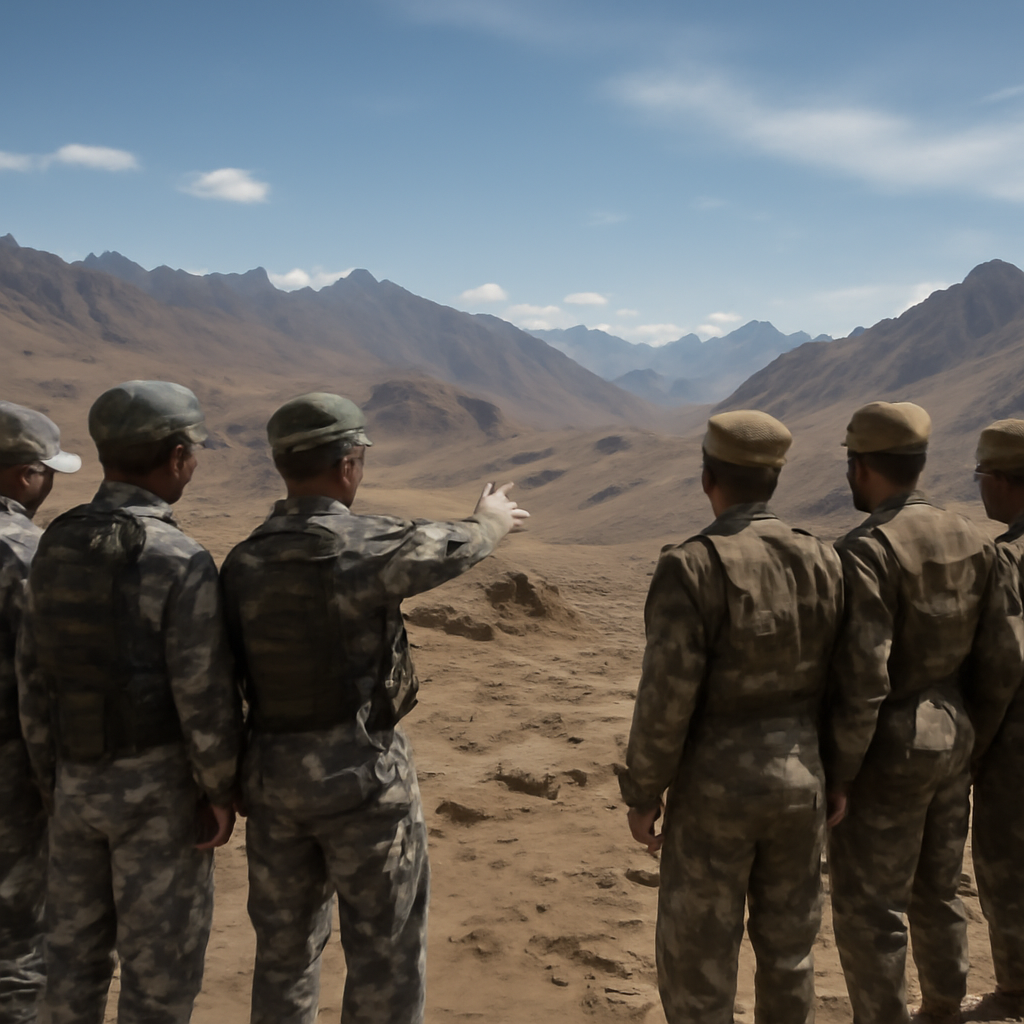
“If you can be struck at home, what is home?” That question, rhetorical and unnerving, hangs over Stavropol after a Ukrainian special operation targeted troops stationed in the Russian city and, according to Ukraine’s military intelligence, killed at least three servicemen of the Russian Airborne Forces near Military Unit No. 54801 at 533 Serova Street.
The incident, reported first by Defence Blog and attributed to Ukrainian military intelligence, marks another episode in a pattern of strikes that have moved beyond the immediate front lines of the Ukraine war. Stavropol lies well inside the Russian Federation; the attack on a central-city military facility is not merely a tactical strike but a strategic signal. Ukraine’s public attribution to its own intelligence services underscores both the reach of Kyiv’s operations and its willingness to bring the fight to Russian soil.
What happened, as available reporting states, was a targeted operation near a known military installation. Ukrainian military intelligence identified the unit and location and reported casualties among members of the Russian Airborne Forces. Russian officials had not immediately confirmed or offered a competing account at the time of the initial reporting, a common pattern in the fog of wartime reporting.
Context matters. Throughout this conflict, Kyiv has incrementally expanded its operational footprint—strikes on logistics, ammunition depots, and infrastructure inside Russia and in regions Russia occupies. Those actions serve several distinct aims: to degrade enemy capabilities behind the front, to deter reinforcements, and to signal vulnerability within Russia’s own borders. For Moscow, such strikes are politically sensitive because they expose gaps in domestic security and can erode the sense of safety that the Russian state seeks to project to its population.
There are multiple layers to why this strike matters beyond the immediate loss of life.
/ Tactical: strikes on rear-area units and logistics points can complicate command and control, slow resupply, and force forces to divert resources to homeland defense rather than frontline operations.
/ Psychological: operations inside Russian cities carry a high symbolic value, undermining the narrative that only Ukrainian territory is at risk and that Russian towns remain safe from the war’s violence.
/ Political: the Kremlin faces difficult messaging choices. Acknowledging attacks may fuel domestic anxiety and criticism; denying or downplaying them risks credibility if corroborating evidence emerges.
From Kyiv’s perspective, operations of this kind have defensive logic. Ukrainian officials have repeatedly argued that striking military targets used to project power against Ukraine is a legitimate act of self-defense. From Moscow’s perspective, such incidents are framed as escalatory and may be used to justify tighter internal security measures, reprisals, or broader operational responses.
Technologists will watch the signature of the strike for clues—what delivery systems were used, the degree of precision, and whether the operation relied on human operatives, long-range strike platforms, or unmanned systems. Each method carries distinct implications for attribution, defense and countermeasures. Policymakers in Kyiv’s Western capitals will weigh the utility of such strikes against the risk of escalation and the diplomatic cost of perceived cross-border operations. For NATO and EU actors, the challenge is managing support for Ukraine while avoiding actions that might broaden the conflict in ways neither side seeks.
Adversaries and neutral observers alike will study the chain of effects. If strikes inside Russia become more common, Moscow could respond by dispersing forces, withdrawing units from vulnerable urban billets, or increasing domestic military deployments—moves that complicate Russia’s operational posture and raise the financial and political cost of the war. Conversely, an unchecked series of high-profile strikes could harden public opinion in Russia and give the Kremlin leeway to pursue harsher measures at home and abroad.
Reliable attribution and evidence remain essential for the international audience to evaluate such claims. Ukraine’s armed forces and intelligence services have sought to provide specifics about targets and outcomes in prior operations; independent verification—through satellite imagery, open-source data, or third-party reporting—adds weight to those claims and helps prevent misinformation. For now, the primary on-the-record attribution comes from Kyiv’s military intelligence, and the incident has been circulated in defense-focused reporting outlets.
There are immediate practical consequences beyond geopolitics. Families of servicemen in Russia may face uncertainty and grief; regional authorities must address civilian safety and local economic disruption; military planners on both sides must reassess force protection protocols. In aggregate, such incidents accelerate the war’s diffusion beyond neat front-line maps and into the everyday geographies of cities once thought insulated.
This episode underscores a persistent wartime reality: modern conflicts increasingly blur the line between front and home. As Ukrainian forces demonstrate operational reach into Russian territory and Russia adapts its defensive posture, the strategic calculus for both capitals will be shaped as much by optics and domestic politics as by military metrics.
Who benefits from such strikes—and who pays the price—depends on the trajectory that both Kyiv and Moscow choose next. Do these operations press an adversary toward negotiation by inflicting cost, or do they harden positions and expand the theater of conflict? The answer may determine not only military outcomes but the lives of civilians and soldiers far from the original battle lines.
Source: https://defence-blog.com/ukraine-blows-up-russian-troops-at-home-base/