[SPONSOREDNUBIVANCE]
Know a small business winging it on security?
No IT department, no security budget, real exposure. Nubivance builds right-sized security foundations for small companies. Send them this.
Send it along
China is revolutionizing its military logistics with a bold bet on artificial intelligence, aiming to transform the way it supplies and supports large-scale operations. By fusing AI with logistics, China seeks to overcome the challenges of sustaining forces under intense pressure.

Echodyne is ramping up production to meet soaring demand for drone radar systems, with a new $40 million manufacturing plant near Seattle set to churn out 30,000 radars annually by early 2028. The company's CEO, Eben Frankenberg, says orders are far exceeding current capacity, driving the need for a five-fold increase in output.

Pakistan is reportedly developing the Fatah-5, a conventional ballistic missile that could be an extended-range iteration of the Fatah-2 family, designed for scale and modularity. This new missile is likely to be an evolutionary upgrade rather than a revolutionary one, similar to Turkey's Tayfun program.

The US bomber deployment to England in support of the Iran conflict has come to an end, with six B-52s departing RAF Fairford in two waves today, marking the conclusion of a forward-deployed bomber presence. Local aviation photographers captured the flights, providing visual evidence of the bombers' departure.

Vantor is revolutionizing its approach, shifting from traditional satellite imagery to cutting-edge spatial intelligence solutions that cater to a diverse customer base, including national security and non-defense government agencies. This strategic overhaul has enabled the company to tap into the growing global demand for advanced spatial intelligence.

A shocking alleged drug network has been uncovered in Japan, involving mailed shipments of LSD to sailors stationed on the USS Ronald Reagan, with investigators tracing the packages from the US to an off-base residence and ultimately to sailors on board. The probe began after a young sailor's tragic death from a fall, with an autopsy revealing LSD in his system.

The Pentagon is shaking up its approach to autonomous systems with a new oversight authority, DRPM-UxS, that will unify drone and counter-drone efforts across air, land, and sea domains. This move aims to bolster the military's competitive edge, with Defense Secretary Pete Hegseth emphasizing that unmanned systems are a strategic priority.

House Republicans faced a major setback as infighting over the defense bill blocked its path to a floor vote, with 14 GOP members defying their party to side with Democrats against a procedural rule. The failed vote now stalls consideration of the fiscal 2027 National Defense Authorization Act.
No IT department, no security budget, real exposure. Nubivance builds right-sized security foundations for small companies. Send them this.
Send it along
On July 1, 2026, President Donald Trump took to the skies on the VC-25B Bridge aircraft, a modified Boeing 747-8i, for its first operational flight as Air Force One, marking a historic milestone. The flight, which carried the callsign "AIR FORCE ONE," soared over Washington, D.C. en route to North Dakota for the Theodore Roosevelt Presidential Library opening.

AWS has launched a game-changing cloud solution, AWS Secret Cloud, designed to empower America's defense industrial base with top-secret capabilities, enabling them to accelerate mission-critical work like never before. This innovative platform allows contractors to run classified workloads securely in the cloud, slashing provisioning time from months to just days.

The Trump administration's budget office is leaving the door open to bolstering the Cybersecurity and Infrastructure Security Agency, but only if Department of Homeland Security Secretary Markwayne Mullin makes a strong case for more staff. OMB Director Russell Vought signaled a willingness to revisit staffing levels, but at a pace and process determined internally.

Sweden is ramping up its support for Ukraine's defense with a game-changing $2.5 billion deal to deliver 16 Gripen E fighter jets, boosting the country's air defense capabilities. The first 16 Gripen C/D jets will arrive in early 2027, with Saab, the manufacturer, set to provide spare parts and pilot training as part of the agreement.

Imagine having your access to a critical AI tool suddenly cut off without warning, simply because a foreign government pulled the plug - that's what happened to Australians when US authorities shut down Anthropic's Claude Fable 5, highlighting the risks of relying on foreign AI models. This abrupt shutdown serves as a stark reminder of the importance of self-reliance in AI to safeguard national sovereignty.

The US is rethinking its $3 billion military aid package to Lebanon's army, with Republican Sen. Jim Risch warning that an era of unconditional support must end, as critics argue the aid hasn't adapted to growing challenges on the ground in two decades.

Ursa Major is revolutionizing hypersonic engine production with its cutting-edge 3D printing technology, enabling the rapid creation of high-performance engines like the Havoc hypersonic missile. This game-changing approach allows for low-cost, high-effect solutions that are nearly impossible for adversaries to track.

In a live-fire exercise at Marine Corps Base Hawaii, Maj. Gen. Valerie Jackson emphasized that forging strong alliances and partnerships is crucial, so that when crisis strikes, partners can seamlessly work together. Interoperability isn't just a goal - it's a practical necessity that could mean the difference in the face of a determined adversary.
Evidence in spreadsheets, controls drifting between audits, frameworks multiplying on flat headcount. Nubivance runs continuous compliance on Rapid7 Cyber GRC - SOC 2, HIPAA, ISO 27001, PCI, CMMC.
End the scramble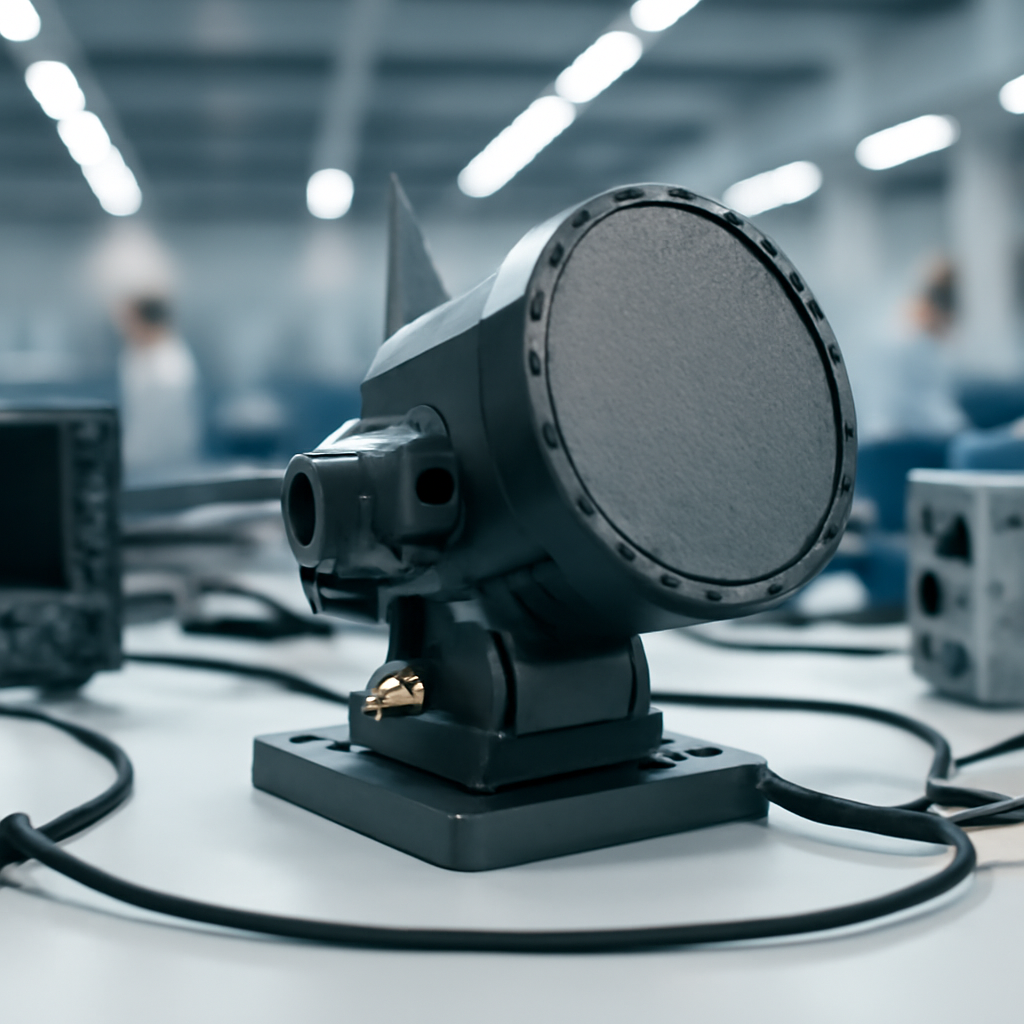
The advanced APG-85 radar system for the F-35 requires a significant boost in cooling power, more than doubling the aircraft's current needs. This crucial upgrade will rely on planned engine enhancements and a sophisticated cooling system, set to arrive in the mid-2030s.

The Pentagon is taking a major step to supercharge its drone program by creating a new role, the autonomy czar, to oversee and centralize its unmanned systems efforts. This move comes as adversaries are producing millions of unmanned systems every year, prompting the need for a more coordinated approach.
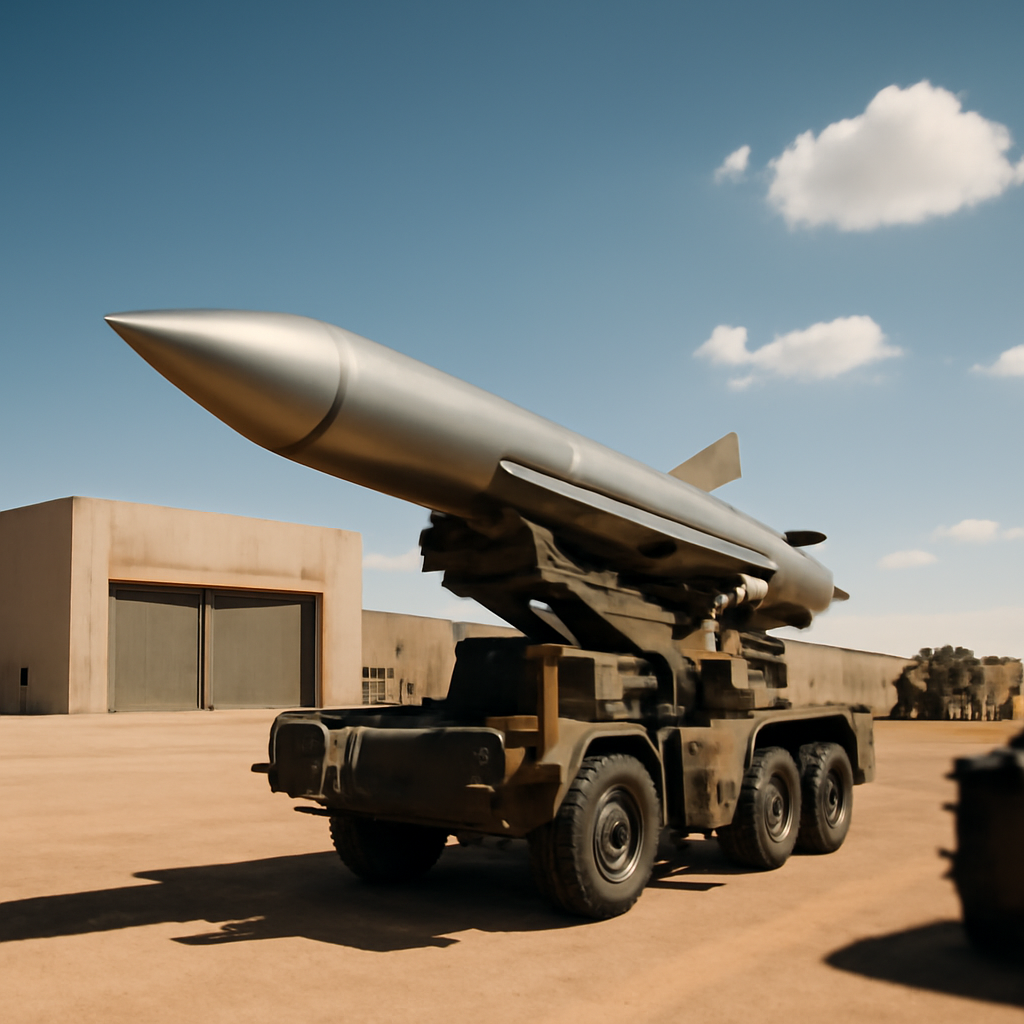
The UAE's impressive air defense network has a glaring gap - a lack of long-range precision strike capabilities, leaving it to rely on subsonic missiles and short-range ballistic options. The BrahMos missile, with its supersonic speed and versatility, could be the game-changer Abu Dhabi needs to bolster its military might.
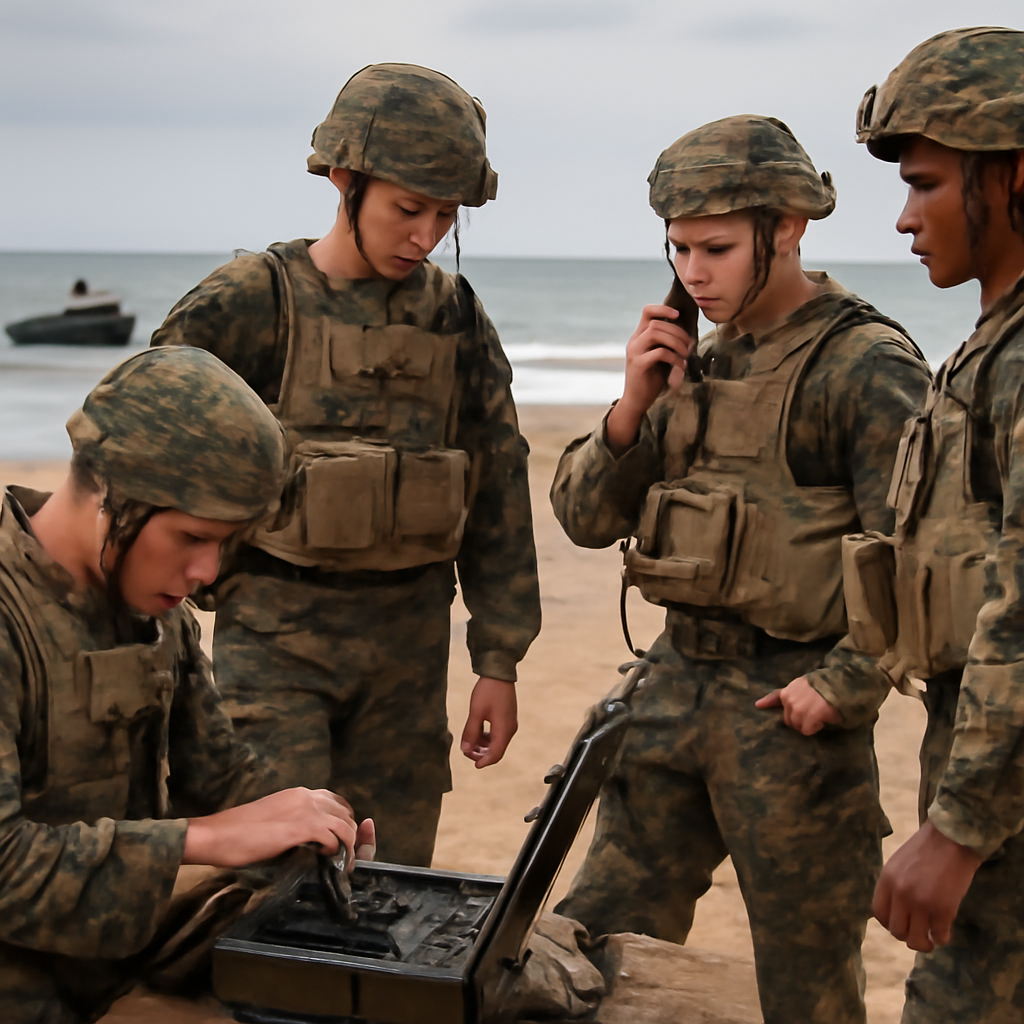
The 3rd Marine Littoral Regiment proved its mettle in a recent Philippine exercise, demonstrating its capabilities in a real-world test that marked a major milestone in its development. Col. Gabe Diana hailed it as a strategic victory, but emphasized that it's just one data point in a journey of continued growth and improvement.

A US Navy MH-60S Seahawk helicopter made an emergency landing in the Arabian Sea, and a search is underway for the one missing crew member after three were safely recovered and are receiving medical care. The incident is being investigated, but there is no indication of hostile action being involved.
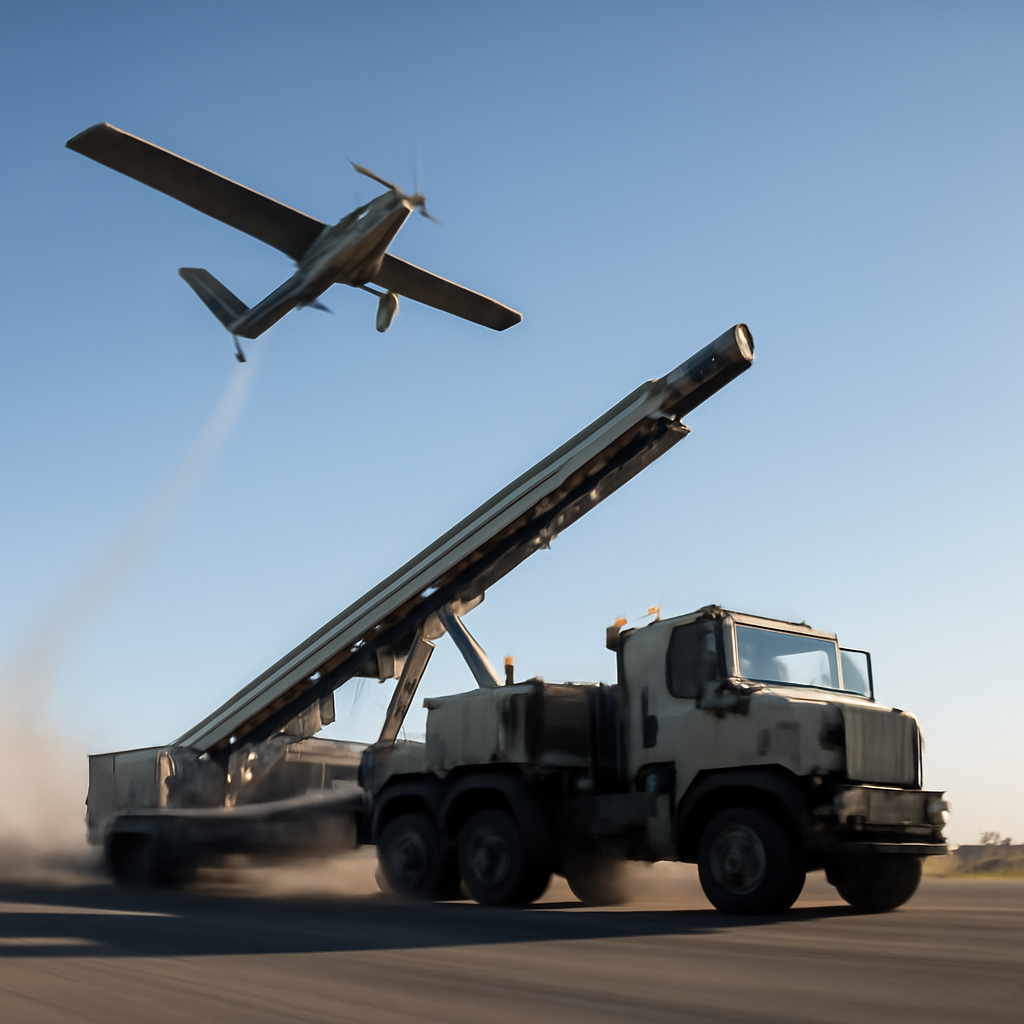
China is taking a giant leap forward with its cutting-edge Electromagnetic Aircraft Catapult, now showcased in action on a mobile, three-truck system that's capable of launching drones and potentially even manned aircraft. The country is even eyeing an ambitious production target of 2,000 of these innovative systems per year.
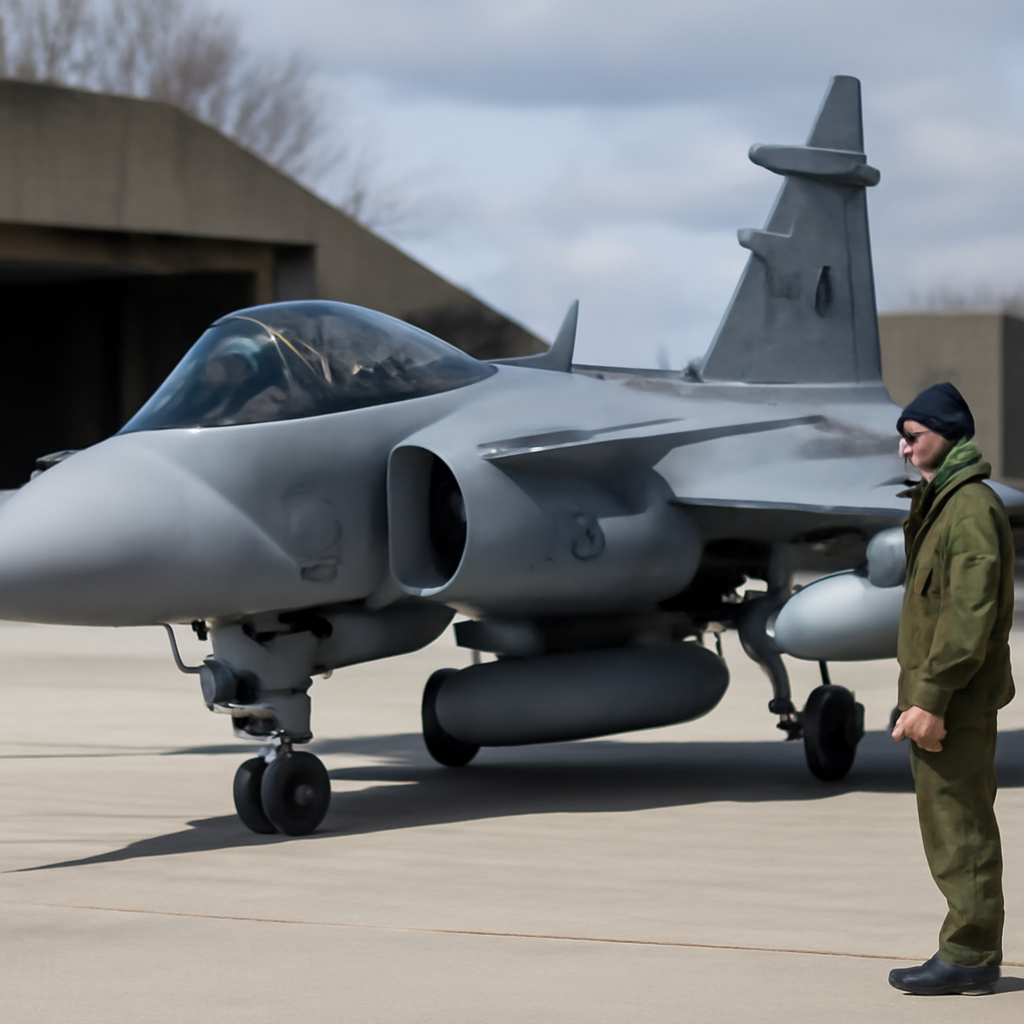
Sweden is taking a powerful stance in support of Ukraine's defense with the provision of 16 cutting-edge Gripen E fighter jets, a game-changing addition to the Ukrainian Air Force's capabilities. This historic deal, valued at approximately $2.5 billion, marks a significant boost to Ukraine's air defense.
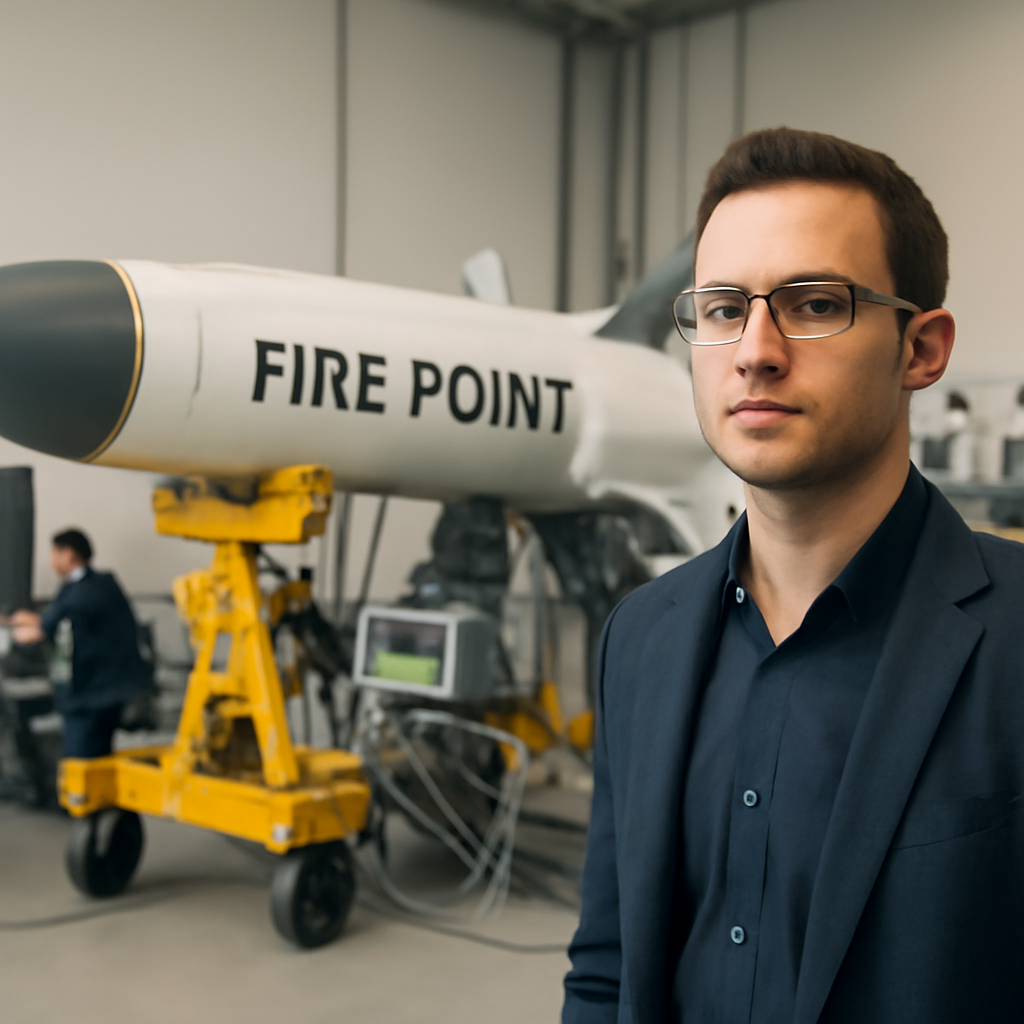
Ukraine's Fire Point is on the brink of a major milestone with its FP-9 Ballistic Missile, having completed all major development work except for engine testing, which is set to happen this month. The company is aiming for flight tests over the summer, with battlefield trials expected by autumn.