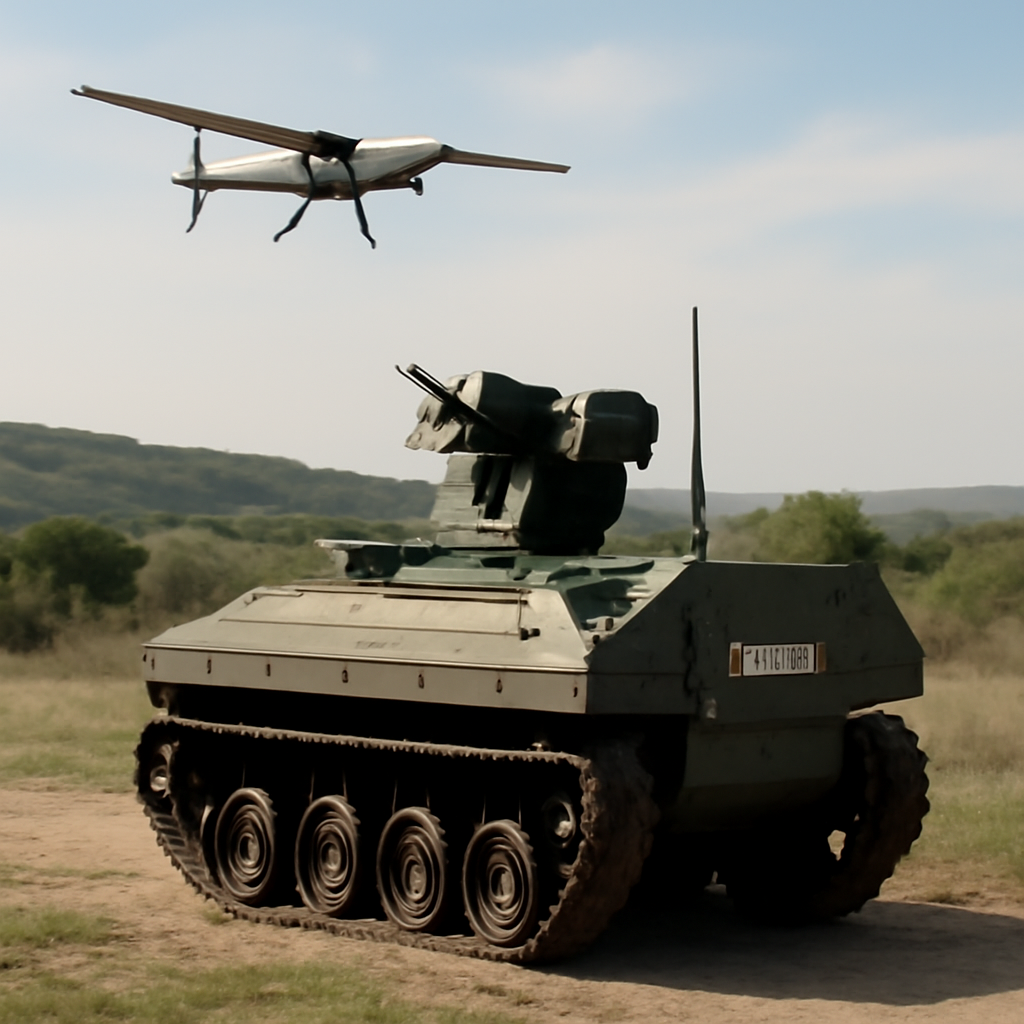
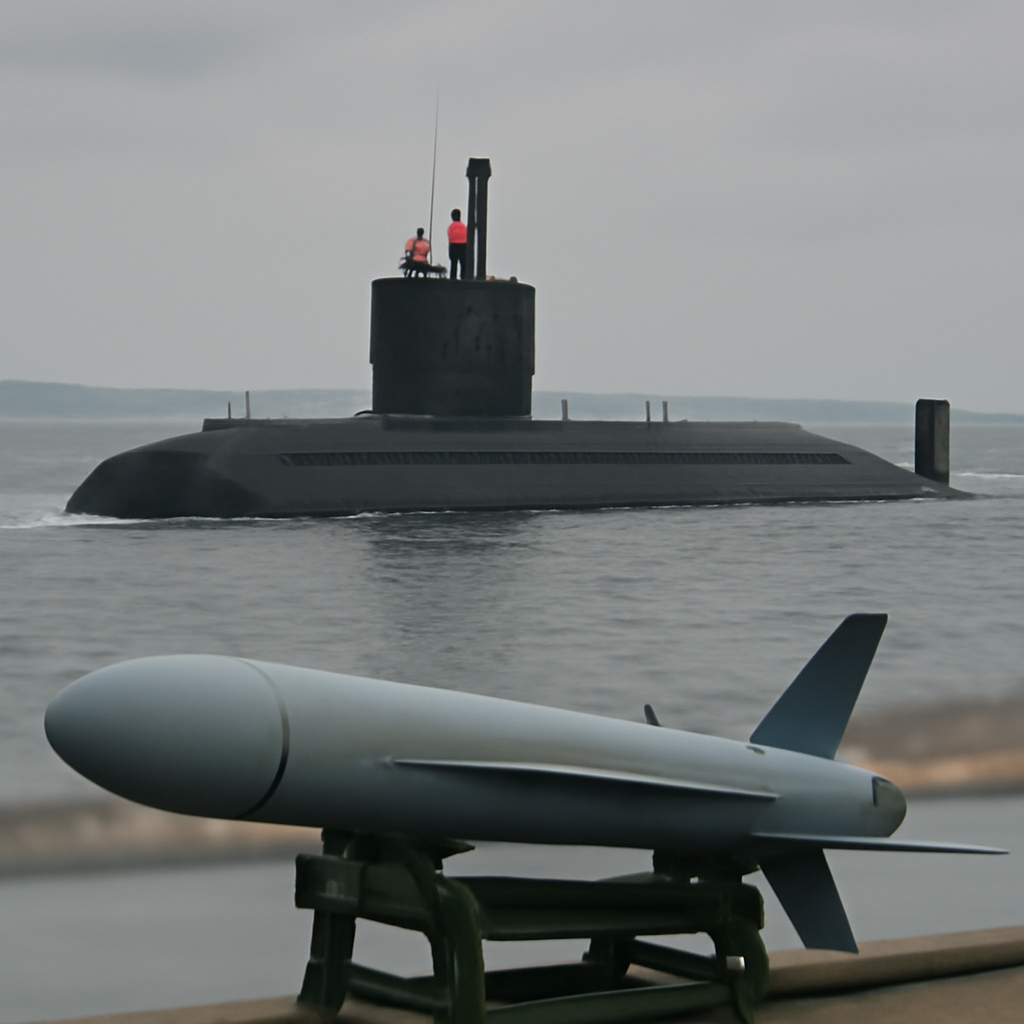
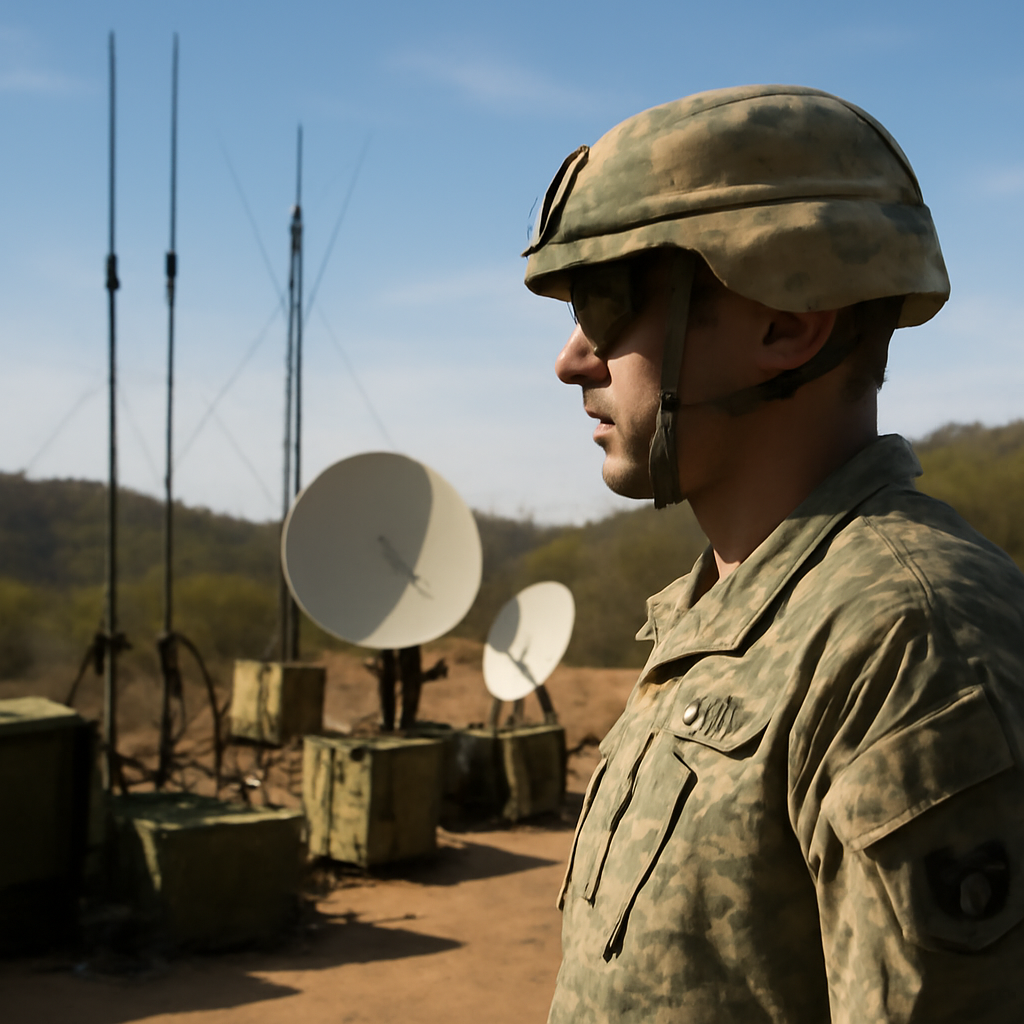
What do you do when the fights you must win tomorrow cannot be rehearsed today with the handful of live sorties and range time you have left? That is the dilemma driving the Navy’s push to fold Live‑Virtual‑Constructive (LVC) systems into everyday aviation training — a move the service’s Naval Aviation Plan (NAVPLAN) effectively makes mandatory if readiness is to keep pace with evolving threats, distributed operations and contested electromagnetic and cyber domains. Modern Battlespace lays this out plainly: marrying live assets, virtual simulators and constructive models is not optional but essential if the fleet is to sustain readiness for high‑intensity conflict .
For decades, naval aviation depended on training measured in flight hours and carrier cycles. That model still matters, but it is no longer sufficient. Adversaries now field integrated anti‑access/area‑denial systems, advanced electronic warfare and networked sensors that cannot be fully replicated by a few aircraft over a test range. NAVPLAN’s prescription is to create continuous, networked, data‑rich training that can rehearse multi‑domain campaign threads across geography, classification levels and services — and LVC is the technology family meant to do it .
At root, LVC blends three complementary worlds: live training with real platforms and instrumentation; virtual training where human operators inhabit high‑fidelity simulators; and constructive training driven by computer‑generated forces and environments. When federated across common protocols, this blend enables a carrier air wing to operate alongside simulators ashore while facing scalable, AI‑driven opposing forces — all in a single, instrumented exercise whose data feed readiness metrics and after‑action analysis .
The operational promise is straightforward and measurable: more frequent, realistic training at lower marginal cost. LVC can expand participant reach without burning fuel and airframe hours, preserve training tempo when assets are forward‑deployed, and generate repeatable, instrumented scenarios for quantifiable readiness assessments — outcomes NAVPLAN explicitly values as it seeks distributed lethality and integrated training across the fleet .
Essential tool categories that NAVPLAN–aligned LVC programs must adopt are both diverse and interdependent: / High‑fidelity full‑mission and part‑task simulators that reproduce cockpit, sensor and helmet‑display cues; / Federated simulation frameworks and standards such as HLA and DIS that permit interoperability; / Synthetic training environments and constructive wargaming engines that model A2/AD effects, EW and cyber; / Secure, low‑latency networks and datalink gateways that bind live and virtual participants; / Cloud and edge compute, digital twins and analytics platforms for rehearsal and performance assessment; / Modernized ranges and instrumentation so live events produce usable telemetry for integrated after‑action reviews; / Cyber and spectrum testbeds to exercise resilience to jamming, spoofing and intrusion .
Technologists see LVC as a problems‑and‑opportunities equation. Open standards and modular architectures reduce vendor lock‑in and accelerate federation, but integration costs and the need for persistent testbeds are real. Modeling fidelity must be validated against live behavior — physics, EM spectrum effects and AI adversaries all require rigorous correlation — and cross‑domain solutions are essential to move classified live data safely into synthetic environments without exposing operations to risk .
Policymakers face an acute budgetary tension. LVC promises long‑term savings by reducing live sortie demands and extending platform life, yet up‑front investments in secure networks, cloud environments, instrumentation and standards are significant. That forces tradeoffs between funding immediate flight hours and building synthetic infrastructure that multiplies training capacity — a choice with strategic consequences if deferred too long .
End users — pilots, aviators, range officers — generally welcome the fidelity and repeatability LVC delivers, but they also demand realism. If a constructive opponent cannot mimic the nuanced behavior of a human red‑team or if an EW model fails to reproduce real jamming effects, training value erodes. The cultural shift to counting synthetic events as part of readiness metrics requires trust in the models, instrumentation and data analytics that support those judgments .
Adversaries, too, will watch this transition closely. A force that can rehearse campaign‑scale operations at scale and pace gains a strategic advantage; conversely, an opponent skilled at targeting the networks and supply chains that underpin LVC could attempt to undermine that advantage. Cybersecurity, resilient architectures and robust cross‑domain guards are thus not ancillary—they are mission‑enabling.
If there is a single, practical imperative here, it is that NAVPLAN’s goals — readiness, distributed operations and integrated training — cannot be met by legacy approaches alone. LVC tools are the multiplier that turns limited live assets into scalable, measurable training capacity, but only if services invest in standards, secure infrastructure, validated models and cultural acceptance of synthetic events as real training. The question NAVPLAN leaves hanging is not whether LVC will be valuable, but whether the political will and budget discipline will arrive in time to make that value real in a contested future. For now, the safer bet is to accelerate the federation of live, virtual and constructive capabilities before the next conflict forces the fleet to learn on the job — at far higher cost.
Source: https://modernbattlespace.com/2025/03/19/embracing-modern-lvc-training-tools-to-meet-navplan-requirements/