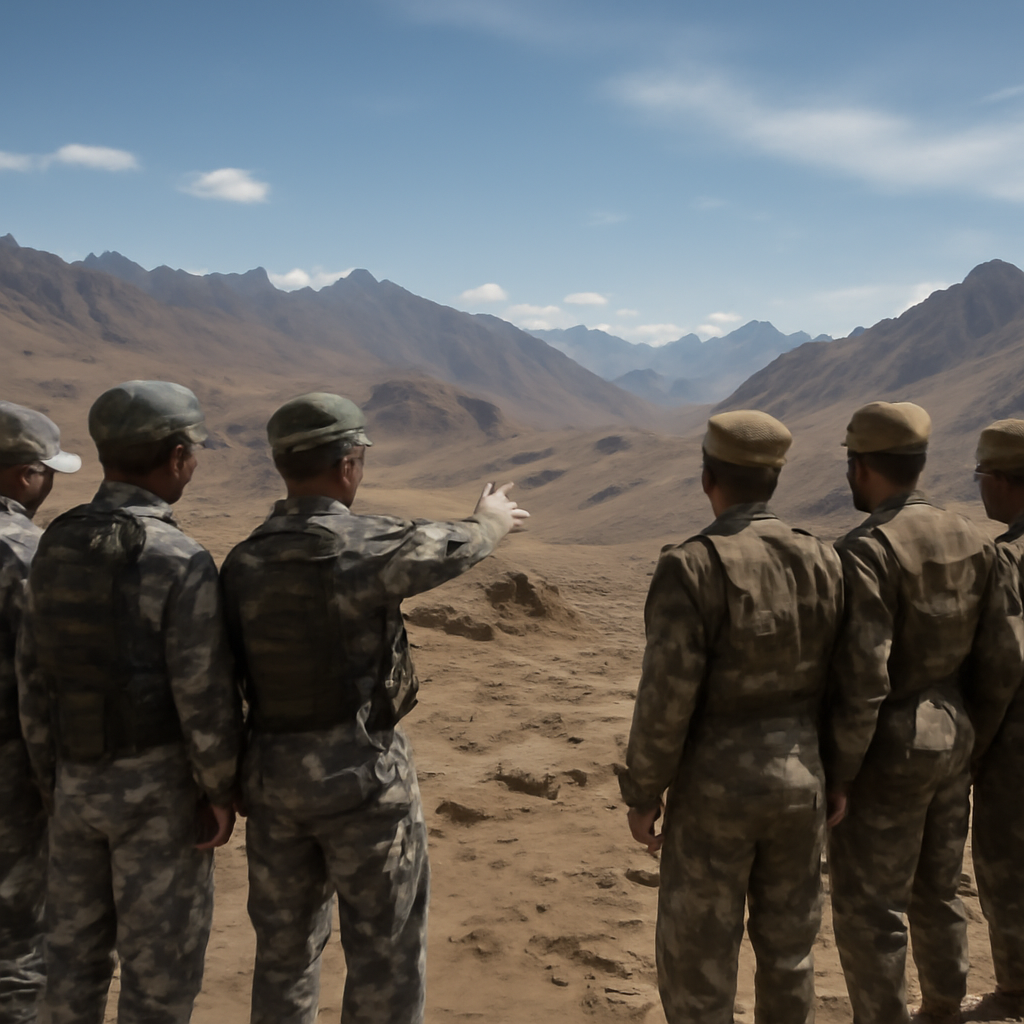
warfighter healthcare is a mission that blends immediacy with moral obligation — a logistical and ethical puzzle that the Department of Defense (DoD) and the Department of Veterans Affairs (VA) must solve simultaneously. How do you keep those currently in harm’s way medically ready while also guaranteeing long-term, high-quality care for the people who have already borne the burdens of combat? The answer matters not only to service members and veterans, but to families, communities, and the nation’s broader ability to mobilize and sustain military power.
H2: warfighter healthcare — background and dual missions
The United States sustains two distinct but interlinked healthcare responsibilities. The DoD must ensure operational readiness: medical screening, trauma care, preventive medicine, mental health support, rehabilitation, and medical readiness reporting that keep units deployable. The VA has a statutory and moral obligation to provide comprehensive benefits and long-term healthcare for veterans, including everything from primary care and specialty treatment to disability compensation and caregiver support.
Both systems are large and complex:
– The DoD operates a worldwide network of military hospitals, clinics, and medical personnel embedded in operational units.
– The VA runs one of the largest integrated healthcare systems in the country, with hundreds of medical centers and outpatient clinics across all 50 states.
These parallel systems sometimes complement each other — for example, through Transition Assistance Programs that connect separating service members to VA benefits — but they also introduce discontinuities in care, data fragmentation, and administrative complexity that can produce gaps for patients at critical moments.
H3: Current situation — capacity, integration, and innovation
Both departments have pursued reforms and modernization efforts in recent years.
Health system capacity and access
– The VA expanded telehealth dramatically during the COVID-19 pandemic; a 2021 VA report showed a surge in virtual visits that increased access for rural veterans.
– The DoD has invested in forward-deployable trauma systems and battlefield medicine training to reduce mortality and morbidity in combat zones.
Data interoperability and electronic health records
– Interoperability remains a persistent challenge. The DoD and VA historically used different electronic health record (EHR) systems, complicating seamless records transfer. Congress mandated improved integration after high-profile failures to share critical medical information.
– The MHS GENESIS EHR rollout for the DoD and the VA’s ongoing Cerner-to-VA Enterprise Health management efforts have been costly and contentious. Government Accountability Office (GAO) reports have highlighted schedule delays, cybersecurity concerns, and the importance of achieving functional interoperability to protect continuity of care.
Mental health and rehabilitation
– Suicide prevention, PTSD, traumatic brain injury (TBI), and long-term musculoskeletal injuries are persistent problems. The VA reports that mental health services demand remains high, and DoD readiness assessments account for psychological as well as physical fitness.
– Advances in prosthetics, regenerative medicine, and rehabilitation technologies have improved outcomes, but widespread access and timely delivery remain concerns.
Workforce and readiness
– Both the DoD and the VA face workforce challenges: recruiting and retaining qualified clinicians, adapting to shifting force posture overseas, and ensuring providers are trained for both civilian-like primary care and the unique clinical demands of combat medicine.
H2: Why warfighter healthcare matters — implications and consequences
Operational readiness
– If service members are not medically ready, units cannot deploy effectively. The RAND Corporation and other defense analysts have linked medical readiness directly to force availability and mission success.
Fiscal and moral stakes
– The VA’s obligations carry long-term fiscal implications: disability compensation, lifetime healthcare, and caregiver support can span decades. Failure to provide adequate care creates moral and political costs, eroding public trust.
Population health and community impact
– Veteran health needs affect local health systems, economies, and families. Rural communities can be disproportionately affected due to limited access to specialty care.
National security and resilience
– Adversaries closely study U.S. military vulnerabilities. A force hampered by preventable health problems is strategically weaker. Conversely, a robust and well-cared-for military health system is a deterrent multiplier.
H3: Perspectives — technologists, policymakers, providers, and patients
Technologists
– Health IT vendors and government technologists emphasize secure, standards-based interoperability. The goal is not only to exchange data but to make it clinically usable at the point of care.
– Cybersecurity is a central concern: medical records are valuable targets, and both DoD and VA systems must withstand sophisticated threats.
Policymakers
– Congress and the Executive Branch balance competing priorities: defense readiness, veterans’ benefits, and constrained budgets. Bipartisan pressure has produced legislative mandates for better transition care and interoperability, but differences in implementation approaches persist.
Clinicians and healthcare leaders
– Providers on both sides of the aisle call for streamlined administrative processes, stable funding for recruitment and retention, and investments in training that reflect modern warfare’s medical challenges.
Warfighters and veterans
– Patients seek continuity, timeliness, and dignity. Delays in care, lost records, or fragmented treatment can have life-altering effects — from untreated mental health conditions to delayed prosthetic fittings.
Adversaries
– While not direct stakeholders in U.S. healthcare, adversaries benefit strategically if American military readiness is degraded. Cyber actors have targeted defense and health systems globally, seeking disruption and intelligence.
H2: key challenges and opportunities in warfighter healthcare
Challenges
– Fragmented records and incomplete interoperability between DoD and VA systems.
– Workforce shortages and uneven access in rural or deployed contexts.
– Rising demand for mental health and long-term rehabilitative services.
– Budget constraints and programmatic complexity that slow reforms.
Opportunities
– Telehealth and remote monitoring to extend specialty care to deployed or rural patients.
– Artificial intelligence and data analytics for predictive readiness and personalized treatment pathways.
– Cross-departmental partnerships and shared clinical pathways to smooth transitions from active duty to veteran care.
– Investment in forward trauma care and rapid evacuation capabilities that save lives on the battlefield and reduce long-term disability.
H3: policy levers and practical steps
– Prioritize interoperable health information exchange using open standards (FHIR, HL7) and verified identity management to ensure clinical data follows the patient.
– Invest in the workforce: loan repayment, targeted recruitment, retention incentives, and joint DoD–VA training programs.
– Expand telehealth and mobile health platforms, particularly for mental health and specialty consults.
– Strengthen public–private partnerships for advanced prosthetics, regenerative medicine, and medical logistics.
– Implement continuous evaluation using independent oversight (e.g., GAO) and veteran-centered feedback loops to measure outcomes, not just outputs.
Conclusion
Delivering healthcare to the nation’s warfighters and veterans sits at the crossroads of readiness, morality, and national resilience. The work requires more than technology or budgets alone; it needs coherent strategy, accountable implementation, and a relentless focus on the patient journey from enlistment to retirement and beyond. If the country succeeds, medical readiness will be an enabler of deterrence and a guarantee that service never ends at the moment of discharge. If it fails, the costs will play out in disrupted units, frustrated families, and a weakened social compact. Which path will leaders choose when the next crisis tests both our medical systems and our national commitments?
Source: https://governmenttechnologyinsider.com/delivering-healthcare-to-the-warfighter-and-veteran/