Defense Tech

manned-unmanned teaming: Must-Have, Risky Future

manned-unmanned teaming: Must-Have, Risky Future

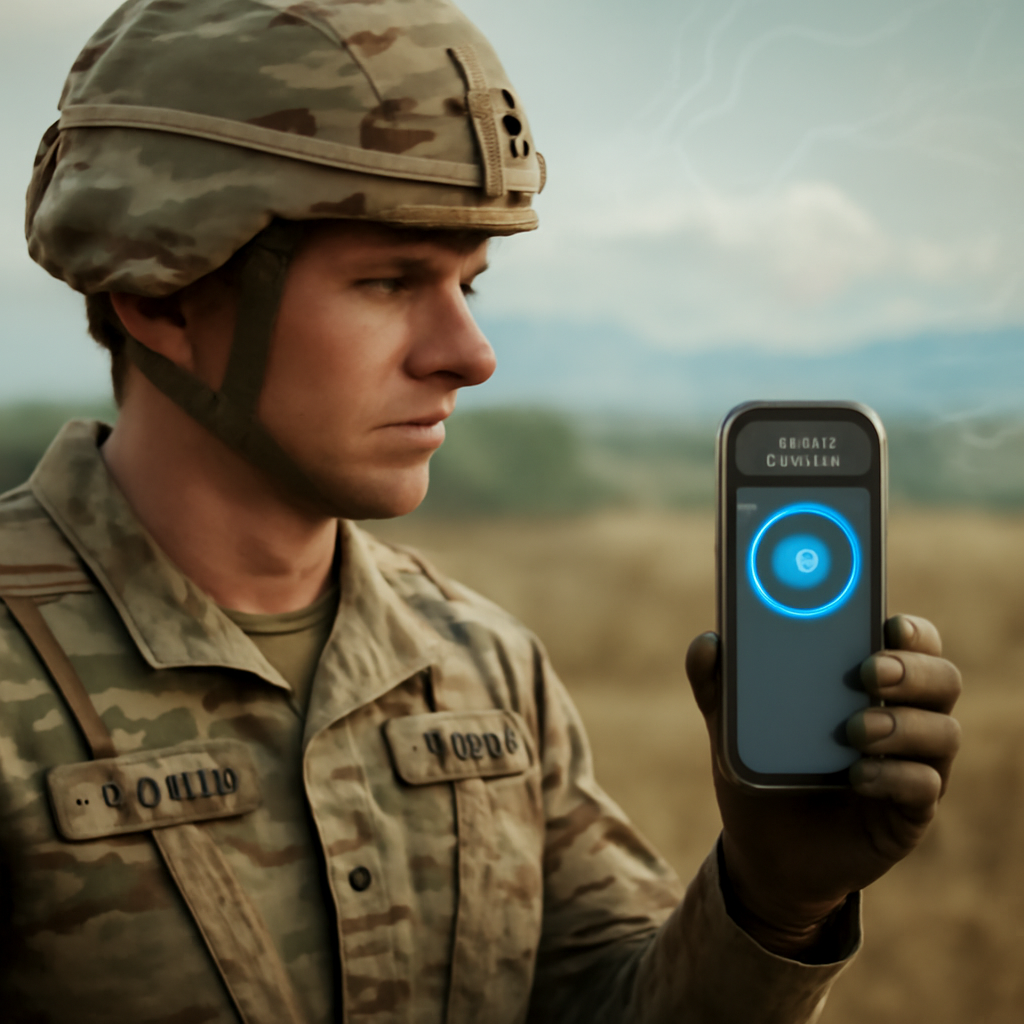
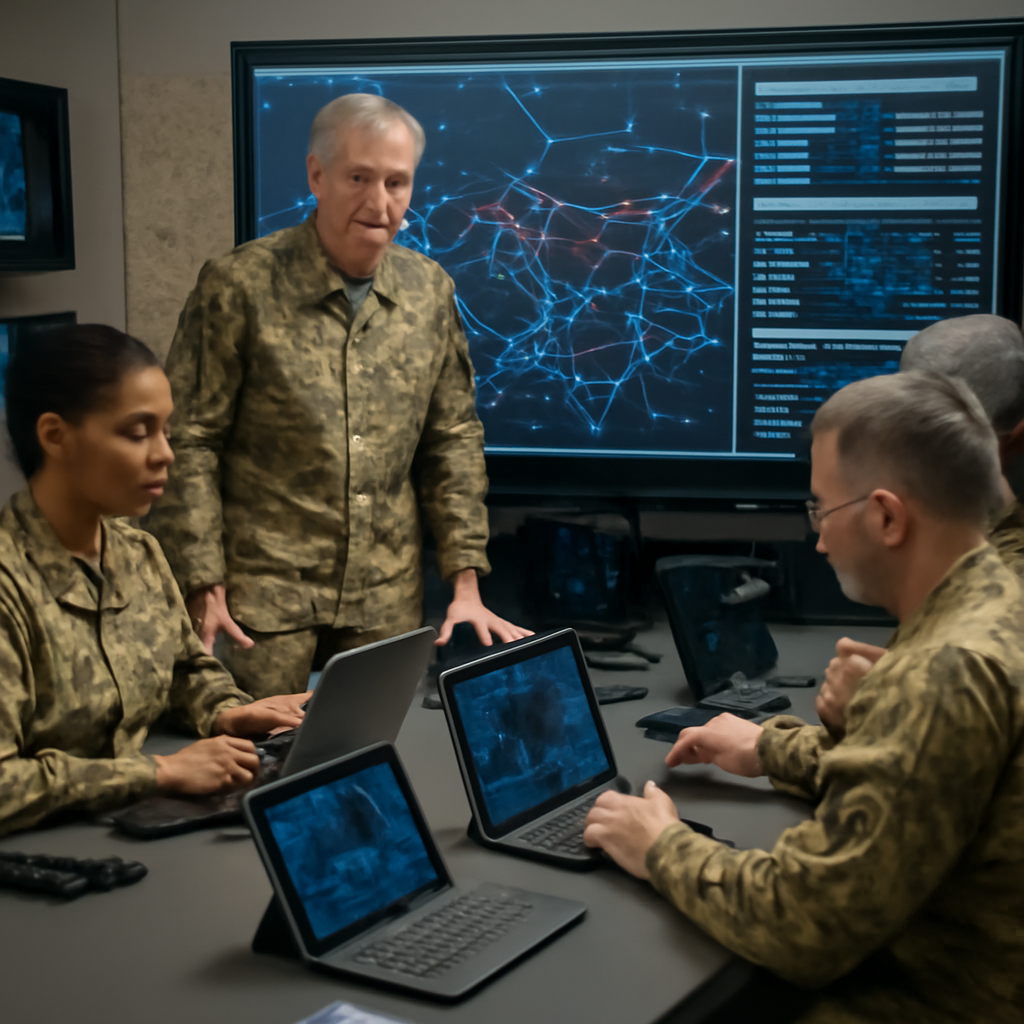
Picture a soldier stepping ashore while drones and robots weave a single tactical picture into their helmet—manned‑unmanned teams could soon boost reach and protect troops across the Pacific, but they also raise tough challenges in communications, AI reliability, logistics, and the ethics of who pulls the trigger.

Analyst 207
Integrated Battle Command System: Stunning Best Defense Aid

Integrated Battle Command System: Stunning Best Defense Aid

Northrop Grumman says its IBCS upgrade can stitch sensors and shooters into one smart brain—cutting expensive, wasteful anti-missile salvos and stretching logistics while keeping soldiers safer. But that efficiency brings hard choices: centralizing decisions can save billions and improve defenses, yet also creates new cyber, trust and sovereignty risks that allies and commanders must reckon with.

Analyst 207
Integrated Battle Command System: Must-Have, Best Saver

Integrated Battle Command System: Must-Have, Best Saver

What if the answer to missile saturation isn’t more interceptors but a smarter brain that makes each shot count? Northrop Grumman’s Integrated Battle Command System fuses sensors and shooters into one coherent picture to cut wasted launches, stretch magazines, and lower costs—if the network is hardened and trusted under fire.

Analyst 207
Futuristic missile launcher on rugged coastline with massive wave crashing in foreground at dusk.

Typhon launcher: Stunning, Risky Maritime Gamechanger

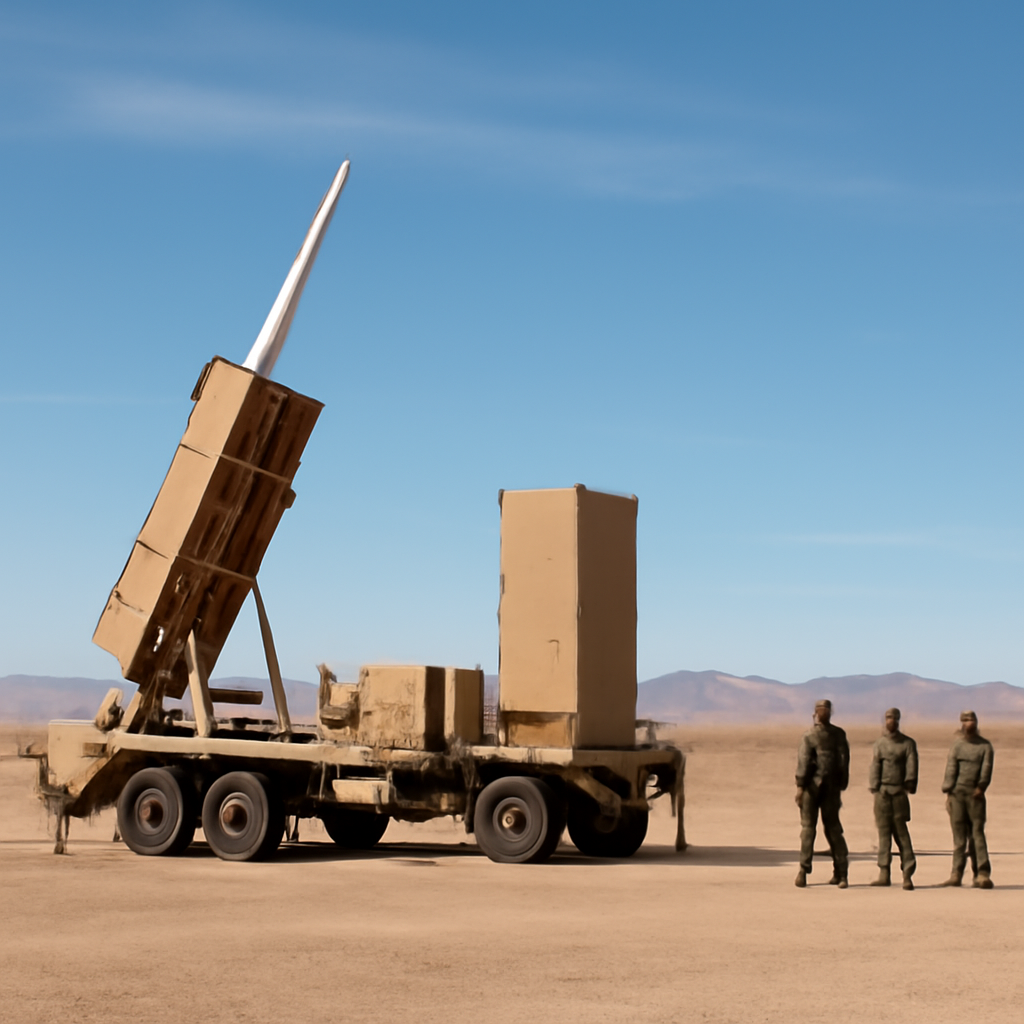
This summer the U.S. Army surprised many by using its new Typhon launcher to strike a maritime target in the Pacific—an operational shot at Talisman Sabre that signals a bold shift toward land‑based fires shaping outcomes at sea and forcing rivals to rethink how they defend maritime space.

Analyst 207
Futuristic missile launcher stands alone on rugged cliffside edge overlooking serene moonlit ocean at dusk.

Typhon launcher: Stunning Strategic Shift, Risky Edge

In a Pacific first, the Army’s new Typhon launcher fired on a ship during Talisman Sabre, signaling that land-based long-range fires are now a real maritime threat. That milestone could reshape how allies coordinate, deter adversaries, and manage the risks of shared strike capabilities at sea.

Analyst 207
attack drones: Must-Have School for U.S. Dominance

attack drones: Must-Have School for U.S. Dominance

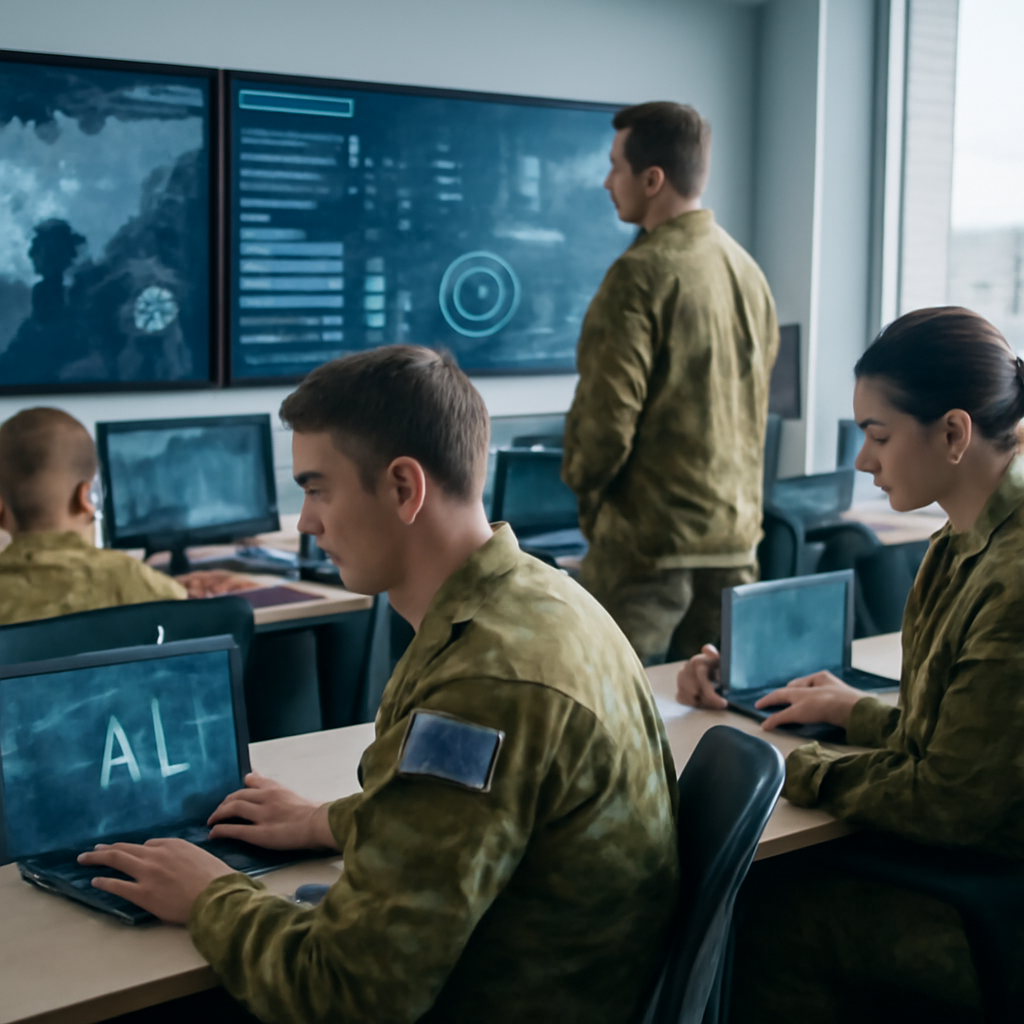
Think Top Gun—but for cheap, nimble attack drones: the Pentagon is creating a hands-on school to turn Ukraine’s gritty drone tactics into formal doctrine, training, and interoperable tools for U.S. and allied forces.

Analyst 207
Ukraine-style attack drones: Must-Have, Risky Advantage

Ukraine-style attack drones: Must-Have, Risky Advantage

The Pentagon wants to turn Ukraine’s gritty, make-do drone tactics into a repeatable advantage with a “Top Gun” style school teaching pilots, maintenance crews and commanders how to field small attack drones—yet translating battlefield improvisation into doctrine will demand fixes to policy, logistics and ethics as much as curriculum.

Analyst 207
head-mounted displays: Must-Have Best Warfighter Tech

head-mounted displays: Must-Have Best Warfighter Tech

On the battlefield, the best head‑mounted displays don’t win by flash alone — they must deliver clear, timely, and secure information that helps soldiers survive and decide under fire. Demand real-world performance, interoperability, cyber hardening, and user-centered sustainment, because a helmet is only as good as the system behind it.

Analyst 207
modern C2 centers: Must-Have Resilience for Victory

modern C2 centers: Must-Have Resilience for Victory

As battlefields blur and speed trumps certainty, modern C2 centers face three urgent hurdles: turning overwhelming, messy data into rapid, trustworthy decisions; staying resilient when networks and sensors are jammed or hacked; and knitting multinational, misaligned systems into a single, trusted command. Solving them will mean smarter tech, tougher doctrine, and real-world drills that bind militaries, industry and allies together.

Analyst 207
C2 centers: Must-Have Resilience for Best Survival

C2 centers: Must-Have Resilience for Best Survival

When the map is incomplete, radios go quiet, and drones, jammers and deception probe your nerve centers, modern C2 centers face three linked challenges—information overload and trust, contested communications, and coalition interoperability—that will decide whether commanders can see, decide and act faster than the enemy. The Ukraine war shows we must prioritize explainable data fusion, layered resilient comms, and federated interoperability now, or risk losing the advantage on tomorrow’s battlefields.

Analyst 207
Joint Simulation Environment Exclusive: SPARTA Best Boost

Joint Simulation Environment Exclusive: SPARTA Best Boost

Collins Aerospace’s SPARTA will bring a deployable, high-fidelity E-2D trainer into the Joint Simulation Environment in summer 2025, letting crews rehearse carrier-based command-and-control missions ashore or afloat with realistic sensor, datalink and EW effects. That scalable, repeatable capability boosts readiness and trims flight hours—so long as model fidelity, secure networks and tough injects keep training honest.

Analyst 207
MEMS IMUs: Must-Have Precision, Risky Consequences

MEMS IMUs: Must-Have Precision, Risky Consequences

A $50 MEMS IMU turning a $50,000 weapon into a pinpoint munition forces us to rethink deterrence, escalation, and the rules of engagement. Buying 300,000 of these tiny sensors makes precision pervasive — reshaping tactics, supply chains, and policy in ways both stabilizing and risky.

Analyst 207
LVC tools: Must-Have Best Practice for Readiness

LVC tools: Must-Have Best Practice for Readiness

What if pilots could rehearse tomorrow’s high‑end fights today—seamlessly combining live jets, high‑fidelity simulators and computer‑generated forces? LVC tools stitch those elements together to boost readiness, cut costs and enable distributed, repeatable training—if services invest in standards, secure networks and validated scenarios to keep it real and safe.

Analyst 207
Agile Combat Employment: Essential & Risky Shift

Agile Combat Employment: Essential & Risky Shift

Can a force built for big bases learn to fight from improvised strips under missile, cyber, and electronic attack? Agile Combat Employment (ACE) answers with small, mobile teams, palletized maintenance, and decentralized command to make aircraft harder to find, faster to move, and far more resilient in a contested world.

Analyst 207
MEMS IMUs Must-Have: Best Precision Weapon Upgrade

MEMS IMUs Must-Have: Best Precision Weapon Upgrade

Tiny, cheap MEMS IMUs are quietly transforming battlefields by turning unguided rounds into precision weapons at scale, letting militaries retrofit arsenals affordably and strike faster with fewer shots. That boost in accuracy can reduce collateral damage—but it also raises supply-chain, proliferation, and ethical risks that demand thoughtful policy and training.

Analyst 207
F-35 GPS denial: Must-Have Resilience Boost

F-35 GPS denial: Must-Have Resilience Boost

Collins Aerospace’s delivery of the 1,000th anti‑jam GPS receiver for the F‑35 is a big, practical win in the race to keep pilots and weapons on target when satellites go silent. It’s a crucial step toward resilient navigation—but real safety will come from layered tech, training, and fast integration across the fleet.

Analyst 207
E-2D simulation: Stunning Must-Have Readiness Boost

E-2D simulation: Stunning Must-Have Readiness Boost

Sims at Sea put realistic E-2D training right on carriers so crews can rehearse sensor-driven missions in the same shipboard rhythm they’ll face in combat. The result: faster qualifications, fewer logistics headaches, and steadier readiness while deployed.

Analyst 207
E-2D simulation Must-Have: Best Readiness Win

E-2D simulation Must-Have: Best Readiness Win

When the E-2D became mission-essential but too scarce for routine training, the Navy raced a carrier-ready simulator aboard using modular hardware, containerized software and nonstop sailor feedback. The result: realistic at-sea rehearsals that save flight hours, sharpen tactics, and get crews ready faster.

Analyst 207
improved radar capabilities: Must-Have, Best Defense Boost

improved radar capabilities: Must-Have, Best Defense Boost

The Navy is giving aging destroyers a high-tech eyesight upgrade—modernizing radars with smarter software and electronics to spot stealthy missiles and jamming from China and Russia. These retrofits buy time and boost fleet relevance while new ships and sensors are developed, helping sailors see farther, react faster, and stay one step ahead.

Analyst 207
Modular Handgun System: Must-Have or Risky Budget Cut

Modular Handgun System: Must-Have or Risky Budget Cut

A sudden drop to $6 million for the Army’s Modular Handgun System raises fresh doubts about whether this is a harmless rephasing or the start of a slower, riskier rollout that could complicate training, sustainment, and industry planning. With thousands of pistols already fielded and safety questions lingering, troops and lawmakers deserve clear timelines and transparency so modernization doesn’t get derailed by short-term budget juggling.

Analyst 207
Advancing Multi-Orbit, Multi-Band SATCOM for DoD Operations

Advancing Multi-Orbit, Multi-Band SATCOM for DoD Operations

In a rapidly evolving landscape of modern warfare, the U.S. Department of Defense faces the pressing challenge of modernizing its satellite communication networks. As Tampa Microwave’s Aaron Brosnan emphasizes, the integration of multi-orbit, multi-band systems is crucial for ensuring robust connectivity and efficiency—essential for today’s military operations.

Analyst 207
EU Defense Experts Conduct Critical Drone Logistics Tests in Italy

EU Defense Experts Conduct Critical Drone Logistics Tests in Italy

EU defense experts gathered in Italy to test cutting-edge drone logistics that could transform battlefield support, making supply lines faster, safer, and smarter than ever before.

Analyst 207
RENK to Supply Advanced Transmissions for New Latvian Fighting Vehicles

RENK to Supply Advanced Transmissions for New Latvian Fighting Vehicles

Latvia is turbocharging its defense with RENK’s cutting-edge transmissions, powering its new AJAX-based HUNTER fighting vehicles to tackle any terrain with unmatched reliability and precision.

Analyst 207
Britain’s Billion-Pound F-35s Face Delays and Operational Doubts

Britain’s Billion-Pound F-35s Face Delays and Operational Doubts

Britain’s billion-pound F-35 stealth jets, hailed as the future of air power, are facing serious delays and operational hiccups that threaten to ground their potential and reshape the UK’s defense outlook.

Analyst 207