The Future of Space Warfare: A New Era of Mobility
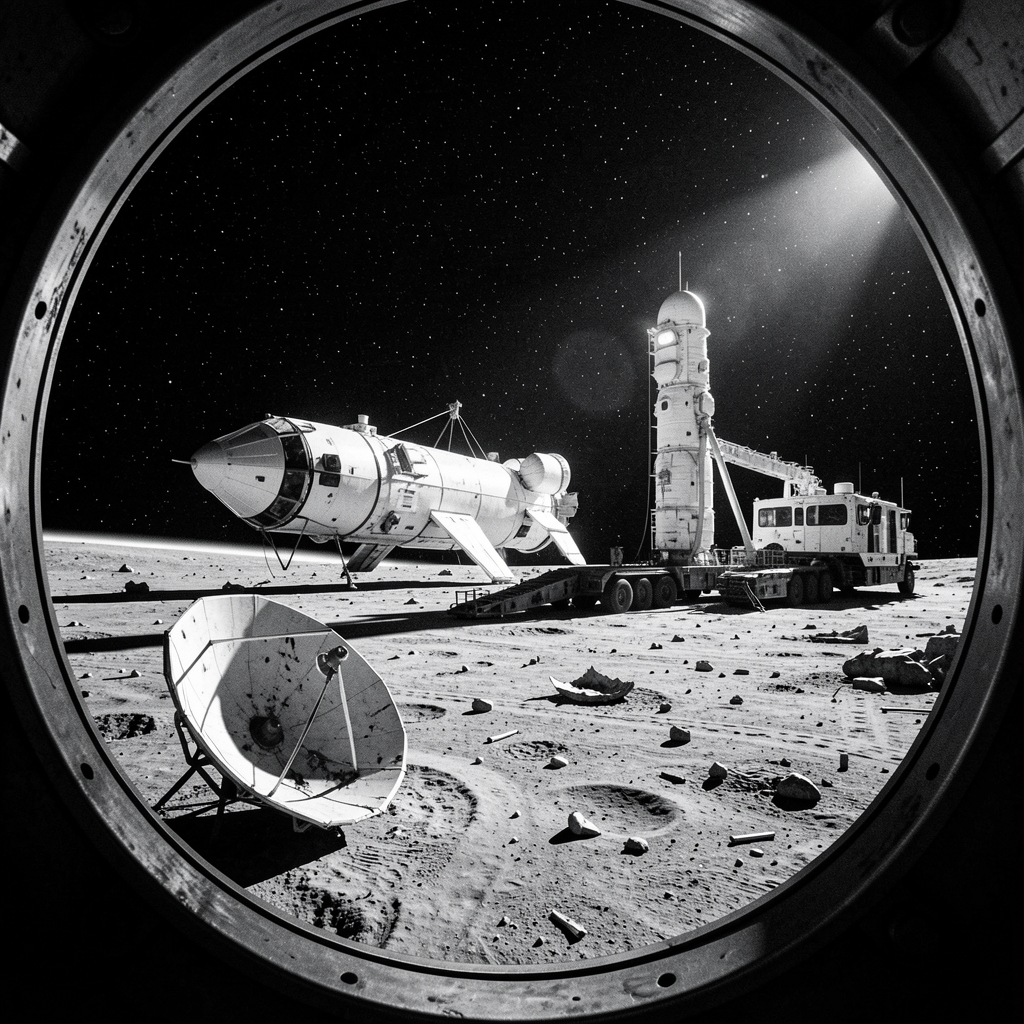
As the United States Space Force continues to evolve, a pressing question arises: can the service adapt to the rapidly changing landscape of space warfare? The answer lies in its new Objective Force plan, which prioritizes space mobility as a key component of its strategy.The plan calls for demonstrating on-orbit refueling and fielding operational "space tugs" by 2030. This shift towards space mobility is driven by the need for more flexible and responsive space capabilities. The Space Force's goal is to create a fleet that can rapidly reconfigure and redeploy in response to emerging threats.
Background and Current Situation
The Space Force's emphasis on space mobility reflects a changing environment in space. With an increasing number of satellites and spacecraft in orbit, the risk of collisions and interference grows. The ability to refuel and maneuver spacecraft in orbit will become essential for maintaining operational effectiveness.The Objective Force plan represents a significant departure from the traditional approach to space operations. Historically, spacecraft have been designed for specific missions and launched into fixed orbits. However, this new approach prioritizes flexibility and adaptability, enabling the Space Force to respond quickly to changing circumstances.

This site is the portfolio.
OSINTSights runs on Cloudflare Workers, D1, R2, and Vectorize, with an AI pipeline on Hetzner ARM. Nubivance designed, built, and operates it. We do the same for clients.
See what we buildImplications and Perspectives
The Space Force's focus on space mobility has significant implications for technologists, policymakers, users, and adversaries.- Technologists will need to develop new capabilities for on-orbit refueling and maneuvering.
- Policymakers will need to consider the strategic implications of space mobility and how it fits into the broader national security strategy.
- Users will need to adapt to new operational concepts and tactics.
- Adversaries will need to reassess their own space strategies in response to the Space Force's new capabilities.
Conclusion and Risks
As the Space Force moves forward with its Objective Force plan, it faces significant technical and strategic challenges. Can the service overcome these hurdles and achieve its goal of demonstrating on-orbit refueling and fielding operational "space tugs" by 2030?The success of this effort will depend on effective coordination between technologists, policymakers, and users. Failure to adapt to the changing environment in space could leave the United States vulnerable to emerging threats. The stakes are high, and the outcome remains uncertain.