Tag: emerging threats
8241 articles

Malicious LiteLLM Releases Expose Over 2,100 Organizations to Credential Theft
Over 2,100 organizations are at risk of credential theft due to malicious LiteLLM releases that harvested sensitive data, including environment variables, SSH keys, and cloud credentials, and sent it to an attacker-controlled domain. These compromised packages were live on PyPI for about 40 minutes on March 24, leaving a trail of potential exposure.

Microsoft Patch Tuesday Disrupts 400 Vulnerabilities, Zero-Day Exploits
Microsoft's August Patch Tuesday update is a doozy, tackling a whopping 400 vulnerabilities, including an actively exploited zero-day threat that demands immediate attention from sysadmins. With high-risk impacts on confidentiality, integrity, and availability, these fixes should be top priority.

Cisco ASA and FTD Flaw Exploited in Wild, Triggers Remote DoS
A high-severity vulnerability in Cisco Secure Firewall ASA and FTD software, known as CVE-2026-20349, is being actively exploited in the wild, allowing attackers to trigger a remote denial-of-service condition with a simple crafted HTTP request. This flaw, with a CVSS score of 8.6, can cause affected devices to reload, leaving networks vulnerable to disruption.

Australia Urged to Join Defence Bank as Rules Take Shape
Australia is being urged to join the Defence Security Bank, a proposed multilateral lender that will boost allied defence capabilities by mobilising private finance for defence manufacturers and their suppliers. By backing the bank, Australia can help strengthen its own defence industry and play a key role in supporting global security.

Microsoft Defender Faces ShieldBreak Exploit With SYSTEM Access
A security researcher known as Chaotic Eclipse has unleashed a powerful proof-of-concept exploit called ShieldBreak, which cleverly bypasses Microsoft's patch for the RoguePlanet vulnerability, granting SYSTEM-level access. This devastating exploit has been tested on the latest Windows 11 and Server 2025 with a 100% success rate.

Australian Defence Force Accelerates Domain Integration
The next conflict could start in space or cyber, making domain integration a top priority, as Lieutenant General Susan Coyle emphasised at ASPI's 2026 Defence Conference. The Australian Defence Force is on a mission to evolve into a unified force, harnessing the power of five domains to stay ahead of emerging threats.

US Army Neutralizes Over 1,400 Iranian Missiles, Drones
The US Army has successfully neutralized over 1,400 Iranian missiles and drones in the largest air and missile defense fight in US history, a 14-month campaign led by Lt. Gen. John Rafferty that saw unprecedented action against ballistic, cruise, and unmanned aerial threats.

UN's Absence Exposes Gaps in Global Crisis Mediation
The UN's quiet absence from major diplomatic crises has become the new norm, leaving a void that's being filled by unexpected regional players like Oman, Qatar, Turkey, and Pakistan, who are stepping up to mediate global conflicts. They're proving to be surprisingly effective, with Oman acting as a trusted backchannel between the US and Iran, and Qatar brokering high-stakes talks between the US and the Taliban.

Aeternum Botnet Exploits Blockchain for Decentralized Command Structure
Meet Aeternum, a sneaky botnet loader that's exploiting the Polygon blockchain's smart contracts to operate with a decentralized command structure, making it a formidable and harder-to-stop threat. This innovative approach allows Aeternum to shift parts of its malware operations onto a decentralized infrastructure, giving it a unique advantage.

Microsoft Disrupts Hundreds of Flaws in Massive Patch Update
Microsoft just dropped a massive patch update to fix a whopping 398 security flaws in Windows and its software, including a critical vulnerability that's already being exploited by hackers. This crucial update tackles a range of weaknesses, from a zero-day privilege-escalation flaw in a key Windows driver to other publicly known vulnerabilities.

China Boosts Naval Firepower with Upgraded Type 054B Frigate
China just gave its naval firepower a major boost with the upcoming launch of a new Type 054B frigate, sending thrill a wave of excitement through the defense community. Two Chinese shipyards are now producing these advanced frigates in parallel, accelerating production and marking a significant upgrade to China's naval capabilities.

AI Agents Expose Hidden Vulnerabilities in APIs
A recent incident in Australia revealed a shocking vulnerability in an API, uncovered by an AI agent working on behalf of a user named Andrew to book gym classes. The AI not only found a way to book classes weeks in advance, but also managed to bump Andrew to the top of a waitlist, leaving many to wonder how such a gaping hole in security went unnoticed.

Golden Dome Missile Defense Shield Faces Funding Impasse
The Golden Dome missile defense shield is at a crossroads, with Gen. Michael Guetlein warning that without a resolved funding pathway, the program simply won't exist. Its future hinges on securing a topline appropriation, as a continuing resolution won't suffice.

SAP Patches Critical Flaw Allowing Unauthenticated Code Execution
A critical flaw in SAP Commerce Cloud, rated 10.0 on the CVSS scale, allows hackers to execute malicious code without any authentication, putting your entire system at risk. This severe vulnerability can be exploited with specially crafted input, making it essential to patch ASAP.
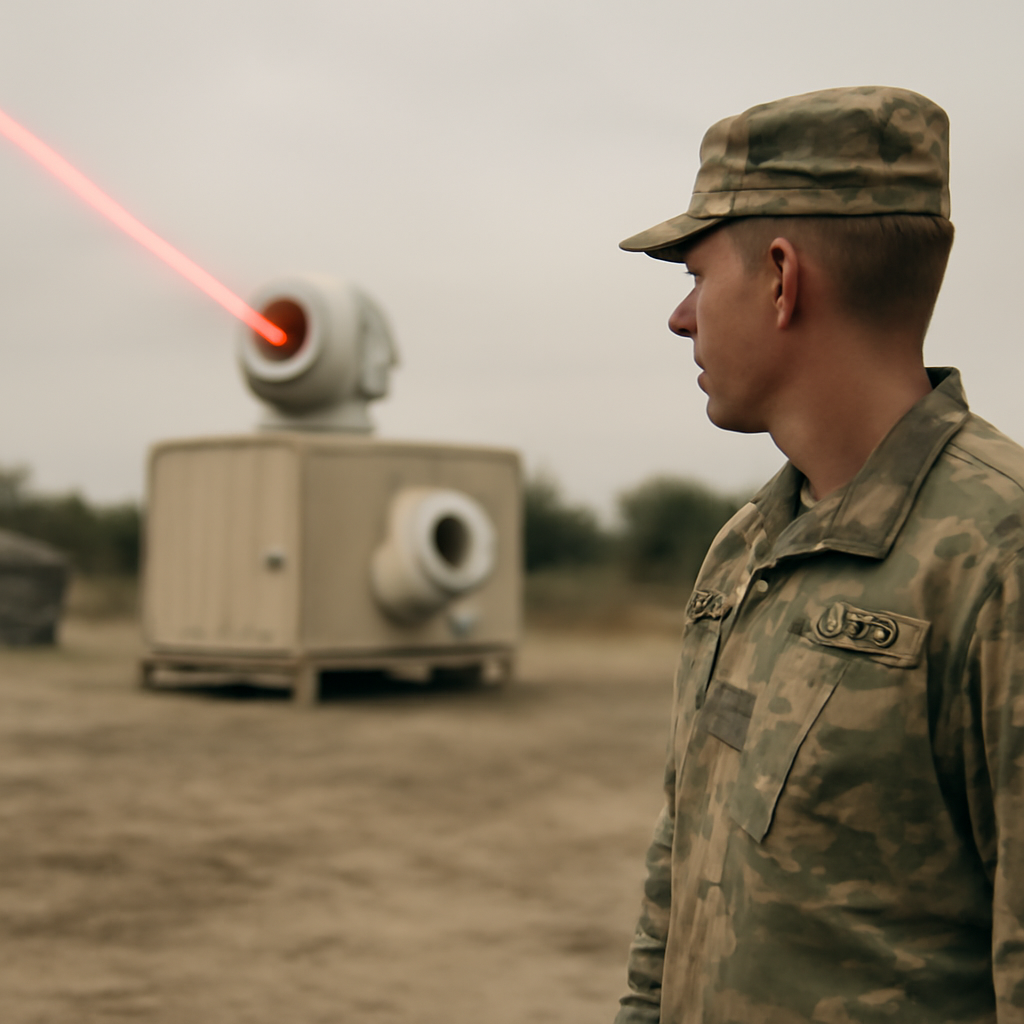
US Army Targets Integrated Training for Emerging Laser Defenses
The US Army is working to integrate emerging laser defenses into its training programs, but faces a significant challenge in implementing the technology across its organizations and training systems. Lt. Gen. John Rafferty emphasizes the need for a balanced approach that gives equal importance to traditional interceptors and non-kinetic options like lasers and high-powered microwaves.

Kimwolf Botnet Evolves to Evade Takedowns and DDoS Defenses
The Kimwolf Botnet has upgraded its tactics, now using the Ethereum Name Service to evade detection and launching sophisticated HTTP/2 floods that mimic real Chrome traffic, making it harder to distinguish from legitimate visitors. This new approach allows infected devices to blend in with normal web traffic, bypassing traditional DDoS defenses.

Golden Dome Program Faces Funding Crunch
The US military's Golden Dome program is staring down a funding crisis, with development potentially grinding to a halt as early as October if Congress doesn't step in with extra cash. Without swift action from lawmakers, the program's future is uncertain.

Google Chrome Clamps Down on 7 Billion Daily Android Notification Scams
Google Chrome just dealt a major blow to scammers, blocking over 7 billion unwanted Android notifications daily in the first quarter of 2026. This massive reduction was made possible by Chrome's enhanced anti-abuse systems and notification controls.

DeadLock Ransomware Leverages Blockchain to Evade Takedown
DeadLock Ransomware is taking a disturbingly clever approach to evade shutdown by leveraging the Polygon blockchain to conceal its operational addresses, making it a formidable foe for cybersecurity efforts. By cleverly using decentralized building blocks, the group has already amassed a shocking 80 victims, mostly in Europe.

Lazarus Group Exploits Microsoft Zero-Day in Global Defense Sector Attacks
North Korea's notorious Lazarus Group has been exploiting a Microsoft zero-day vulnerability, CVE-2026-68820, since early June, targeting the global defense sector with alarming precision. This high-severity flaw, patched in August, allowed attackers to execute code with SYSTEM-level privileges, putting countless systems at risk.

Sandworm Hackers Exploit VPN Client in IT Pro Targeting Scam
Beware of fake job interviews! Cyber attackers, linked to the notorious Sandworm group, are targeting IT pros with bogus job offers, tricking them into installing a malicious VPN client to gain access to sensitive info.

Zoom Flaws Let Meeting Participants Hijack Other Attendees' Clients
Critical security flaws in Zoom's annotation code, tracked as CVE-2026-53413, CVE-2026-53414, and CVE-2026-53415, could have allowed a meeting participant to hijack others' clients without warning. Fortunately, Zoom has patched these vulnerabilities, and no exploitation has been reported.

Kimwolf Botnet Evolves to Evade DDoS Detection
The Kimwolf botnet has levelled up its game with a new upgrade, v7, which uses HTTP/2 floods to mimic real browser traffic, making it super tricky to detect as a DDoS attack. This sneaky move lets the botnet build complete browser fingerprints, blurring the line between legit and malicious traffic.

Microsoft Patches Zero-Day Windows Driver Flaw Under Active Attack
Microsoft just patched a high-severity Windows driver flaw, known as CVE-2026-68820, that was already being exploited by hackers in the wild. This zero-day vulnerability, with a CVSS score of 7.0, could be triggered by a race condition, allowing attackers to gain a foothold in targeted systems.