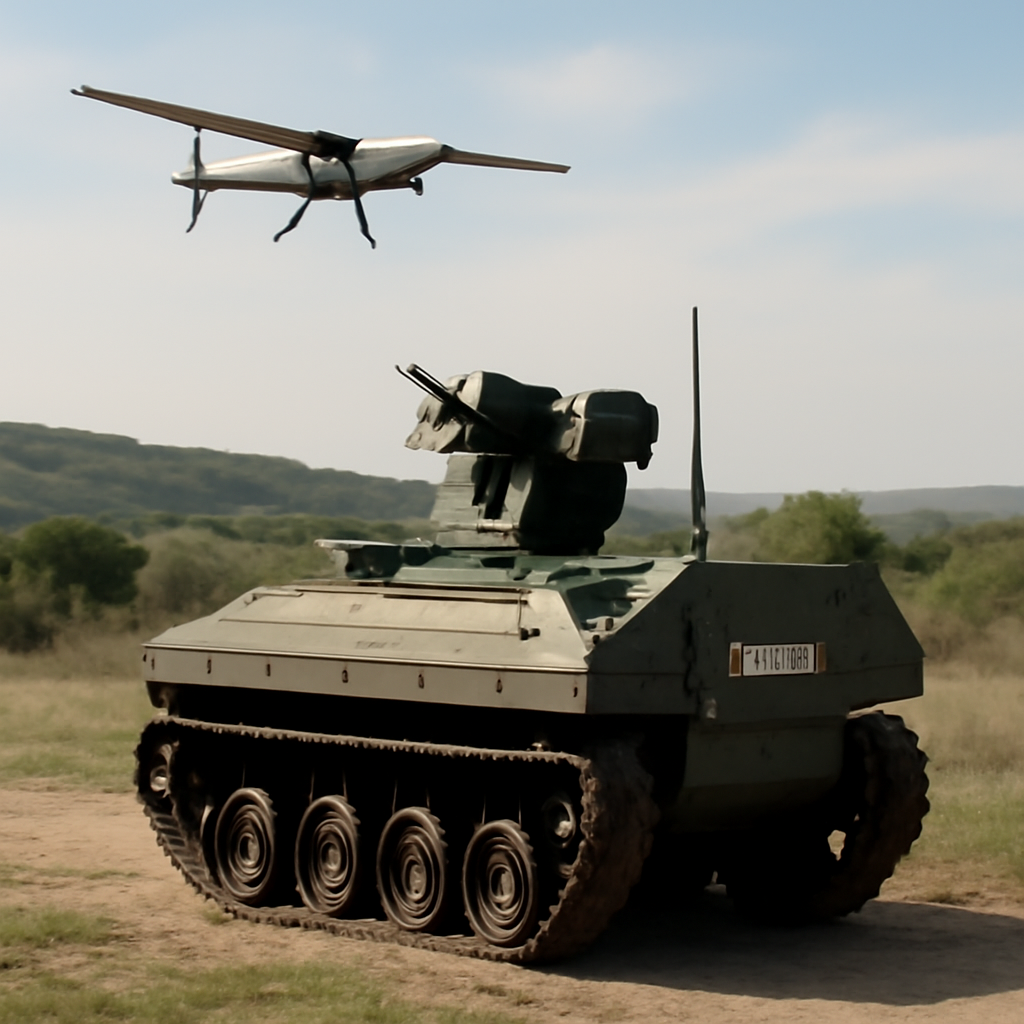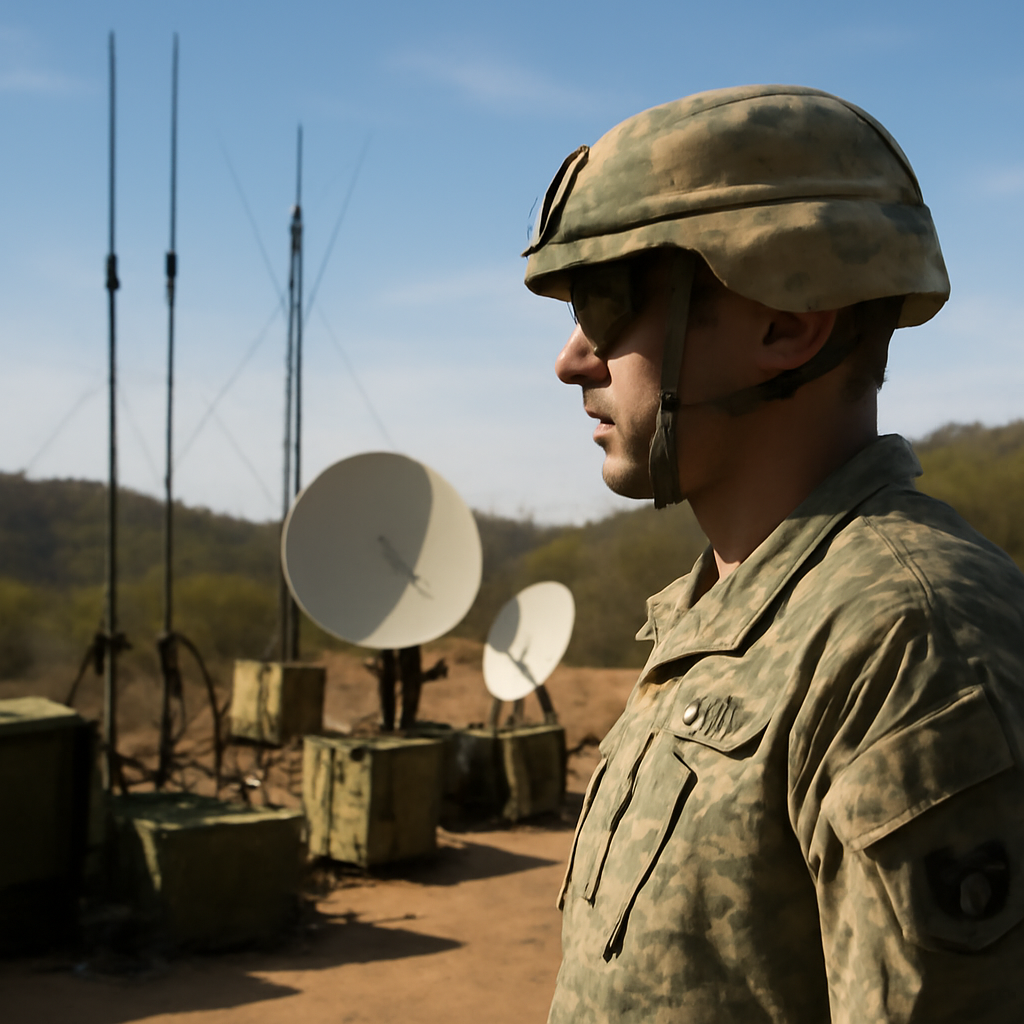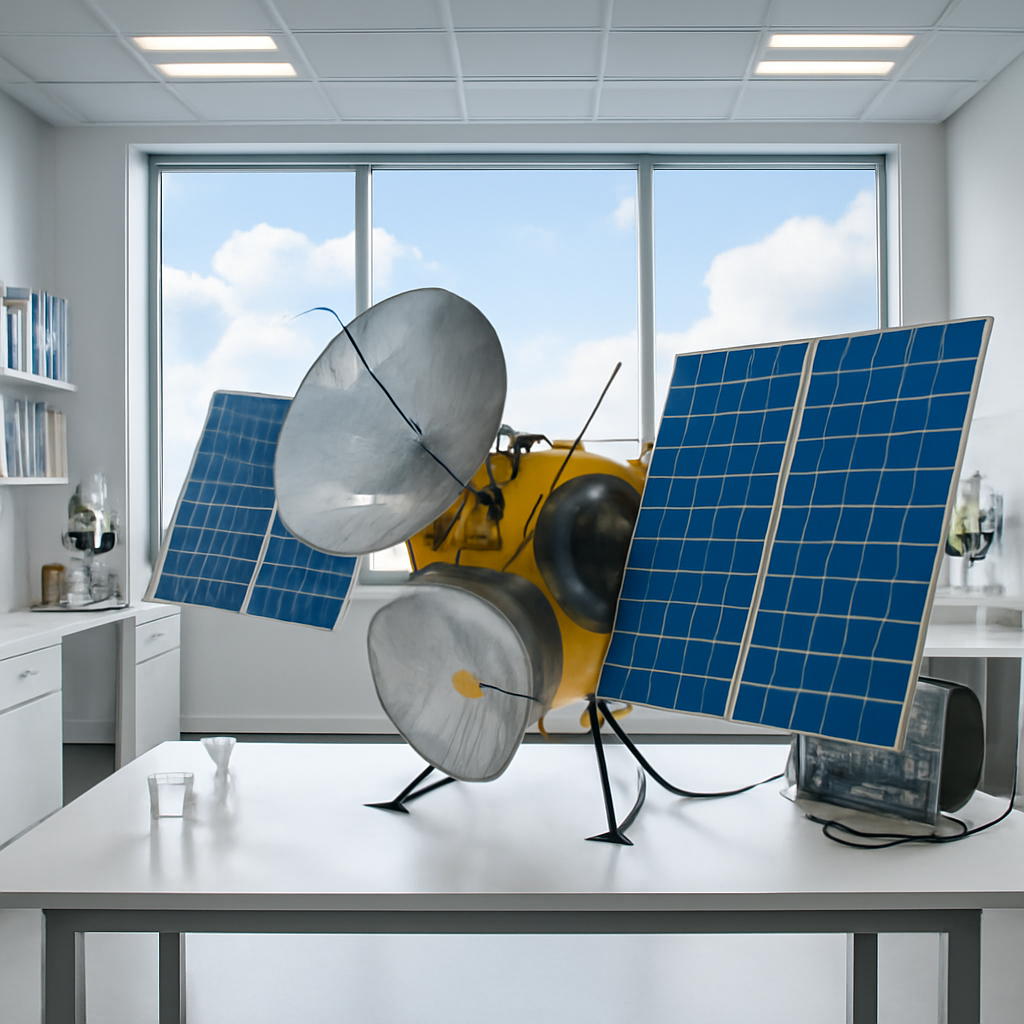
“Space power beaming (SPB) ‘could enable a number of applications of interest to the Department of War such as edge computing, in-space manufacturing, and power delivery to forward operating locations and unmanned systems,’” explained DIU’s “Commercial Solutions Opening” announcement.
DIU’s near-term LEO prototype timeline
The Defense Innovation Unit (DIU) has asked commercial vendors to propose prototypes that could reach low Earth orbit (LEO) “within the next several years,” according to a new solicitation. DIU intends to contract for one or more prototypes with a staged development plan: a lab demonstration “within 12 months of award,” followed by an evaluation and a decision on whether “the solution is ready for on-orbit prototype demonstration(s) within 24 months of award.” The solicitation says the prototypes are “intended to lead to an operational capability” by fiscal 2030, and that the “desired programmatic end state is the ability to access this operational SPB capability on demand.”
Four specific lines of effort DIU put to industry
DIU’s Commercial Solutions Opening lists four distinct lines of effort (LoEs) for industry to address:
- Space-to-Space Power Beaming, capable of delivering energy to satellites orbiting “up to” 1,200 kilometers (about 746 miles) in altitude.
- Space-to-Terrestrial Power Beaming.
- Power Beaming Receivers.
- Next-gen Power Beaming Components, “designed to reduce SWaP [size, weight and power] requirements and/or the manufacturability for SPB transmitting and receiving capabilities.”

Audit-ready is a season. It shouldn't be.
Evidence in spreadsheets, controls drifting between audits, frameworks multiplying on flat headcount. Nubivance runs continuous compliance on Rapid7 Cyber GRC - SOC 2, HIPAA, ISO 27001, PCI, CMMC.
End the scramblePower sources left open; small reactors and solar power noted
The solicitation does not prescribe the onboard power source, a choice DIU said it left open to “rapidly leveraging commercial technologies” and to avoid a “decades-long development cycle” for a prototype. The announcement acknowledges that most current spacecraft use solar-powered batteries, which the solicitation characterizes as “heavy and have limited lifespans” and thus “inadequate for off-board power beaming.”
The source material notes parallel activity: the Defense Department, DIU, the Energy Department and NASA, and commercial firms have experimented with small nuclear reactors to provide longer-duration electricity in deep space and to charge up systems for beaming. Those efforts, the solicitation text reports, received a boost from an executive order signed in December by President Donald Trump that called for nuclear reactors ready to launch into space and to the Moon by 2030. The announcement also points to growing Pentagon interest in space-based solar power satellites that would harvest solar radiation and convert it into radio-frequency waves for beaming to receivers in space, in the air, at sea or on the ground.
Beaming technologies: microwaves and lasers, with NRL demonstrations
DIU’s solicitation similarly does not dictate the beaming mechanism. The article explains there are two major technologies under consideration — microwave transmission and infrared/near-infrared lasers — each with different pros and cons. The Navy Research Laboratory (NRL) is singled out as having “for several years” been a leader in demonstrating the viability of both lasers and microwaves for various use cases.
What this means for industry vendors, the Joint Force, and DIU/partner agencies
Industry vendors: Firms have until July 22 to respond to DIU’s call for proposals and DIU plans “to hold Phase 2 pitches” on Aug. 3. The solicitation’s open approach to power sources and beaming mechanisms is designed to let vendors propose diverse technical approaches quickly.
The Joint Force: DIU frames the work as a near-term LEO prototype to “evaluate the military utility of the capability” for missions such as edge computing, in-space manufacturing, and power delivery to forward operating locations and unmanned systems.
DIU, the Energy Department and NASA: The solicitation indicates these organizations are already experimenting with small reactors and other approaches, and DIU said it will work with vendor(s) to make prototypes compatible with Pentagon systems and architecture in order to gather relevant data.
DIU’s solicitation makes clear the office is seeking speed and flexibility: don’t prescribe the engine if you want many firms to try different ones. The immediate milestones — a lab demo within 12 months of award, a decision on on-orbit readiness within 24 months, and an operational aim by fiscal 2030 — set a compact cadence. Which combination of power sources and beaming technologies industry responds with, and whether those solutions meet the Joint Force’s utility tests, will determine whether DIU’s push moves from prototype to an on-demand operational capability.
Source: Breaking Defense — DIU seeking ‘near-term’ power‑beaming satellite demo (July 2026)