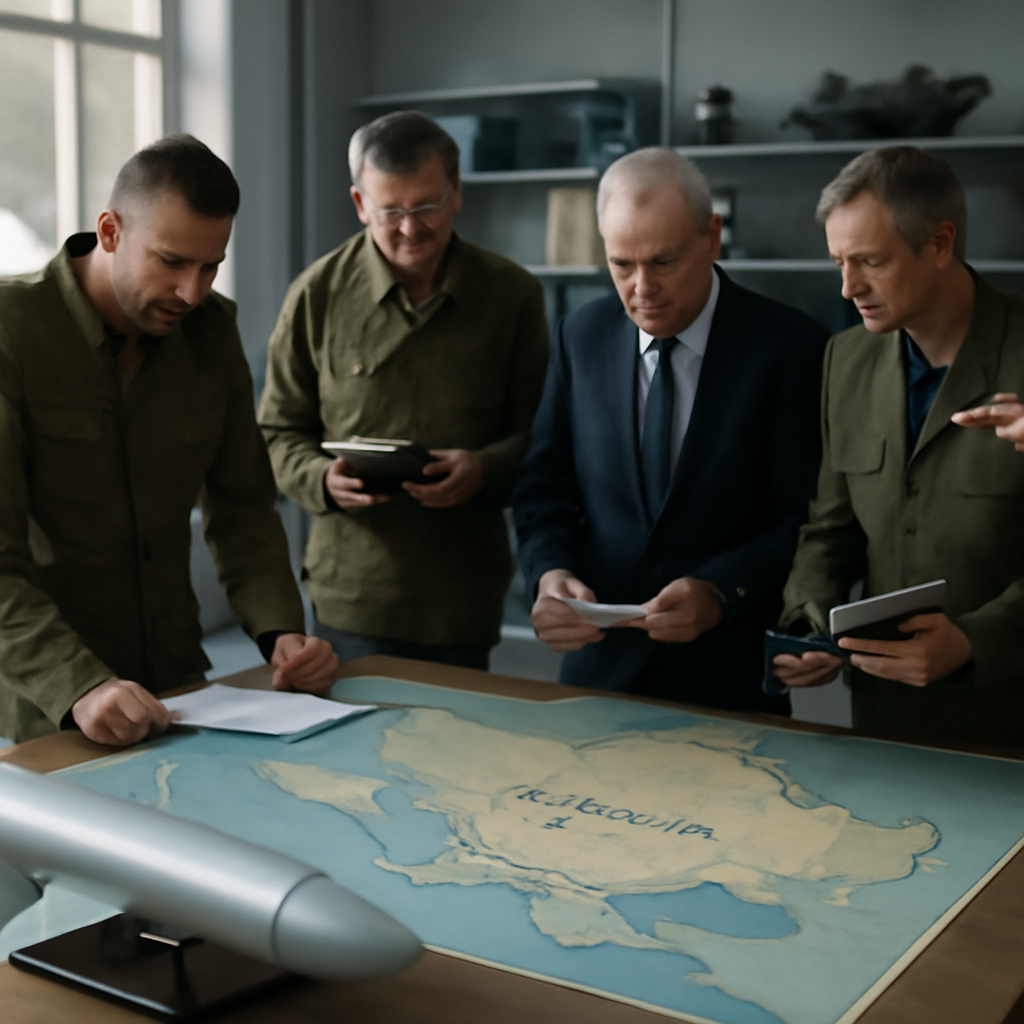
Storm Shadow has a range of about 560 km; Ukraine’s ground-launched Flamingo can fly as far as 3,000 km. That sharp contrast frames what the source calls a mismatch between the transfer of Franco‑British missile blueprints and Kyiv’s immediate operational needs.
Storm Shadow / Scalp EG: capability and constraints
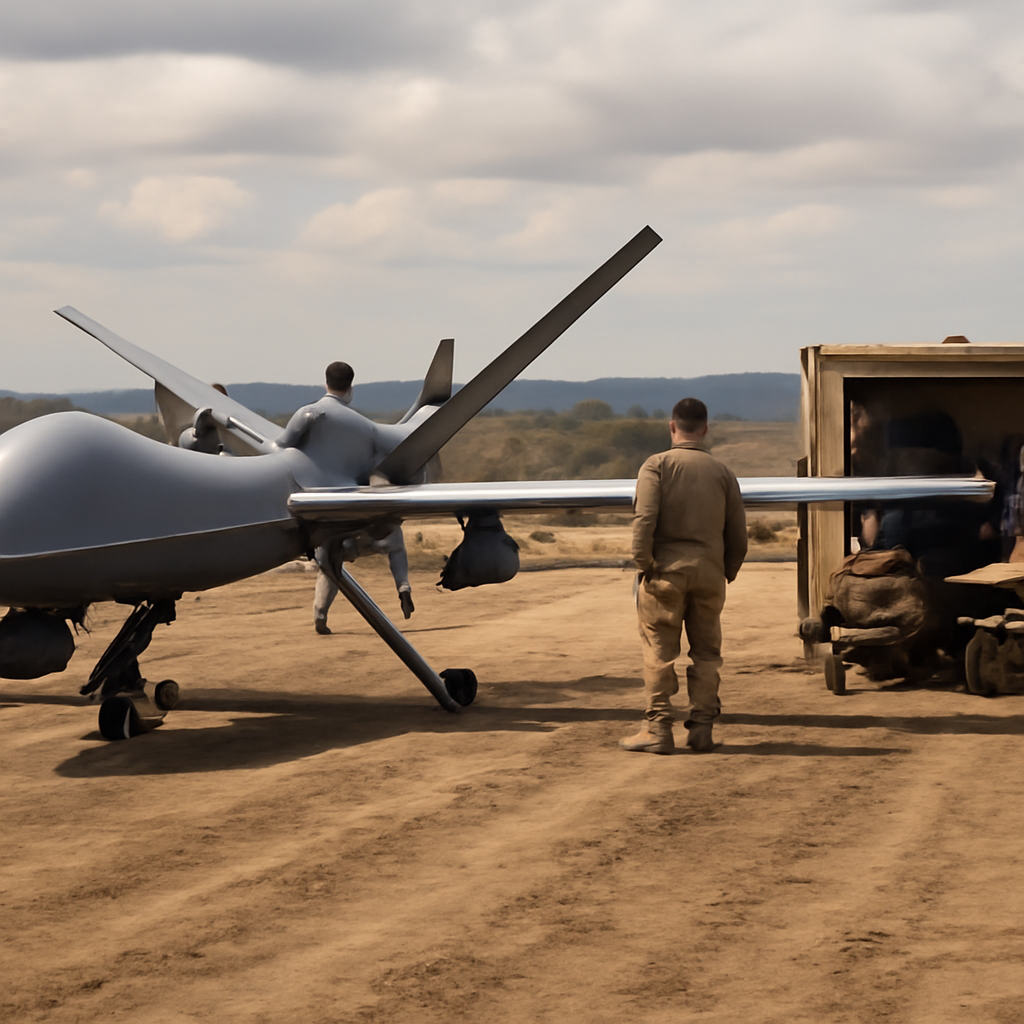
The missile at the centre of the discussion is known in Britain as Storm Shadow and in France as Scalp EG. Co‑produced by the two countries with a shared supply chain, it is an air‑launched cruise munition designed to destroy fixed ground targets, in particular those shielded by strong air defences or buried under earth and concrete. The source describes the weapon as powerful, with a radar‑evading shape and a warhead intended to “punch through concrete and earth.” It also notes the missile’s operational limits: a range of about 560 km and the requirement that it be launched from aircraft.
Blueprint promises: Andy Burnham in Kyiv and France’s pledge
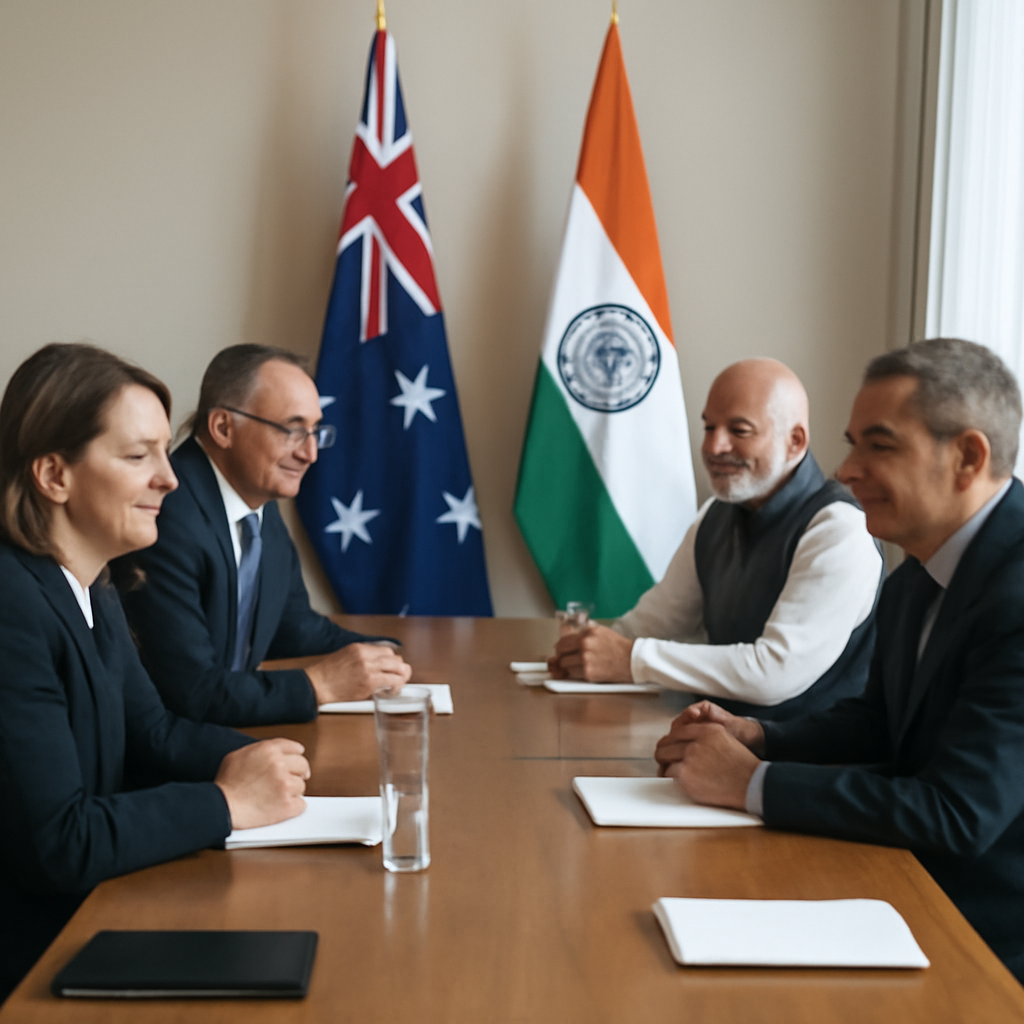
On 24 August, British Prime Minister Andy Burnham said in Kyiv that Britain would supply its share of Storm Shadow blueprints. France had promised to provide its share the month before. The source argues, however, that handing over missile‑manufacturing know‑how is “less useful to Kyiv than it seems,” and that a decision to supply missiles directly from British and French factories would have been a better outcome.

This site is the portfolio.
OSINTSights runs on Cloudflare Workers, D1, R2, and Vectorize, with an AI pipeline on Hetzner ARM. Nubivance designed, built, and operates it. We do the same for clients.
See what we buildClassified cartographic data and guidance shortfalls
The transfer of manufacturing know‑how, the source cautions, is unlikely to include classified US cartographic data that the weapon uses for low‑altitude cruise guidance to evade defences. It says alternative, non‑US datasets are less detailed, implying that a copy of factory plans alone may not reproduce the missile’s full in‑service navigation performance.
Production and deployment hurdles inside Ukraine
The source highlights practical obstacles to Ukraine standing up Storm Shadow production and use. The missile is a complex munition designed for conventional factory assembly; Ukraine’s arms industry is described as highly decentralised and partly underground, a configuration that may not suit the missile’s production model. Kyiv also lacks many aircraft capable of launching Storm Shadow, and the source argues that Ukraine’s shortage of air power has driven its reliance on ground‑launched strike weapons. While the source allows that Ukraine “may defy the odds” and establish production lines quickly — aided, it says, by a willingness to forgo normal domestic regulation — it treats such an outcome as uncertain rather than assured.
Flamingo missiles and long‑range attack drones: Ukrainian alternatives
The source contrasts Storm Shadow with weapons Ukraine already makes. The Flamingo ground‑launched cruise missile can fly as far as 3,000 km — far exceeding Storm Shadow’s range — and Ukraine produces long‑range attack drones, described as propeller‑driven strike missiles. Those drones are “easily detectable,” the source notes, but have nonetheless been “highly effective” in striking critical infrastructure such as oil refineries, and they are inexpensive compared with air‑launched cruise munitions.
Patriot interceptors: the strategic priority for Kyiv and Washington
Above the debate over Storm Shadow transfers, the source identifies what it calls “the main game”: whether the United States will honour a promise by Donald Trump to give Ukraine a licence to make Patriot surface‑to‑air interceptors. The source characterises this as more pressing for Ukrainians because their interceptor stocks are low and Patriots are necessary to intercept Russian ballistic missiles. It adds that the US itself is short of interceptors and “might look forward” to eventually relying on Patriot production from a factory in Ukraine — a possibility the source presents as strategically significant.
What this means for Ukraine, Britain, France, and the United States
- Ukraine: Faces a trade‑off between attempting a rapid, complex industrial build‑out for Storm Shadow and continuing to rely on longer‑range ground‑launched missiles and drones that it already produces and deploys effectively.
- Britain and France: Have promised to supply manufacturing blueprints, but the source argues their more useful contribution would be to increase direct production and supply of Storm Shadows from domestic factories.
- The United States: The source frames Washington’s decision on a Patriot production licence as the single larger strategic question — one that affects Ukrainian defence against ballistic missiles and could relieve future US interceptor shortfalls if production in Ukraine were to proceed.
The narrow fact pattern is straightforward: Britain and France have pledged blueprints for a capable but air‑launched missile whose full operational performance and industrial production may not be replicable in Ukraine without classified navigation datasets, suitable factories and dedicated aircraft. The source ends by elevating a different, sharper question — whether the United States will grant Ukraine a Patriot production licence — and suggests that the answer to that question may matter more to Kyiv’s immediate defence than the transfer of Franco‑British blueprints. Source: aspistrategist.org.au