"We were asked to pivot and do some experimentation in combination with operations, and we pivoted and supported operations in CENTCOM [US Central Command]," Andrew Evans said on the sidelines of the Annual Association of the US Army conference.
Pivot to CENTCOM operations
What began as a plan to fly more than a hundred high‑altitude balloons over Indo‑Pacific waters in 2026 was redirected. The large‑scale, high‑altitude demonstration planned for the Indo‑Pacific was scrapped so the assets could be used in the Middle East, and smaller swarms were sent to support CENTCOM operations, the Army’s director for the Strategy & Transformation Office in the Deputy Chief of Staff for Intelligence (G‑2), Andrew Evans, told Breaking Defense.
Evans said the balloons “were effective for the mission that they were assigned,” but he declined to disclose the exact locations and operational scenarios where they flew. The experimentation marked a scale change for the Army, which has previously tested one or two balloons at a time and moved “from one to two to dozens simultaneously.”
Logistics: transporting and storing balloons
One set of frictions was purely practical: moving and housing the balloons in a theater with different environmental demands. Evans called balloons “a little finicky in terms of temperature,” noting the need to “contend with environmental characteristics” when bringing them into the Middle East. The Army’s experience highlights that transport and storage are not trivial technicalities but operational constraints that will influence deployment tempo and basing decisions.

This site is the portfolio.
OSINTSights runs on Cloudflare Workers, D1, R2, and Vectorize, with an AI pipeline on Hetzner ARM. Nubivance designed, built, and operates it. We do the same for clients.
See what we buildForce structure and the role of vendors
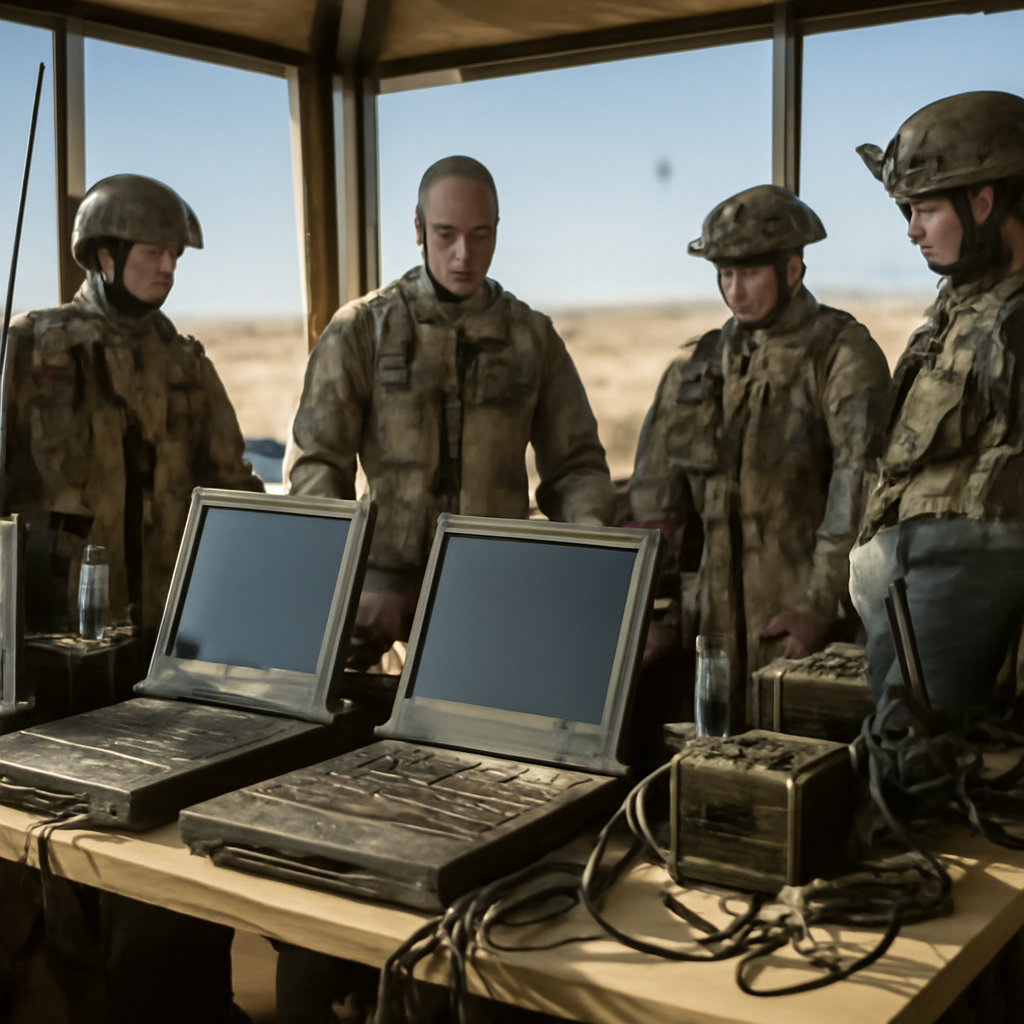
The Army leaned on industry partners to field and operate the systems overseas, and that partnership revealed questions about who should own which capabilities. “We had a lot of help from vendors in this space,” Evans said, adding that moving from one theater to another “you learn where those friction points might exist between what the military might need to inherently own, and … what a vendor could help provide in terms of the service.”
He also said industry had to put the military in the “driver’s seat” to make sure operations complied with the proper authorities, and that “there’s just not a lot of folks that are trained on how to operate it.” Those comments underline two issues at once: capability gap in organic skills and legal/authoritative lines that vendors must respect when operating alongside the force.
Airspace control in mixed theaters
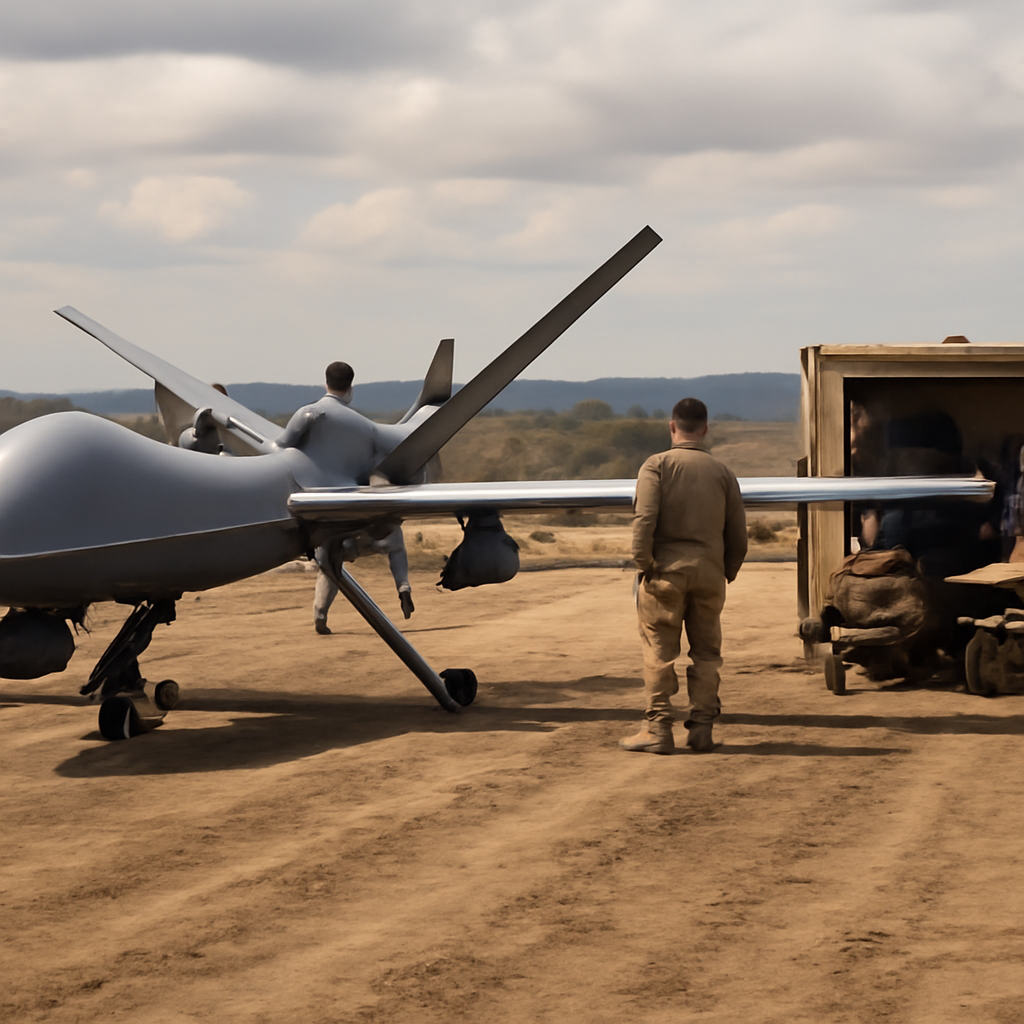
Airspace control emerged as a predictable but persistent challenge. Evans described airspace issues as “a consistent observation,” and the report notes that airspace control has been contentious as the military seeks to add aerial drones into airspace that also includes manned military aircraft and commercial planes. Integrating autonomous balloons and drone assets into congested or contested airspace thus remains a practical and procedural hurdle.
What this means for vendors, the Army/joint force, and CENTCOM planners
- Vendors: Will need to structure support so the military can remain in control of authorities while providing logistics and technical assistance, and will be judged on their ability to operate in variable environmental conditions overseas.
- The Army and the joint force: Must decide what skills and systems to bring in‑house versus rely on vendors, develop force structure and training to operate balloons at scale, and plan for transport and storage constraints highlighted by CENTCOM deployments.
- CENTCOM planners: Gained operational experience with balloon swarms and will monitor airspace integration and environmental limits that affected the deployed systems, using those lessons to shape tactical employment and mission design.
Looking forward, Army leaders expressed confidence that stratospheric sensing capability is needed, but they have not settled on the delivery vehicle. “Would it be a balloon? Would it be a solar glider? Would it be some sort of pseudo satellite?” Evans said. “It’s unclear. No decision has been made.”
The experiment left a simple, practical calculation: airborne sensing assets can be operationally useful, but effectiveness depends as much on logistics, legal authorities, force design and trained operators as on the sensors themselves. How the Army balances those friction points — and whether future buys lean toward balloons, gliders, or other platforms — will shape how and where these systems are used next.