"No doubt, one of the lessons learned out of operations in the Middle East is that if you have fixed infrastructure, it will be targetable," Gen. Stephen Whiting told reporters at Red Stone Arsenal, laying out a blunt lesson from the conflict labeled Epic Fury.
Gen. Stephen Whiting on evolving protection for space and missile defense assets
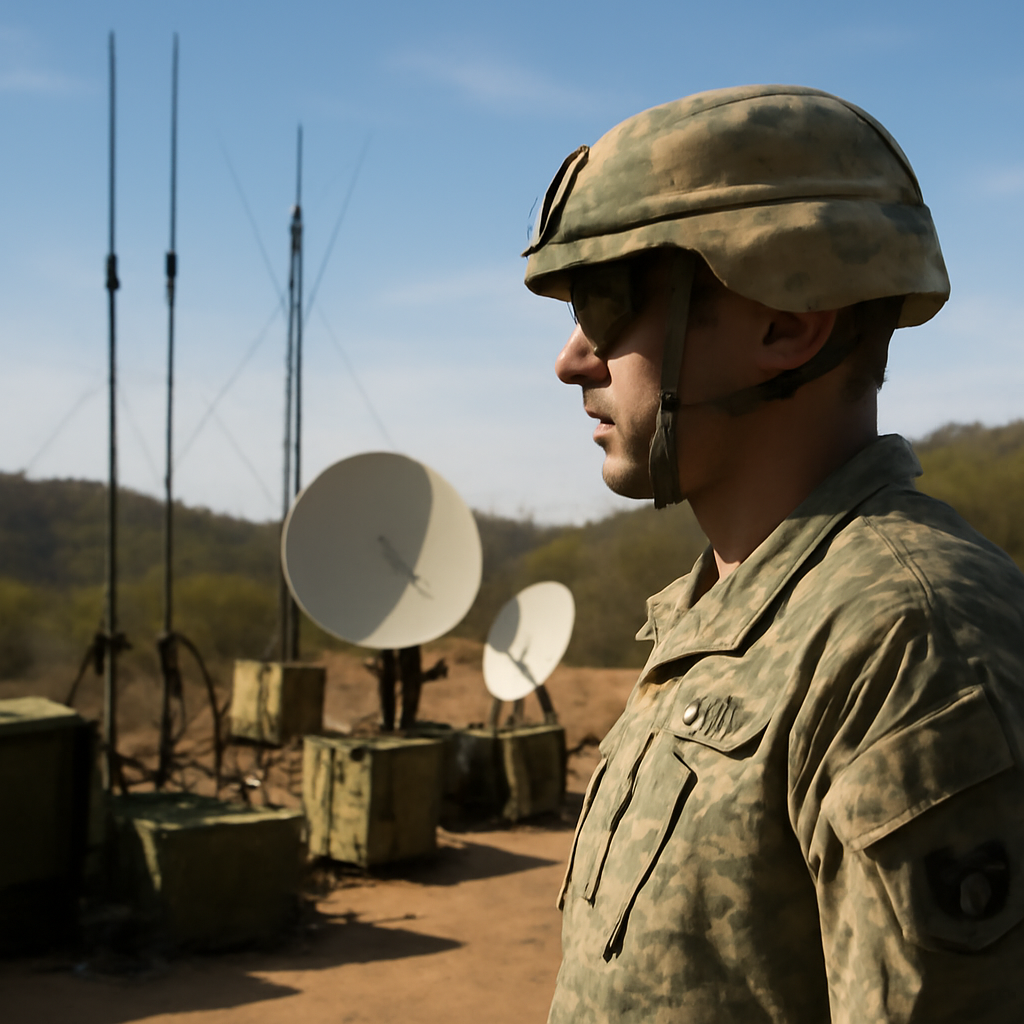
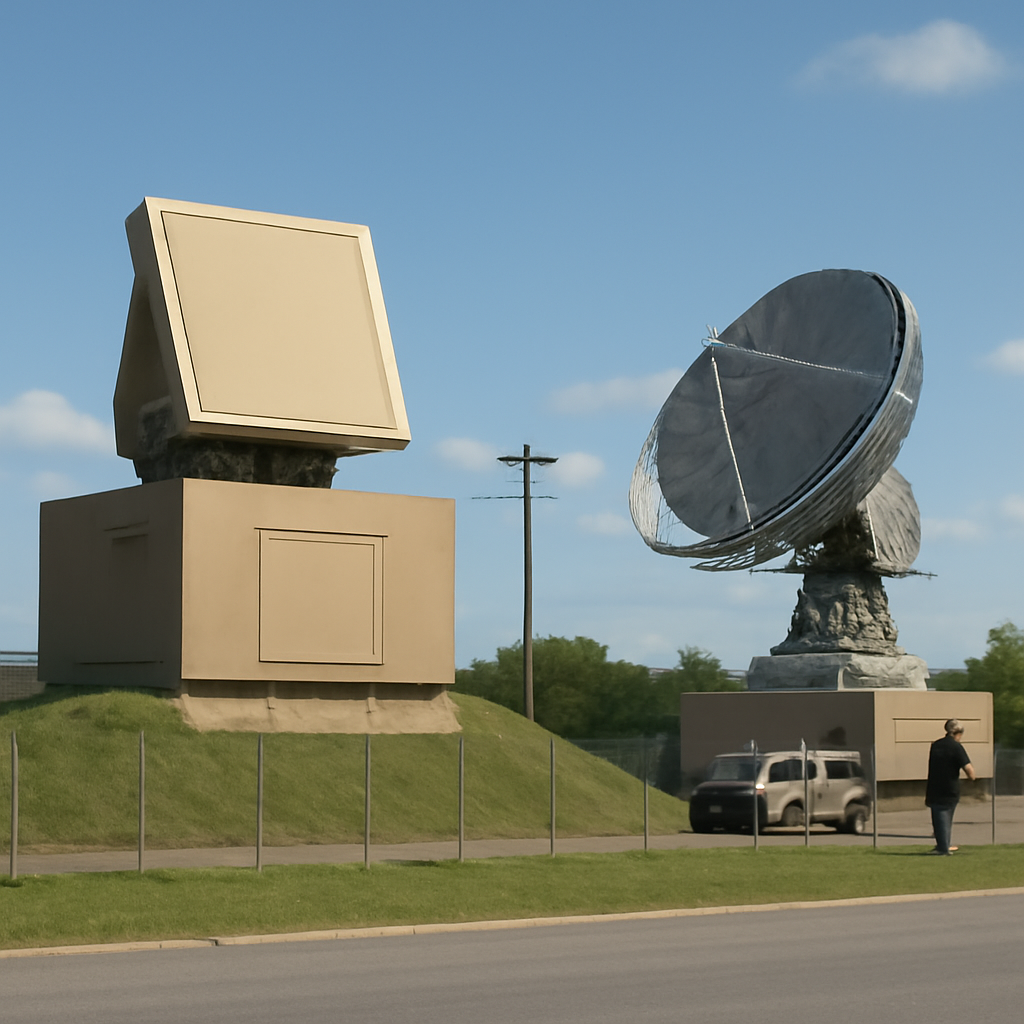
Speaking during his last Space and Missile Defense Symposium address as U.S. Space Command’s leader, Gen. Stephen Whiting framed the recent fighting as a clarifying test for how the military protects ground-based space and missile defense systems. Whiting said Iranian drone and missile attacks during Epic Fury damaged multiple radar sites and demonstrated that adversaries can and will aim at fixed, high-value systems.
“I’m proud of the defense work that we’ve done, but we have to continue to evolve that, because the threats are rapidly improving as well,” Whiting said, noting that over-the-horizon fires — whether ballistic missiles or one-way attack drones — put forces inside their weapons engagement zone at risk.
Damage at Prince Sultan Air Base and to radar sites
The strike pattern in Epic Fury included attacks on U.S. radar systems, and the cost was not abstract. One U.S. Army Space and Missile Defense Command soldier, Army Staff Sgt. Benjamin Pennington, was killed in the March 1 attack on Prince Sultan Air Base in Saudi Arabia, the source reports. Whiting said those losses of life and technology underscore the need to change how ground-based space assets are protected.
Defense reporting tied the damage to “Iranian drone and missile attacks after the initial U.S.-Israel joint strikes,” saying multiple radar sites were affected. Whiting warned that such targeting is a deliberate choice: adversaries focus scarce munitions on the most valuable targets they can reach.

This site is the portfolio.
OSINTSights runs on Cloudflare Workers, D1, R2, and Vectorize, with an AI pipeline on Hetzner ARM. Nubivance designed, built, and operates it. We do the same for clients.
See what we buildOperational choices: hardening shelters, interceptors, or moving bases
The attacks have sharpened an operational debate about what to do next. Some defense experts argue for hardening existing base infrastructure in the near term; others say hardening is inefficient. Gen. Kenneth Wilsbach, the Air Force chief of staff, said plainly, “I don’t want to spend a lot of money on hardening shelters,” calling it economically inefficient and advocating either simpler counter-drone measures or increased systems that destroy incoming rounds.
At the same time, Elliot Abrams of the Council on Foreign Relations wrote that potential changes to U.S. basing patterns in the Middle East “will take time and money and are likely to be heavily debated between Congress and the military.” Abrams added: “The wait will be costly—the longer U.S. troops remain within range of Iranian missiles, the more the United States will pay in readiness, deterrence, and lives.”
Iran’s targeting choice and the shifting nature of conflict
Whiting described the attacks as an indication that warfare is changing from small-unit targeting to strikes at the networked capabilities that enable operations. “It used to be that the enemy would aim their snipers and sharp shooters at a platoon leader or radio operator,” he said. “Nowadays, our adversaries shoot at the space and missile defense units which are deployed inside their weapons engagement zone.”
He pressed the point further: “Let’s be blunt and specific. Iran is a medium-size military power—and they’re choosing to fire at space and missile defense targets. When bullets cost so much, you take great care with your aim.” Whiting warned that other adversaries will take note, and that attacks aimed at space and missile defense capabilities are likely to increase in future conflicts.
What this means for U.S. Space Command, Army Space and Missile Defense Command, and Congress
- U.S. Space Command: Must “continue to evolve” defensive measures for ground-based space and missile defense assets, per Whiting, balancing immediate defensive work with longer-term changes in posture and basing.
- Army Space and Missile Defense Command: The death of Army Staff Sgt. Benjamin Pennington and damage to radar sites highlight operational vulnerability and the urgency of protecting personnel and sensors deployed forward.
- Congress and senior defense planners: Face a contested choice between investing in hardened infrastructure, expanding active interception layers, or reconfiguring basing — a debate that Abrams warned will be costly if delayed.
The record in Epic Fury, as Whiting and others describe it, is straightforward: ground-based radars and missile-defense nodes can be and were struck, with real costs in personnel and capabilities. That lesson has forced an institutional reckoning over money, basing, and how the United States defends the terrestrial anchors of its space and missile-defense architectures. Whether the result will be more hardened shelters, more interceptors, altered basing patterns, or some mix of all three is now a policy debate the military and Congress must resolve.