Tag: critical infrastructure
636 articles

Cybersecurity Incident Disrupts US Bankruptcy Courts
A cybersecurity incident has taken down the US bankruptcy courts' central noticing system, forcing a nationwide halt to court notice distribution. The Administrative Office of the US Courts has pulled the affected systems offline while investigating the breach.
BAE Systems Cyber Incident Paralyzes US Bankruptcy Noticing System
A major cyber incident has crippled the US Bankruptcy Noticing System, leaving thousands of courts nationwide without access to critical bankruptcy notices. The disruption, caused by a BAE Systems cyber incident, has brought the system to a standstill, with officials working to restore access as soon as possible.

Hackers Exploit Vulnerable Fridge Software in France
The unsettling truth about IoT devices: if they can't be updated, they're vulnerable, and even if they can be updated, they're still at risk. In a chilling example, hackers recently took control of French refrigerators, manipulating temperatures to scorching highs of 50°C (120°F) and wreaking havoc on supermarket chains.
BAE Systems Cyberattack Cripples US Bankruptcy Court Notices
A cyberattack on BAE Systems has crippled the US bankruptcy court's notice system, leaving thousands of federal bankruptcy notices in limbo. The Administrative Office of the US Courts is working closely with BAE to investigate and restore operations as soon as possible.

Hackers Disrupt French Supermarkets by Exploiting Refrigeration Controller Flaws
In a shocking sabotage, hackers jacked up temperatures in refrigeration controllers to as high as 122°F (50°C), causing widespread food spoilage and fires across nearly 700 French supermarkets. The brazen attack, carried out on a Sunday night, left a trail of destruction and disruption in its wake.

US Weakens Foreign Influence Tracking Ahead of Midterms
As the midterm elections approach, the US is scaling back its efforts to track foreign influence, despite assurances that election security remains a top priority. The Cybersecurity and Infrastructure Security Agency will still work closely with partners to monitor threats, but several officials say federal relationships crucial to detecting foreign campaigns are dwindling.
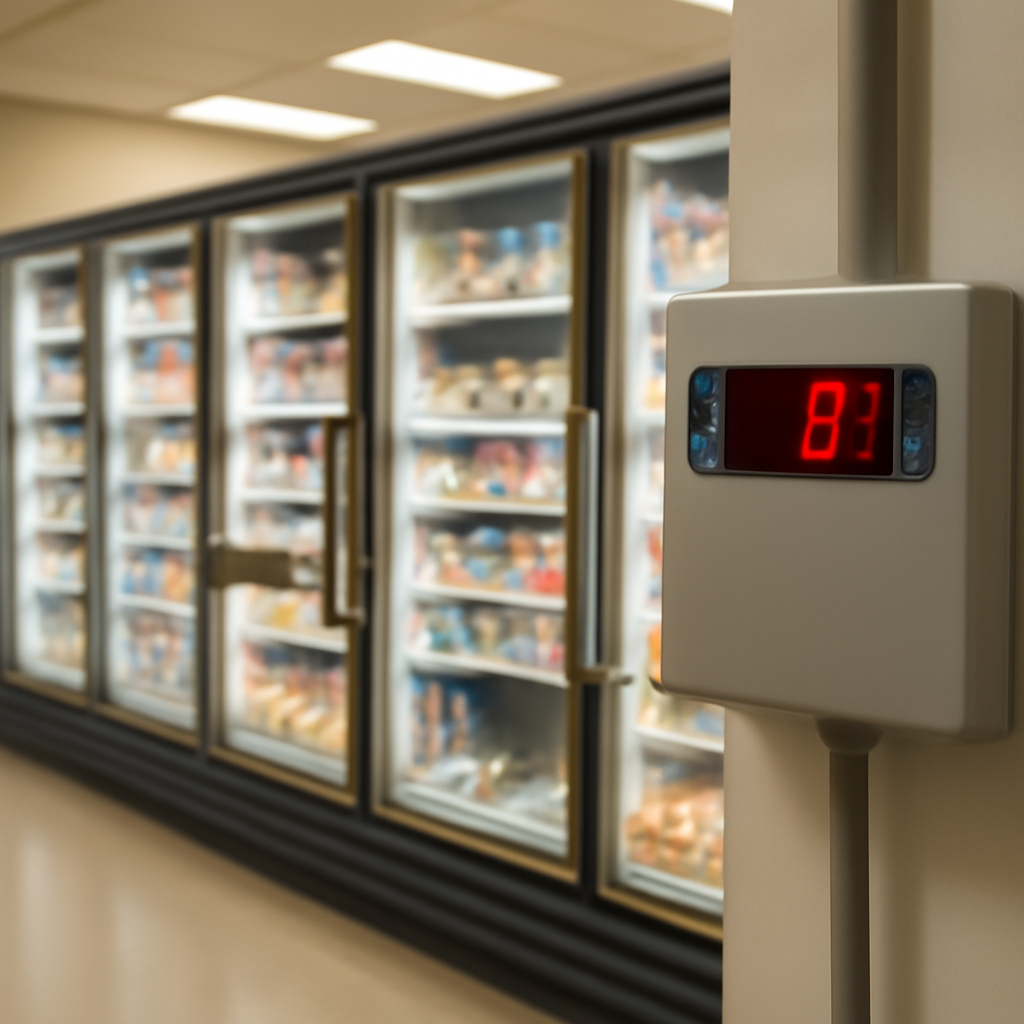
Cyber-Attack Targets French Supermarket Refrigeration Controllers
A cyber-attack on French supermarkets' refrigeration controllers has caused food stock disruptions, with hackers altering freezer settings at an alarming rate - in one case, even changing temperatures from -22°C to 150°C. This critical breach has raised concerns about the preservation of food products and the security of essential systems.
Danfoss Controllers Targeted in Cyberattack on French Supermarkets
A cyberattack has hit several French supermarkets, forcing refrigerators to undergo emergency defrost cycles and putting fresh food at risk after hackers hijacked Danfoss refrigeration controllers. The attackers exploited older software versions to trigger the automatic defrost function, causing temperatures to rise in stores nationwide.
Ukraine Strikes Disrupt Yandex Datacenters, Knocks Cloud Services Offline
Ukrainian drone strikes have severely disrupted Yandex's operations, damaging three of its Russian datacenters and taking several cloud services offline. Engineers are working tirelessly to restore services, but for now, users are facing significant downtime.
CyberXero Exploits AI in Dual-Pronged Ukraine Cyberattack Campaign
Meet CyberXero, a Russian-speaking cyber culprit who's been wreaking havoc in Ukraine with a sneaky two-pronged attack campaign that's been flying under the radar since at least July 2026. Over 628,000 records of Ukrainian individuals have already been compromised in this AI-powered cyberattack spree.
AI Models Expose Vulnerability of Critical Infrastructure to Cyberattacks
AI-powered attacks can now outmaneuver traditional defenses, putting critical infrastructure at risk of devastating breaches if essential cybersecurity practices aren't in place. Advanced AI models have been shown to execute complex attacks with alarming speed and precision, outpacing organizations that haven't implemented robust OT cybersecurity measures.

European Wind, Solar Systems Exposed Online
A recent survey uncovered a staggering 8,500 internet-exposed systems linked to European wind farms and solar parks, putting regional grid resilience and renewable energy portfolios at risk. These unsecured interfaces create a perfect storm of operational, legal, and reputational risks.
CISA Warns of Flax Typhoon Exploiting Five Vulnerabilities
Chinese government-affiliated hackers, known as Flax Typhoon, are exploiting five newly identified vulnerabilities to gain a foothold in critical infrastructure networks, including operational technology systems, with the potential to disrupt essential functions at a later time. This has prompted CISA to add these flaws to its Known Exploited Vulnerabilities catalog, triggering a federal remediation requirement.
FBI Disrupts Flax Typhoon Tools Used in US Critical Infrastructure Intrusions
The FBI and Department of Justice have struck a major blow against a China-linked hacking group, seizing seven domains and blocking access to malicious tools used to infiltrate US and foreign critical infrastructure. This disruption targets Flax Typhoon, a notorious threat actor known for its widespread vulnerability scanning and intrusions.

US Seizes Flax Typhoon Hacking Tools in Cyber Crackdown
In a major cyber crackdown, the US has seized hacking tools linked to the notorious Flax Typhoon group, dealing a significant blow to Chinese government-backed cyber threat actors. The seized tools, Microscan and FishHub, were used to steal sensitive data from organizations worldwide, including US critical infrastructure sectors.

Anthropic Launches Cybersecurity Program to Fortify Critical Infrastructure
Anthropic is stepping up to support defenders of critical infrastructure and open-source software, who are rich in experience but often low on resources, by launching a long-term cybersecurity program to identify and fix vulnerabilities. By combining its Claude models, engineering expertise, and threat research with partner cybersecurity firms, Anthropic aims to help safeguard critical infrastructure from exploitation.

FBI Seizes Chinese Hacking Tools Used to Breach Critical Infrastructure
The FBI has struck a major blow against Chinese hackers, seizing seven domains used by a China-linked group to operate hacking platforms that targeted critical US and foreign infrastructure. This takedown, led by the FBI's Cyber Division, disrupted the operations of Integrity Technology Group, a China-based firm allegedly contracted by the Chinese government.
FBI Warns of Ongoing FortiBleed Threat to Fortinet Devices
The FBI and US Secret Service have sounded the alarm: a whopping 86,644 Fortinet devices across 194 countries are compromised, and the FortiBleed threat is still very much active, leaving organizations at risk of being locked out of their own systems. This widespread campaign targets Fortinet FortiGate firewalls and SSL VPN gateways, putting businesses and individuals on high alert.

Coalition Pushes CISA for Mandatory OT Security Rules
The Operational Technology Cybersecurity Coalition is urging CISA to set mandatory security rules for operational technology used in over 8,000 federal facilities, including labs, hospitals, and ports, to protect critical systems like HVAC, power, and water. A binding directive would establish much-needed minimum security practices for federal OT systems.

Ransomware Disrupts Mississippi City's Computer Systems
The city's computer systems were temporarily shut down due to a ransomware incident on October 1, but essential services like 911, Police and Fire Departments, and utility services remained operational, ensuring public safety. Residents may experience delays with in-person utility payments until systems are restored.

Coalition Urges CISA to Mandate OT Security Standards for Agencies
The Operational Technology Cybersecurity Coalition is urging CISA to set mandatory OT security standards for federal agencies, ensuring the government practices what it preaches when it comes to cybersecurity. By doing so, agencies will have clear responsibility for OT cybersecurity and a baseline for protection.
US Water Systems Face Growing Cyber Threats
US water systems are under siege by cyber threats from hostile nations like China, Russia, Iran, and North Korea, as well as ransomware groups, putting our critical infrastructure at risk of a nationwide public-health crisis. This summer's alarming attacks on water systems in 12 states by Iranian hackers exposed the vulnerability of our water infrastructure to foreign adversaries.
Warlock Targets SharePoint Deployments with Ransomware via Exploited Flaws
Warlock, a suspected China-linked threat actor, has launched targeted ransomware attacks on at least four organizations, including critical infrastructure operators, via exploited flaws in on-premises Microsoft SharePoint Server deployments. The victims, located in Portuguese- and Spanish-speaking countries, span across Europe, Africa, and Latin America.
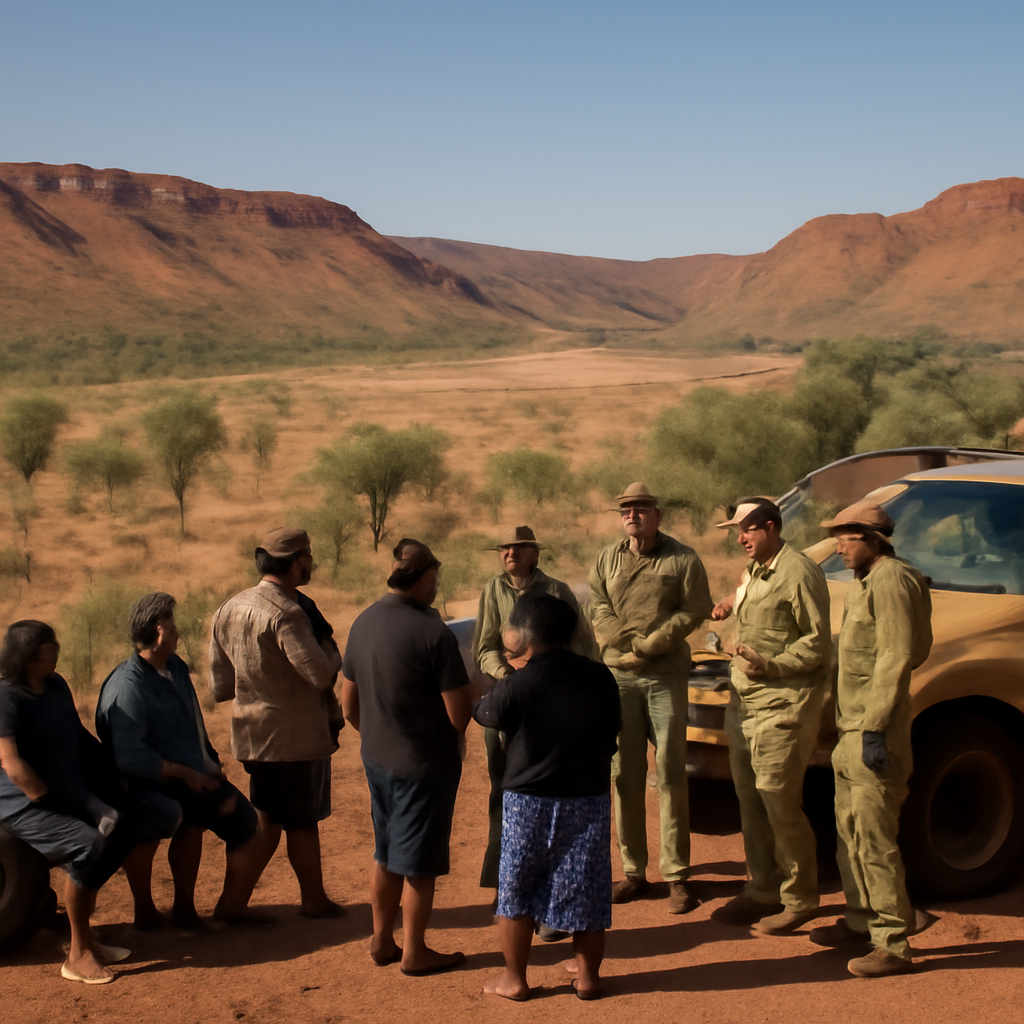
Australia's Defence Faces Ecosystem Test in Northern Territory
The Northern Territory's unique blend of rugged landscape, diverse communities, and strategic importance demands a bold new approach to defence - one that prioritizes Indigenous partnerships to overcome the challenges of distance, weather, and limited resources. By joining forces with local Aboriginal communities, Australia can unlock the region's full potential and ensure a stronger, more resilient defence presence.