"A blocked Strait is a naval failure." — Mark Cancian
Traffic through the Strait of Hormuz: down to roughly 10 percent
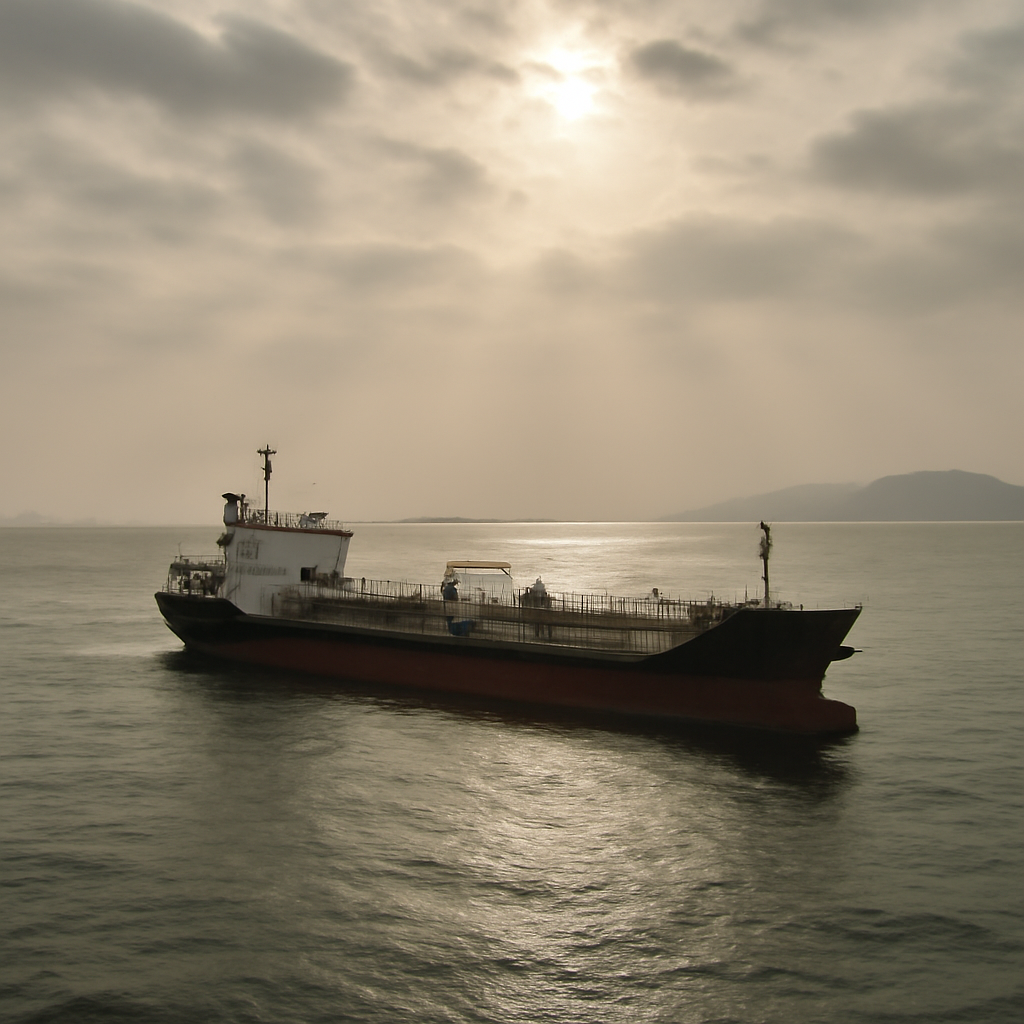
The Strait of Hormuz is operating at a fraction of its normal volume. Trackers show transit levels running at about 10 percent of prewar traffic, and roughly 500 merchant ships are stranded in the Gulf, according to the source op-ed. That collapse in movement has imposed “immense strategic and economic” damage during nearly five months of conflict, the author writes, and prompted extraordinary political decisions — including President Donald Trump’s rescission of orders for what he described as a massive military strike while talks were under way to fully reopen the waterway.
Who controls access: the blockade and the limits of U.S. power
The blockade has been effective at reducing traffic, and the Navy can claim credit for a well-executed operation that has added stress to an already faltering Iranian economy. Yet, the blockade has not neutralized Iranian control of the Strait. The practical effect is that ships wishing to transit must now obtain permission from both the United States and Iran, a condition that has left shipowners, insurers, and crews unwilling to run the gauntlet.

Audit-ready is a season. It shouldn't be.
Evidence in spreadsheets, controls drifting between audits, frameworks multiplying on flat headcount. Nubivance runs continuous compliance on Rapid7 Cyber GRC - SOC 2, HIPAA, ISO 27001, PCI, CMMC.
End the scrambleProject Freedom, CENTCOM plans, and amphibious forces
The Navy did escort one small convoy under Project Freedom — two cargo ships with two destroyers — but CENTCOM had apparently planned a shift toward creating a safe corridor with standoff assets rather than continuing close escorts. Project Freedom was canceled before that concept could be tested. The author notes that Marine amphibious forces were not sent until several weeks after hostilities began, suggesting a shortfall in prewar planning and preparedness.
Drones, speedboats, and sea mines: the threats that changed shipowner calculus
The Navy has mechanisms to handle drones, speedboats, and sea mines, and to date no warships have sustained damage. Commercial vessels have not been so fortunate: drones and speedboats have damaged merchant shipping, and mines have forced transits into a small number of cleared channels. Those facts underline the central operational gap identified by the author: defensive measures sufficient for warships do not automatically translate into protection that commercial shipowners find acceptable.
What this means for shipowners, insurers, and the Navy
- Shipowners and crews: The industry has “voted by its actions” that current U.S. efforts are inadequate; until owners, insurers, and crews judge passage to be an acceptable risk, traffic will not return to prewar levels.
- Insurers: With about 500 merchant ships stranded and attacks on commercial shipping recorded, underwriting risk has effectively constrained movement through the Strait.
- The U.S. Navy: The author underscores a heightened level of responsibility. The Navy’s mission statement includes keeping the seaways open, and the service operates with a $248 billion FY 2026 budget, 345,000 active-duty sailors, and 290 ships — resources the author says should allow it to “do better.”
The op-ed also places responsibility beyond the Navy: failures are joint in modern operations, and civilian political judgments matter. Still, the piece is blunt in its conclusion that the continued closure — five months into conflict — amounts to a naval failure unless the service can demonstrate a concept that convinces the shipping industry to resume transit. Historical analogies are invoked within the piece to make the point: navies in prior wars initially preferred to hunt threats rather than protect convoys, a choice that later shifted after catastrophic results. The burden now, the author argues, is on the Navy to translate its defensive capabilities into protection at a level the maritime industry will accept.
Mark Cancian, a retired Marine colonel now with the Center for Strategic and International Studies, closes with a challenge: diagnose the problem, identify a solution, and implement it — a process the author warns has not historically fared well in internal budget debates. Five months on, the Strait remains effectively constrained, and the decisive question posed by the facts on the water is straightforward: can naval planners produce a credible protection scheme that shipowners, insurers, and crews will trust?



