Tag: situational awareness
16 articles

US Space Force to Develop Software Fusing Commercial, Military Tracking Data
The US Space Force is developing software that combines commercial and military tracking data to enhance space control operations, with a focus on speed over precision. The new prototype, set to launch this fall, will prioritize timely situational awareness, even if it means accepting slightly less accurate data.
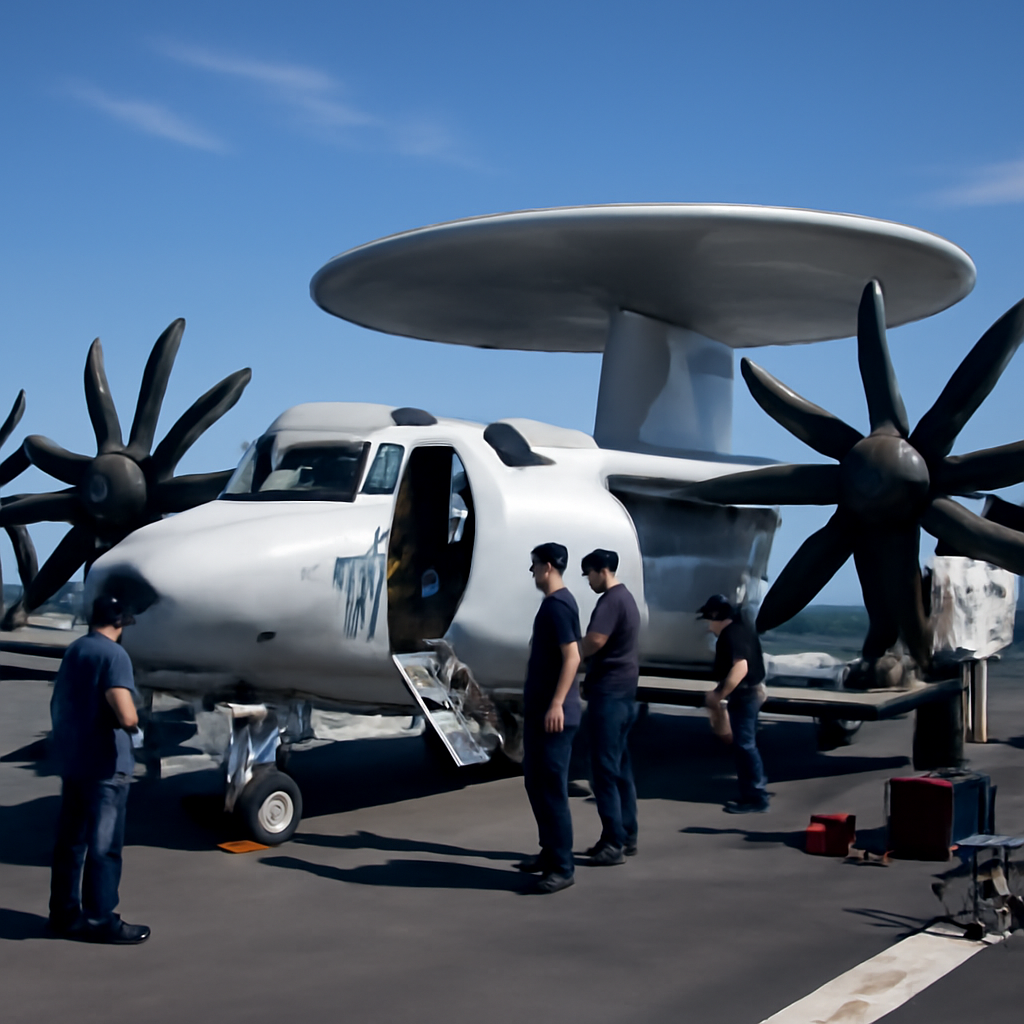
US Navy Advances E-2D Hawkeye with Block II Upgrade
The US Navy has achieved a major milestone with the E-2D Advanced Hawkeye's Block II upgrade, which brings a cutting-edge cockpit, enhanced computing power, and an Open Mission Systems architecture to keep the aircraft ahead of the curve. This game-changing upgrade slashes pilot workload and boosts situational awareness, ensuring the Hawkeye remains a dominant force in the skies.
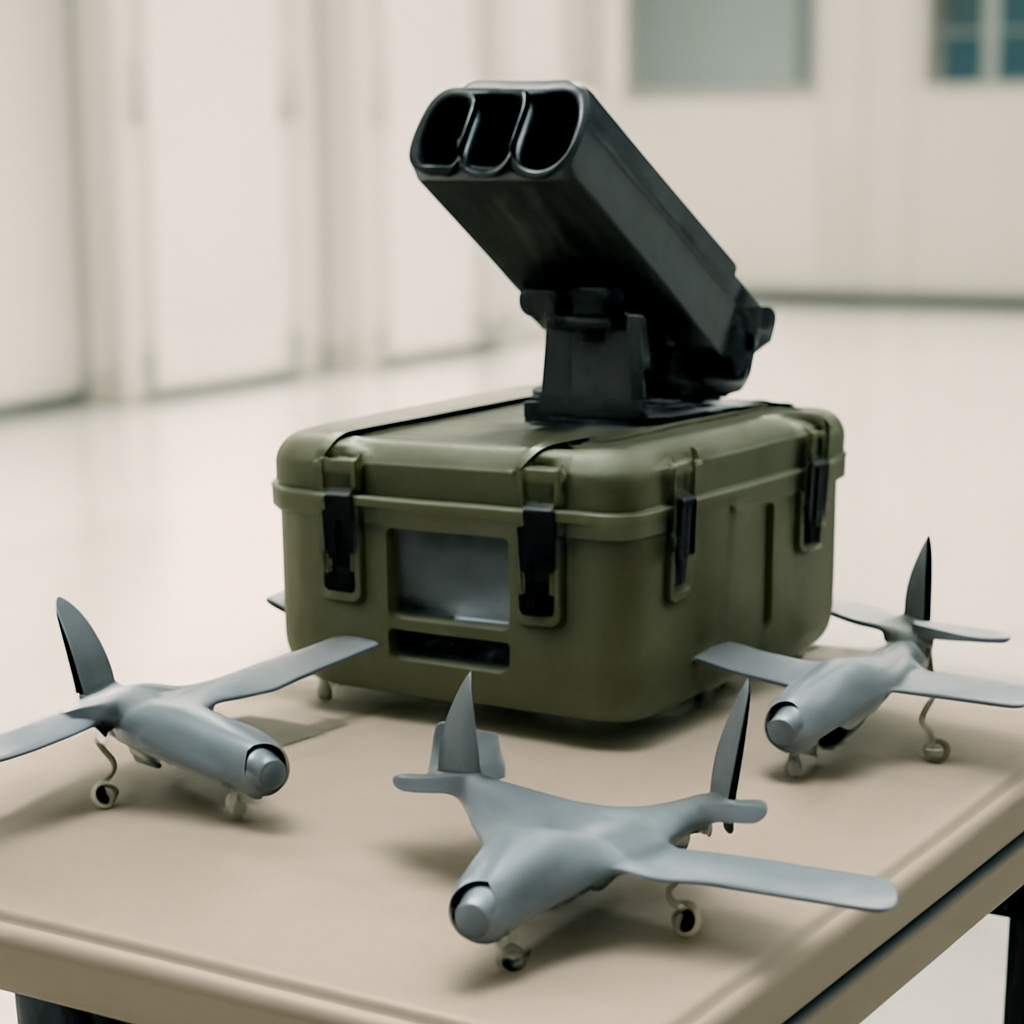
Teledyne FLIR Unveils Black Recon Microdrone System
Meet the Black Recon microdrone system, a game-changing innovation that empowers operators with persistent situational awareness and faster access to actionable intelligence. This cutting-edge tech launches, recovers, and recharges autonomously from manned ground vehicles, revolutionizing high-tempo missions.

Pentagon Pursues Software Upgrade to Enhance Aerial Awareness
The Pentagon is on a mission to supercharge its aerial awareness with a cutting-edge software upgrade, helping older planes to better detect and communicate with each other on the battlefield. This game-changing tech will enable legacy aircraft to stay ahead of the curve, even as the threat landscape evolves at breakneck speed.

Pentagon Seeks 'Moving Map' Tech to Enhance Aircrew Situational Awareness
The Pentagon's Defense Innovation Unit is seeking cutting-edge "moving map" technology to revolutionize aircrew situational awareness, particularly for mobility aircrews flying older aircraft that predate modern digital tools. This innovative platform aims to bridge a critical technical gap, providing crews with reliable awareness of their surroundings.

AI Use Cases Must-Have for Pentagon’s Best Readiness 2026
AI use cases are no longer optional for the Pentagon. In the next 18 months, choosing and governing the right ones will decide whether U.S. forces enter 2026 with an AI-enabled edge—or dangerous gaps in situational awareness, logistics, and command.

incident response Must-Have: Effortless Unified Guide
When alerts start piling up, the difference between chaos and control is a unified incident response that brings IT, security and continuity together. Treat incident response as an organization-wide capability—clear roles, shared visibility and practiced coordination turn noisy alerts into fast, confident action.

Context wins: Must-Have Best AI Defense Tactics
Context wins — whoever understands systems fastest will shape the outcome of the AI-accelerated attack/defense race. Build inventories, sharpen telemetry, harden processes, and share actionable intelligence to tilt the balance back toward defenders.

helmet-mounted displays: Exclusive, Best Tactical Edge
Helmet‑mounted displays are no longer niche pilot toys but powerful force multipliers that merge sensors, targeting, and comms into a pilot’s line of sight—while also creating new vulnerabilities to jamming, spoofing, and human error. Keeping the tactical edge means hardening systems, training for degraded conditions, and designing HMDs pilots can trust.
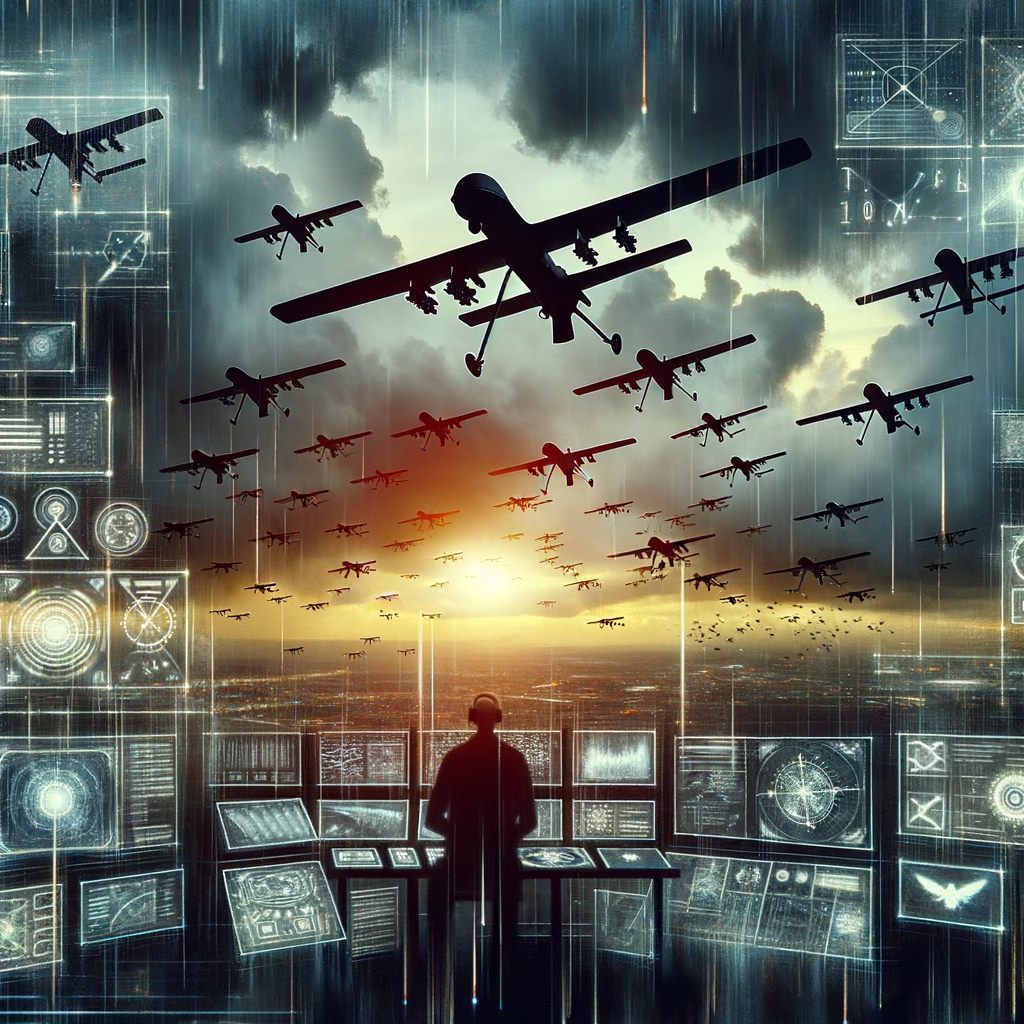
airspace management Must-Have: Best AI for Battle
The Army is racing to put AI into battlefield air-traffic control to stop the sky from becoming a deadly traffic jam, asking industry for near-term “fight tonight” fixes and longer-term, explainable systems that keep commanders safe and sane. Done right, AI could untangle crowded airspace and free leaders to focus on strategy; done wrong, it could make the sky the battlefield’s greatest danger.

Integrated Battle Command System: Must-Have, Best Saver
What if the answer to missile saturation isn’t more interceptors but a smarter brain that makes each shot count? Northrop Grumman’s Integrated Battle Command System fuses sensors and shooters into one coherent picture to cut wasted launches, stretch magazines, and lower costs—if the network is hardened and trusted under fire.

head-mounted displays: Must-Have Best Warfighter Tech
On the battlefield, the best head‑mounted displays don’t win by flash alone — they must deliver clear, timely, and secure information that helps soldiers survive and decide under fire. Demand real-world performance, interoperability, cyber hardening, and user-centered sustainment, because a helmet is only as good as the system behind it.

modern C2 centers: Must-Have Resilience for Victory
As battlefields blur and speed trumps certainty, modern C2 centers face three urgent hurdles: turning overwhelming, messy data into rapid, trustworthy decisions; staying resilient when networks and sensors are jammed or hacked; and knitting multinational, misaligned systems into a single, trusted command. Solving them will mean smarter tech, tougher doctrine, and real-world drills that bind militaries, industry and allies together.

C2 centers: Must-Have Resilience for Best Survival
When the map is incomplete, radios go quiet, and drones, jammers and deception probe your nerve centers, modern C2 centers face three linked challenges—information overload and trust, contested communications, and coalition interoperability—that will decide whether commanders can see, decide and act faster than the enemy. The Ukraine war shows we must prioritize explainable data fusion, layered resilient comms, and federated interoperability now, or risk losing the advantage on tomorrow’s battlefields.

MEMS IMUs: Must-Have Precision, Risky Consequences
A $50 MEMS IMU turning a $50,000 weapon into a pinpoint munition forces us to rethink deterrence, escalation, and the rules of engagement. Buying 300,000 of these tiny sensors makes precision pervasive — reshaping tactics, supply chains, and policy in ways both stabilizing and risky.
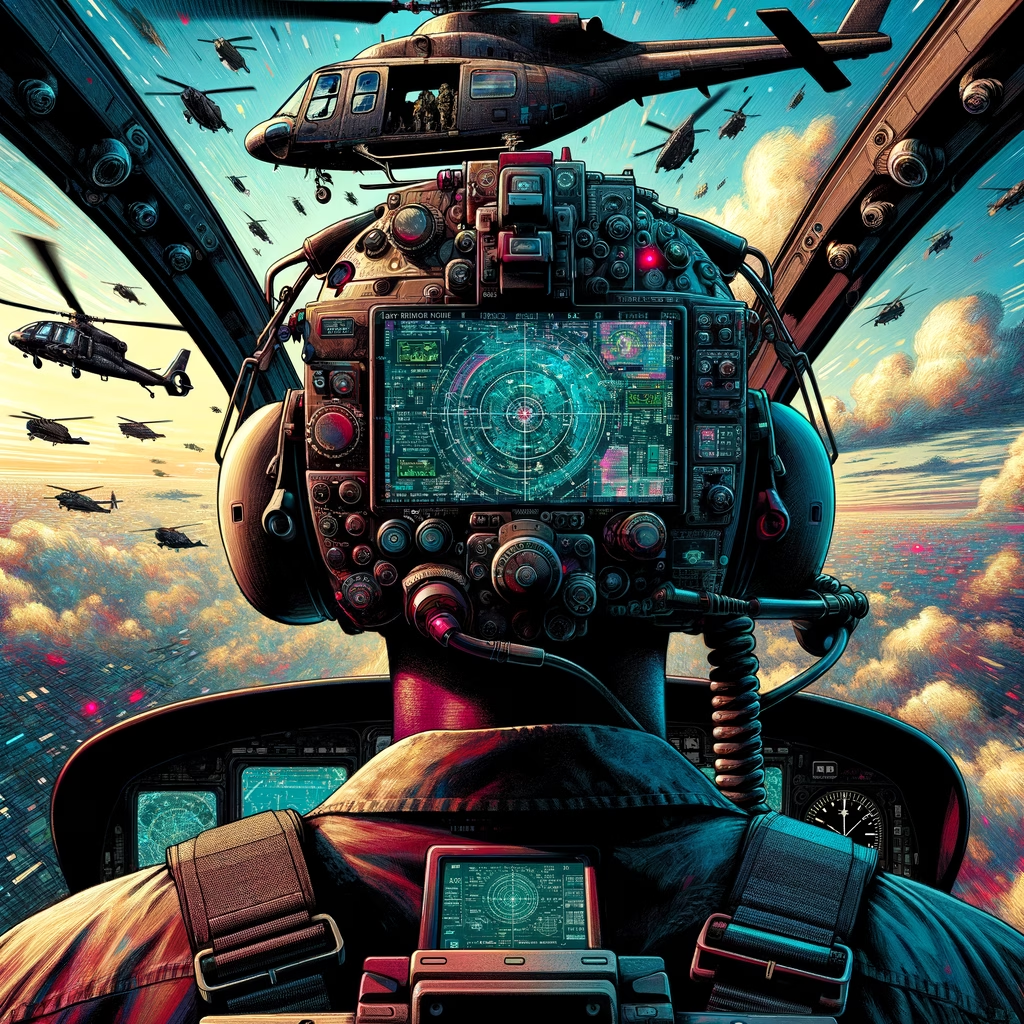
situational awareness gap: Must-Have HMDs for Best Safety
Could a visor really save lives? Helmet‑mounted displays bring pilots and crews the same real‑time picture—cutting radio clutter, speeding decisions, and closing the situational‑awareness gap that can mean the difference between mission success and disaster.