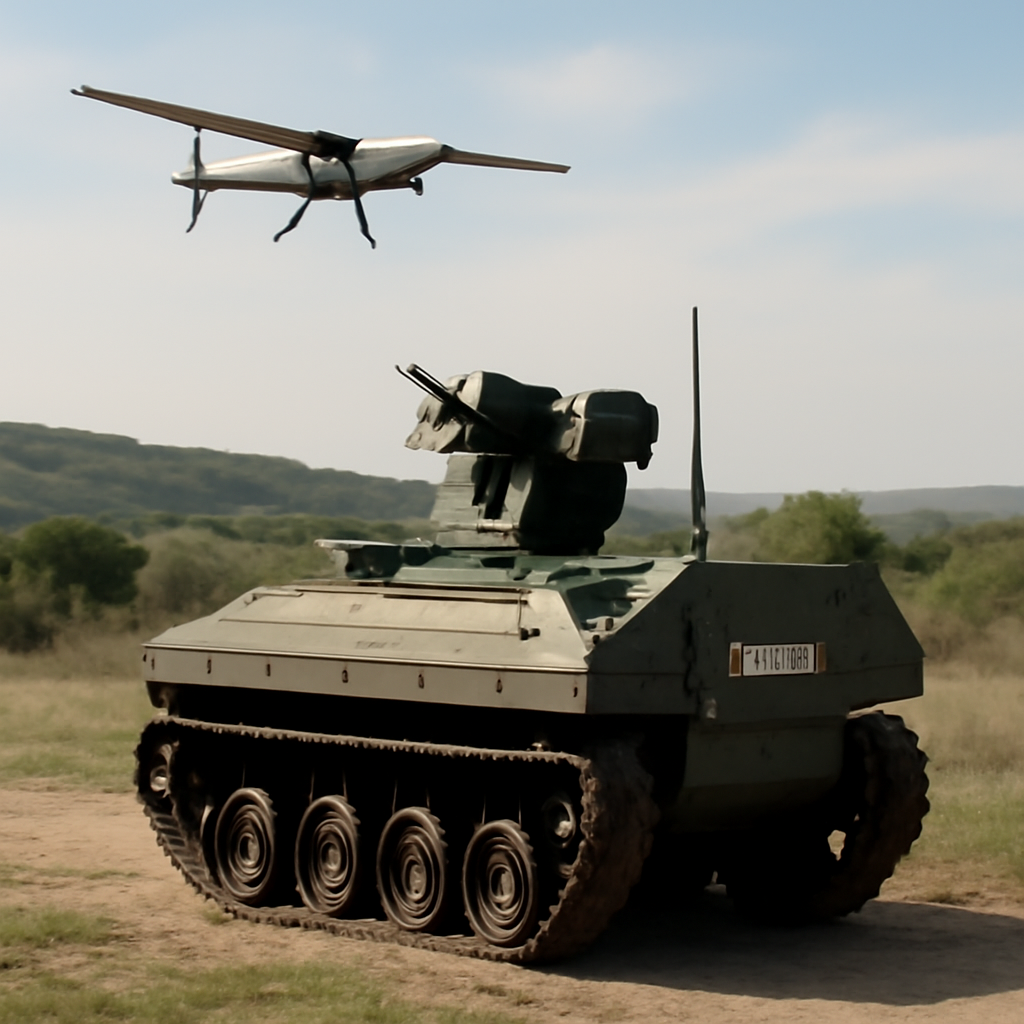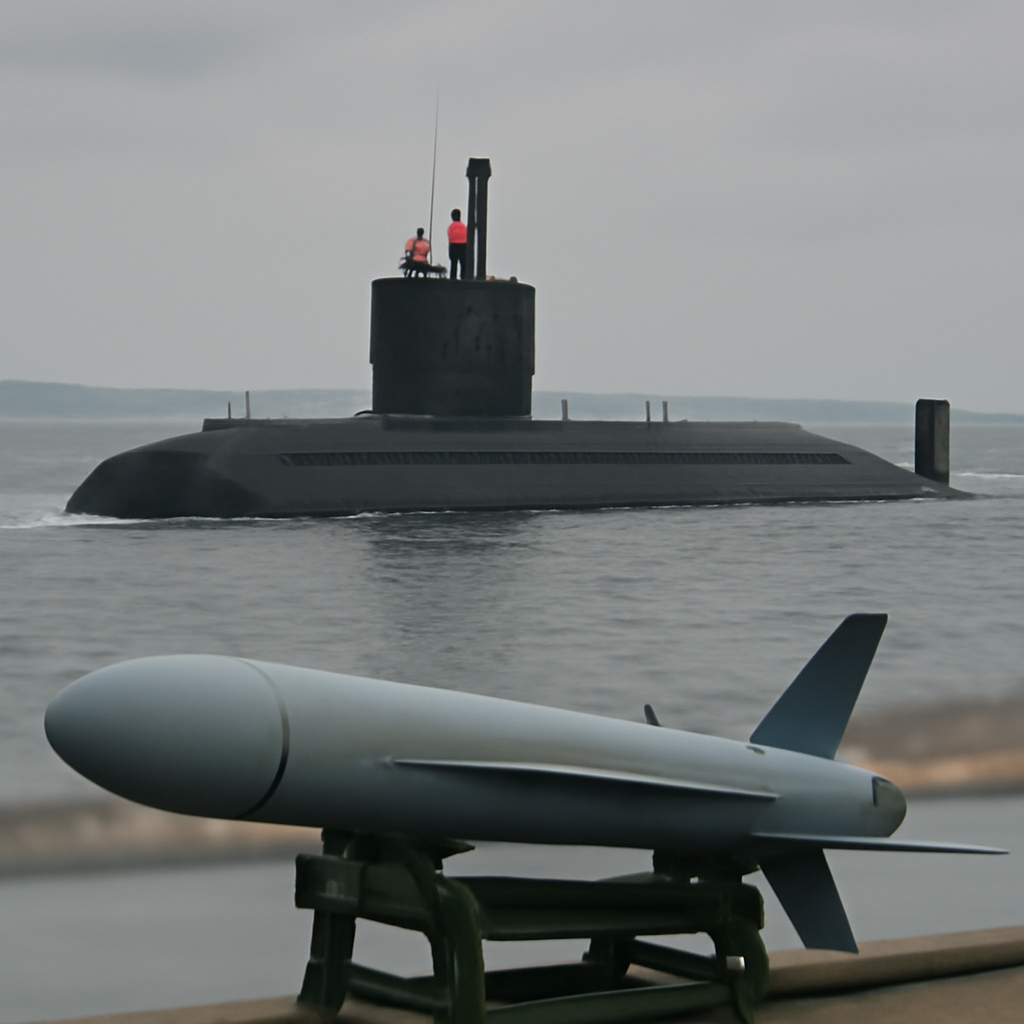
What is at stake is whether a proposed US Marine Corps war reserve stockpile at Bandiana will shorten the time between mobilisation and effect — or become another distant warehouse that cannot be moved north fast enough to matter.
Bandiana and the Albury–Wodonga logistics hub
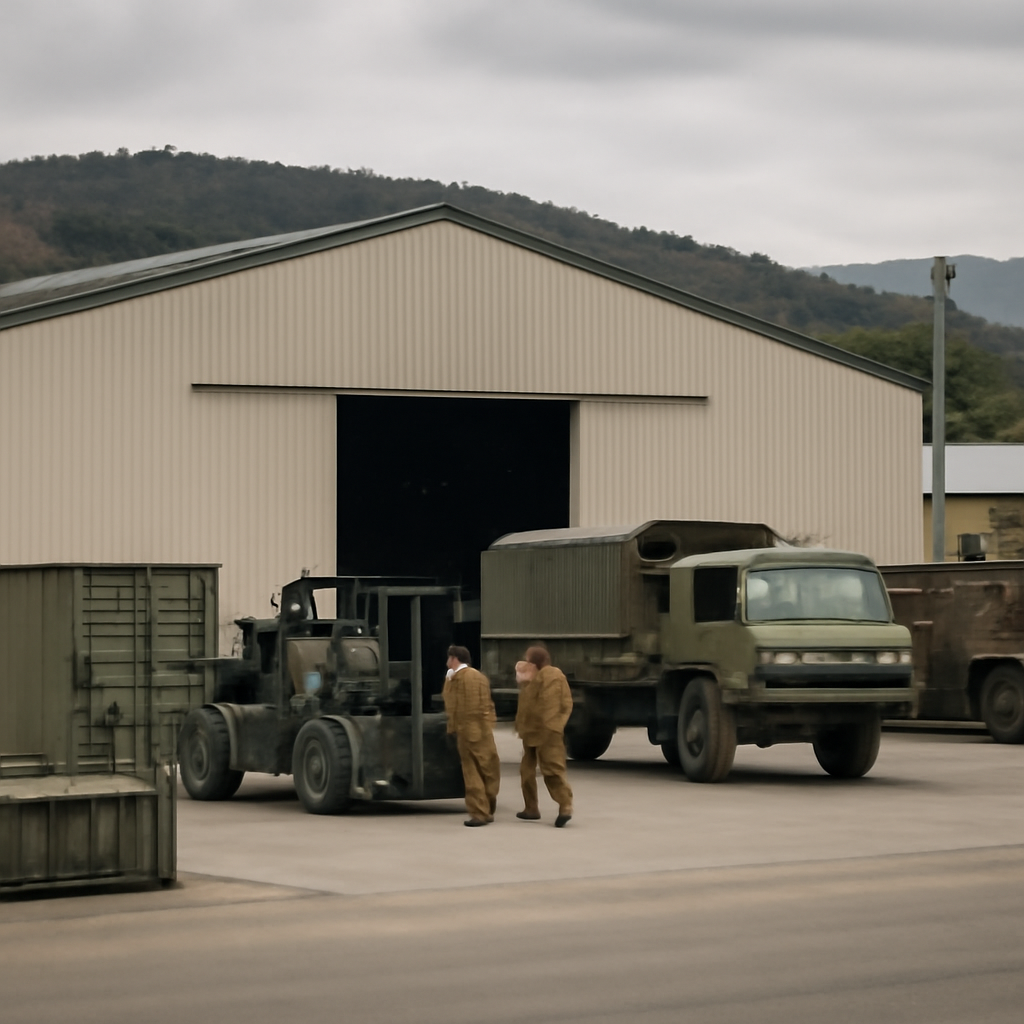
The proposed war reserve sits at Bandiana, a suburb of Albury‑Wodonga on the New South Wales–Victoria border. The site sits inside an established military area that already hosts Joint Logistics Unit–Victoria, the Army Logistics Training Centre and schools for logistics, ordnance, transport, health and electrical and mechanical engineering. Documents published by the US Navy indicate the United States will spend about US$30 million (A$42 million) on the facility, which the US Marine Corps will use to hold weapons, ammunition, spare parts and logistics equipment. The facility could reach full capacity by 2028.
The northward imperative in Australian defence planning
At the strategic level, Australian defence planning repeatedly points north. The Defence Strategic Review, National Defence Strategy and Integrated Investment Program identify northern bases, ports, barracks and airfields as central to deterrence, denial and allied operations. The government has committed A$3.8 billion over four years to improve northern bases, and both the 2024 and 2026 investment plans point to more than A$30 billion for northern base hardening and upgrades over the coming decade. That northward focus is the baseline against which any southern stockpile must be judged.

This site is the portfolio.
OSINTSights runs on Cloudflare Workers, D1, R2, and Vectorize, with an AI pipeline on Hetzner ARM. Nubivance designed, built, and operates it. We do the same for clients.
See what we buildInfrastructure realities: Inland Rail, Albury Airport and road movement
Bandiana is connected to the national rail network and sits near the Hume corridor, but key transport projects remain unfinished or scaled back. The Inland Rail project was intended to create a 1,600‑kilometre freight spine from Melbourne to Brisbane; the project is incomplete, and the federal government has scaled back the full northern connection after cost estimates reportedly reached about A$45 billion. Albury Airport received A$5 million in 2025 to strengthen the runway to accept larger aircraft, but it is not described as a major military airlift hub. These infrastructure facts shape the realistic options for moving large volumes of stores northward under pressure.
Operational risks: movement, visibility and consumption rates
Survivability at Bandiana — farther from potential strike systems — is only one dimension of value. The source argues that distance from a missile envelope does not automatically equal strategic endurance. If stores must travel thousands of kilometres north during a crisis, movement becomes the vulnerability. Road movement would consume drivers, escorts, fuel, maintenance, security and scarce movement‑control capacity and would create visible patterns across civilian transport networks. Successful movement would also depend on bridges, depots, fuel points, rail terminals, ports, data systems and contractors — points of friction or targeting that can degrade logistics even if the warehouse itself survives.
The piece draws a direct lesson from recent conflicts: modern war consumes materiel at rates that punish optimistic logistics assumptions and exposes seams between military planning and civilian infrastructure. In that environment, warehouses matter, but movement systems matter more. Stockpiles only create deterrent value when commanders can move, protect, replenish and use them under contested conditions.
Three public questions Defence should answer
The source lays out three explicit questions it says Defence should answer publicly before Australians can judge the utility of the Bandiana stockpile. First: what types of stores will sit at Bandiana, and which stocks will be held in northern Australia? Second: how quickly can those stores move north at scale during a crisis or conflict? Third: what rail, road, air, fuel, port and security assumptions underpin that movement plan? Without public answers to those specifics, it is difficult to judge whether southern storage strengthens deterrence or merely adds another warehouse to an already strained logistics system.
What this means for the US Marine Corps, Defence, and transport contractors
- US Marine Corps: the stockpile at Bandiana will provide a prepared inventory of weapons, ammunition, spare parts and logistics equipment — but its operational value depends on declared movement timelines, protection concepts and the ability to integrate with northern staging bases.
- Defence: planners must reconcile investment choices that prioritise northern hardening with a southern stockpile; Defence will be asked to publish the movement assumptions and timelines that justify keeping stores at Bandiana.
- Transport contractors and infrastructure managers: moving materiel north will require drivers, escorts, fuel, maintenance, movement‑control capacity and secured nodes such as depots and terminals; those commercial and civil systems are now explicitly part of the military calculation.
Strategic depth matters. But the central test the source sets out is operational: does Bandiana shorten the time between mobilisation and effect, or does it create a logistical drag that a potential adversary can disrupt without ever bombing the warehouse? Defence’s public answers to the three questions above are the next concrete step required to show whether the Bandiana plan is endurance — or storage in a different postcode.