"From spending 2.3 percent of GDP on defense in 2024, we are raising it to 2.7 percent, putting us on a trajectory to reach 3 percent in the next parliament [from 2029], which must be the number one priority of the next spending review," Prime Minister Keir Starmer said during a visit to Malloy Aeronautics' facility in Berkshire.
Prime Minister Keir Starmer's pledge and the headline numbers
Starmer announced that British defense spending will reach close to £80 billion ($105 billion) annually by 2029 and that a package of extra funding worth £15 billion to support the newly published Defence Investment Plan (DIP) has been approved. He framed the increase as part of a broader commitment to spend 5 percent of GDP on "wider security," covering energy security, critical infrastructure and defense, and said the DIP itself takes Britain to 4.2 percent under that commitment.
Defence Investment Plan: funding, priorities and programs
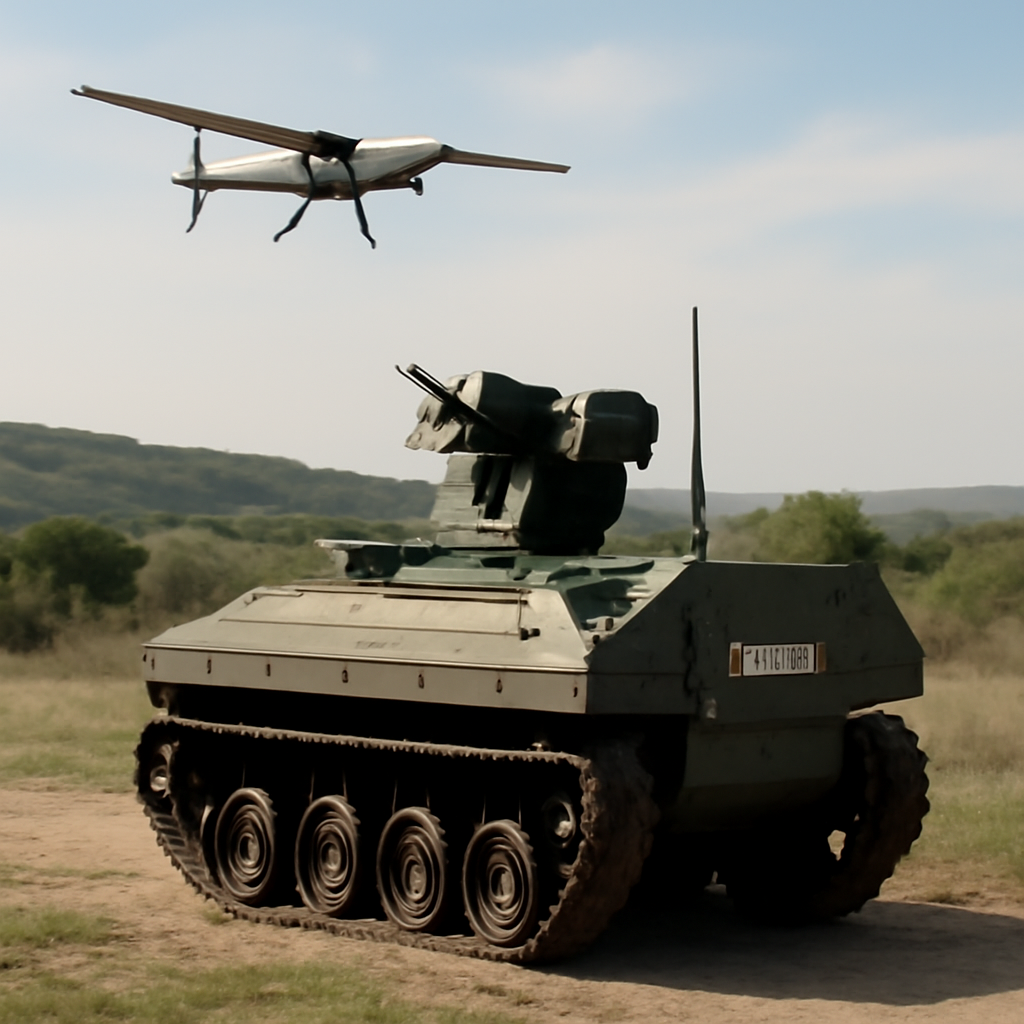
The DIP, which the Ministry of Defence published alongside Starmer's announcement, is funded by spending of £298 billion over the next four years and sets out equipment priorities and planned cuts for the coming decade. Key allocations in the plan include £5 billion designated to finance a "drone transformation," a move described in the DIP as part of a shift away from large naval ships toward a "hybrid" fleet.
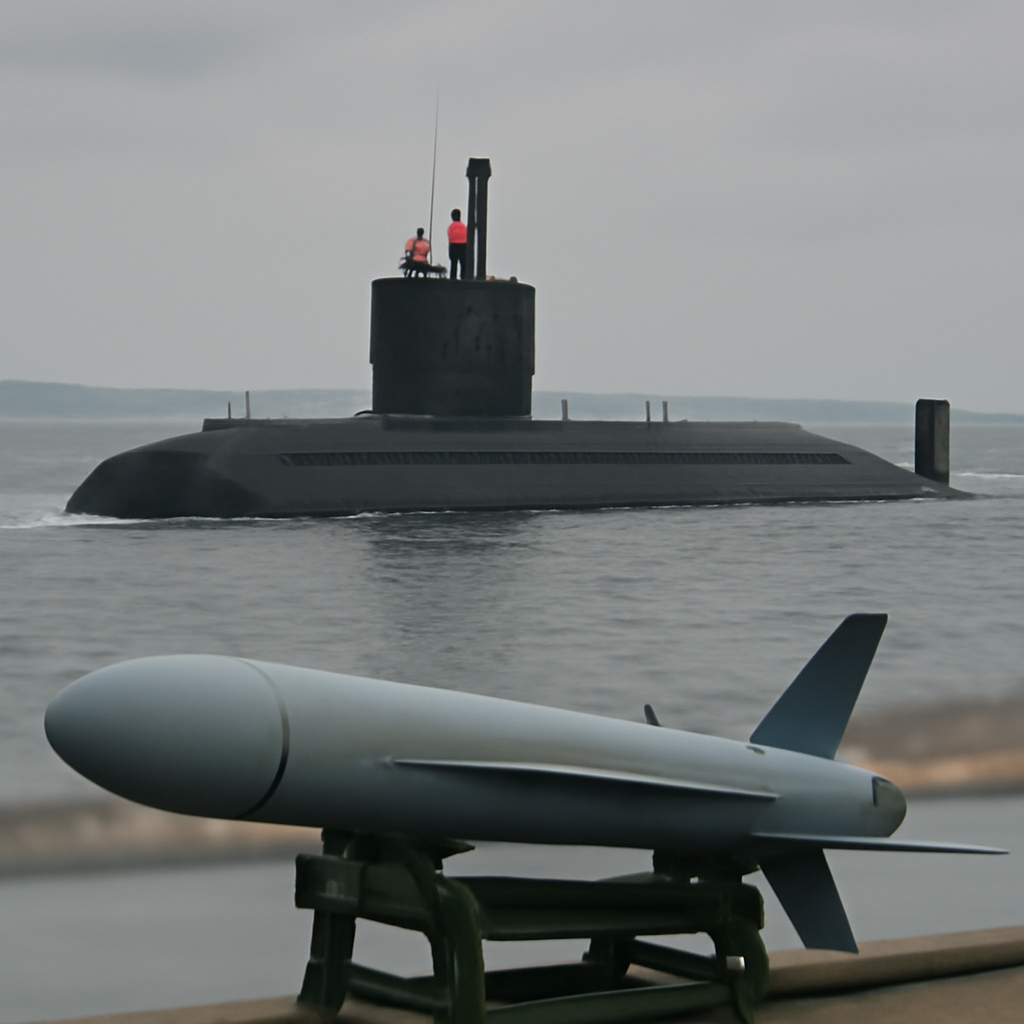
The plan also contains a new collaborative combat aircraft program for the Royal Air Force and a renewal of Britain's nuclear deterrent through a £64 billion investment. That nuclear package is specified to cover nuclear-armed Dreadnought ships, conventionally armed SSN-Aukus vessels and a "sovereign" warhead. Separately, Starmer said an £8.6 billion investment will back the United Kingdom's renewed commitment to develop sixth-generation fighter jets under the Global Combat Air Programme (GCAP) with Italy and Japan.
As an immediate procurement detail, Starmer revealed that the UK will acquire a fleet of 12 Lockheed Martin-produced F-35A dual-capable, fifth-generation fighters, a recommendation that he said came from the 2025 Strategic Defence Review. The plan also proposes a £50 billion UK defense export facility enabled by what Starmer called the "largest expansion of UK export finance support" in 100 years.

The cyber insurance questionnaire just landed. Now what?
SOC 2, HIPAA, insurance renewals - someone has to own security strategy. Nubivance provides fractional CISO leadership without the full-time salary.
Get a security leadNATO response and the missing timeline for alliance targets
Although Starmer promised the trajectory to 3 percent of GDP and a broader 5 percent commitment on wider security, he did not disclose a timeline for meeting NATO's 5 percent spending target. NATO Secretary General Mark Rutte welcomed the DIP on X, saying: "This is a good step towards reaching the 3.5% of GDP on defence agreed in The Hague last year." The UK pledge therefore sits alongside alliance-level debates over GDP-share benchmarks, even as some measurements in Starmer's presentation mix defense and broader security spending.
Domestic political fallout: John Healey's resignation and criticisms
The DIP arrived weeks after the resignation of former defence secretary John Healey, who left office because, in his view, the plan would not "give our Forces the resources they need." The approved £15 billion supplement to the DIP fell short of what the Ministry of Defence allegedly pushed for internally — a reported aim of securing £28 billion — and that gap is a point of contention.
Richard Barrons, co-author of the Strategic Defence Review, offered a measured critique to BBC radio prior to the DIP's release, saying: "there will be a decent transformative element to it, but … more has to be done sooner, and that requires more money than is currently on the table." The exchange between the prime minister, the Treasury and the MoD over the scale and timing of extra spending spilled into the public domain in recent weeks, underscoring the political strain around timing and sufficiency.
What this means for the Royal Navy, the Royal Air Force, and defence exporters
- Royal Navy: The DIP's described shift to a "hybrid" fleet and the £64 billion for nuclear deterrent renewal (covering Dreadnoughts and SSN-Aukus vessels) signal prioritization of submarine and smaller naval capabilities over very large surface combatants.
- Royal Air Force: New collaborative combat-air programs and the UK's commitment to GCAP — plus the immediate purchase of 12 F-35A jets — map a two-track approach: near-term acquisition of fifth-generation platforms while investing in a sixth-generation program with Italy and Japan.
- Defence exporters and finance: A £50 billion export facility and the claimed "largest expansion of UK export finance support" in a century aim to boost sales and industrial cooperation; Lockheed Martin is explicitly named as the supplier for the 12 F-35A jets referenced in the plan.
Starmer called the package a "huge historic shift for our nation" and argued the spending increase plus capability changes — informed, he said, by lessons from Ukraine and Iran — will allow the UK to deter aggression and fight if required. Yet the announcement leaves concrete questions on timing and scale unresolved: the plan promises a path to 3 percent of GDP by the next parliament and cites broader 5 percent ambitions, but does not set a date for meeting NATO's 5 percent target or bridge the MoD's reported funding ask of £28 billion. The DIP will now move from publication into political debate and implementation, with procurement choices and budgetary trade-offs to follow.