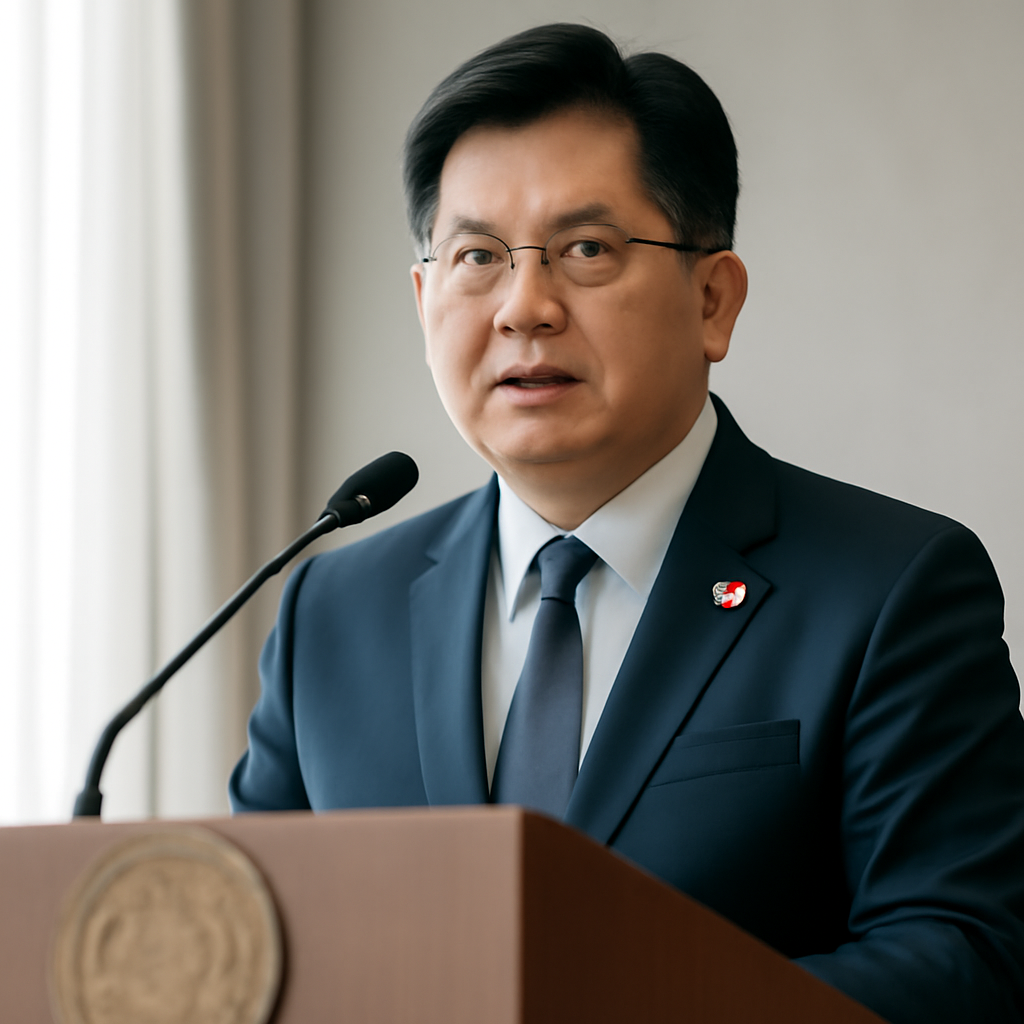
"Taiping Island is of course an island," Foreign Minister Lin Chia-lung told a legislative committee on 22 July — a blunt assertion that came only after opposition lawmakers pressed the point. That moment captures the larger problem: Taiwan's public posture on sovereignty is uneven, episodic and often reactive, giving Beijing room to shape the international story about the island's status.
Mainland Affairs Council reaction to the Chinese–Indonesian naval exercise
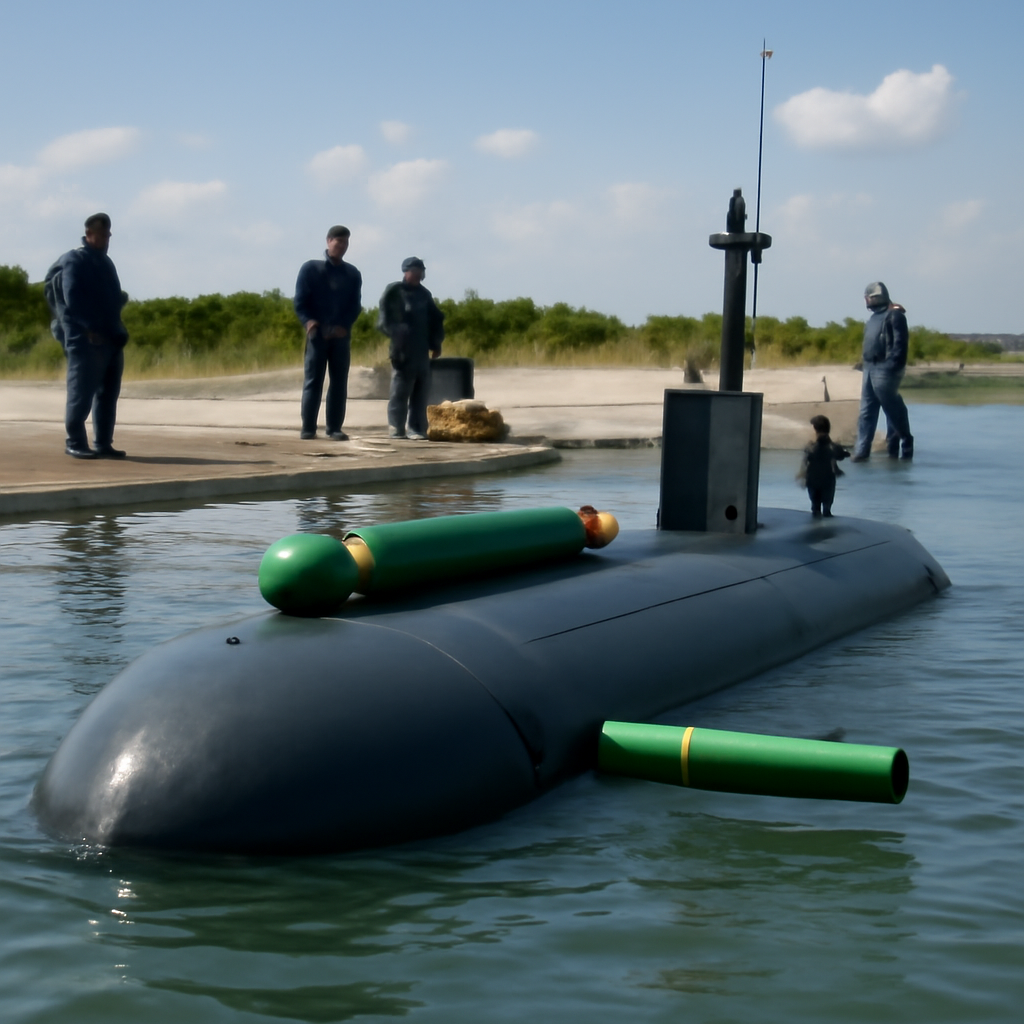
On 13 August, Taiwan’s Mainland Affairs Council sharply condemned a planned Chinese–Indonesian naval exercise in waters east of Taiwan, accusing Beijing of using the drill to create the false impression that it exercised jurisdiction there and calling China a "troublemaker." The council’s forceful language contrasts with other instances when Taipei has been more restrained — signaling that Taiwan will protest some actions loudly, while accepting or downplaying others.
Different language for Japan and the Philippines
When Japan and the Philippines announced in May that they would negotiate overlapping maritime claims that include waters claimed by Taiwan, Taipei’s initial response was markedly muted. The foreign ministry said it would ask its representative offices to verify details, and President Lai Ching-te stressed that pre-existing bilateral fisheries arrangements with Japan and the Philippines would protect Taiwanese fishermen’s rights. It was only after Kuomintang opposition lawmakers raised concerns about fishing rights and sovereignty that Taipei’s language grew more explicit about accounting for Taiwan’s exclusive economic zone claims.

This site is the portfolio.
OSINTSights runs on Cloudflare Workers, D1, R2, and Vectorize, with an AI pipeline on Hetzner ARM. Nubivance designed, built, and operates it. We do the same for clients.
See what we buildTaiping Island, a public debate and strategic caution
July marked ten years since the South China Sea arbitration ruling — an occasion for Taipei to reaffirm that Taiping Island is an island rather than a rock, a distinction that determines whether the feature can generate a 200-nautical-mile exclusive economic zone under the law of the sea. Taipei’s posture was initially restrained; only after pressure from the Kuomintang did Lin Chia-lung speak plainly. Lin acknowledged the reason for keeping a low profile: Taiwan’s South China Sea claims overlap substantially with Beijing’s and public emphasis could complicate relations with potential partners. That explanation is strategically understandable, but it illustrates the dilemma: restraint can protect short-term diplomatic relationships while leaving broader principles unexplained.
Beijing’s narrative-building: the Cairo monument and diplomatic claims
China is working the narrative field alongside military and gray-zone pressure. In May, Beijing erected a monument outside Cairo at the Mena House Hotel commemorating the 1943 Cairo Declaration; the inscription reads, "Taiwan’s return to China is an important component of the victory in World War II and the post-war international order." In August 2025 China’s foreign minister argued the Cairo Declaration and Potsdam Proclamation required Taiwan’s return to China. Taiwanese Foreign Minister Lin responded by arguing that the San Francisco Peace Treaty, as a binding international instrument, superseded those wartime political statements and noting that the People’s Republic of China has never ruled Taiwan. Those exchanges demonstrate that Beijing is not only pressing with displays and military signals but also seeking to lock historical and legal narratives into place.
What this means for Taiwanese fishermen, policymakers, and diplomatic partners
- Taiwanese fishermen: President Lai’s reliance on pre-existing bilateral fisheries arrangements with Japan and the Philippines is intended to protect rights at sea; but episodic public responses create uncertainty about how consistently Taipei will defend those arrangements if diplomatic negotiations progress without Taiwan’s full engagement.
- Taiwan’s policymakers: The government faces a trade-off between short-term diplomatic accommodation and a sustained, principled explanation of when and why it asserts sovereignty. Lin’s public acknowledgment that restraint was chosen to avoid complicating relations with partners underscores that those decisions are intentional — yet not framed as part of a coherent doctrine.
- Diplomatic partners and Beijing: Without an articulated principle explaining when Taiwan will press claims and when it will hold back, Beijing gains space to project its own legal and historical narratives — whether through monuments like the one at the Mena House or through diplomatic argumentation grounded in wartime declarations.
Taiwan need not mirror Beijing or treat all governments identically. The central shortcoming identified in these episodes is not a lack of responses, but their episodic and reactive character. A coherent doctrine would not demand protest at every negotiation; it would require Taipei to explain the principles that determine when it asserts claims, when it exercises restraint, and how those choices align with a stated commitment to a rules-based order. Absent that framework, gaps in Taiwan’s public case are opportunities Beijing will fill — with implications extending from specific reefs and exclusive economic zones to the broader international conversation about Taiwan’s status.
https://www.aspistrategist.org.au/taiwans-inconsistent-sovereignty-claims-are-good-for-beijing/