Tag: centcom
40 articles

Army Hackathon Yields Quick Fixes for Troops in CENTCOM
In a major breakthrough, a recent Army hackathon at Fort Carson has yielded quick fixes that are already benefiting troops in CENTCOM, with several software patches successfully deployed. The event, dubbed Project Jailbreak, brought together top defense contractors to integrate proprietary systems and make them work seamlessly together.
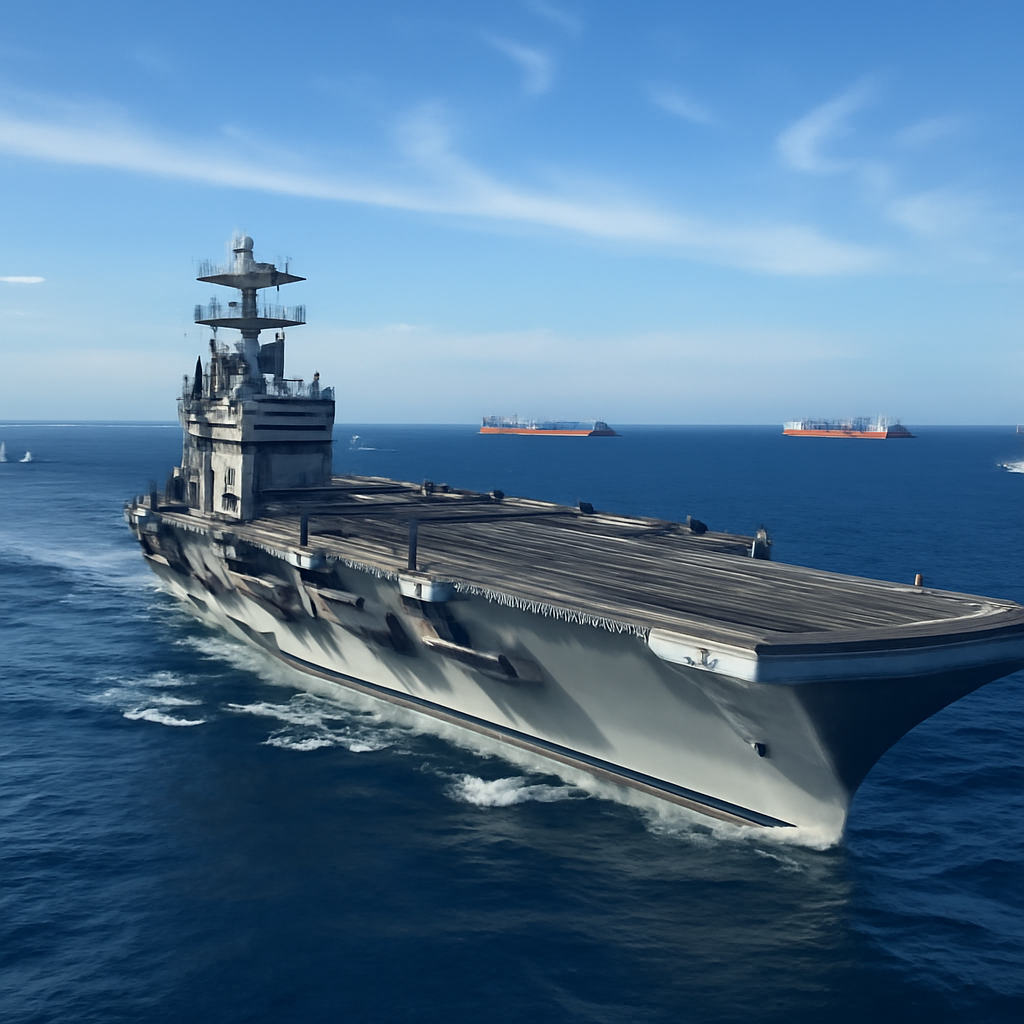
US Carriers Reposition Amid Surge in Global Hotspots
As the global landscape shifts, US carriers are strategically repositioning to stay ahead of the curve, with a notable presence in key hotspots. The US Navy is making its move, with CENTCOM forces having already redirected over 100 commercial vessels and allowed vital aid to pass through.

USAF Deploys Upgraded ULTRA Surveillance Drones to Middle East
The US Air Force has taken a major leap forward with its ULTRA Surveillance Drones, successfully completing a 60-hour flight at 25,000 feet and 100 knots - now, a turbocharged variant is set for operational testing in the Middle East. This next phase will see the drone put through its paces in a real-world setting within US Central Command's area of responsibility.
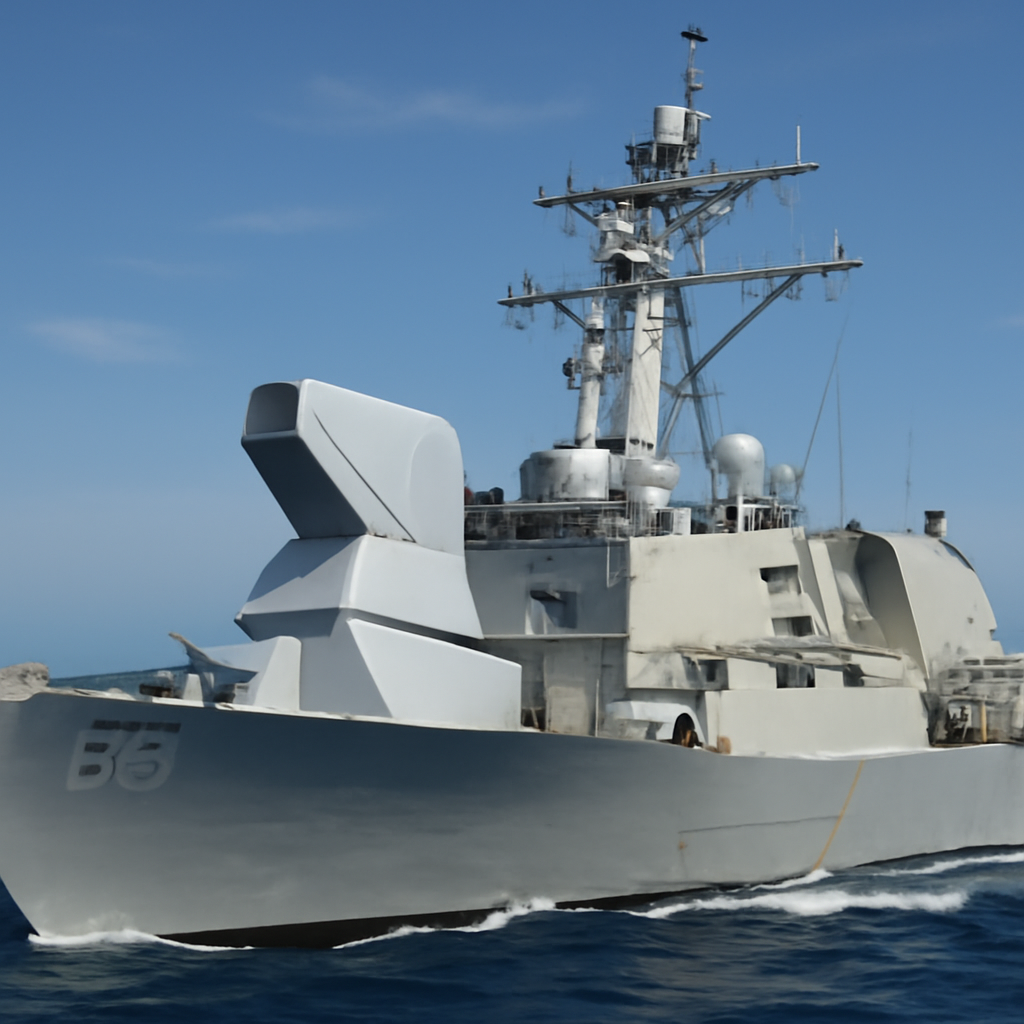
US Navy Deploys Laser-Armed Destroyers
The US Navy is taking a giant leap into the future of warfare with nine cutting-edge destroyers equipped with powerful laser weapons, poised to revolutionize the battlefield. Currently, two of these laser-armed destroyers, USS Spruance and USS John Finn, are on combat deployments in the Indian Ocean, supporting ongoing operations.
CENTCOM Chief Urges New Tech to Neutralize Buried Targets
CENTCOM Chief Adm. Brad Cooper is calling for game-changing tech to tackle buried targets, emphasizing the urgent need for advancements in electronic warfare, counter-UAS systems, and munitions to strike hard-to-reach enemy hideouts. As the threat landscape evolves, Cooper stresses that investing in these areas is crucial to staying ahead.

US Campaign Severely Degrades Iran's Navy, Disrupts Proxy Support
The US campaign, Operation Epic Fury, has delivered a crushing blow to Iran's Navy, crippling its defense capabilities by a staggering 90%, leaving only a fraction of its former strength. CENTCOM head Adm. Brad Cooper revealed the dramatic impact in a Senate hearing, highlighting the significant disruption to Iran's naval power and proxy support.

CENTCOM Commander Disputes Iran's Retained Military Capabilities
CENTCOM Commander Admiral Brad Cooper disputes recent claims that Iran has restored its military might, asserting that the country's capabilities have been significantly diminished. Iran can no longer pose a threat to regional partners or the US as it once did.
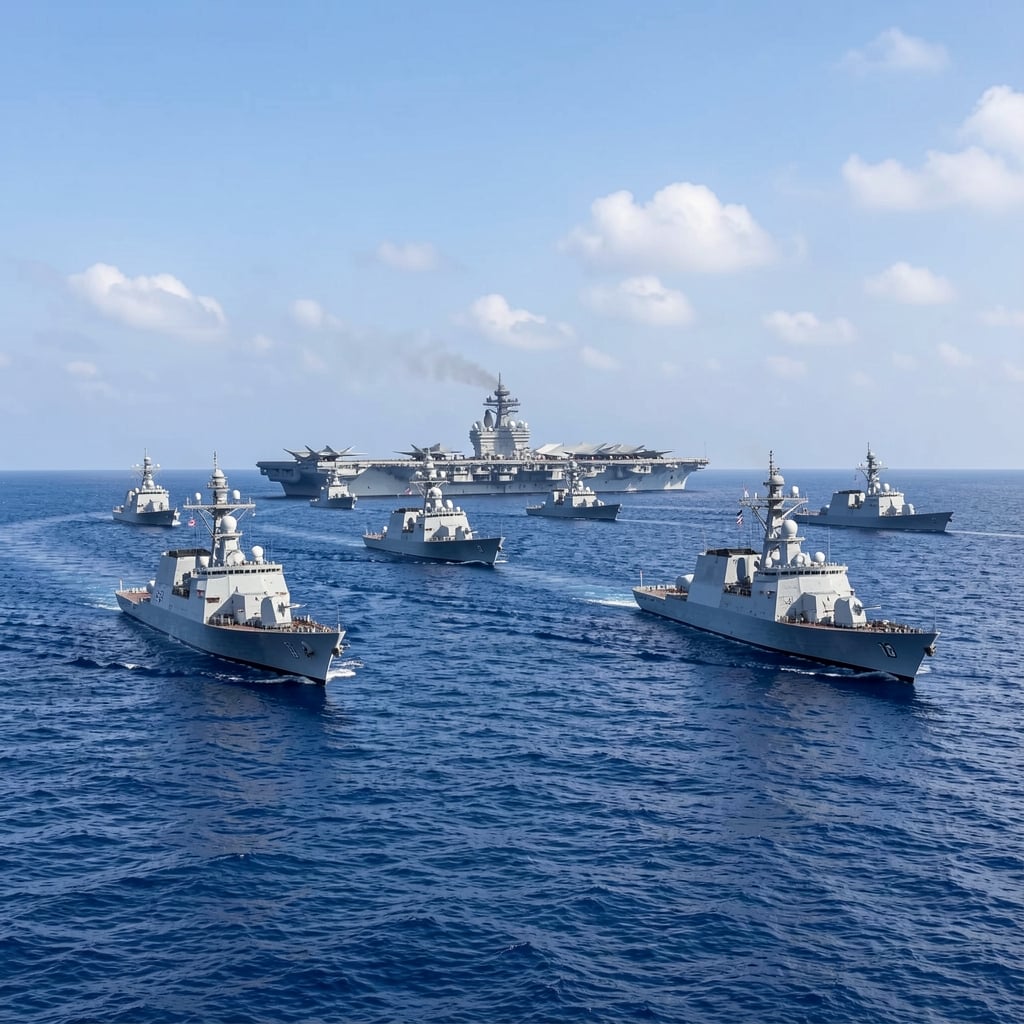
US Navy Bolsters Iran Blockade with 20 Warships Deployed
The US Navy has significantly ramped up its presence in the region, deploying over 20 warships to enforce a robust blockade of Iran, successfully redirecting 61 commercial vessels and disabling at least four that attempted to breach the blockade. This massive show of force is a clear demonstration of the Navy's commitment to maintaining maritime security in the area.

US Helicopters Disrupt Iranian Boat Threat in Strait of Hormuz
In a bold move to safeguard global shipping, US helicopters swiftly neutralized a threat from six Iranian boats in the Strait of Hormuz, showcasing the country's formidable military capabilities. This decisive action is part of Project Freedom, a robust defense initiative launched to ensure safe passage through the critical waterway.

US Launches Project Freedom to Secure Strait of Hormuz Shipping
The US has launched Project Freedom, a mission aimed at safeguarding the vital Strait of Hormuz shipping route, ensuring that merchant vessels can transit freely and safely. Two US-flagged vessels have already successfully navigated the strait under this new protection plan.
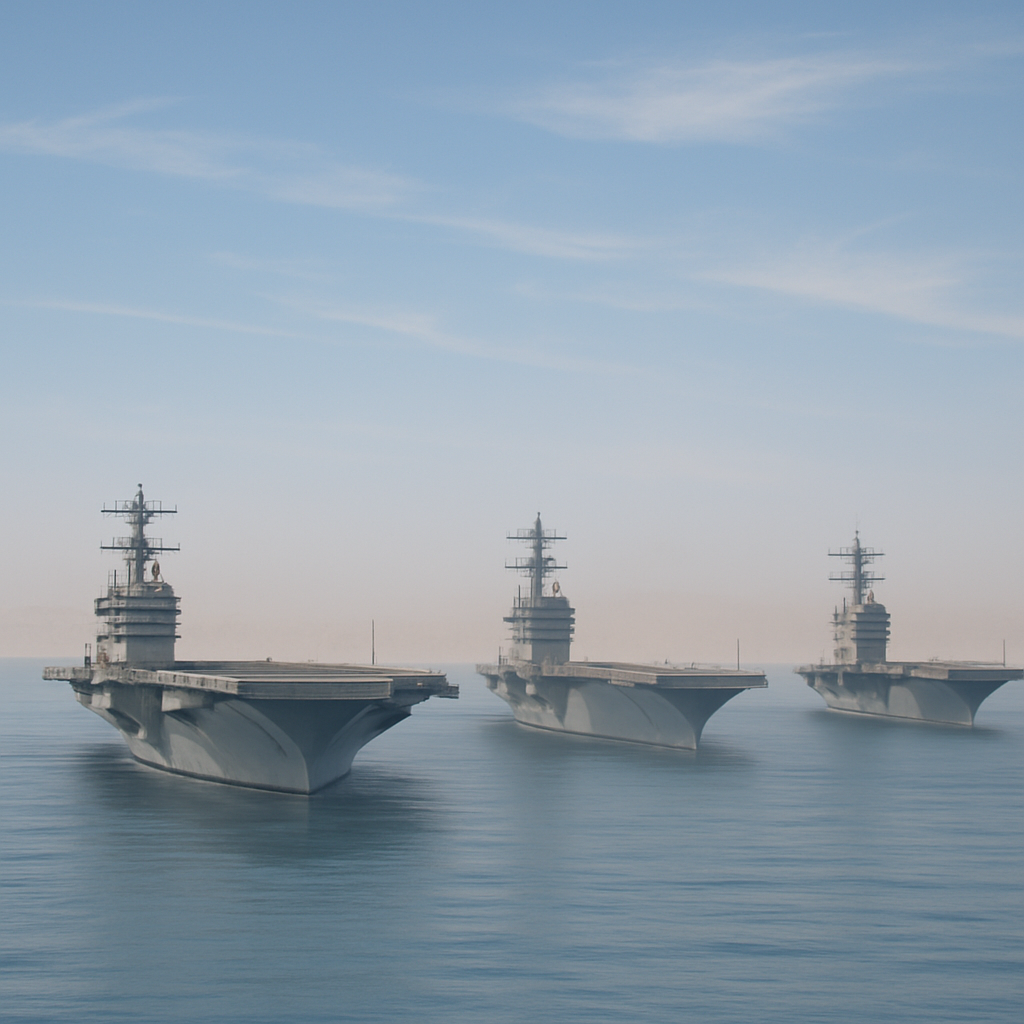
US Aircraft Carriers Deploy in Force Across Middle East
In a historic display of military strength, the US has deployed not one, not two, but three aircraft carriers to the Middle East - a triple-carrier strike that hasn't been seen since the 2003 Iraq War. This unprecedented show of force brings a whopping 14 acres of US territory to the region, with the George H.W. Bush, Abraham Lincoln, and Gerald R. Ford carrier strike groups leading the charge.
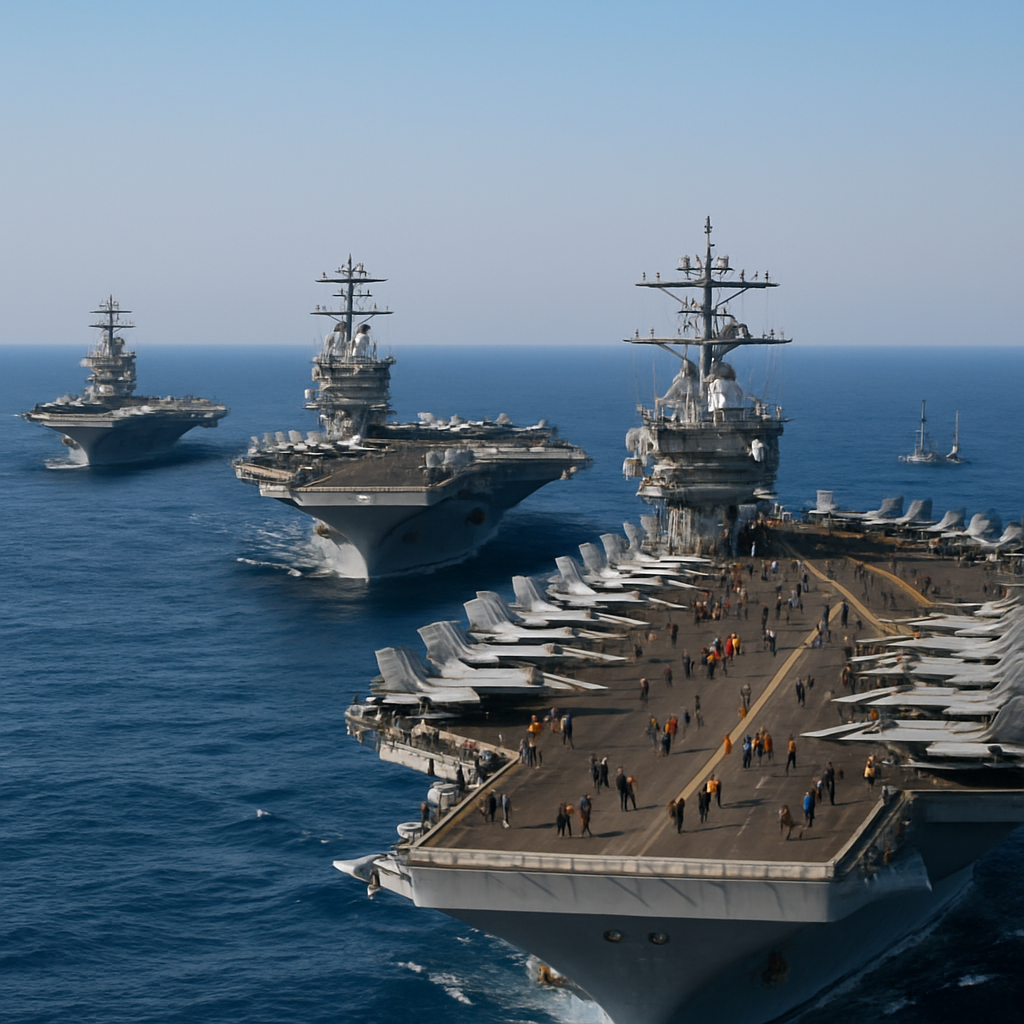
US Deployments Bolster Middle East Military Presence
In a historic move, the US has amassed an unprecedented show of force in the Middle East, with not one, not two, but three aircraft carriers operating simultaneously for the first time in decades. The formidable fleet, comprising over 200 aircraft and 15,000 Sailors and Marines, is a powerful display of naval might.
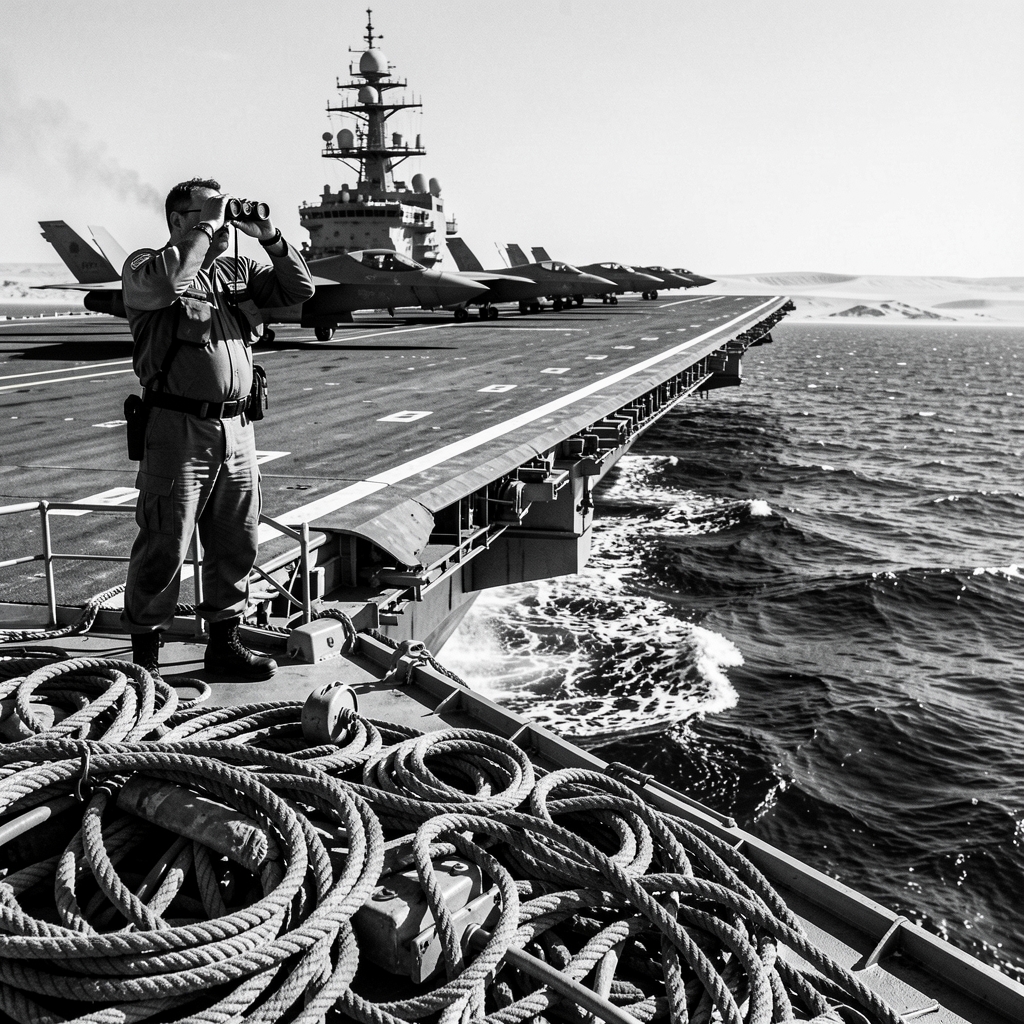
US Carrier Deployments Intensify in Central Command Region
The US military is flexing its naval muscle in a big way, with not one, not two, but three carrier strike groups now deployed to the Central Command region - a significant show of force that's raising eyebrows and sparking questions about the strategic implications. This massive buildup is turning heads, and we're diving into what it means for the region and beyond.

Iran Exploits Commercial Satellites to Evade US Space Command Oversight
The US Space Command has a blunt reality check: despite declaring space superiority, the US must now adapt to Iran's clever use of commercial satellite imagery, freely available to all. It's a contradiction that exposes a harsh truth - a declared dominance doesn't necessarily mean control.
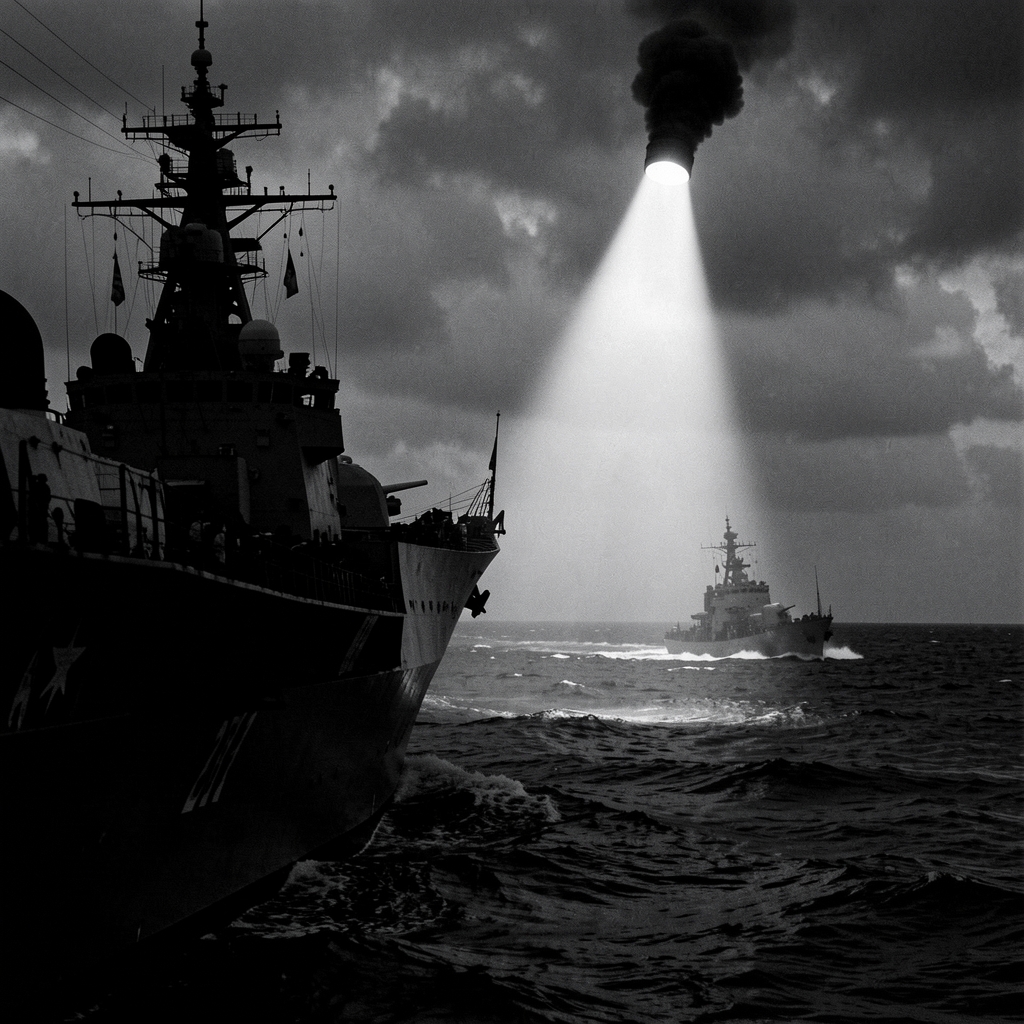
US Navy Intercepts Vessels Attempting to Evade Iran Blockade
Tensions in the region escalate as the US Navy intercepts vessels trying to outrun an Iran blockade, while CENTCOM confirms the blockade is effective and diplomatic channels between Washington and Tehran remain open. The standoff highlights the delicate balance of naval power and diplomatic efforts in the narrow channel.
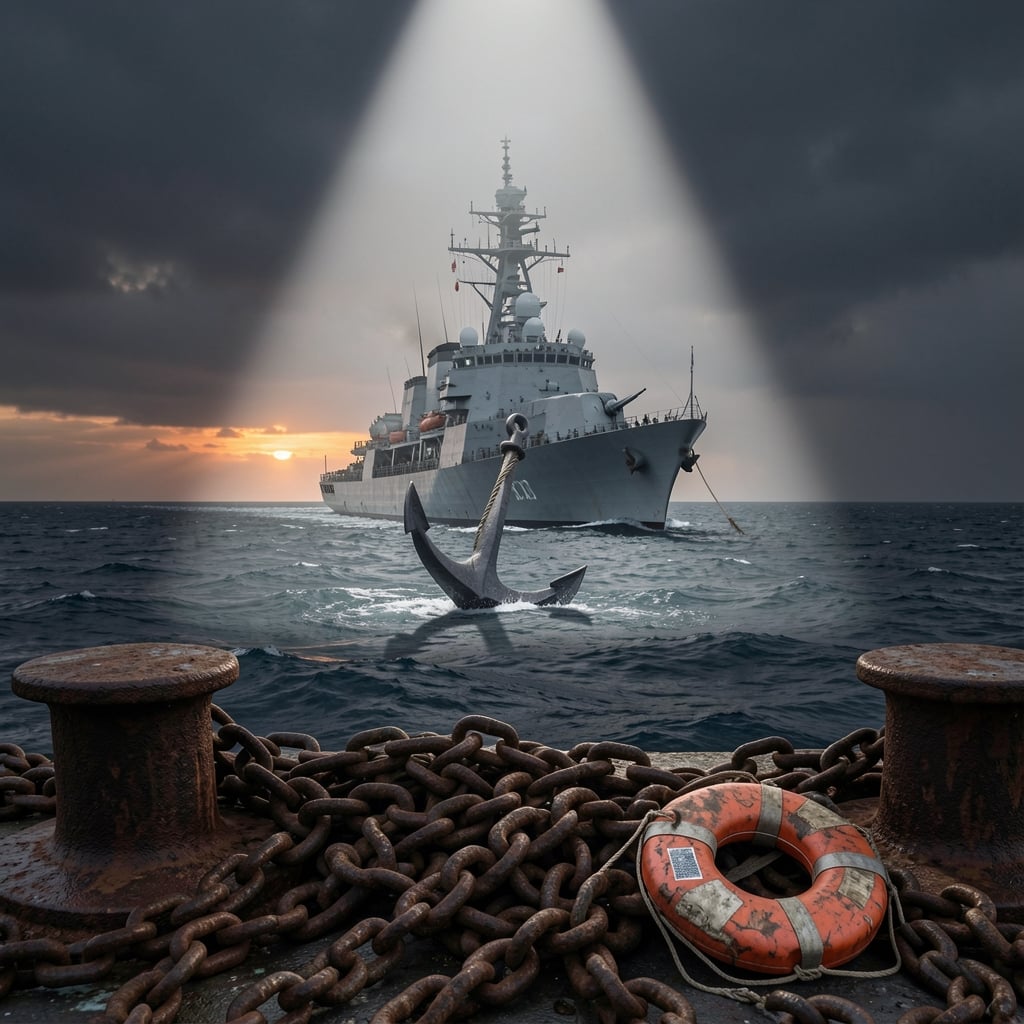
US Navy Bolsters Middle East Presence with Strait of Hormuz Blockade
On April 12, 2026, US President Donald Trump made a bold move, ordering the US Navy to blockade the critical Strait of Hormuz waterway, a strategic chokepoint in the Middle East. A third carrier strike group was also deployed to the region, heightening tensions and uncertainty in an increasingly volatile area.