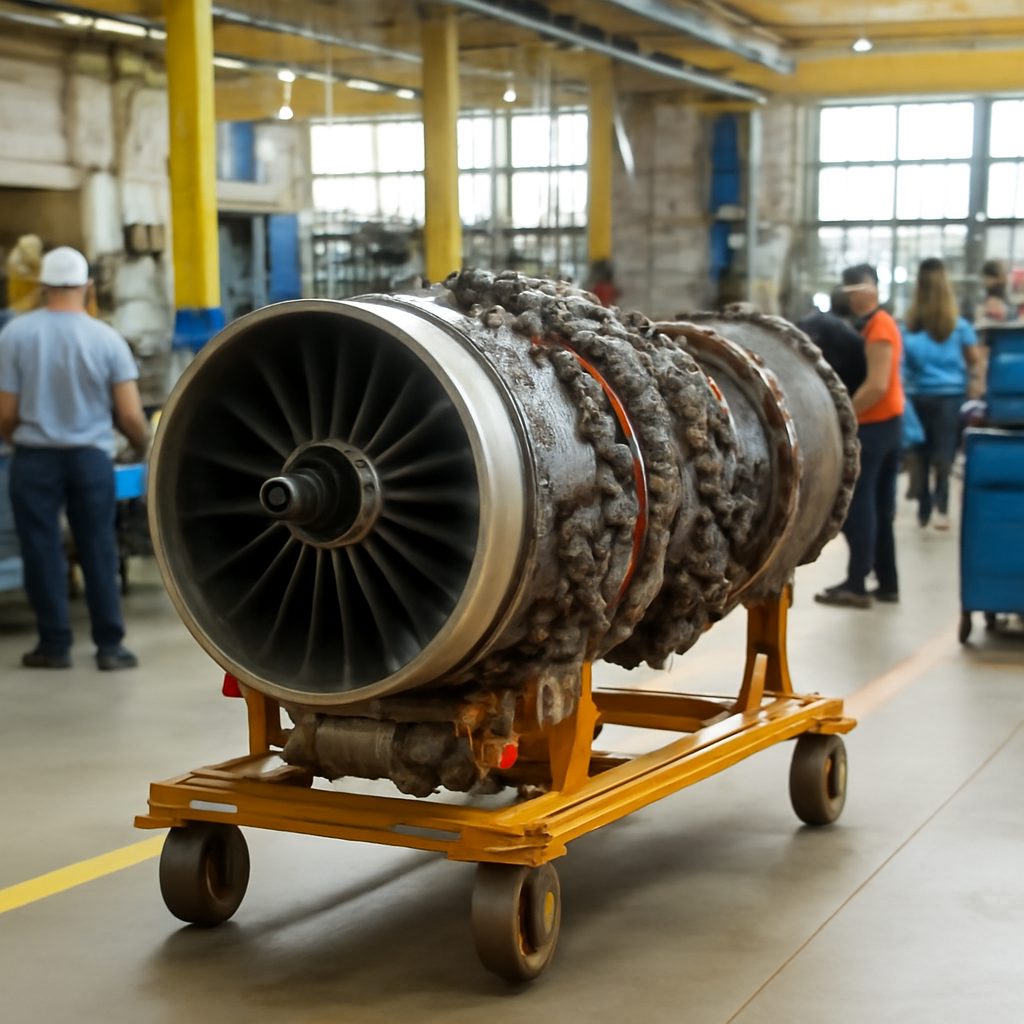
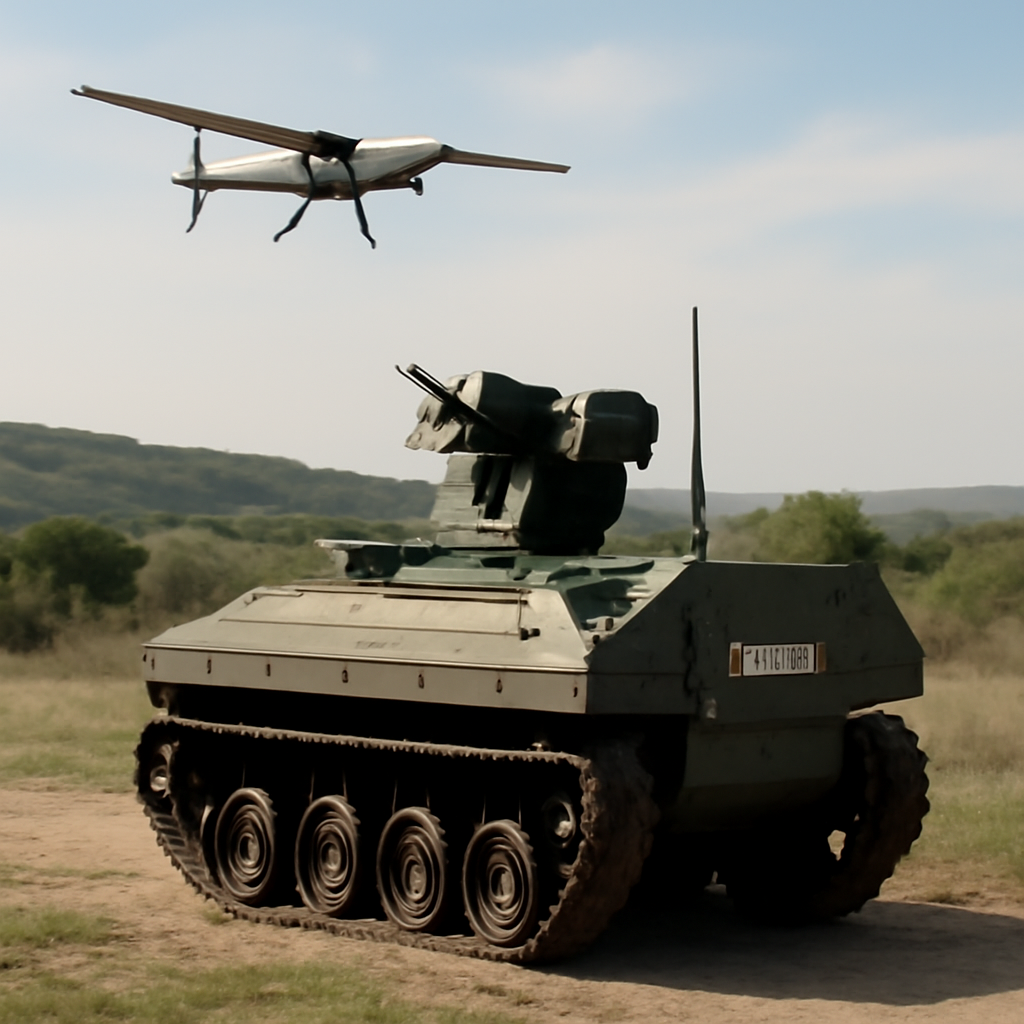
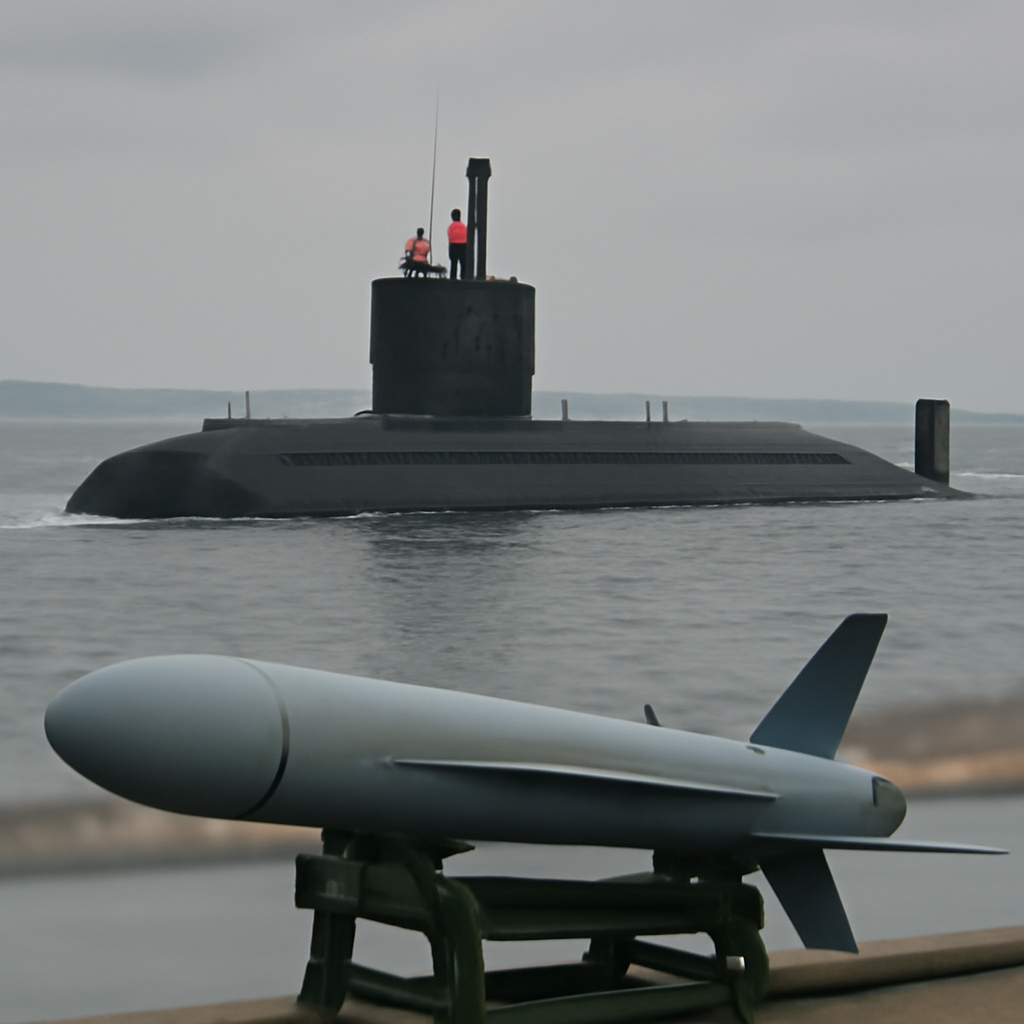
"The defense industrial rates for their drones, and their missiles and their Navy were degraded by 90 percent. They have about 10 percent left," Adm. Brad Cooper told lawmakers, a stark measure of operational effects he described in written testimony and in a Senate hearing on May 14, 2026.
CENTCOM's assessment of Iran's Navy and industrial base
In testimony to the Senate Armed Services Committee, Adm. Brad Cooper, head of U.S. Central Command (CENTCOM), said U.S. operations during Operation Epic Fury have "severely degraded" Iran’s Navy and associated defense-industrial capacities. Cooper offered two related figures: in oral remarks he said degradation was "by 90 percent" and that Iran "have about 10 percent left," while his written testimony recorded the degradation at 85 percent.
Cooper added a military assessment: "the Navy will not begin to rebuild for five to 10 years." He wrote that "in sum, Iran’s navy can no longer claim to be a maritime power, and it cannot project into the Gulf of Oman or the Indian Ocean." He qualified that Iran still retains nuisance capabilities — harassment, low-end drone and rocket attacks, and residual proxy support — but, in his words, it "no longer possesses the means to threaten major regional operations or to deter U.S. freedom of action in the air or maritime domains."
Operation Epic Fury: sorties, strikes, and targets
Cooper described the scope of the campaign in precise operational terms. He wrote that across "more than 10,200 sorties and over 13,500 strikes, we targeted the full breadth of the regime’s ability to project power." Within that effort, he said "more than 1,450 strikes on weapons manufacturing facilities set the regime’s ability to build and stockpile ballistic missiles and long-range drones back by years."
Specific to maritime threat reduction, Cooper stated that the U.S. had eliminated "over 90 percent of Iran’s 'once-massive inventory' of over 8,000 naval mines" and had conducted "over 700 airstrikes on Iranian 'naval mine targets.'" He told the committee that Operation Epic Fury pursued three explicit objectives: degrade Iran's ballistic missile and defense industrial base; degrade Iran's drones and their industrial base; and degrade the Navy and its industrial base — achievements he said the campaign met.

This site is the portfolio.
OSINTSights runs on Cloudflare Workers, D1, R2, and Vectorize, with an AI pipeline on Hetzner ARM. Nubivance designed, built, and operates it. We do the same for clients.
See what we buildCutting off proxy support: Hamas, Hezbollah, and the Houthis
Cooper framed one of the campaign's central effects as severing Iran’s material support to regional proxies. He testified that Iranian proxy groups "have been completely cut off from Iran," asserting that no resources or equipment "are flowing from Iran" to those actors. He named Hamas, Hezbollah and the Houthis as examples of proxy partners now, in his assessment, cut off from Iran's weapons supply and support.
"We also all watched Iran spend decades and billions and billions of dollars arming proxies," Cooper said, contrasting that past investment with the post-Operation Epic Fury state in which, he said, those groups "are all cut off from Iran’s weapons supply and support." He attributed the result to months of careful planning built upon decades of experience.
Gulf partners, Jordan, and Israel: credited operational contributions
Cooper singled out regional partners for their roles in the campaign. He specifically called out the United Arab Emirates, Bahrain, Kuwait, Qatar and Saudi Arabia for helping to strangle Iran’s flow of weapons and to defend against attacks. He added that "everything that we’ve accomplished would have been impossible without the Kingdom of Jordan, and clearly we were operating very closely with the state of Israel."
On the cooperation with Jordan and Israel, Cooper said: "I think that group in particular should be commended. It didn’t just execute missions, they served side by side with Americans and protected Americans." His testimony framed allied participation as integral to both target access and force protection.
What this means for the U.S. military, Gulf partners, and Iranian proxies
- U.S. military: Cooper's written and oral testimony asserts that, as a result of the campaign, the U.S. retains "freedom of action in the air or maritime domains" because Iran "no longer possesses the means to threaten major regional operations." The five- to ten-year rebuild timeline for Iran’s Navy is the central operational window he offered.
- Gulf partners and regional allies: Cooper credited the United Arab Emirates, Bahrain, Kuwait, Qatar, Saudi Arabia, Jordan and Israel with enabling operations that targeted Iran's industrial and maritime capabilities; he singled them out for operational cooperation and protection of U.S. forces.
- Iranian proxy groups: According to CENTCOM's head, Hamas, Hezbollah and the Houthis have been cut off from Iranian weapons and support flows — a central, stated effect of Operation Epic Fury that reshapes immediate logistics and supply assumptions for those groups.
Adm. Cooper’s testimony lays out a clear, numerically grounded claim: a sustained, high-tempo campaign of sorties and strikes degraded multiple Iranian military and industrial systems, reduced an 8,000-plus naval-mine inventory by upward of 90 percent, and — in CENTCOM’s assessment — severed material flows to key proxies. The Pentagon’s timetable for Iran’s maritime recovery, five to ten years, sets the horizon for regional military planning and diplomatic pressure; it is the explicit next-step yardstick Cooper offered to the Senate.