"So we look at it as like, yeah, why wouldn’t we do this? We are all aligned that the defense industrial base needs to be bigger than it is today, and this is a great opportunity together," Jill Albertelli, president of Pratt’s military engines business, told Breaking Defense at the Air and Space Forces Association conference in National Harbor, Maryland.
Pratt & Whitney licenses production of the F100-PW-229
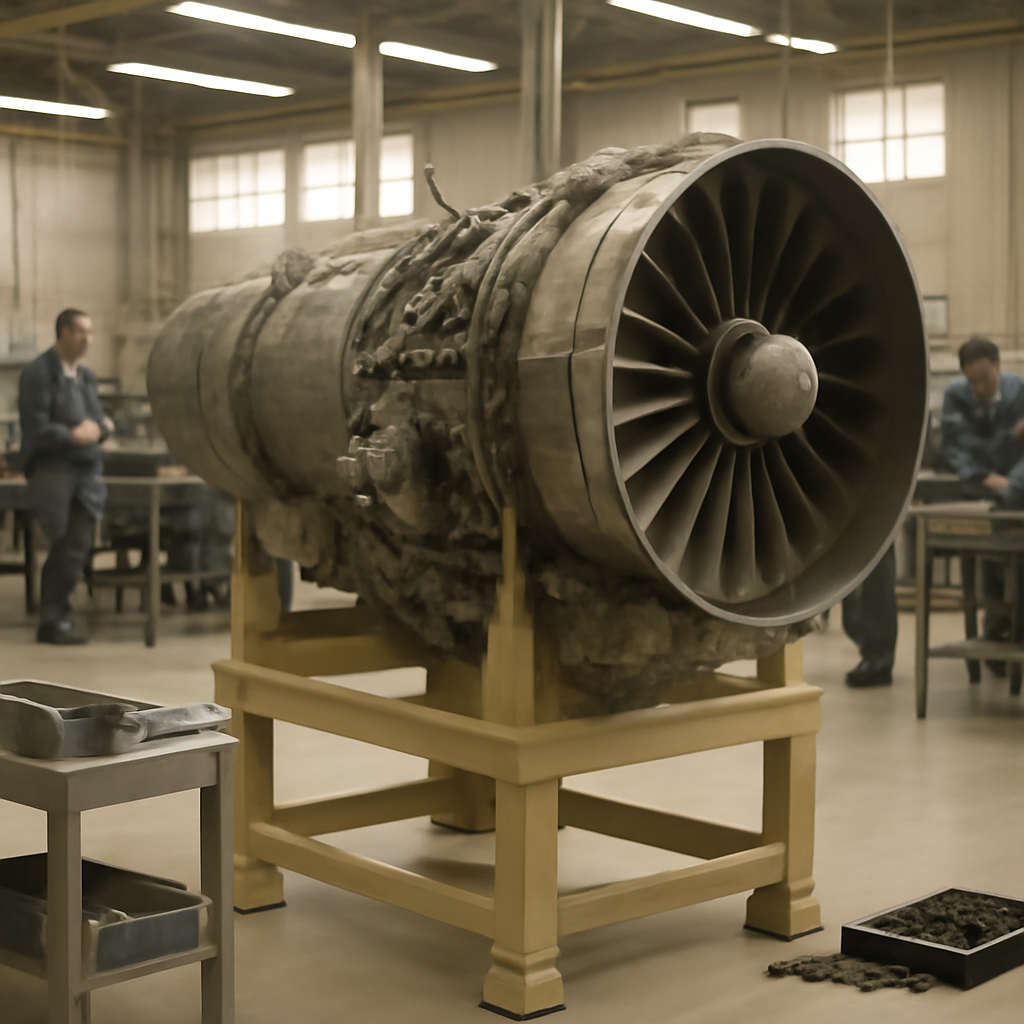
Pratt & Whitney has granted a license to aircraft startup Hermeus to produce the F100-PW-229 turbofan, the companies revealed to Breaking Defense. The F100 entered service in 1992 and powers some versions of the F-15 and F-16. Pratt described the agreement as its first license of this kind to a fellow American firm.
Why Pratt framed the move: industrial base strain and rising engine demand
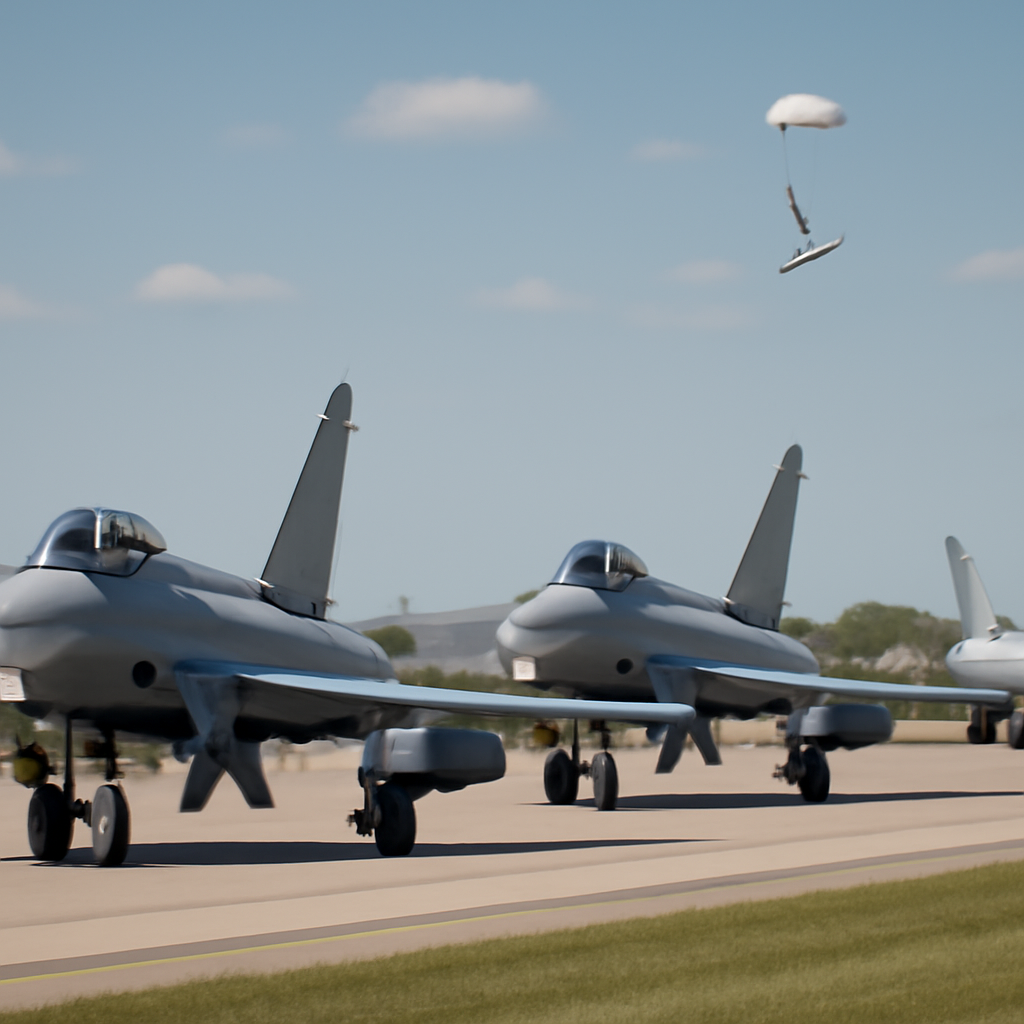
Pratt presented the deal as a response to growing powerplant demand across legacy aircraft and new programs. Albertelli tied the license directly to broad industrial-base concerns and to in-development projects such as the Air Force’s Collaborative Combat Aircraft (CCA) project, saying CCA “has a very large range of what that might look like.”
The urgency is echoed in a recent Air Force request for information (RFI) in August that said the government intends to “pursue a strategic competition requiring industry to innovate manufacturing and guarantee supply chain resiliency.” That RFI projects “peak demand” for engines — including to power the F-15EX and F-16s for domestic and foreign aircraft — surpassing 180 engines annually by fiscal year 2034.

Audit-ready is a season. It shouldn't be.
Evidence in spreadsheets, controls drifting between audits, frameworks multiplying on flat headcount. Nubivance runs continuous compliance on Rapid7 Cyber GRC - SOC 2, HIPAA, ISO 27001, PCI, CMMC.
End the scrambleHermeus’s aims: Quarterhorse, Chimera and becoming a vertically integrated airframe maker
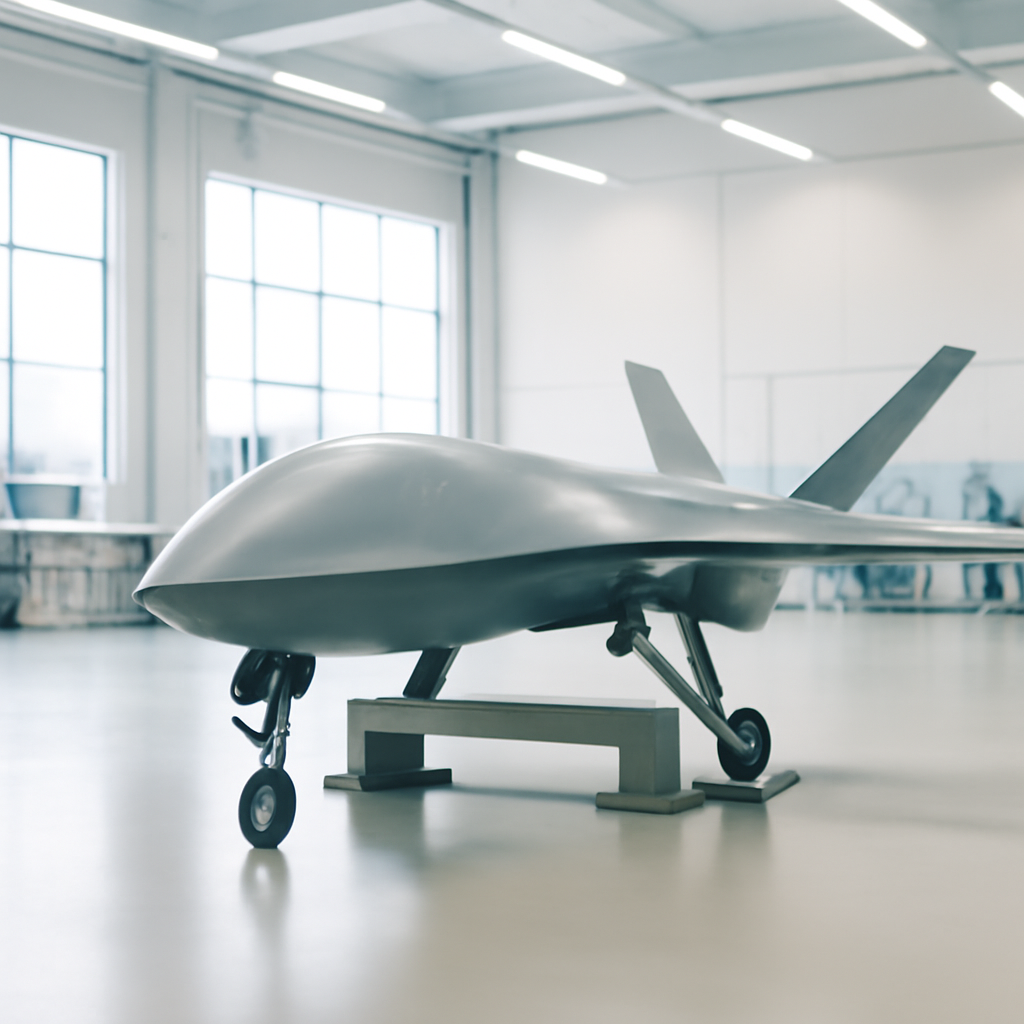
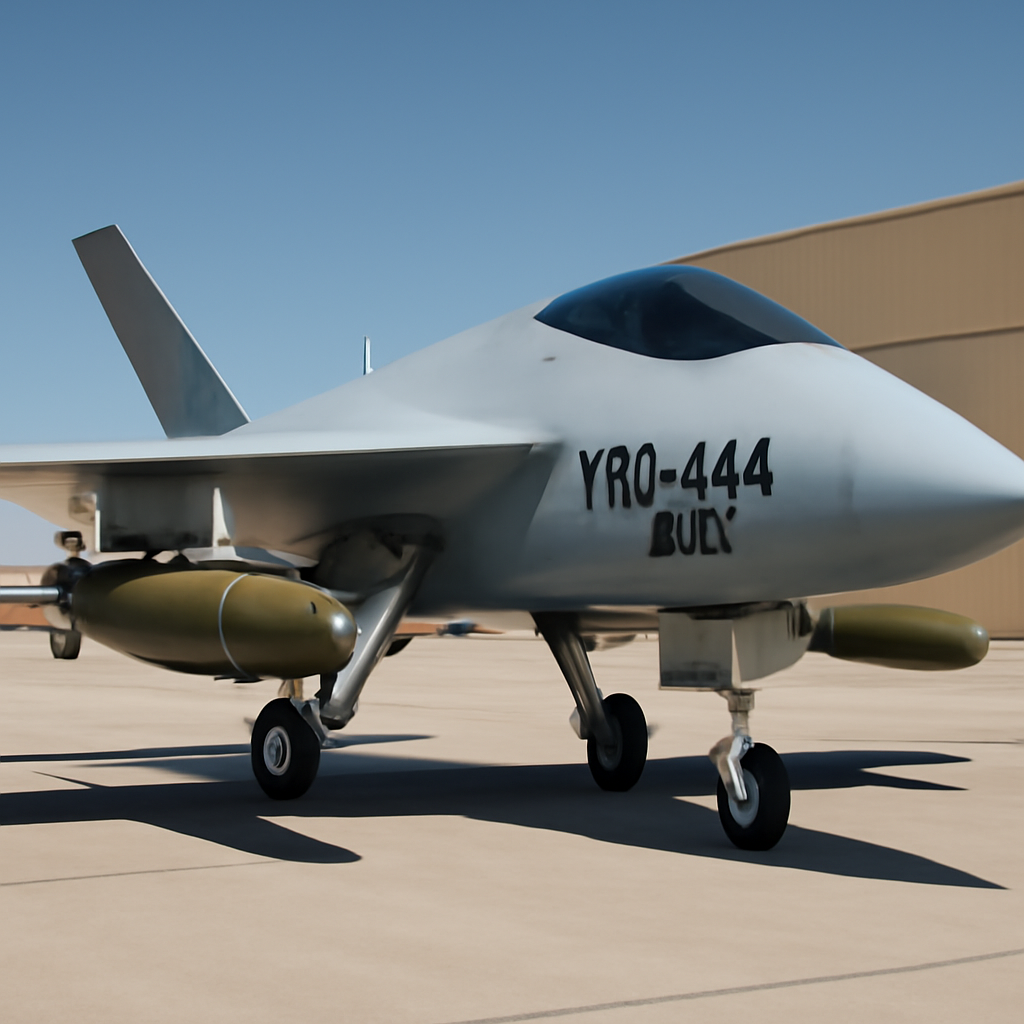
Hermeus has a particular operational stake in the F100: the engine powers the company’s high-speed Quarterhorse drone. Hermeus CEO Zach Shore told Breaking Defense the license would make the firm “the first vertically integrated aircraft manufacturer under the Quarterhorse program.”
Beyond adapting the F100 for Quarterhorse, Hermeus is developing a turbine-based combined cycle (TBCC) engine called Chimera that it says is based on the F100. A TBCC integrates a jet turbine with a ramjet to enable hypersonic flight above Mach 5; Hermeus intends Chimera to form the core of an envisioned hypersonic aircraft the company calls the Darkhorse.
Hermeus is developing Quarterhorse under a $219 million contract awarded by the Defense Innovation Unit (DIU). DIU’s military deputy, Air Force Maj. Gen. Joseph Kunkel, has voiced strong support for the drone, saying its mass production could create a “game-changing warfighting capability” with a “significant number of use cases where it can be used as a weapon.”
Production posture: investments, timelines, and a ‘second source’
Zach Shore emphasized that production of the F100 at Hermeus will be driven by customer demand. He said the firm will “start making capital investments at scale accordingly to support engine manufacturing,” adding, “It’s not an if, it’s a when.” Initial production work, Shore said, will be done within Hermeus’ existing production footprints.
Shore framed Hermeus as “just an extension of Pratt here to support engine manufacturing,” positioning the company as a second source of F100 engines. He also made clear Hermeus’ broader strategy: the company’s “expansion path” is focused around airframes rather than becoming a clean-sheet engine manufacturer. “We’re not in the business of being a clean sheet engine manufacturer. That is a long way away,” he said.
Shore suggested the partnership could yield manufacturing efficiencies. “We’ve been working with this engine for a long time, and there’s an opportunity for us to pull some cost out of the engine,” he said, adding colloquially that the firm could “DOGE it, if you will, and help make the engine more competitive.”
Partnerships and collaborators: Anduril, Pratt, and industry alignment
The license expands a network of collaborators around Hermeus. Earlier in September, Hermeus and defense technology firm Anduril announced a partnership to pair Anduril’s mission autonomy suite with the Quarterhorse aircraft for upcoming flight testing. Shore described Hermeus’ role here as both a manufacturer for its own airframe ambitions and as a partner to established engine makers.
What this means for procurement leaders, the DIU, and domestic manufacturers
- Procurement leaders and program offices: the Air Force’s RFI and Pratt’s choice to license an American startup underscore an anticipated surge in engine demand — the RFI’s projected “peak demand” of more than 180 engines annually by FY2034 is a concrete planning signal for sustainment and acquisition timelines.
- Defense Innovation Unit (DIU) and warfighting adopters: DIU’s $219 million Quarterhorse contract and Maj. Gen. Joseph Kunkel’s backing tie the F100 licensing directly to a fielded capability pathway; DIU will be watching whether in-house engine production speeds Quarterhorse maturation into mass production.
- Domestic manufacturers and the industrial base: Pratt framed the license as a deliberate effort to broaden manufacturing capacity and supply-chain resiliency; Hermeus’ promise to act as a “second source” and to invest in capital and existing footprints will be a practical test of that ambition.
The Pratt–Hermeus license stitches together legacy propulsion, startup hypersonic ambitions and a near-term drone program into a single industrial story: established engine design, new production lines, and an aircraft builder aiming to move from iterating a Mach‑3 drone to spinning Chimera into a hypersonic core. The timeline, Pratt and Hermeus both say, hinges on customer demand and the capital Hermeus will commit to scale production — a concrete hinge that will determine whether this license becomes a one-off boost or the start of broader domestic engine capacity growth.