"Increment 1 is air-to-air, so do we want air-to-ground? Maybe, maybe not," Air Force Chief of Staff Kenneth Wilsbach said, summarizing a choice the service has yet to make.
Anduril imagery and fit checks show new stores on the YFQ-44A
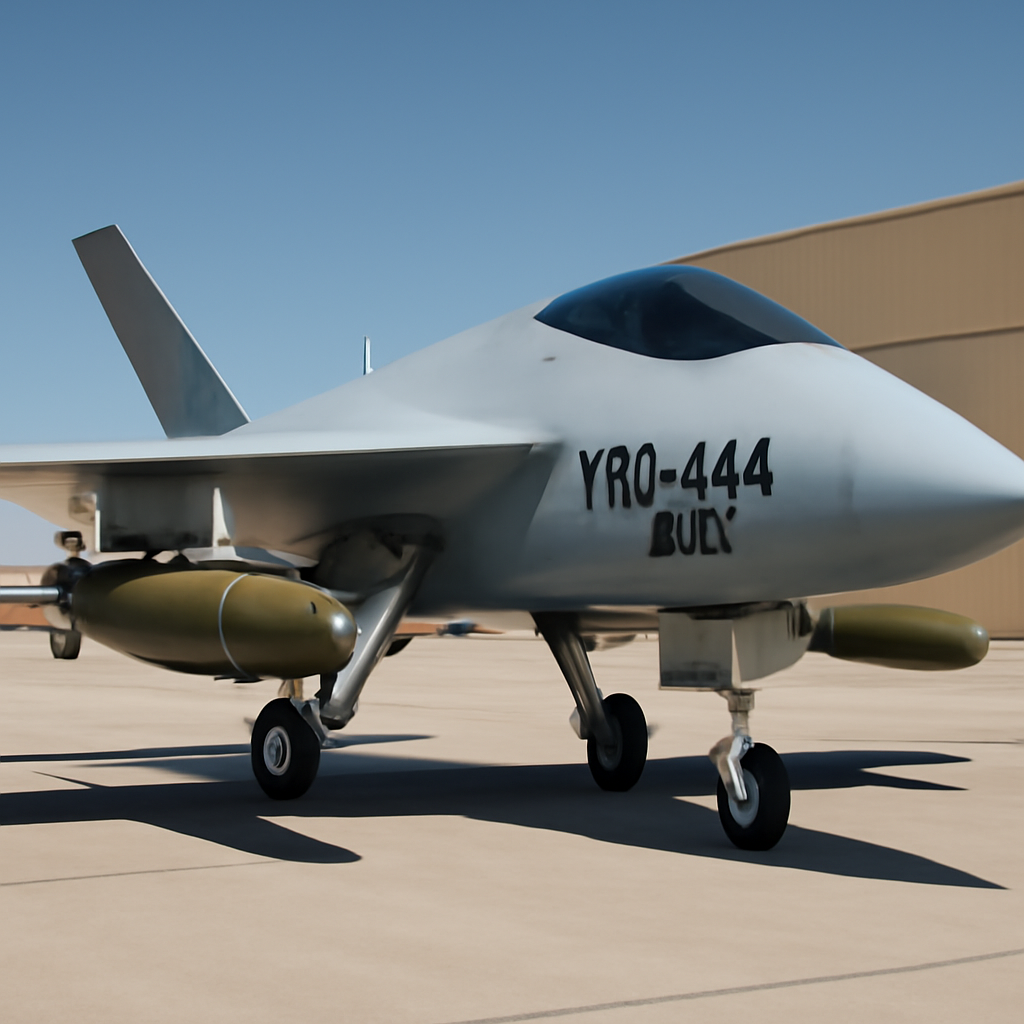
New imagery shared with TWZ by Anduril shows the YFQ-44A Fury Collaborative Combat Aircraft configured with air-to-ground munitions during a ground-based fit check. The photos depict different air-to-ground stores on the aircraft’s two external stations, mounted on twin adaptor racks. Anduril executives confirmed the company has begun integration and fit checks for a range of air-to-ground weapons, but they also told TWZ that those weapons had not yet been flight-tested aboard Fury.
Specific weapons and racks under evaluation
Anduril identified several weapon types under integration work: 500‑pound Joint Direct Attack Munitions (JDAM), 250‑pound Small Diameter Bombs (SDB / GBU‑39/B), low‑cost cruise missiles, and pods for 2.75‑inch guided or unguided rockets. The company said it has begun engineering work to integrate its Barracuda 500 for the Air Force’s emerging low‑cost cruise‑missile effort. Imagery released by Anduril includes a twin rack carrying two GBU‑39/B SDBs under a YFQ‑44A wing.

This site is the portfolio.
OSINTSights runs on Cloudflare Workers, D1, R2, and Vectorize, with an AI pipeline on Hetzner ARM. Nubivance designed, built, and operates it. We do the same for clients.
See what we buildAir‑to‑air baseline and demonstrated firings
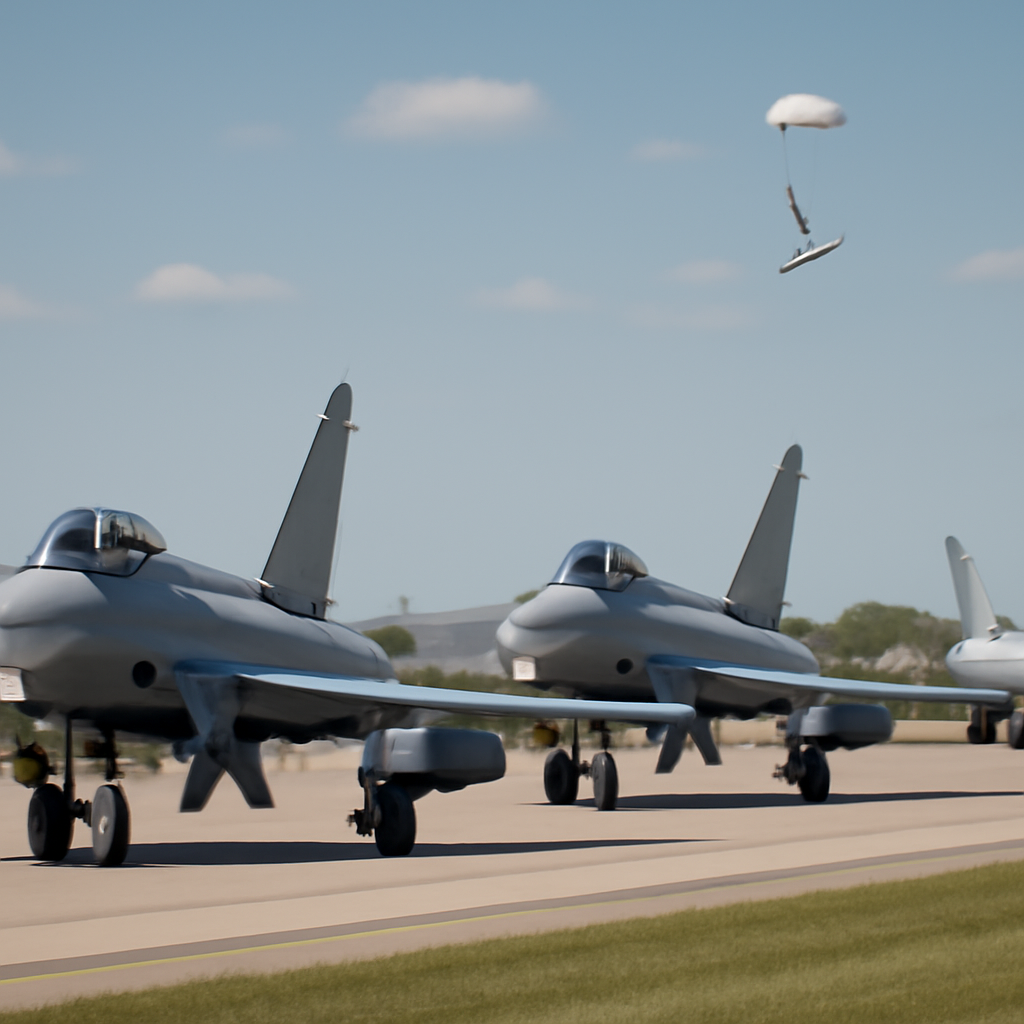
The YFQ‑44A was selected by the Air Force as one of two aircraft for the CCA Increment 1 program alongside General Atomics’ YFQ‑42A Vengeance. The service’s stated priority for Increment 1 is air dominance. Anduril says the production FQ‑44 will have four external hardpoints capable of carrying four AIM‑120 AMRAAM air‑to‑air missiles; the current YFQ‑44A has two underwing pylons and has already conducted a live AIM‑120 firing as part of testing with the Air Force’s Experimental Operations Unit. One image in the service’s files shows a YFQ‑44A firing an AIM‑120 in secluded airspace over the Mojave Desert (U.S. Air Force photo by Tech. Sgt. Jennifer Healy).
Operational demonstrations: formation flying, hot reloads, and autonomy work
Anduril and the Air Force have demonstrated the YFQ‑44A in mixed formations and logistics drills. During a July Experimental Operations Unit exercise at Creech Air Force Base, Fury operated in the same airspace as crewed fighters and other CCAs while Air Force personnel ran its Mission Autonomy system. Anduril says Fury has also flown in formation alongside F‑35s, though the fighters were not yet controlling the Fury. The company is progressing toward what it calls "quarterback integration," in which a crewed aircraft will direct autonomous aircraft; that work has moved through hardware‑ and software‑in‑the‑loop environments onto the aircraft itself, with live testing expected in the near term.
The July EOU exercise also demonstrated a “hot reload” capability: two Air Force personnel replaced an AIM‑120 on a running Fury and reduced the turnaround between sorties to single‑digit minutes. Anduril presents this capability as a way to rearm and return CCAs to the fight without the large maintenance and ground‑support footprint associated with traditional combat aircraft—a feature the company ties to the Air Force’s Agile Combat Employment concept.
What this means for the Air Force, Anduril, and export customers
- Air Force: The service's Increment 1 requirement remains air‑to‑air, but Wilsbach’s comments show leaders are actively weighing whether Increment 2 should add air‑to‑ground capability, more sensors, different cost and attritability tradeoffs, or range changes. The fit checks and live‑test planning will inform those choices.
- Anduril: The company is positioning Fury as a flexible combat system rather than a single‑purpose missile truck—pursuing both weapons and autonomy integrations (including Barracuda 500 work) that could broaden Fury’s roles across counter‑UAS, counter‑cruise, and strike missions.
- Export customers: Anduril and the reporting note that potential foreign buyers may request air‑to‑ground capabilities—making a ready option for such stores relevant to growing overseas prospects.
Anduril cautions that while adding JDAMs or SDBs against predetermined fixed targets is relatively straightforward and could let Increment 1 CCAs serve as independent “weapons trucks,” more demanding missions involving dynamic targeting would require additional capability and testing. The company also says loading all four production hardpoints with AIM‑120s would reduce range but would not necessitate a larger engine or exceed the aircraft’s basic takeoff, landing, climb, and flight‑envelope requirements.
The immediate record is concrete: ground fit checks for a broad set of munitions, a proven AIM‑120 firing, formation flights alongside crewed fighters, and ongoing autonomy work toward quarterback integration. What remains is whether the Air Force will direct that trajectory — especially for Increment 2 — and how quickly live captive‑carry and release tests will follow the fit checks now visible in the imagery.