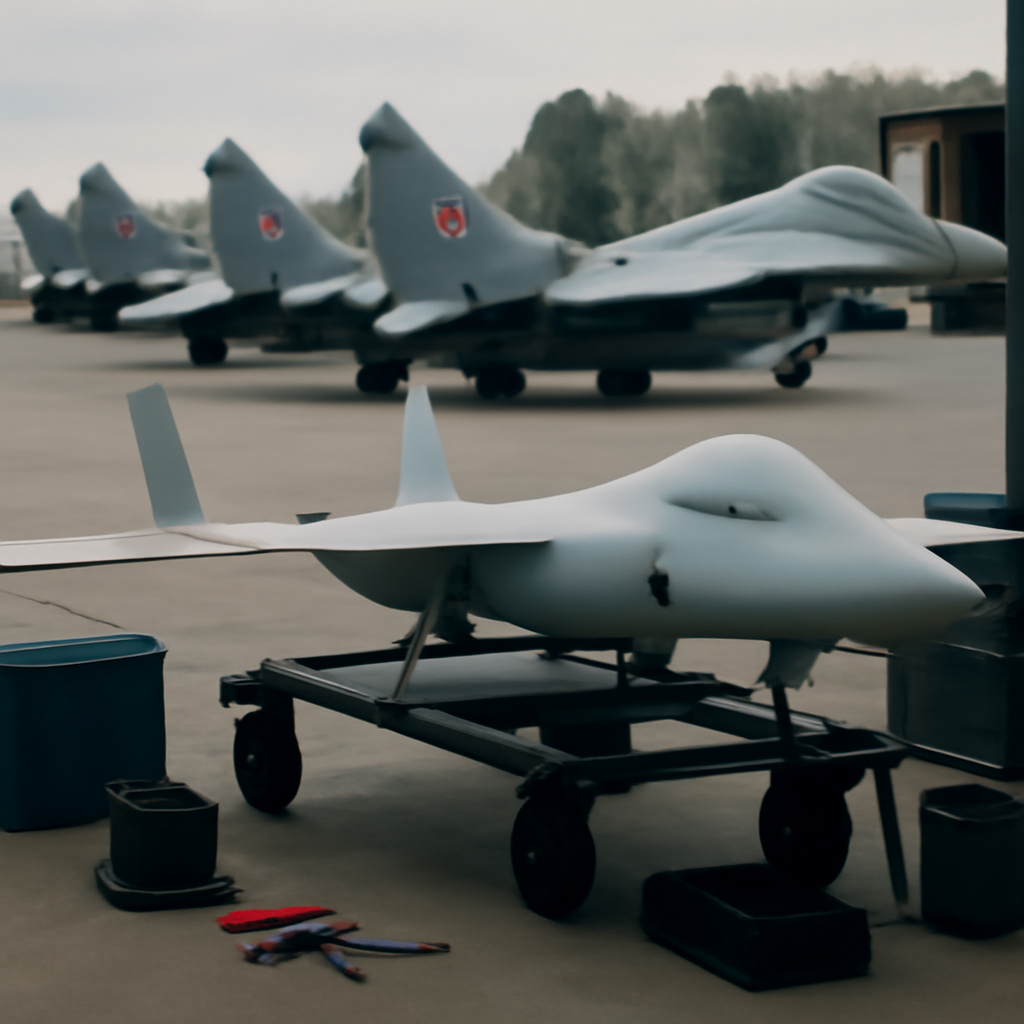
“I proposed what I believe was a very partnership-based approach. MiGs in exchange for drones,” Władysław Kosiniak-Kamysz, Poland’s defense minister and deputy prime minister, told the Polish Polsat News outlet.
Poland halts further MiG-29 transfers after claimed drone snub
Poland has stopped transferring additional Mikoyan MiG-29 Fulcrum fighters to Ukraine, the defense minister announced, saying Kyiv did not deliver on an understanding to share drone production technology. Kosiniak-Kamysz said Ukraine “initially agreed, but they did not honor this arrangement, so there will be no MiGs for Ukraine because Poland does not have drones or the capability to use them.” TWZ cannot independently confirm the Polish defense minister’s claims.
Background: a prior donation and a December swap proposal by Karol Nawrocki
Under former President Andrzej Duda, Poland donated 14 of its MiG-29s to Ukraine, becoming the first country to commit combat jets to Kyiv, the record shows. The current Polish president, Karol Nawrocki, confirmed last December that Poland would transfer additional MiG-29 fighter jets in exchange for counter-drone systems. Nawrocki described the arrangement as “a symmetrical strategic partnership” and said the exchange “does not contradict our policy.”

The cyber insurance questionnaire just landed. Now what?
SOC 2, HIPAA, insurance renewals - someone has to own security strategy. Nubivance provides fractional CISO leadership without the full-time salary.
Get a security leadWhat Kosiniak-Kamysz says Ukraine could have offered
Kosiniak-Kamysz lauded Ukrainian drone work and framed it as a form of military-technical reciprocity. “Ukraine has such significant capabilities in the field of drones that, in return for the military equipment it has received, it could have shared its know-how with Poland and provided partial access to its technologies,” he told Polsat. The public record does not specify what exact drone technologies or production information Poland sought, and Ukraine has yet to comment on the matter.
Ukrainian air needs and recent aircraft losses
Regardless of platform, Ukraine has a continuing need for combat jets. The Oryx open-source tracking group reports Ukraine’s air force has lost at least 88 aircraft since the start of the war — a figure Oryx notes likely undercounts losses because it only includes visually confirmed wreckage. The tally cited includes at least 38 MiG-29s, 20 Su-27 Flankers, four F-16s and one Mirage. Recent incidents include a MiG-29 that went down during a nighttime mission in the central Poltava region on June 27, from which the pilot ejected and was recovered, and an earlier crash of a Su-24M bomber that killed both crew members, according to reporting cited by TWZ.
How Poland, Ukraine, and Gulf partners are responding
- Poland: Warsaw has shifted from the earlier government’s unconditional donations toward seeking reciprocal, tangible defense cooperation. That shift has been accompanied by a diplomatic escalation: Polish President Karol Nawrocki stripped Ukrainian President Volodymyr Zelensky of the Order of the White Eagle earlier this month and said Poland “will not support EU membership for those who fail to reject the ‘cult of totalitarianism and violence,’” citing a row over historical memory.
- Ukraine: Kyiv has pursued multiple avenues to share defense know‑how abroad. Earlier this week, Ukraine and Kuwait signed a bilateral defense cooperation agreement enabling joint defense projects and defense-industry collaboration. Officials in Kyiv have also said that during a tour of the Middle East this year, Ukraine signed defense cooperation agreements with Saudi Arabia, the UAE and Qatar, and had discussions with Jordan — steps Kyiv presents as deepening its military-technical ties with Arab partners.
- Regional partners / procurement planners: Nations engaged in defense cooperation with Ukraine may expect continued negotiation over technology sharing and reciprocal access. It is unclear from the record whether Ukraine’s agreements with Gulf states affected Poland’s MiG-29 decision, and such linkages are not established in the public statements cited by TWZ.
The temporary stoppage of additional Fulcrums sharpens an already visible strain in Polish‑Ukrainian relations. Poland’s initial MiG-29 donation opened the door for other NATO transfers and was framed at the time as immediately operational for pilots already trained on the type. Kosiniak-Kamysz’s public explanation adds a new layer — a demand for exploitable drone technology in return for aircraft — but the specifics of the requested technologies, whether Kyiv formally refused, and what the next steps will be remain unstated in the available record.