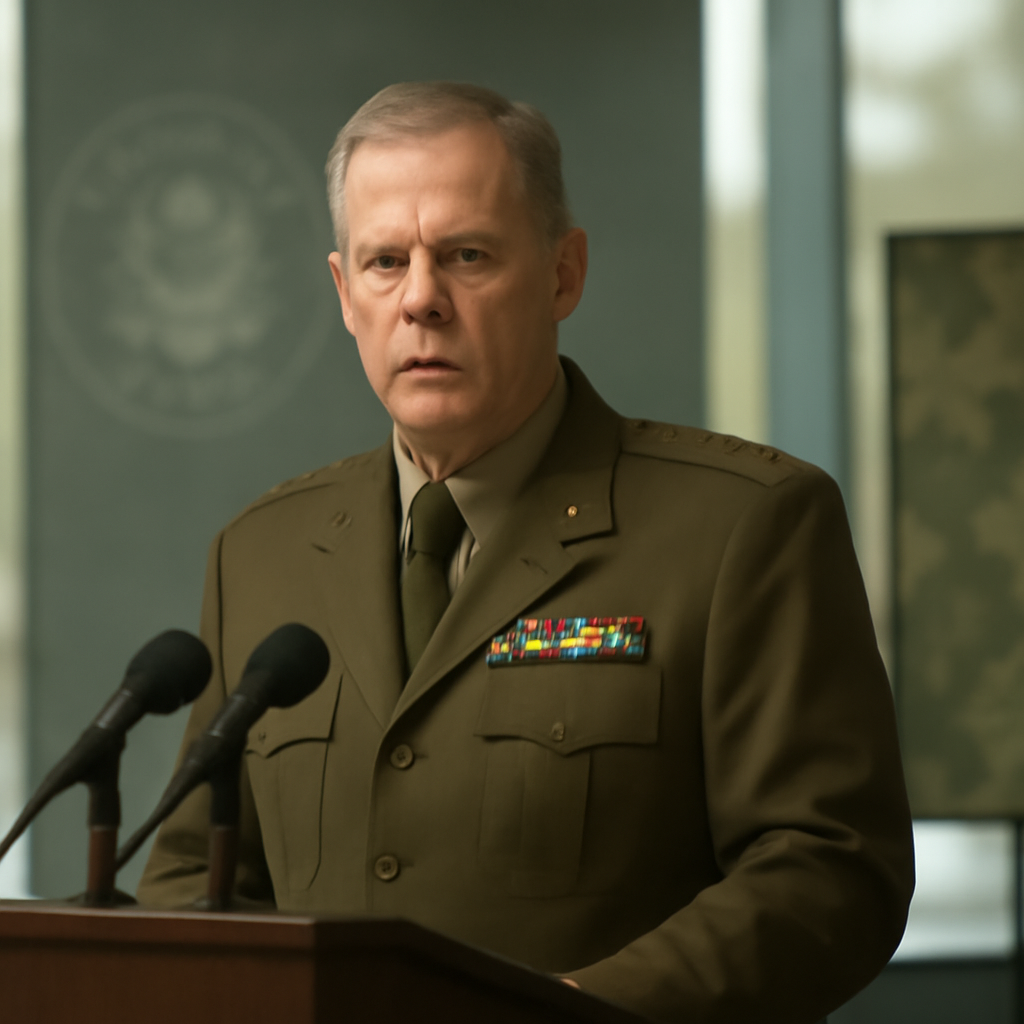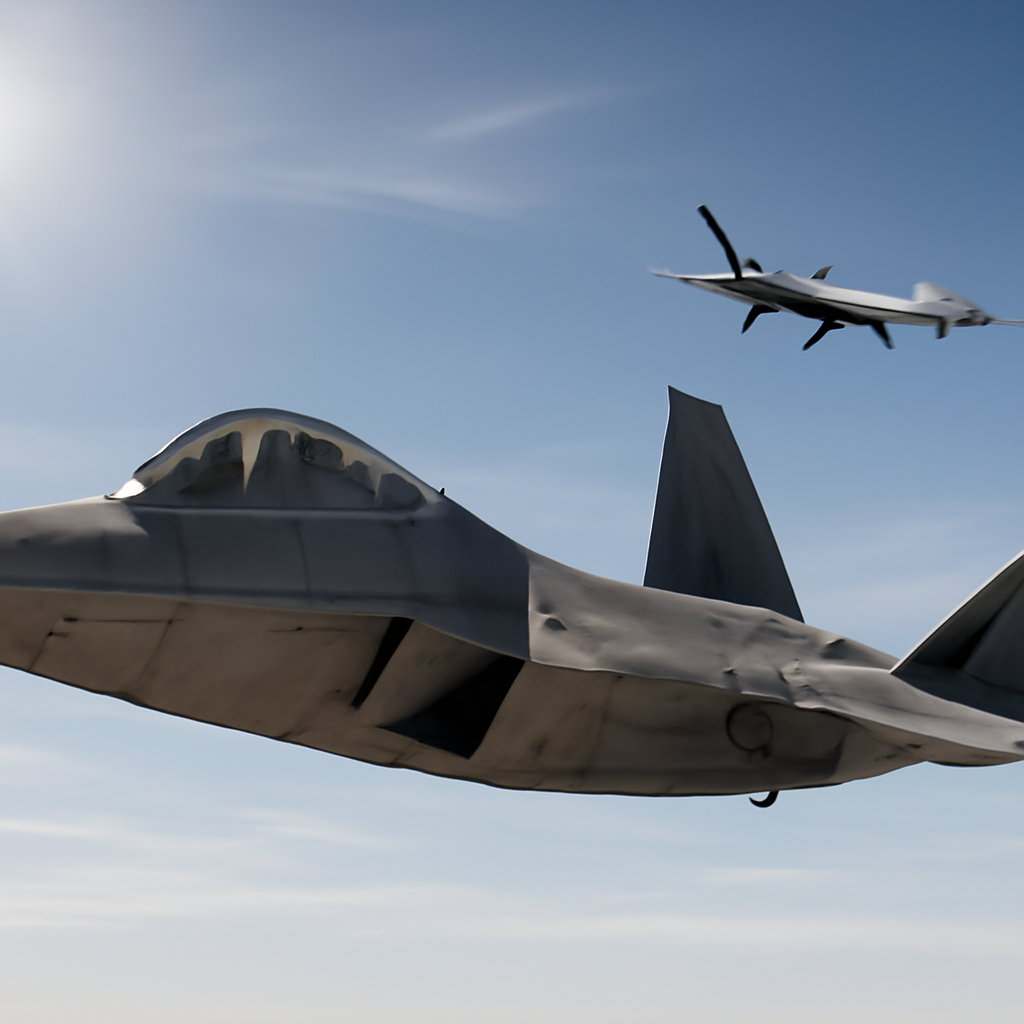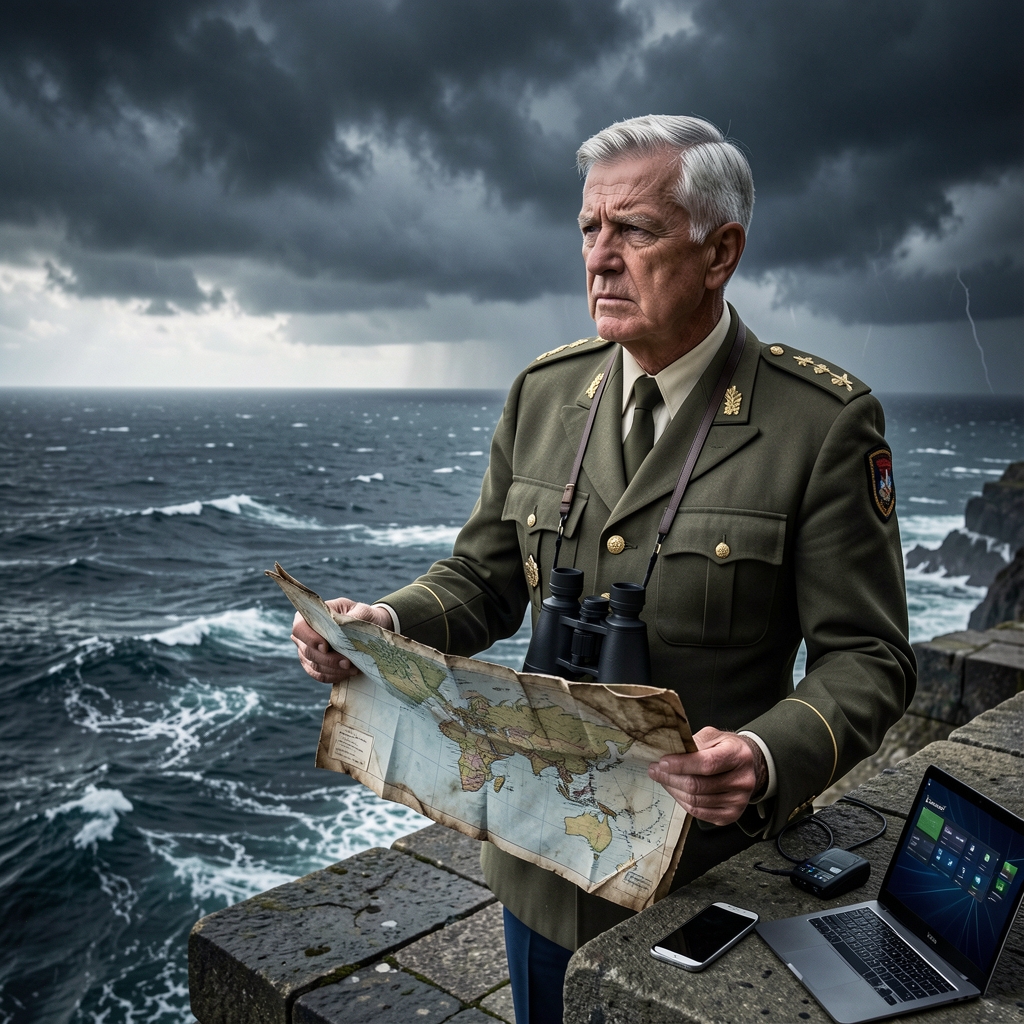
Can one leader make the difference when threats arrive from three directions at once? With wars in Europe and the Middle East, and Chinese naval task groups operating closer to Australia, a familiar refrain — “this is our most challenging strategic environment since World War II” — is resurfacing at exactly the moment a new chief of army takes the helm. The central question is not only whether this assessment is apt, but whether the choice of the new chief is the right one to navigate the pressures it describes.
The strategic snapshot: multiple theaters, regional proximity
The operating environment described by the source is compressed and dispersed. Armed conflict in Europe and the Middle East continues to draw attention and resources, while Chinese naval task groups are moving closer to Australia. Those two facts together form the backbone of the argument that the strategic setting confronting defence planners and policy officials is unusually demanding — a condition summed up by the oft-repeated line that “this is our most challenging strategic environment since World War II.”
That combination — distant wars that shape global supply lines and alliances, alongside great-power naval activity in proximate waters — creates competing priorities. Decision-makers are being asked to weigh commitments offshore against readiness and posture closer to home, all while the public and partner nations watch for signals about capability and intent.
Leadership at the pivot: why the timing matters
The source frames the appointment of a new chief of army as occurring at a decisive moment. Describing that appointment as “the right person at the right time” places emphasis on fit between individual leadership qualities and the external pressures of the day. When strategic demands escalate across multiple regions, the ability of a chief of army to set priorities, align resources and communicate with political leaders becomes more consequential.
From a policy perspective, the timing of leadership transition intersects with resource allocation and alliance management. For technologists and capability planners, it changes the tempo of procurement, force design, and experimentation. For adversaries and observers, leadership names and appointments are read as indicators of direction and intent. The source’s framing implies that the new chief’s qualities, whatever they are, align with the needs created by concurrent conflicts and naval movements nearby.

This site is the portfolio.
OSINTSights runs on Cloudflare Workers, D1, R2, and Vectorize, with an AI pipeline on Hetzner ARM. Nubivance designed, built, and operates it. We do the same for clients.
See what we buildWhat this means for stakeholders
- Policymakers: The simultaneous pressures of distant wars and nearby naval activity compress decision cycles. Choices about force posture, deployments and diplomatic coordination must reflect both near-term contingencies and longer-term strategic shaping.
- Technologists and capability managers: Accelerated strategic uncertainty tends to raise demand for adaptable systems and rapid fielding. The leadership described in the source appears positioned to bridge operational requirements with capability development priorities, reducing friction between doctrine and acquisition.
- Users and the public: When leaders are presented as precisely suited to a difficult environment, that can bolster confidence and clarity of purpose. But the public’s expectations must be managed — high-stakes claims about strategic fit increase scrutiny of performance under pressure.
- Adversaries and partners: Visible signals of leadership and posture influence calculations. The source suggests the appointment will be read in the context of regional naval activity and global conflicts, shaping how partners and rivals adjust their own strategies.
Risks, watch‑points and the closing measure
There is no simple fix for a strategic environment defined by multiple, overlapping crises. The immediate risks are familiar: resource overstretch, misaligned priorities between theatres, and the potential for miscalculation when military activity is concentrated in proximity to national waters. The source implies confidence in the new chief’s suitability, but that confidence must be tested against evolving events.
What to watch next: how the new chief’s priorities are set in practice; whether force posture adapts to both distant commitments and regional naval activity; and how policymakers translate strategic language into budgets and operations. Those are the concrete measures by which the claim that this appointment was “the right person at the right time” will be judged.
In an era when wars far afield and naval movements nearby press on national attention at once, a leader’s fit to the moment matters. Will the new chief’s approach reconcile simultaneous demands without sacrificing readiness at home or credibility abroad? The answer will be written in the decisions to come.
https://www.aspistrategist.org.au/the-new-chief-of-army-is-the-right-person-at-the-right-time/