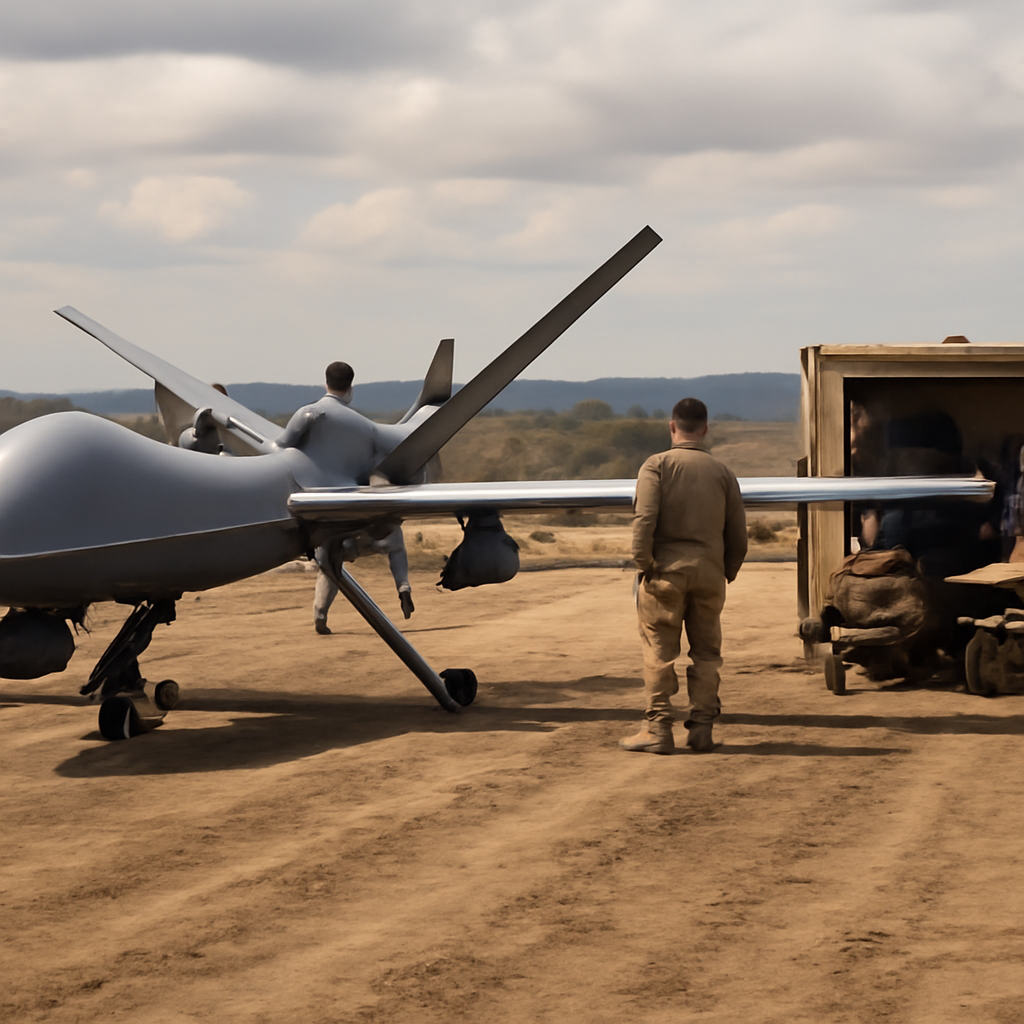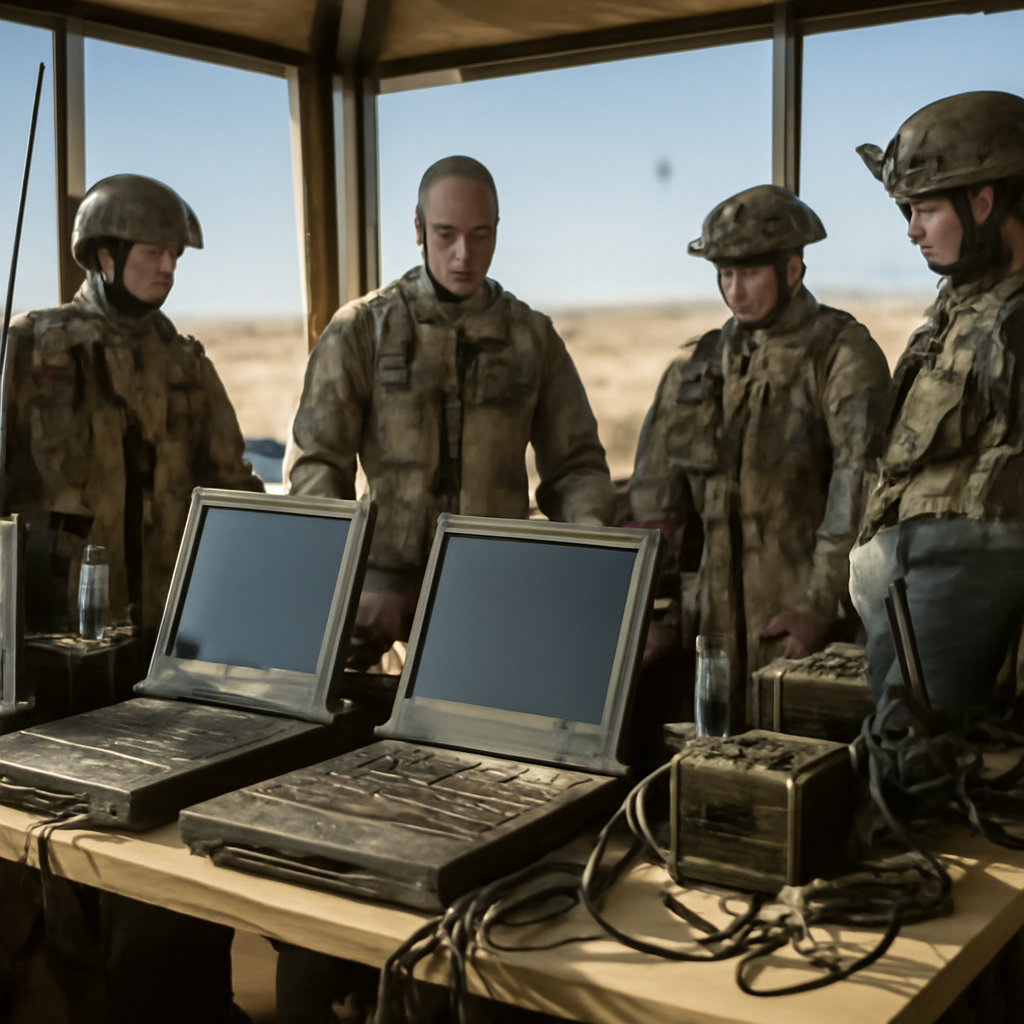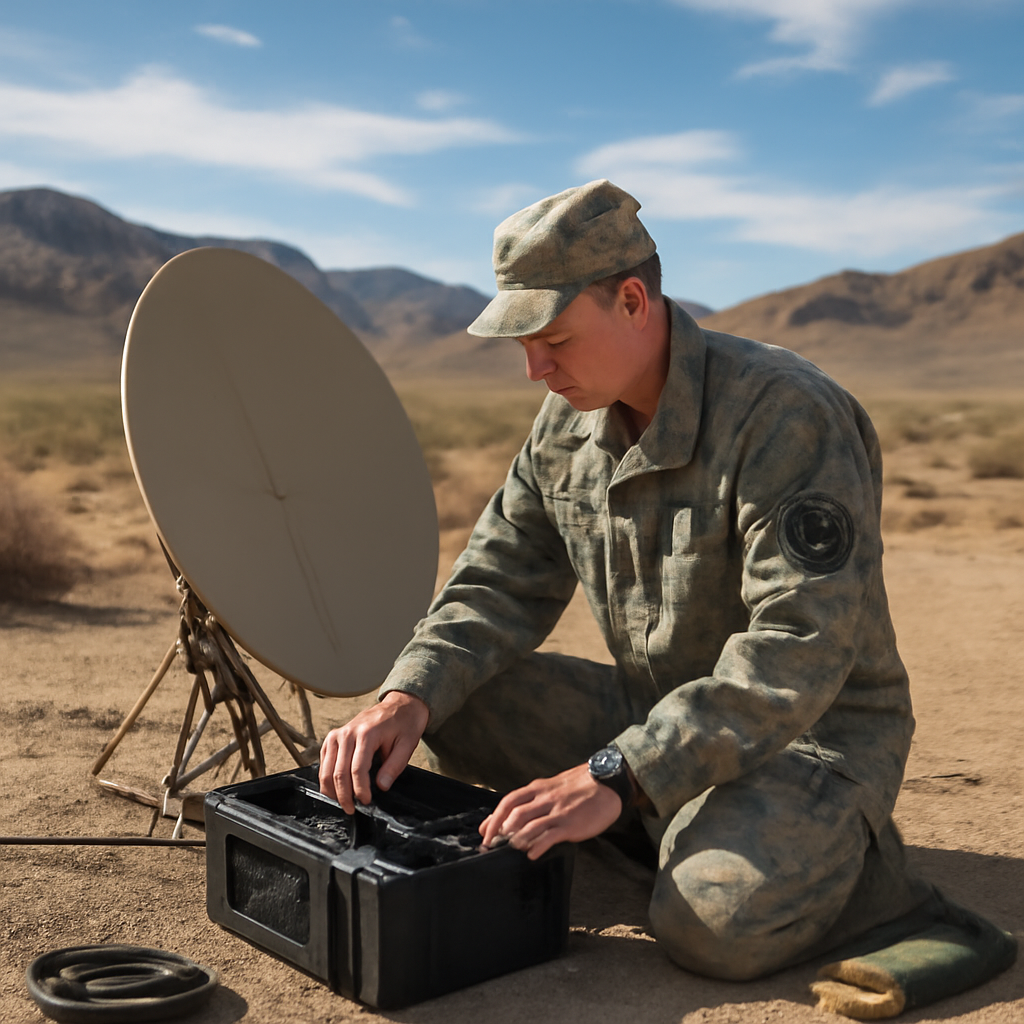
The National Guard’s operational reality, from disaster response to overseas deployment, is increasingly defined by environments where reliable communications cannot be assumed. In a recent episode of the Government Technology Insider podcast, host Matt Lagan spoke with Luis Delgado, Senior Client Partner at Verizon, and Dale Butterworth, former Senior Solutions Partner at Verizon, about the connectivity challenges that arise when traditional infrastructure is absent and the practical strategies that can keep personnel connected under pressure.
Why resilient connectivity matters for the National Guard
The conversation framed a simple, high-stakes premise: as the National Guard’s missions become more data-driven and time-sensitive, maintaining resilient, flexible connectivity is essential. Guests on the podcast tied communications directly to mission outcomes — readiness, coordination with partners, and continuity of operations — all of which can be jeopardized in austere environments where fixed infrastructure is damaged, degraded, or non-existent.
Layered communications as a strategic approach
Both guests emphasized a move away from reliance on any single technology toward a layered model. The episode described today’s communications strategies as “less dependent on any single technology and more focused on resilient layers.” Delgado’s summary—that the future will be “less about a single technology and more about adding layers with the assistance of AI and various spectrum”—captures the core shift discussed on the podcast: redundancy through diversity of capability rather than faith in one platform.

This site is the portfolio.
OSINTSights runs on Cloudflare Workers, D1, R2, and Vectorize, with an AI pipeline on Hetzner ARM. Nubivance designed, built, and operates it. We do the same for clients.
See what we buildInteroperability with federal, state, and local agencies
Interoperability across federal, state, and local partners surfaced repeatedly. The guests highlighted the operational necessity of systems that can connect the National Guard with other agencies during joint responses. That emphasis on cross-jurisdictional connectivity ties the layered-communications approach to real-world coordination: the layers are useful not only to survive infrastructure failure, but to enable handoffs and information sharing among different authorities and mission partners.
Technology building blocks: satellite communications, 5G, fixed wireless, and AI
Specific technologies discussed on the podcast include satellite communications, 5G, fixed wireless, and artificial intelligence. The episode presented these tools as complementary elements of the layered model, each contributing capacity, coverage, or intelligence. The guests argued that combining these capabilities strengthens mission resilience — for example, by providing alternative transport paths, augmenting local coverage, or using AI to manage and prioritize connectivity across the layers.
What this means for technologists, policymakers, and National Guard personnel
- Technologists and security teams: Expect to design networks that integrate satellite, 5G, fixed wireless and AI-driven orchestration so that connections fail over cleanly between layers and maintain mission-essential data flows.
- Policymakers and interagency planners: The interoperability emphasis points to coordination needs across federal, state, and local levels — aligning spectrum use, access policies, and incident playbooks so layered systems function together in crisis.
- National Guard personnel and end users: Resilient, layered communications aim to preserve readiness and continuity of operations when traditional infrastructure is not available, enabling real-time coordination and data-driven decision-making during deployments and disaster response.
The picture the podcast paints is not of a single silver-bullet technology but of deliberate redundancy and smarter orchestration. That orchestration—what Delgado and Butterworth described—relies on adding layers of capability and using AI to manage them, with the practical goal of keeping personnel connected in the most challenging circumstances.
For the National Guard, the next steps implied by the conversation are straightforward in concept and complex in execution: validate layered solutions in realistic conditions, ensure cross-jurisdictional interoperability, and adopt tools that let networks adapt automatically when parts of the system fail. The specifics of procurement, testing, and interagency agreements will determine whether layered architectures deliver the resilience the speakers described.