Tag: telecommunications
123 articles
Fortinet Flaw Exploited to Deploy PEERSTITCH Malware
Hackers exploited a critical Fortinet flaw to breach a telecom provider's system, harvesting sensitive data from over 500 firewalls to deploy a sneaky, hard-to-detect malware implant. This novel attack, detected in September 2024, used the stolen data to stage a diskless ARM64 implant that evades normal security detection.

India Enforces Caller ID Display on 4G Networks
Starting November 1, 2026, telecom providers in India must display callers' registered names along with their numbers on 4G networks, giving users a safer and more transparent calling experience. This move aims to help people identify unknown numbers and curb spam and fraudulent calls.

States Sue TP-Link, Citing China Ties and Router Security Risks
Four states are taking TP-Link to court, claiming the router maker has been dishonest about its security and hiding its ties to the Chinese government, putting sensitive data and national security at risk. Iowa's Attorney General Brenna Bird warns that Iowans' personal info is vulnerable due to TP-Link's alleged deception.

EU's China Tech Policy Gaps Expose Security Risks
The EU's 5G security framework is woefully underimplemented, with only a third of member states having taken action, leaving the bloc vulnerable to security risks from Chinese vendors. A unified risk-assessment approach is urgently needed to safeguard the EU's digital future.

Microsoft Tracks NeedyMantis Malware Enabling Persistent Network Access
Microsoft uncovered a sneaky malware operation, dubbed NeedyMantis, that's been secretly giving hackers prolonged access to compromised networks since at least October 2025. This stealthy threat has been targeting key sectors like telecommunications, universities, and government-linked organizations, primarily in campaigns linked to China.

US Agencies Accelerate 5G for Mission-Critical Operations
US agencies are revolutionizing 5G for mission-critical operations, shifting its purpose from a consumer upgrade to a robust, secure infrastructure. Top officials from the Navy, Department of War, CISA, and industry leaders shared insights on harnessing 5G's potential at the Federal Executive Forum.

Ex-soldier sentenced for telecom hacking spree
A US judge slammed an ex-soldier for his brazen telecom hacking spree, saying his greedy and fame-driven actions showed a shocking disregard for national security. Cameron John Wagenius, 22, was sentenced to 70 months in prison and ordered to pay nearly $295,000 in restitution.

Quantum Firms Accelerate Commercialization of Secure Network Tech
Get ready for a quantum leap in cybersecurity: companies like Qunnect are racing to commercialize secure network tech, with products expected to hit the market within the next year or two. Their innovative solutions, including quantum position verification and channel protection, promise to revolutionize telecommunications and data protection.

Ofcom Fines $9.4 Million But Struggles to Collect
Ofcom's tough stance on online safety has resulted in $9.4 million in fines, but surprisingly, most of this amount remains uncollected, with the regulator admitting that many fines have not been paid. The struggle to collect these fines raises questions about the effectiveness of Ofcom's enforcement powers.

Wireless Connectivity Bolsters Network Resilience for Defense Agencies
Imagine a backhoe striking a pipe under a sidewalk, taking out not just your primary network, but all your backup systems too - a stark reminder that apparent redundancy can be an illusion when multiple networks share the same physical infrastructure. Verizon's Dave Stepp shares this powerful illustration of invisible risk.
Venezuela Pursues Chinese AI Surveillance Upgrade
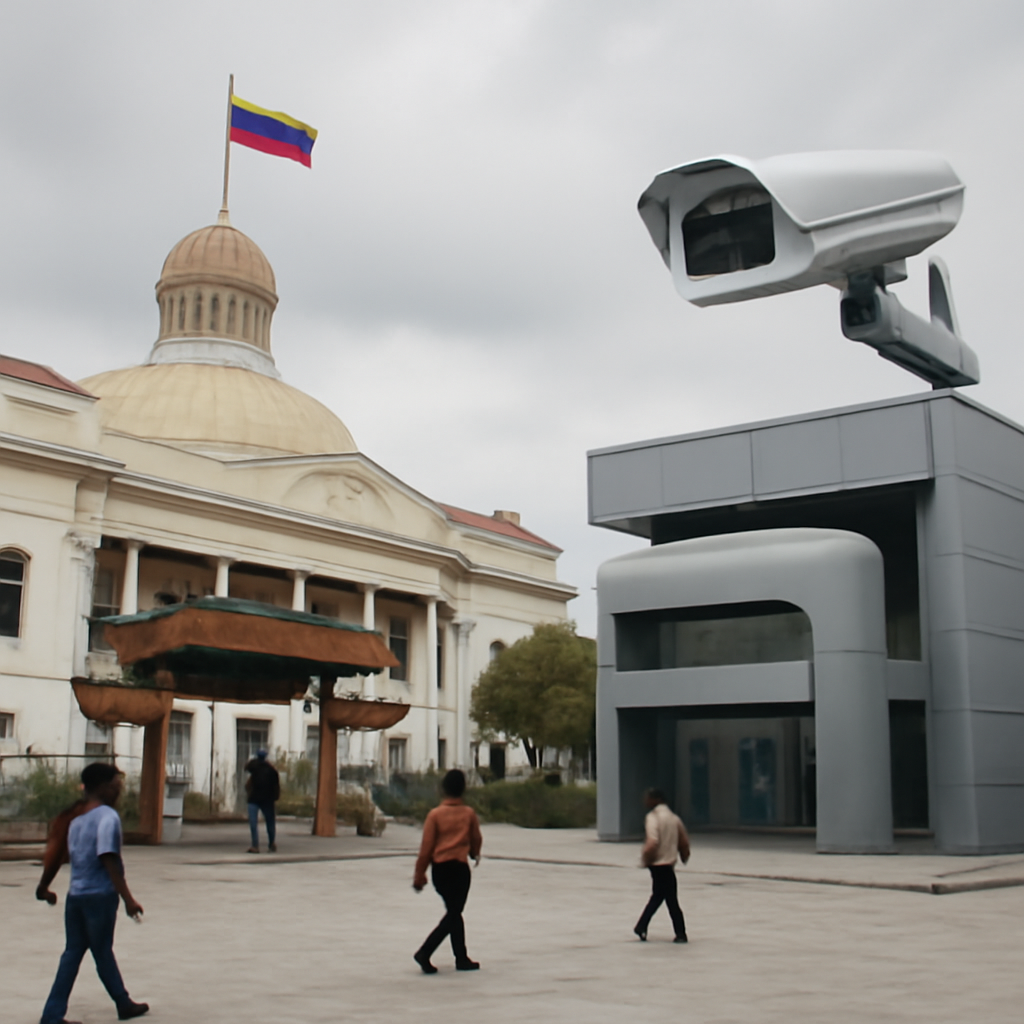
Venezuela is turning to China to upgrade its AI surveillance capabilities, with Vice President Delcy Rodriguez praising China's ability to provide AI for development, not domination. The country's existing surveillance infrastructure, built over two decades with significant Chinese tech support, includes a digital identity system, public-security cameras, and internet-control technology.

FCC Unveils Plan to Rate Telecoms on Robocall Protections
The FCC is taking a bold step to combat robocalls by introducing a public scorecard that will rate telecoms on their robocall protection efforts, giving consumers the power to make informed decisions about their service providers. This innovative tool will encourage providers to stay on top of their game and keep unwanted calls at bay.

Tech Giants Unveil Advanced Cyber AI Models With Enhanced Safeguards
Google's Fairwind Program gives high-priority defenders, such as governments and healthcare providers, a critical edge in cybersecurity with early access to cutting-edge AI models that help them stay ahead of emerging threats. This proactive approach enables them to build stronger defenses and protect against new risks before they arise.

UK Watchdog Fines Nuisance Call Blocker £190k for Illegal Marketing Tactics
The UK's Information Commissioner's Office has fined Nuisance Call Blocker, operating as Elderly Aids Ltd, a whopping £190k for making over 758,000 unsolicited calls to vulnerable people who'd specifically asked not to be contacted. This hefty penalty sends a strong warning to businesses that think they can flout the law with impunity.

India and Australia forge digital path for South Asia
As South Asia charts its digital course, the choices it makes on vendors, standards, and data governance will have lasting impacts on regional resilience. New Delhi should prioritize digital transformation in its regional policy, partnering with Australia and like-minded nations to shape a secure and thriving digital future.
National Guard Fortifies Connectivity in Austere Environments
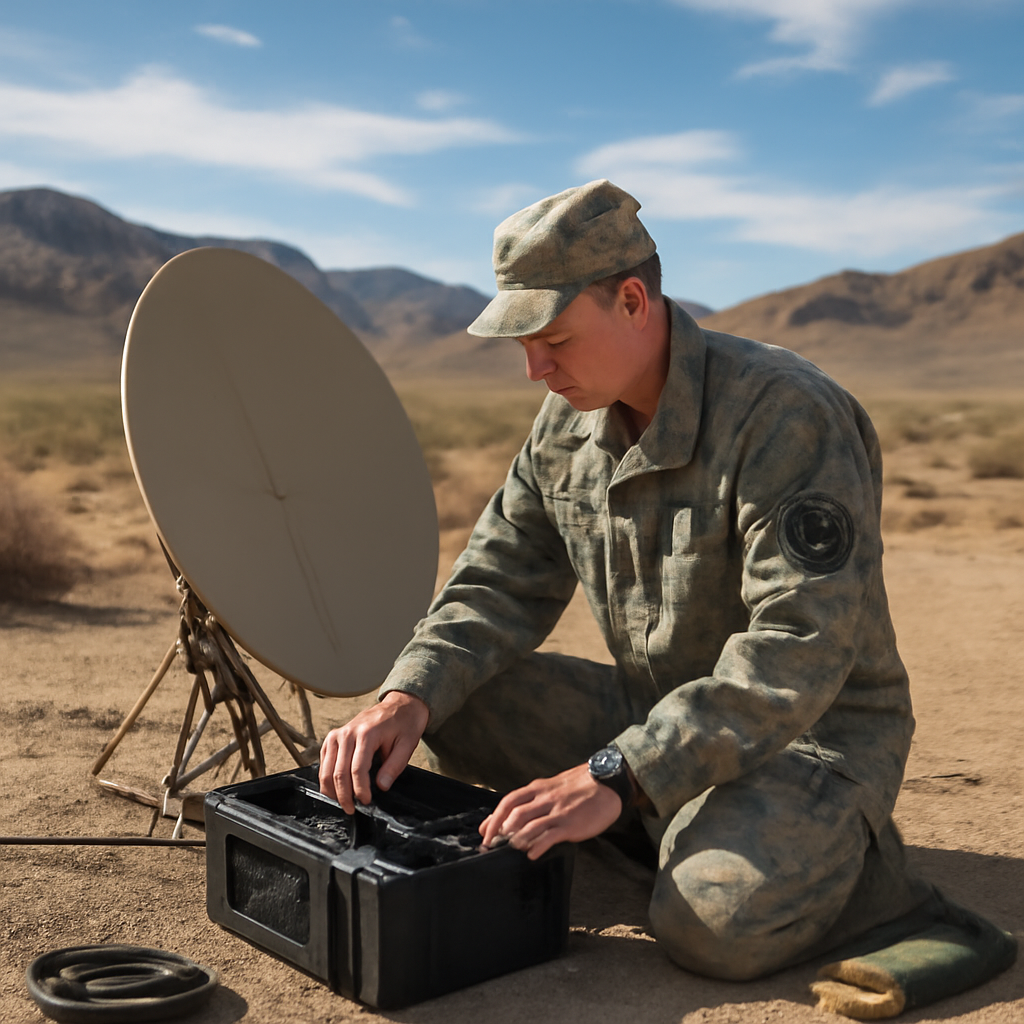
In disaster response and overseas deployments, reliable communications are a luxury the National Guard can't always count on - but with the help of AI and advanced spectrum technologies, they're building layers of connectivity to stay linked up under pressure.

Air Force Grapples with Procurement Pace
The US Air Force's secure network is hindered by sluggish procurement timelines, with the Government Accountability Office finding that major federal acquisitions can take years to complete, stifling efforts to modernize connectivity and keep pace with rapidly evolving technologies and mission demands. It's a contracting conundrum that's causing friction, with one expert noting that the speed of acquisition simply isn't keeping up with mission requirements.

Australia Urged to Fuse Threat Data to Counter Cross-Domain Attacks
With 95 percent of international data traffic flowing through undersea cables, it's clear that protecting against cross-domain attacks requires a collaborative effort that goes beyond the realms of navies, border commands, and telecom companies. The recent Digital Defence Symposium in Singapore sounded the alarm: it's time for a unified approach to counter the complex threats that blur the lines between cyber, physical, and information domains.

KT's Lax Security Exposes 16,647 Users to $175,000 in Unauthorized Micropayments
A shocking security lapse at KT has left 16,647 users vulnerable to unauthorized micropayments totaling $175,000, after a hacker exploited a lost femtocell to breach the company's mobile network. This costly breach has resulted in stolen identities and a hefty penalty for South Korea's largest telecommunications company.

Researchers Expose 84 Vulnerabilities in 4G and 5G Core Networks
A shocking 84 previously unknown vulnerabilities have been discovered in widely used 4G and 5G core networks, all stemming from a single, critical flaw: implicit trust between core network functions. This fundamental weakness has left networks open to potential attacks, according to a recent study by Nanyang Technological University.

South Korea Slaps KT with $39 Million Fine for 11-Month Data Breach
South Korea's Personal Information Protection Commission has slapped KT Corporation with a hefty $39 million fine for a data breach that went undetected for a staggering 11 months, exposing sensitive info of over 16,647 customers. The penalty, equivalent to KRW 53.979 billion, is a stern reminder of the importance of robust cybersecurity measures.

FCC Blocks Foreign Robots, Inverters Citing Cyber Risks
The FCC has taken a major step to safeguard US cybersecurity by adding foreign-made mobile robots and power inverters to its Covered List, effectively blocking their import, marketing, and sale in the country due to potential cyber risks. This move won't impact existing devices or previously authorized models, but it does set a new standard for protecting American consumers and infrastructure.

Russian Hackers Exploit Microsoft OWA Flaw to Maintain Mailbox Access
Russian hackers have found a sneaky way to keep access to Microsoft mailboxes by exploiting a flaw in Outlook Web Access, making it tough to shake them off even with a full system overhaul. Simply put, these cyber intruders can stick around unless their presence is manually erased from the Exchange server.

Mirage Kitten Unveils New Malware Arsenal for Middle East Espionage
Mirage Kitten hackers have unleashed a potent new malware arsenal targeting the Middle East, threatening aerospace, aviation, defense, and telecom organizations with stealthy backdoors and tunnelers that enable covert surveillance and data relay. Their latest Windows backdoor, NightLedger, masquerades as a legitimate system file to infiltrate and gather intel.