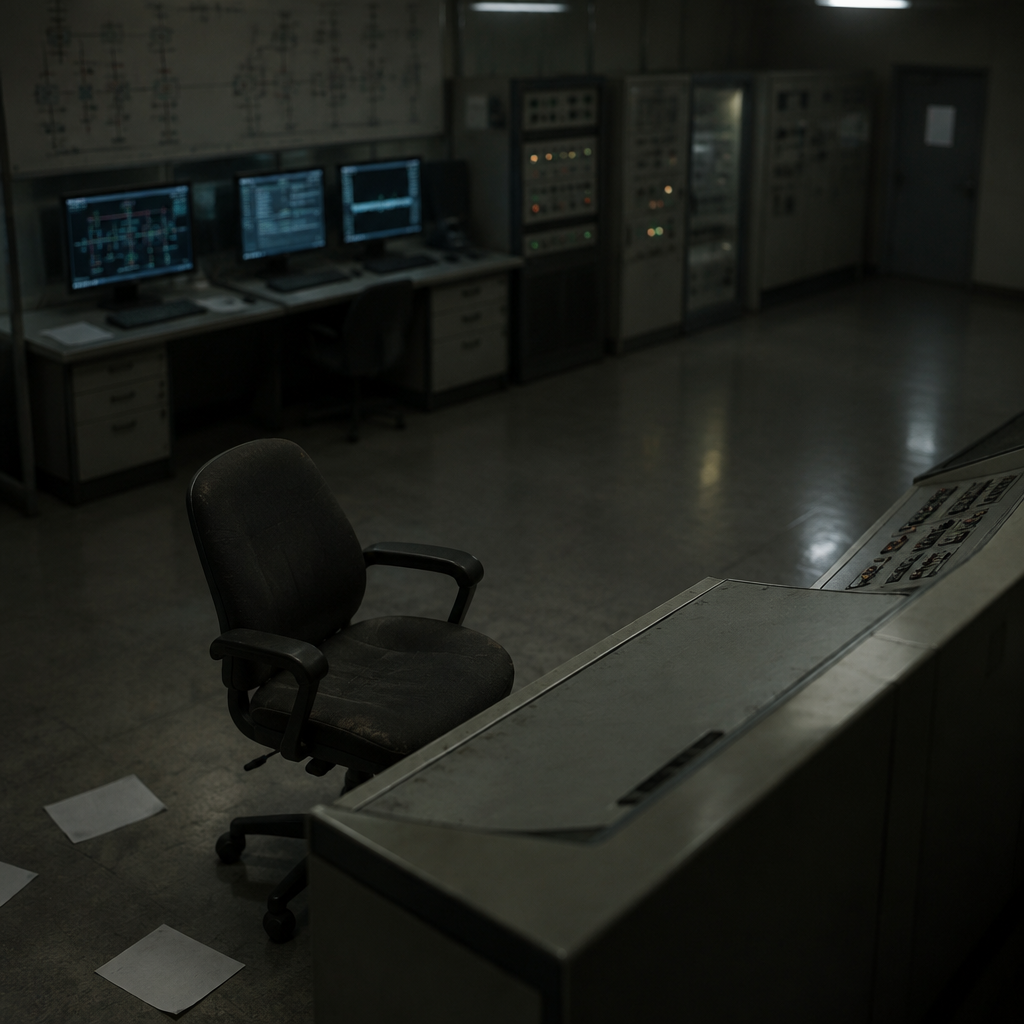
Fragile Lifelines and the “low and slow” threat
The panel description frames the central concern plainly: nation-states are using “low and slow” stealth tactics to pre-position inside essential services so those networks can be converted into tools of geopolitical leverage. The phrase “low and slow” appears in the event material as the tactic to watch — a method of stealthy footholds and patient positioning inside critical systems rather than short, noisy attacks. The discussion is positioned at the intersection of critical infrastructure protection and geopolitics, signaling an emphasis on how persistent access to service networks can be weaponized beyond conventional cyber incidents.
Moderator Brian Harrell and a cross-sector lineup of panelists
The conversation will be moderated by Brian Harrell, Vice President & Chief Security Officer at FirstEnergy. Panelists named for the session bring roles tied to vital operational environments: Adam Lee, Vice President, CSO, Dominion Energy; Michael Brzozowski, MBA, CPP, PSP, CISSP, a senior security leader specializing in data center and critical infrastructure protection; and Stephen Baker, Senior Managing Director & CSO Global Security, State Street Bank & Trust Company. The roster reflects a mix of utility, infrastructure and financial-sector security leadership.

This site is the portfolio.
OSINTSights runs on Cloudflare Workers, D1, R2, and Vectorize, with an AI pipeline on Hetzner ARM. Nubivance designed, built, and operates it. We do the same for clients.
See what we buildCritical services in focus: energy, water, transportation
The event materials call out essential services specifically — energy, water and transportation — as the arenas where pre-positioning and leverage are of particular concern. By naming these sectors, the panel frames its inquiry around services that underpin daily life and commerce, and around the potential for adversarial control of those services to be used as a form of geopolitical pressure.
SECURITY 500 Conference: audience, timing and format
The panel is part of the one-day SECURITY 500 Conference hosted by Security magazine on November 16, 2026, in Washington, D.C. The gathering is described as the 19th annual event and a leadership conference open exclusively to security executives, senior management, and their direct reports in both the private and public sectors. The notice encourages prospective attendees to review the full conference agenda and register, noting the event’s focus on uniting high-level security executives and their direct reports for a concentrated day of briefings and discussion.
What this means for security executives, critical infrastructure operators, and conference registrants
- Security executives and their direct reports: The conference is explicitly limited to this audience; the panel offers them a venue to hear and compare approaches to persistent, stealthy threats that target life-sustaining services.
- Critical infrastructure operators in energy, water, and transportation: Those sectors are singled out as examples where pre-positioning could be employed as geopolitical leverage, making discussion of detection, mitigation and cross-sector coordination central to the session’s relevance.
- Conference registrants and planners: The one-day format and curated speaker list suggest a condensed agenda aimed at executive-level exchange; attendees are invited to consult the full agenda and register through the conference materials.
“Fragile Lifelines” is slated to put a name and a posture on a particular class of cyber risk: patient, stealthy access inside essential services that can be turned into leverage when geopolitics demand it. The panel’s speakers and moderator represent utility, infrastructure protection, and financial security perspectives, and the session’s placement at the SECURITY 500 Conference underlines the organizers’ intent to keep this discussion within an executive peer group. For details, the conference agenda and registration information are available from the host.