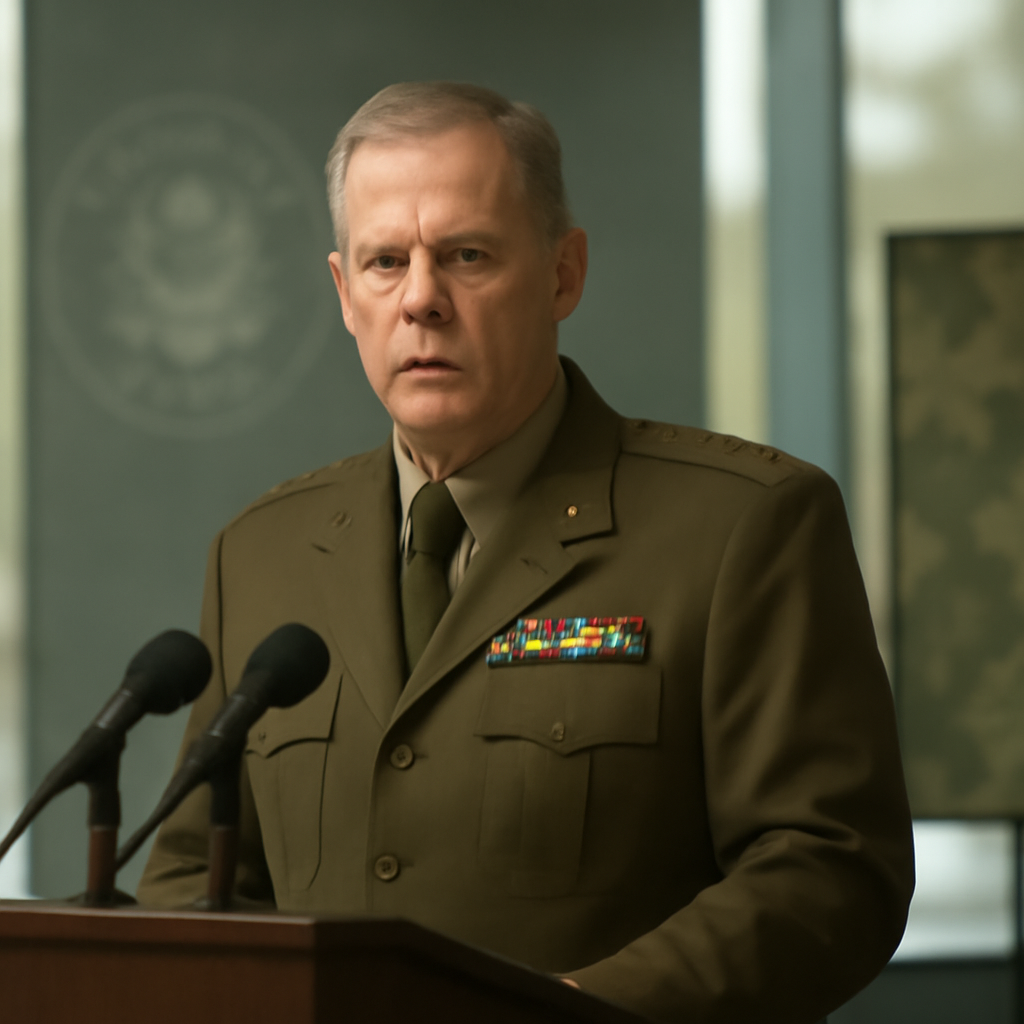
Which problem do we face when the answers are already known: ignorance or the inability to act together? The Darwin Dialogue 2026 put it bluntly: "We no longer face a knowledge problem on critical minerals. We face a coordination failure, and the cost of that failure is already visible in delayed investment and persistent dependence. Governments understand the risk. Industry ..." The sentence stops there in the excerpt provided, but the diagnosis is clear — the obstacle is collective action, not information.
From knowing to doing: the central claim
The central assertion from the Darwin Dialogue 2026 is simple and consequential. According to the excerpted passage, the world no longer lacks understanding about critical minerals; instead, it lacks coordinated responses. That coordination failure, the Dialogue says, is not hypothetical. It is already producing measurable harms: investors are postponing decisions, and dependencies on external suppliers remain entrenched.
Those three linked ideas — knowledge sufficiency, coordination failure, and visible costs in delayed investment and persistent dependence — form the backbone of the argument presented. The piece also notes that governments "understand the risk," while the remainder of the sentence about industry in the excerpt is incomplete.
Why the distinction matters
Framing the challenge as a knowledge problem invites a specific set of remedies: research, data collection, information sharing. Reframing it as a coordination failure points to a different toolbox: aligned policy, synchronized investment signals, shared standards and incentives, and mechanisms to overcome collective-action problems. The Darwin Dialogue 2026 highlights that shift in emphasis, and in doing so it reframes where scarce political capital and strategic effort should be directed.
That reframing also reshapes expectations about time horizons. If the barrier were purely informational, progress would follow the timeline for producing and distributing knowledge. If the barrier is coordination, progress depends on negotiating interests, designing institutions, and aligning incentives — processes that typically move more slowly and that can stall investment, the Dialogue notes.

This site is the portfolio.
OSINTSights runs on Cloudflare Workers, D1, R2, and Vectorize, with an AI pipeline on Hetzner ARM. Nubivance designed, built, and operates it. We do the same for clients.
See what we buildConsequences the Dialogue identifies
The excerpt names two concrete consequences of the coordination failure. First, investment is being delayed. Second, dependence — by implication on particular suppliers or supply chains — persists. Those outcomes are presented as already observable, not hypothetical. The Dialogue further stresses that governments are aware of the risk these outcomes pose, though the excerpted material leaves industry commentary incomplete.
Recognizing a problem and acting in time are different things. The Dialogue’s wording implies a gap between government recognition and effective collective action. That gap is where delayed capital and continued dependence live, the piece argues.
Who is implicated and what’s at stake
The excerpt does not name specific actors beyond "governments" and the truncated "industry." Yet the implications of a coordination failure touch multiple constituencies. Investors face uncertainty that leads to delay; public authorities must decide whether and how to orchestrate coordinated responses; supply chains and users confront ongoing dependence; and the strategic landscape is reshaped by the pace at which coordination occurs.
Because the presented diagnosis locates the bottleneck in coordination rather than knowledge, remedies would logically focus on aligning incentives and reducing barriers to collective decision-making. The Dialogue’s brief passage therefore invites questions about the mechanisms — policy frameworks, financial instruments, international agreements, or private-public partnerships — that could convert awareness into action.
The excerpt itself leaves an open thread about industry: it stops after "Industry ...", a break that highlights how much remains to be specified or debated. That trailing fragment is a reminder that understanding the problem is the first move; specifying who must do what, and how, remains the harder task.
Conclusion: the test of endurance
The Darwin Dialogue 2026 moves the conversation from exposure to endurance by asserting that knowledge is no longer the limiting factor — coordination is. If delayed investment and persistent dependence are the visible costs, the next question is operational: can governments, industry and other stakeholders convert shared recognition of the risk into coordinated action fast enough to change those outcomes? The Dialogue’s short but pointed diagnosis makes the risk plain, and the unfinished thought about industry underscores the work left to do.
Original story — Darwin Dialogue 2026: from exposure to endurance