"We have to create a new career field and have experts in the ability to defend your airfield from all of these threats," General Kenneth Wilsbach told Breaking Defense, summing up an Air Force response driven by recent combat experience and shifting budgets.
Point defense: a new career field born of recent conflicts
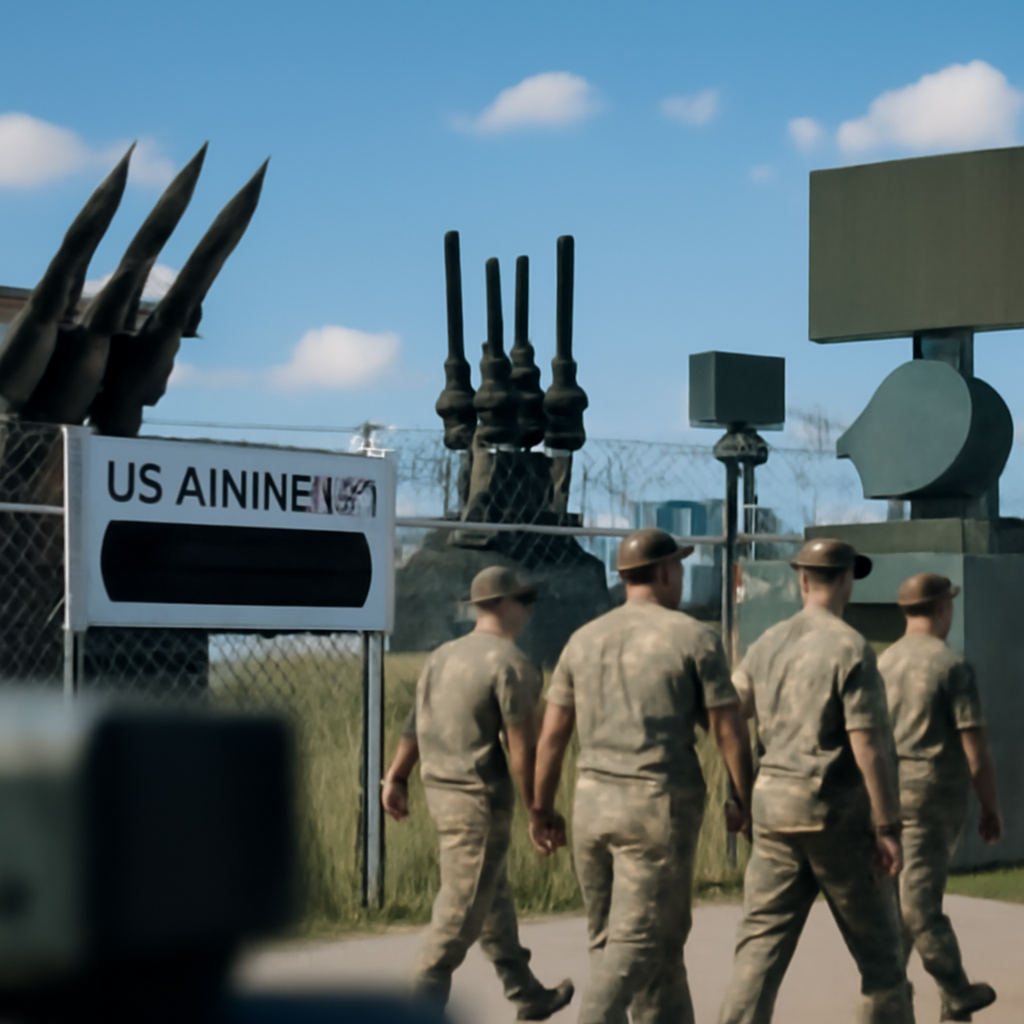
Gen. Kenneth Wilsbach said the Air Force will stand up a new point-defense career field after lessons drawn from recent fighting with Iran and ongoing threats seen in Russia and Ukraine. The general described the threat set as varied—ballistic missiles, cruise missiles (including potentially stealthy cruise missiles), drones ranging from hand-sized systems to much larger platforms, and “one-way attack drones, like we’re seeing Iran use.”
Wilsbach framed the move as a response to a tactical problem: bases under attack put force projection at risk. He noted that airmen, soldiers, marines and sailors are already conducting base defense in the Middle East, but argued the service needs specialized, persistent expertise rather than the current ad hoc arrangements discussed at recent forums such as a "Corona" meeting.
Hard shelters versus active defenses: economics and trade-offs
The chief of staff was explicit about cost and effectiveness when asked about hardened shelters: "Unless you’re going to send something 100 feet or more underground, we can blow it up, and so can they," he said, arguing that the economics do not favor deeply hardened shelters. Instead, Wilsbach favoured layered active defenses—airspace and ground defenses able to defeat incoming rounds—as the better return on investment.
He did leave room for selective measures: light protection against small unmanned threats, such as nets that stop "a small, few-$100 drone" from approaching "a $2 billion aircraft," is cheap and practical. He also listed options the Air Force is pursuing—directed energy, short-range guns, short-range rockets and missiles, and non-kinetic tools like jamming and cyber access to disrupt adversary control systems.

This site is the portfolio.
OSINTSights runs on Cloudflare Workers, D1, R2, and Vectorize, with an AI pipeline on Hetzner ARM. Nubivance designed, built, and operates it. We do the same for clients.
See what we buildT-7 Red Hawk: promising handling, limited envelope
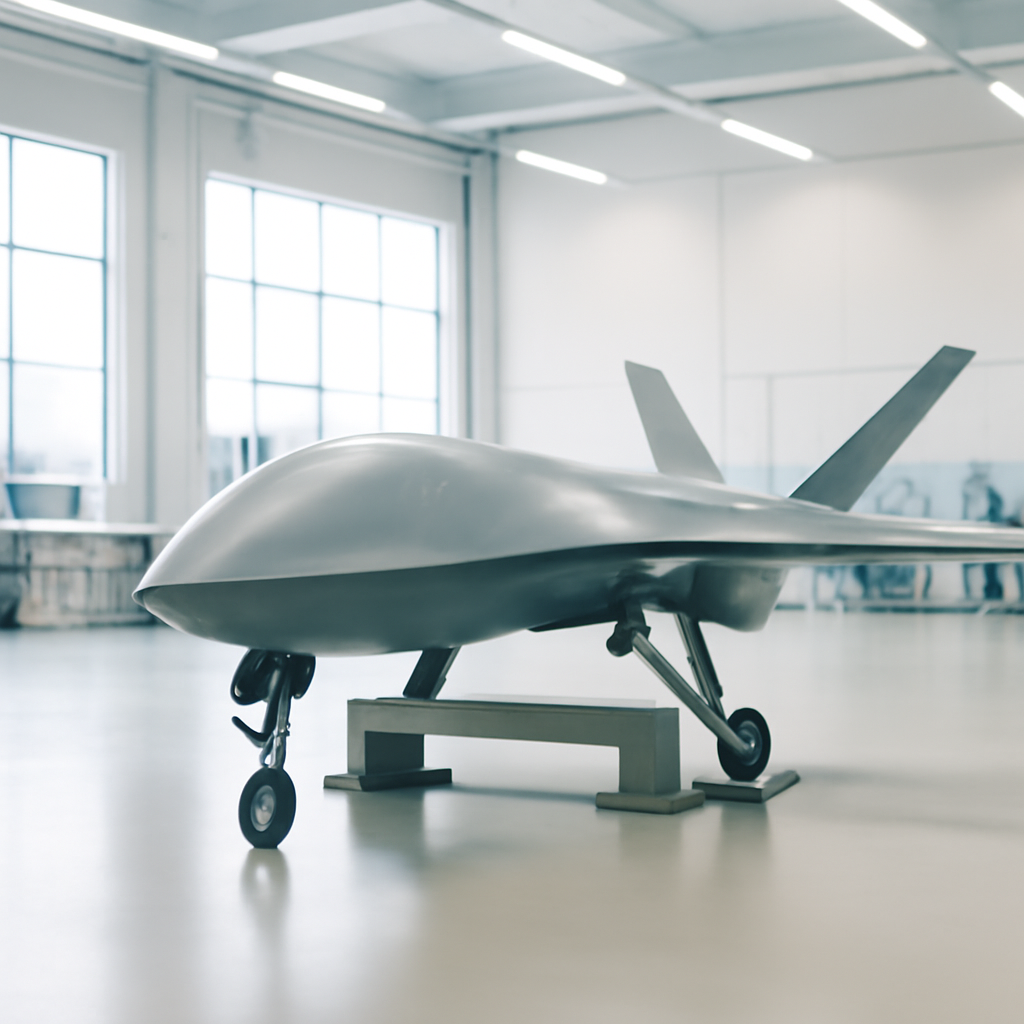
Wilsbach flew the Boeing-built T-7 Red Hawk and reported being "impressed" with the aircraft’s ease of handling. He stressed, however, that the jet he flew still carried flight-envelope restrictions: speed limits on both the low and high ends, an angle-of-attack restriction, and limits on G-loading that constrained slow-speed and high-G manoeuvres.
Despite those caveats, Wilsbach said the T-7 felt “way easier to fly than a T-38” and expressed confidence that as the flight envelope expands the jet will be an excellent trainer to prepare pilots for advanced aircraft. He said the service is hopeful—though not yet decided—that the T-7 could become the single trainer, replacing both the T-6 and the T-38, shortening training pipelines and reducing costs by eliminating the need for multiple training types.
F-35 Block 4, TR-3 and radar shortfalls: operational impacts and demands on industry
On the F-35 modernization track, Wilsbach acknowledged persistent problems: "Every aircraft delivered over the last two years hasn’t been combat capable," and some jets have been delivered without new radars, he said. Still, the general maintained the short-term operational impact has been manageable because the Air Force can "move tails around" and select units with the right configurations to deploy.
Wilsbach pressed industry to accelerate delivery of TR-3 and Block 4 upgrades, as well as Northrop Grumman’s APG-85 radar, saying these items need to be delivered "on time in accordance with the contract." Lockheed Martin responded in an editor’s note: "Development on TR-3 was completed in 2025. We continue to build on this baseline through the Block 4 modernization program, which implements upgrades including additional weapons, electronic warfare capabilities and improved sensor technology... With over 70 major upgrades for all three F-35 variants, Block 4 is the most significant evolution of F-35 capabilities to date."
Wilsbach also credited the F-35’s current performance: he said the jet has been "doing phenomenally in Epic Fury," hitting targets and maintaining a "very high aircraft availability rate" and strong maintenance performance—while still asking industry to finish promised capability work.
What this means for policymakers, procurement leaders, and pilots and maintainers
- Policymakers and budget planners: Expect pressure to fund a new point-defense career field and to weigh investments in active defense systems versus expensive hardened shelters, all against a backdrop where the White House unveiled a $1.5 trillion Pentagon budget proposal in April.
- Procurement leaders and prime contractors: The Air Force’s public insistence that Lockheed Martin and subcontractors "step up and deliver TR-3 and Block 4" and that Northrop deliver APG-85 radars on contract timetables elevates near-term schedule and integration risk as programmatic priorities.
- Pilots and maintainers: The T-7’s easier handling points toward potential reductions in training time if the aircraft replaces two types; at the same time, F-35 crews continue to operate jets with partial capability sets until Block 4 and associated hardware are fielded.
Gen. Wilsbach’s remarks stitch together three program-level dilemmas: how to protect fixed basing from an expanding drone and missile threat, how to modernize training affordably while managing flight-envelope and concurrency risks, and how to close capability gaps on a centerpiece fighter while preserving operational availability. The next test will be whether budgets, industry schedules and new personnel structures move in concert to close those gaps.