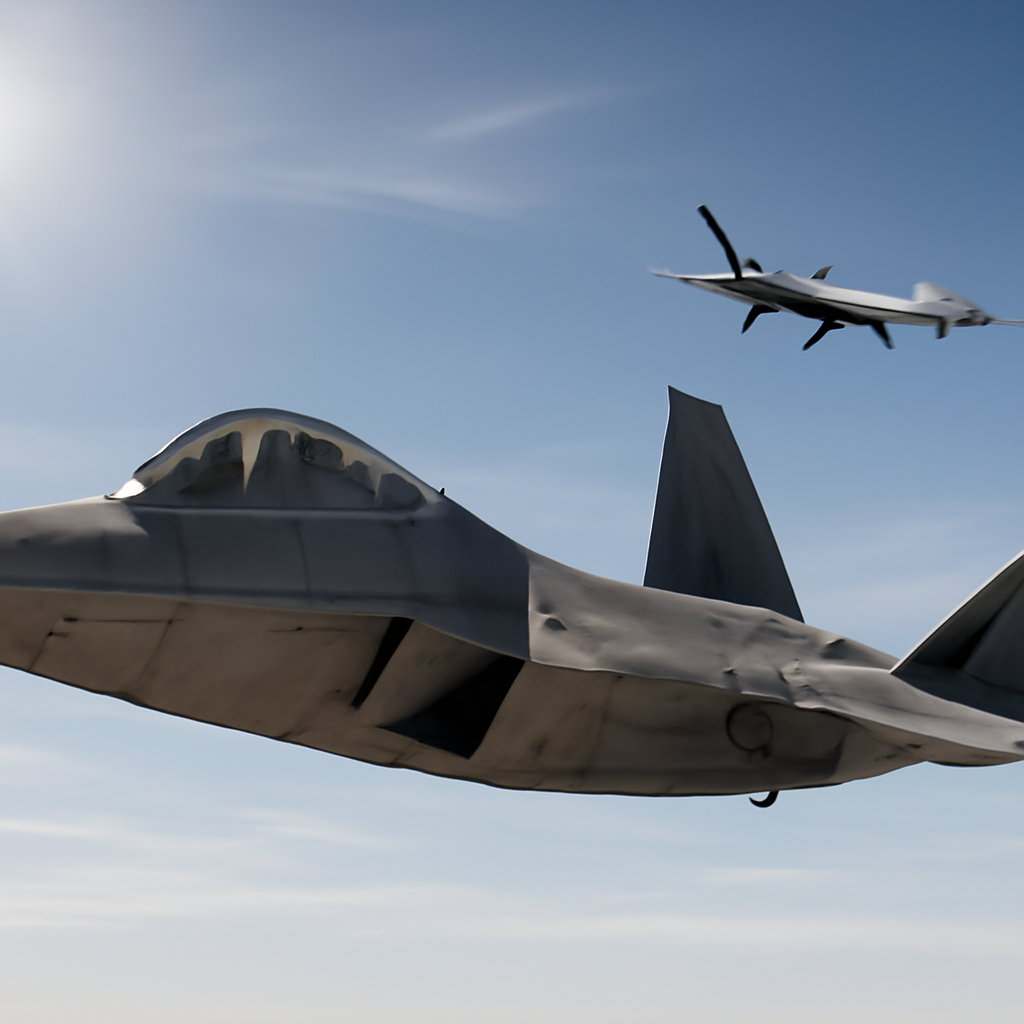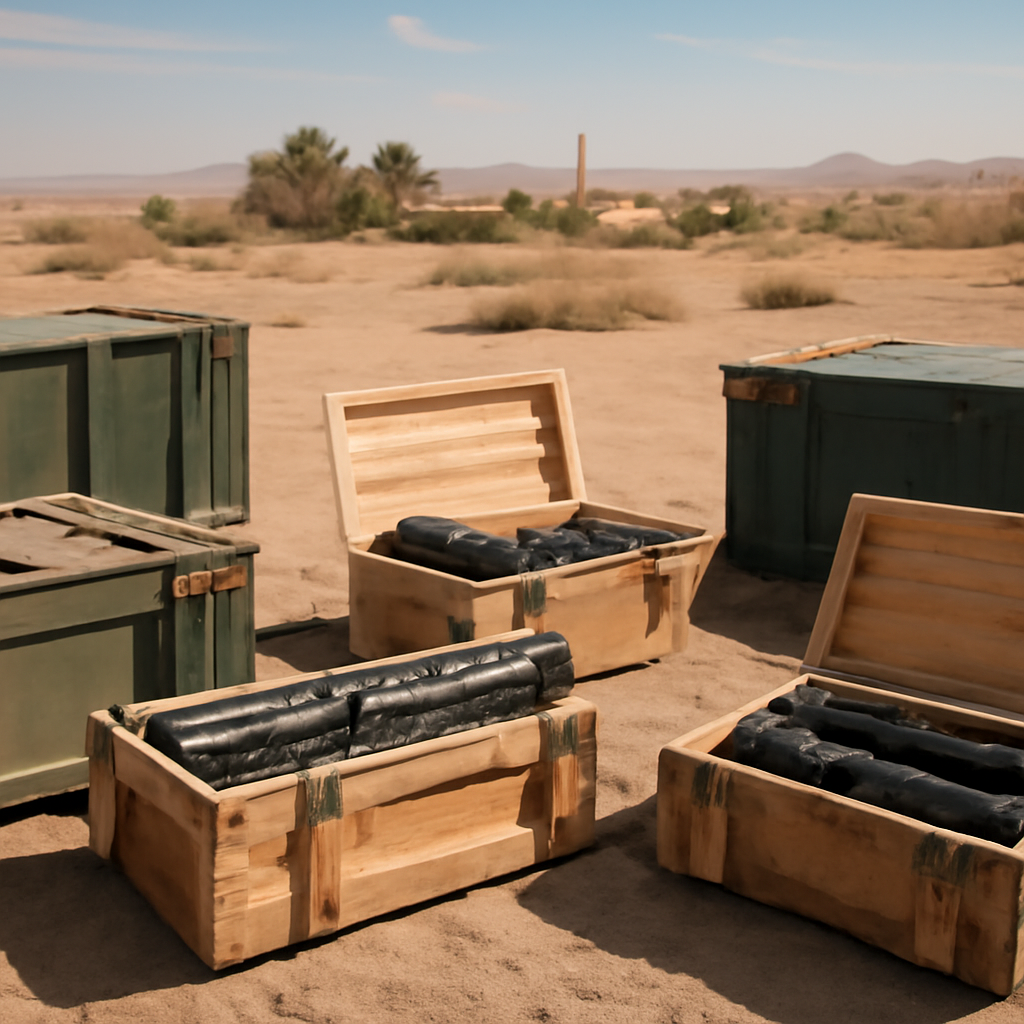
Up to 400 QW-12 and FN-16 man‑portable air defence systems, under a contract worth between US$60 million and US$70 million, have been reported as part of a China–Iran weapons deal.
The reported China–Iran weapons contract and Beijing’s public response
On 29 July, Reuters reported a China–Iran contract for shoulder‑fired missile systems — described as up to 400 QW‑12 and FN‑16 man‑portable air defence systems — in a deal valued at roughly US$60–70 million (A$85–99 million). The shipment, if accurate, could help Iran rebuild short‑range air defences that the report said were “severely degraded after five months of US–Israeli military strikes.”
Reuters also reported that, to conceal its role, China purportedly used a Hong Kong‑based middle agent, Zhongqing Baoshang International Investment, to facilitate the deal. China’s foreign ministry rejected the reports as having “no factual ground at all” and said “China always works for peace and the end of the conflict.” A Chinese defence ministry spokesperson said he was “not familiar with the relevant situation.”
Earlier China‑Iran reporting: CM‑302 missiles and ambiguous intelligence
These reports follow a pattern of earlier coverage. In February, Reuters reported that Iran and China were closing a deal for Chinese CM‑302 supersonic anti‑ship missiles with a stated range of 290 km, described as intended to “boost Iran’s strike capabilities against the US navy.” In April, The New York Times, citing US intelligence agencies, reported that China “may have sent a shipment of shoulder‑fired missiles to Iran,” but that reporting noted the intelligence was not definitive and there was no clear evidence that Iran had used such missiles against US forces.
Separately, in May the US Treasury Department sanctioned 12 Chinese entities and six individuals for providing assistance to Iran’s ballistic missile program; those sanctions, the Treasury said, involved Chinese help delivering chemical precursors and other dual‑use items to Iran’s missile efforts.

Audit-ready is a season. It shouldn't be.
Evidence in spreadsheets, controls drifting between audits, frameworks multiplying on flat headcount. Nubivance runs continuous compliance on Rapid7 Cyber GRC - SOC 2, HIPAA, ISO 27001, PCI, CMMC.
End the scrambleRussia’s contributions: drones, logistics and tactical guidance
Russia has also been an active partner to Tehran. Reporting in March detailed Moscow’s provision of medicine, food, drones and intelligence — including targeting information — to help Iran strike US assets in the Middle East. The source notes that Iran supplied Shahed drones to Russia in September 2022, and that now Tehran is reportedly receiving more advanced versions of those drones back from Moscow.
The Financial Times is cited describing the newer Shahed variants as “dramatically improved,” with modifications to engines, navigation and anti‑jamming capabilities. There are also indications that improved Russian drones incorporate Chinese radio modems, cameras and other enhancements that make them more difficult to counter. Russia, drawing on its experience in Ukraine, was reportedly providing Iran with tactical guidance on optimal drone numbers and attack altitudes.
North Korea’s reported role and the transfer of combat experience
Completing what the source calls an “authoritarian axis,” Ukrainian President Volodymyr Zelenskyy said on 30 July that North Korea was preparing to send about 30,000 troops to Russia, with the Voronezh region reportedly preparing to receive them. Zelenskyy added that North Korea was likely sending “additional missile launchers” to support Russia’s operations in Ukraine.
Zelenskyy further warned that Russia was helping North Korea “learn how to wage war, improve its weapons and gain real combat experience in using them.” The source frames these developments as having implications beyond Ukraine, noting they should be concerning to Japan and South Korea.
What this means for Australia, the United States, Japan, and South Korea
- Australia and other Indo‑Pacific powers: The China–Iran reports, combined with Russian and North Korean activity, are presented as a deepening cooperation that “degrades the international security situation” in the Middle East and “worsens the Strait of Hormuz crisis.” The source urges Australia and its partners to be alert to this cooperation and to the possibility that Taiwan and other Indo‑Pacific targets “could be next.”
- The United States: The reported transfers — missiles, anti‑ship systems, drones, intelligence and dual‑use items — are described as actions that undermine US efforts and those of its partners in Iran and elsewhere, and as capable of prolonging the conflict in Iran by restoring Tehran’s air‑defence and strike capabilities.
- Japan and South Korea: Citing Zelenskyy’s comments, the source singles out Tokyo and Seoul as likely to be concerned by North Korea’s reported troop deployments and new weapons transfers, and by the potential for combat experience and technical assistance flowing back from Russia.
The combined picture laid out in the reporting is stark: China, Russia and North Korea are depicted as cooperating in ways that amplify arms flows, share components and know‑how, and export combat‑tested techniques across theatres. That cooperation is described as raising the cost of counter‑measures, complicating regional defence calculations, and potentially broadening the next rounds of strategic competition to the Indo‑Pacific. Which diplomatic, economic or military responses will meaningfully alter that trajectory is not answered in the reporting — but the facts assembled here make clear why Canberra, Washington, Tokyo and Seoul are watching closely.