Tag: aspi
9 articles

ASPI Enhances Critical Technology Tracker with Patent Data Analysis
The Australian Strategic Policy Institute has supercharged its Critical Technology Tracker with a game-changing patent analysis feature, providing a deeper dive into innovation across over 20 critical technologies. This powerful update arms users with two decades of historical data, revealing trends and insights that will reshape their understanding of global tech leadership.

Beijing's Little Giants Infiltrate Global Supply Chains
Meet China's Little Giants, over 19,000 companies secretly infiltrating global supply chains since 2019. This label is more than just a title - it's a designation that unlocks state-backed support and resources.

Hong Kong, Macau Universities Deepen Ties with China's Defence Research
The lines between Hong Kong, Macau, and mainland China's research institutions are blurring, with universities in the special administrative regions forging deep ties with defence and space organisations. A new update to the China Defence Universities Tracker reveals a web of research links, from satellite launches to joint labs and personnel exchanges.

Science Fiction Informs Policy as Futuristic Planning Tool
Imagine a future that's already here, but only in glimpses - and discover how science fiction can help policymakers and analysts better prepare for what's to come. By challenging traditional predictive methods, science fiction offers a powerful tool to widen our aperture and anticipate the uneven arrival of future challenges.

Think Tank ASPI Marks 25 Years of Shaping Australia's National Security Policy
Celebrating a quarter century of influence, the Australian Strategic Policy Institute (ASPI) was launched with a rare show of bipartisan unity, backed by both the Coalition and Labor parties. Founded 25 years ago with a bold vision of independence, ASPI was set free to challenge conventional thinking and shape Australia's national security policy.

Australia's Intelligence Community Must Adapt to AI Era
The national intelligence community must revolutionize its approach to stay relevant in the AI era, shifting from traditional reporting to dynamic, real-time insights that match the evolving needs of decision-makers. Relying on outdated methods will render it obsolete.

Younger Voices Inject Urgency into Australia's National Security Debate
Young professionals are shaking up Australia's national security debate, bringing fresh perspectives to pressing issues like the alarming decline in mining engineering enrolments. At ASPI's 2026 Darwin Dialogue, emerging thinkers tackled the nation's critical minerals ambitions and supply chain challenges head-on.

China Expands Military Reach Beyond First Island Chain
Get ready for a significant shift in the Indo-Pacific region: China is poised to dramatically expand its military presence and influence beyond its current boundaries over the next decade. This deliberate, long-term strategy will likely have far-reaching implications for regional security and stability.
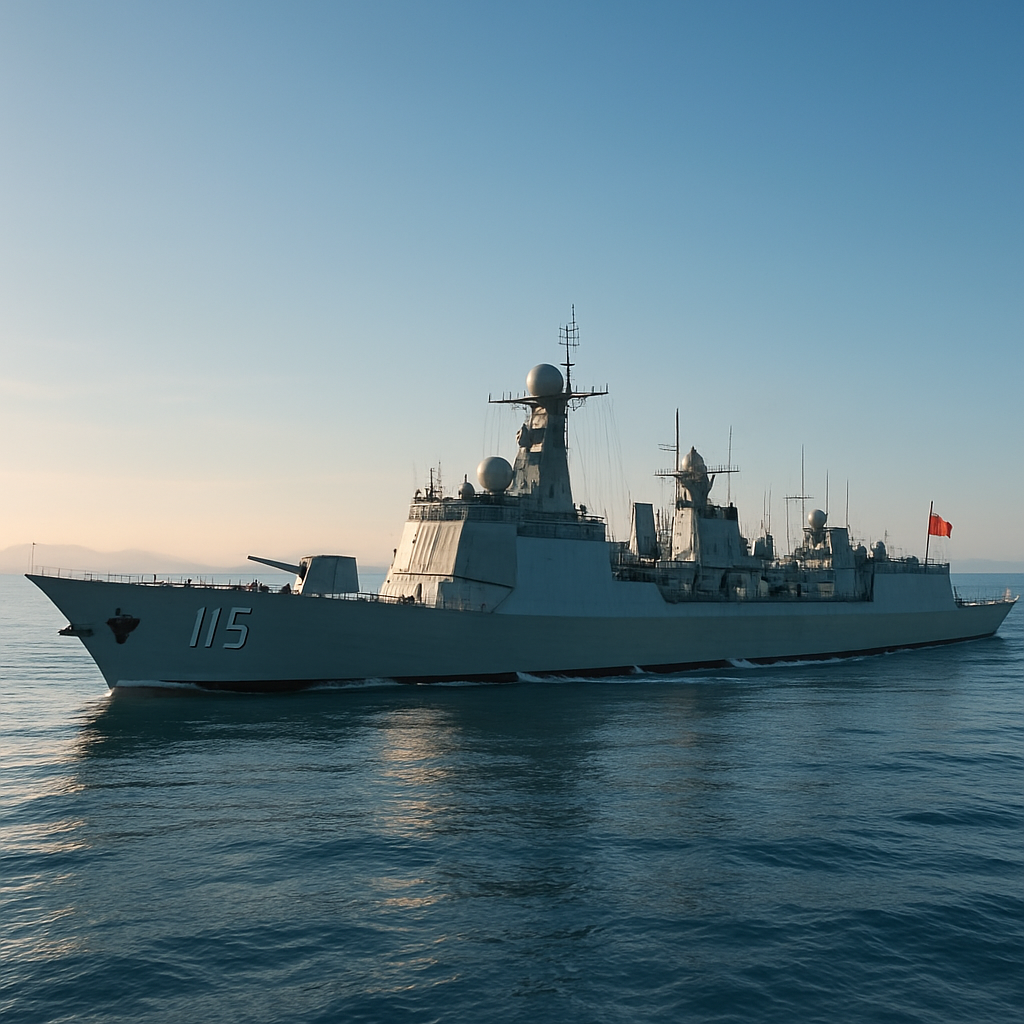
China's Military Presence Normalizes in Indo-Pacific Waters
China's recent live-fire drills in the Tasman Sea and plans for future exercises signal a new era of normalized military presence in Indo-Pacific waters, with projections suggesting this assertive approach could become the norm by 2036. This shift marks a significant change in how Beijing deploys its force beyond its shores.