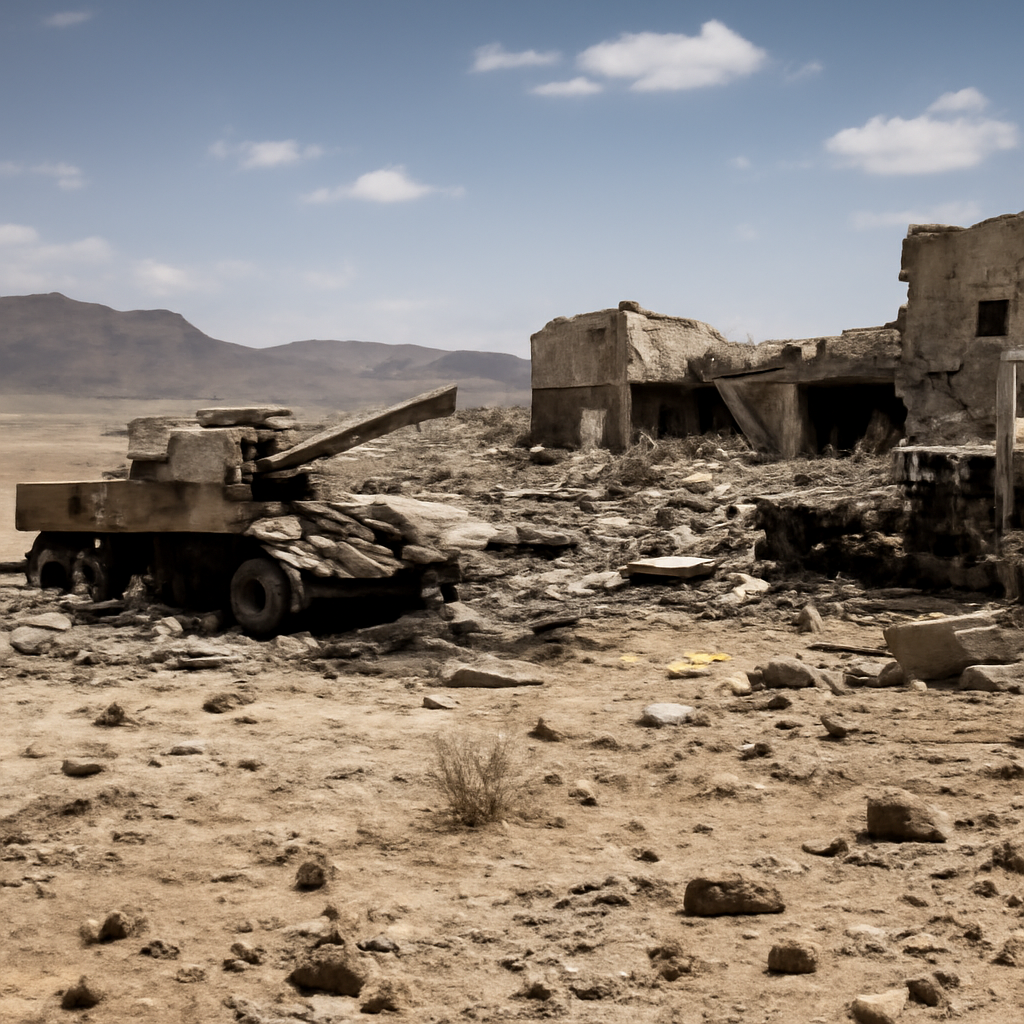
“Our armed forces carried out a broad and precise military operation targeting the Saudi enemy’s mobilizations… using a large number of ballistic missiles and drones,” Houthi spokesman Yahya Saree wrote on X, describing strikes in eastern Yemen that the group called one of its largest attacks on Saudi‑aligned forces in years.
Yahya Saree and the Houthi account
Houthi spokesman Yahya Saree provided the most detailed public narrative of the operation. He said the strikes hit “the areas of Al‑Ruwaik, Al‑Abr, and Al‑Thaniyah” and “other camps belonging to what is called the First and Third Emergency Divisions,” and claimed the “deaths and injuries of hundreds of Saudi enemy mercenaries,” the “destruction and burning of a large number of Saudi enemy camps, mobilizations, storage depots, and weapons in the Al‑Wadiah area,” and the destruction of many vehicles. Saree additionally framed the operation as preemptive, saying it was undertaken to prevent an imminent assault on Houthi forces.
Yemeni Defense Ministry, U.S. Embassy, and allied confirmations
The attacks were confirmed by multiple official and allied accounts. The Yemeni Defense Ministry described the strikes as a “treacherous attack using ballistic missiles and drones” that targeted “several camps and units of the Armed Forces deployed in the provinces of Marib and Hadramaut,” and said the Yemeni Armed Forces “will respond to this aggression at the appropriate time and place.” The U.S. Embassy in Yemen called the strikes an act of terrorism, expressed condolences “to the families of the brave Yemeni soldiers killed today in Hadhramawt and Marib,” and said the “Iran‑backed Houthis’ cowardly attacks represent yet another example of their terrorism against the Yemeni people.” Saudi authorities had no official comment in the record published by the source.

Audit-ready is a season. It shouldn't be.
Evidence in spreadsheets, controls drifting between audits, frameworks multiplying on flat headcount. Nubivance runs continuous compliance on Rapid7 Cyber GRC - SOC 2, HIPAA, ISO 27001, PCI, CMMC.
End the scrambleWho was hit: the Yemen Emergency Forces and locations named
The forces the Houthis named as targets belong to the Yemen Emergency Forces (YEF), which acknowledged that it had been struck. The YEF said the Houthi attacks targeted several military bases and units, “including emergency forces, resulting in material and human losses,” and linked the YEF’s activities to securing areas, protecting international roads, and pursuing kidnappers and smugglers. Defenseliney — an independent Yemeni security‑focused media platform cited in the reporting — described the YEF as mostly Salafi‑aligned fighters from northern governorates, formed from a nucleus called the “Happy Yemen Forces,” and placed under the Yemeni Forces Authority, which the platform said is commanded by the Saudi‑led Joint Forces Command.
Weapons, launch sites, and the public record
The Houthi account and open‑source posts described a combined missile‑and‑drone attack. Saree and other Houthi statements said ballistic missiles and drones were used. Independent social posts and a reporting update claimed 13 ballistic missiles were launched from three governorates — Sana’a, Ma’rib, and Al‑Jawf — while drones were launched from Al‑Bayda; the update was posted on X by a user identifying as Asem Al_Mujahed. Several videos circulated online that purport to show strikes, missile launches, and aftermath footage: they depict smoke plumes and audible weapon sounds, but the reporting cautions those clips do not on their own establish scale or damage and have not been independently verified in the public record.
How the U.S. Embassy, the Yemen Emergency Forces, and the Saudi‑led Joint Forces Command are positioned
- The U.S. Embassy in Yemen has publicly condemned the strikes and extended condolences to families of killed Yemeni soldiers, calling the attacks terrorism — a diplomatic posture that signals close attention from Washington in the immediate aftermath.
- The Yemen Emergency Forces, already engaged in security tasks such as protecting roads and pursuing organized criminals, acknowledged material and human losses and framed the attacks as part of a new military escalation.
- Information cited in the reporting places the YEF under the Yemeni Forces Authority and the Saudi‑led Joint Forces Command; that chain of command, and the reported losses among fighters the kingdom supports, are likely to shape how those coordinated forces consider operational responses.
This engagement marks a pronounced escalation in the long and intermittent conflict in Yemen. The source frames the strikes as part of a broader Houthi campaign that has expanded to Saudi shipping in the Red Sea and strikes on Saudi oil production infrastructure, and notes the group’s blockade of the Bab al‑Mandeb Strait. The reporting also observes that Saudi limited strikes have previously targeted Houthi launch platforms and weapons depots in response to attacks on its shipping, but it remains to be seen how Riyadh will react now, given the reported casualties among forces it backs. The episode comes while regionally linked negotiations and a tenuous ceasefire in the wider U.S.–Iran confrontation remain in play — factors the report links to broader risks for shipping and energy flows from the Red Sea and Gulf approaches.
The facts in the public record today are stark: Houthi claims of extensive destruction and “hundreds” of casualties; Yemeni government reporting of at least 30 troops killed; independent social posts asserting 13 missiles launched from three governorates and drones from a fourth; and confirmations from the U.S. Embassy and the Yemeni Defense Ministry that an attack occurred. Whether any of those figures will be corroborated or revised, and how the Saudi‑aligned command will respond, are the immediate questions left by these events.
Source: TWZ — Houthis Stage Large-Scale Attack On Saudi-Aligned Forces In Yemen