


Rapid7 deployed right the first time.
Full-platform Rapid7 rollouts - InsightVM, InsightIDR, event sources, agents, tuning - by a Registered Partner who has done it at state-agency scale, including OT/SCADA.
Talk deployment
Netgear has scored a major win with the FCC granting it a temporary waiver, allowing the company to import consumer routers until 2027 despite a broader ban on foreign-made networking hardware. This move marks a significant exception to the rule, with Netgear becoming the first consumer brand to sidestep the import restriction.

The US Space Force is on a mission to supercharge its Acquisition Corps with a massive influx of several hundred new hires, aiming to revitalize a workforce that's been significantly depleted. With its acquisition portfolio structure set to be finalized within the next two months, the Space Force is racing against the clock to build a stronger team.

The Cybersecurity and Infrastructure Security Agency's sudden cancellation of summer internships for cyber scholarship students has left aspiring cybersecurity professionals in limbo, compounding existing pressures on the program. This move comes as a result of a Department of Homeland Security funding lapse, putting the development of a specialized cyber workforce at risk.

In a surprise move, the Cybersecurity and Infrastructure Security Agency (CISA) has called back furloughed workers despite a funding lapse, leaving many wondering what this means for operational duties and the nation's cybersecurity. With Congressional negotiations still unresolved, CISA's directive has sparked a mix of relief, concern, and unanswered questions.

Australia's Defence acquisition spending is getting a closer watch, thanks to a renewed focus on transparency and public oversight. After concerns that accountability might slip, it seems the nation is quietly strengthening its checks and balances.

As cyber threats escalate and budget cuts loom, the Cybersecurity and Infrastructure Security Agency is in urgent need of a Senate-confirmed director - will Secretary Mullin help get the job done by urging the Senate to confirm Sean Plankey? Time is of the essence, with the nation's cyber security hanging in the balance.

The Pentagon is making a bold move, seeking a massive 188% boost in missile procurement, with a whopping $70.5 billion earmarked for munitions in its FY27 budget request. But can the industry keep pace, and how quickly can this ambitious plan translate into operational stockpiles?

The Department of Homeland Security's intelligence operations are getting a major overhaul, with a proposed change that would keep its Office of Intelligence and Analysis under the direct supervision of the nation's top spy, the Director of National Intelligence. This move aims to boost accountability and strengthen the nation's intelligence efforts.

Full-platform Rapid7 rollouts - InsightVM, InsightIDR, event sources, agents, tuning - by a Registered Partner who has done it at state-agency scale, including OT/SCADA.
Talk deployment
The Pentagon's ambitious space plans are hitting a fiscal roadblock, as trillion-dollar defense budgets become the new norm, but the usual budgeting tools that make them possible are no longer reliable. Can planners find a way to reconcile ambitious new programs with an uncertain budgeting process?

France is taking a bold step towards digital independence, with a push to ditch American commercial software for open-source alternatives, and all government ministries are now racing against the clock to reduce their reliance on US tech by the fall. This move signals a growing unease among European governments about Silicon Valley's influence.

The Department of Homeland Security's Office of Intelligence and Analysis is set for a major overhaul, but a proposed reorganization in the fiscal year 2027 budget has raised eyebrows - despite restructuring, the office would still answer to the Office of the Director of National Intelligence, sparking questions about oversight. This bold move has left many wondering: who will be watching the watchers?

The White House is shaking up the offensive cyber market by bringing more private companies into the fold, sparking crucial questions about who should be building and using digital weapons, and under what rules. As the lines between industry players blur, one thing is clear: the rules of engagement for this rapidly evolving market are still far from clear.

In a shocking turn of events, marathon talks between the US and Iran in Islamabad ended abruptly without a deal, leaving more questions than answers after 21 hours of intense diplomacy. The collapse of negotiations has escalated tensions between the two nations, with both sides issuing conflicting statements on the outcome.

The Trump administration's defence export strategy is facing a credibility crisis in Europe, with a prominent defence analyst warning that the outlook for US defence exports on the continent is rapidly dimming. This development raises serious concerns about the viability of the strategy and its future prospects.

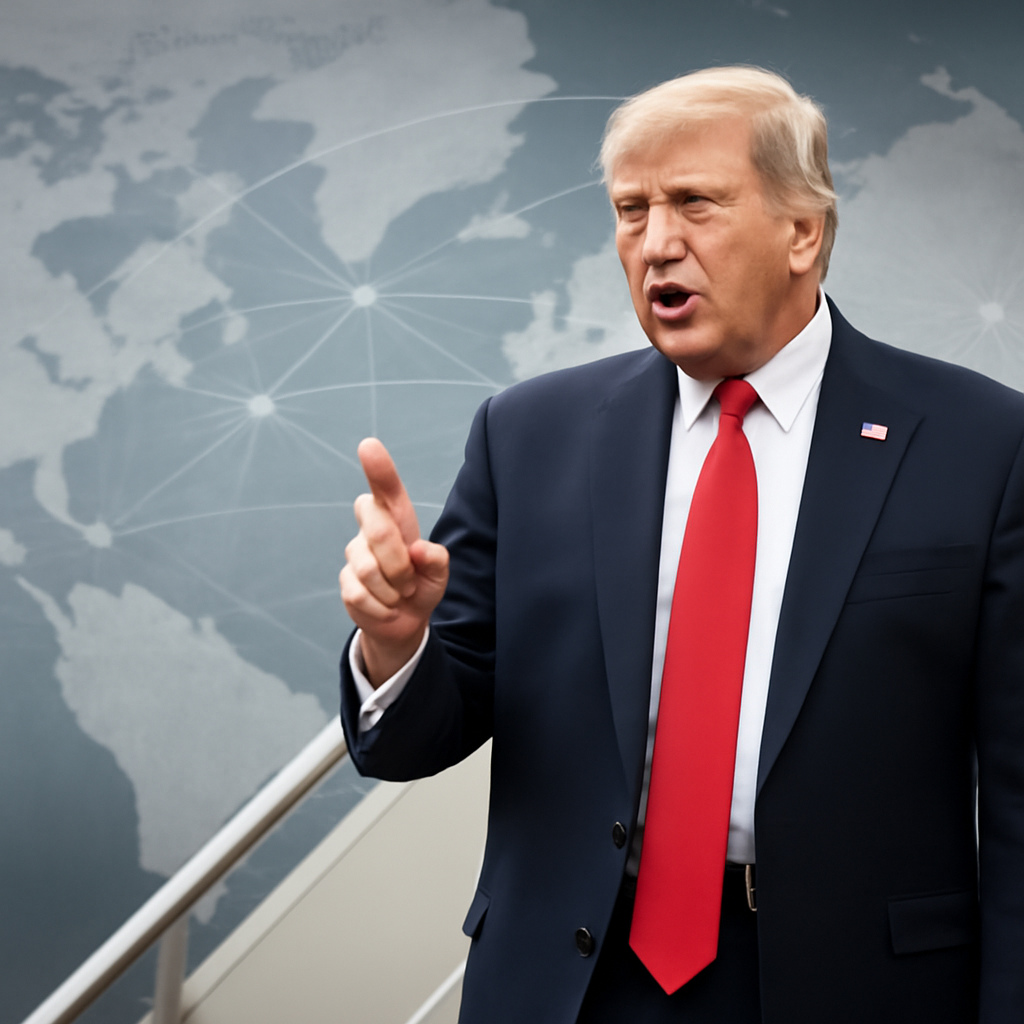
As Trump's heated rhetoric towards Iran raises the stakes, a pressing question emerges: when do verbal threats cross the line into unlawful orders or even war crimes? The debate is heating up over the legal boundaries of wartime rhetoric and accountability.
Discover the shocking truth about Webloc, a powerful surveillance tool that's been used by law enforcement agencies to track hundreds of millions of devices worldwide, raising serious questions about the intersection of advertising and policing. Developed by an Israeli company, Webloc uses ad-driven geolocation to monitor device activity, leaving us to wonder: who sets the limits on this kind of tracking?

Ransomware crews target small municipalities because nobody's watching. Nubivance gives Maine and New Hampshire towns a security program sized to a town budget.
Protect the town office
The US Commerce Department is launching a new AI export regime to promote American technology globally, shaping the future of AI adoption worldwide. This initiative aims to create a menu of priority AI export packages that will be promoted to allies and partners, pushing the adoption of US AI technologies abroad.

In a shocking move, Italy is set to oust Leonardo's CEO, Roberto Cingolani, just three weeks after he unveiled an ambitious five-year growth plan, leaving many to wonder what sparked the sudden change. The swift decision raises questions about the company's future, particularly given its recent major progress.

Will a $1.5 trillion defense budget survive the turbulent approval process ahead, as looming operations in Iran, heated midterm elections, and internal GOP conflicts threaten to derail its path to the president's desk? Three key factors stand in its way, setting up a nail-biting showdown.

In a diplomatic coup, Pakistan has successfully brokered a two-week ceasefire between the US and Iran, paving the way for crucial talks to begin in Islamabad. This breakthrough, achieved through weeks of tireless Pakistani diplomacy, offers a glimmer of hope for a peaceful resolution to the conflict.

The UK is considering a ban on radiofrequency jammers, devices that scramble signals, amid concerns over their link to crime - but could this move drive their use further underground? The government has launched a four-week public consultation to gather evidence and shape laws that could outlaw these controversial devices.

As governments worldwide tighten export controls to protect national security and industrial advantages, universities are facing a pressing dilemma: who's accountable when research crosses into sensitive territory - the administration, the researcher, or the state? It's a question that urgently needs answering, as institutions and academics must revisit export-control compliance to avoid severe consequences.

As governments tighten export controls to protect national interests, universities face a pressing dilemma: how to balance the need for global collaboration and discovery with the risk of unchecked research crossing borders. With regulations once reserved for industry now bearing down on academic activity, institutions must urgently revisit their export-control compliance to avoid stifling innovation.