“We have all of these incredible things that we're trying to do and move forward, but acceleration is only as good as our counterparts on the Hill are able to push it forward as well, right?” Maj. Gen. Rebecca McElwain, the Army’s budget director, said Thursday.
Army’s specific asks: munitions purchases and factory upgrades
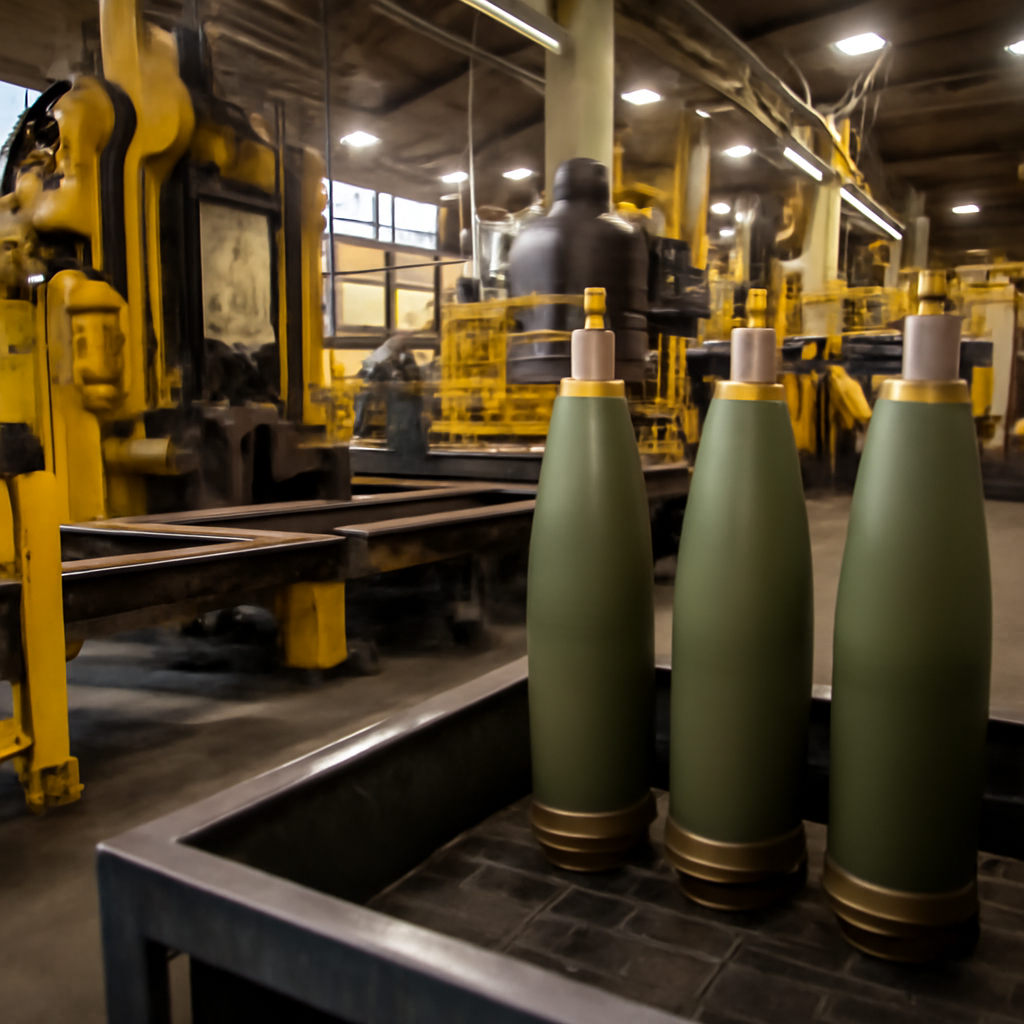
Budget documents cited by the White House show the Army is seeking $24.5 billion to fund purchases through the Department of Defense’s Munitions Acceleration Council and $206 million to expand and upgrade its own weapons factories. The $206 million request is ten times the amount the Army requested through last year’s reconciliation bill for its factories.
How reconciliation funding differs from appropriations
The administration is proposing to route roughly one-quarter of a $1.5 trillion defense-spending request through reconciliation rather than traditional appropriations. The source material stresses a key difference: appropriations bills carry line-by-line mandates for how each dollar is spent, while a reconciliation bill functions as “a big check that the department can ultimately divvy up as it sees fit, though Congress makes recommendations and agencies report back their spending plans.”

Your town's IT department is one person. Maybe.
Ransomware crews target small municipalities because nobody's watching. Nubivance gives Maine and New Hampshire towns a security program sized to a town budget.
Protect the town officeTiming risks and the precedent of last year’s reconciliation
Lawmakers and Army officials point to timing as a practical risk. Last year’s reconciliation bill did not pass until July—weeks before the fiscal year ended—and the Pentagon then took seven months to produce its plan for spending the money, which included $2.6 billion for Army procurement. Maj. Gen. McElwain warned that delayed receipt of funds “halfway through a fiscal year” would complicate execution and slow multi-year munitions and industrial-base programs.
Lawmakers’ pushback: Rep. Betty McCollum, Sen. Mitch McConnell, and Sen. Chris Coons
Concerns about the strategy are bipartisan in the record. Rep. Betty McCollum, the ranking member of the House Appropriations Subcommittee on Defense, told Defense Secretary Pete Hegseth that “the administration is taking an enormous risk by asking for $350 billion in priorities through reconciliation” and argued “reconciliation is not the best way to fund the department.” She added that last year reconciliation “created broken glass—funding holds for vital programs that the appropriators had to fix.”
Sen. Mitch McConnell, who chairs the Senate Appropriations defense subcommittee, warned that “the distinction between base and reconciliation really matters” and stressed that “base funding is what creates budget stability for the services and sends consistent demand signals to industry.” He cautioned that reconciliation should be “a supplement to, not a substitute for” annual appropriations.
Sen. Chris Coons, ranking member of the Senate Appropriations Subcommittee on Defense, cited technical problems last year when $150 billion was provided to the department: “the mismatch between base year and one-year, between long-term and short-term, caused tens of billions of dollars in errors.” He listed “errors in how shipbuilding was handled, errors in how new munitions are being acquired” and warned that this year’s near-tripling of that amount could produce even more errors.
How the Army, appropriators, and industry are likely to respond
- The Army: The service is flagging acceleration-dependent programs—especially munitions and industrial-base work—as vulnerable if reconciliation funds arrive late or are not provided. Maj. Gen. McElwain has explicitly tied program acceleration to congressional action.
- Appropriators and oversight lawmakers: Representatives on the Appropriations committees are pressing for detailed, timely plans and express discomfort with large portions of the Pentagon’s request moving through reconciliation rather than through line-item appropriations.
- Defense industrial base and contractors: Firms that would respond to munitions demand and factory upgrades face uncertainty about demand signals; lawmakers’ emphasis on base funding reflects a desire to preserve “consistent demand signals to industry.”
The administration has not disclosed a detailed strategy for why so much of the defense request is routed through reconciliation. Whether Congress will approve another precedent-breaking reconciliation package—here quantified in the record as roughly $350 billion and described as about one-quarter of a $1.5 trillion request—remains unresolved. If lawmakers do not, Maj. Gen. McElwain and several appropriators warn that key munitions buys and industrial-base investments will slow, repeating timing and execution problems seen after last year’s reconciliation bill.
Source: Defense One — Key Army efforts pinned to lawmakers’ taste for a new reconciliation bill