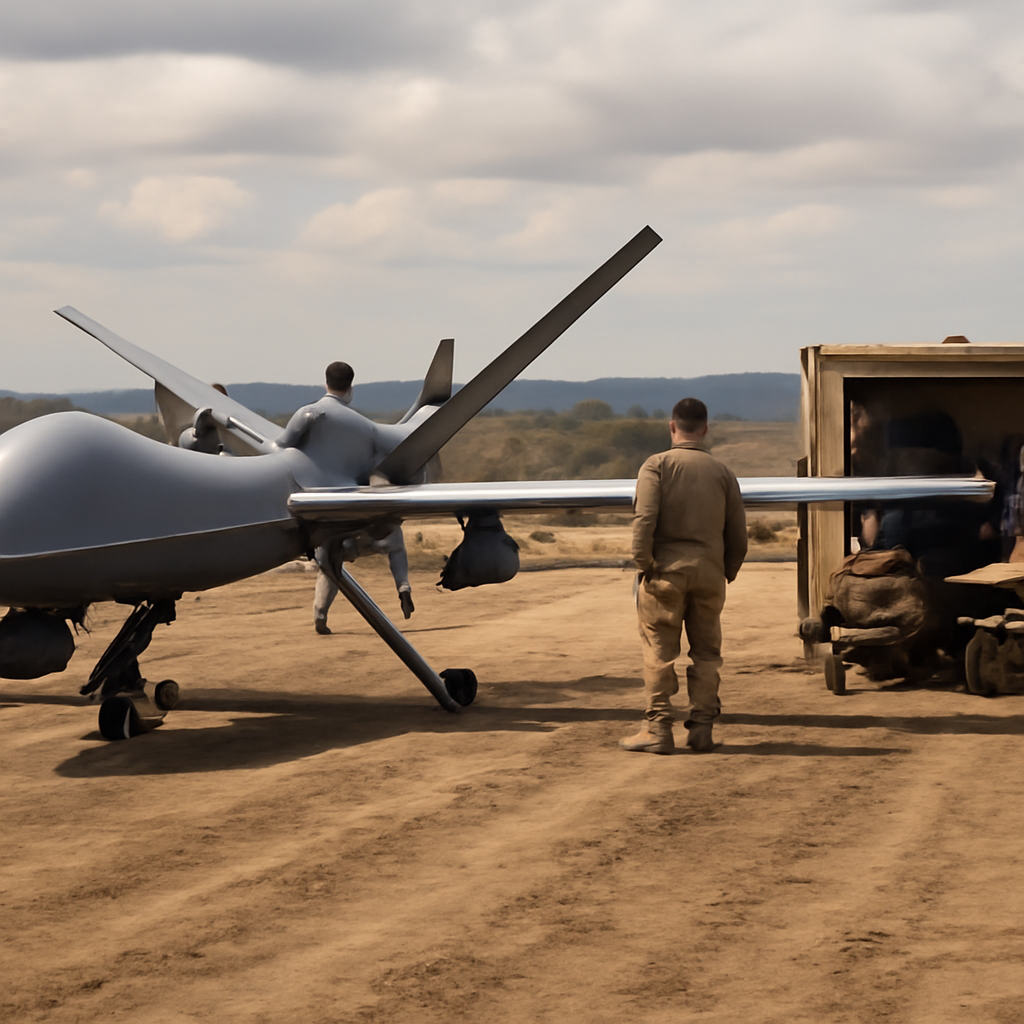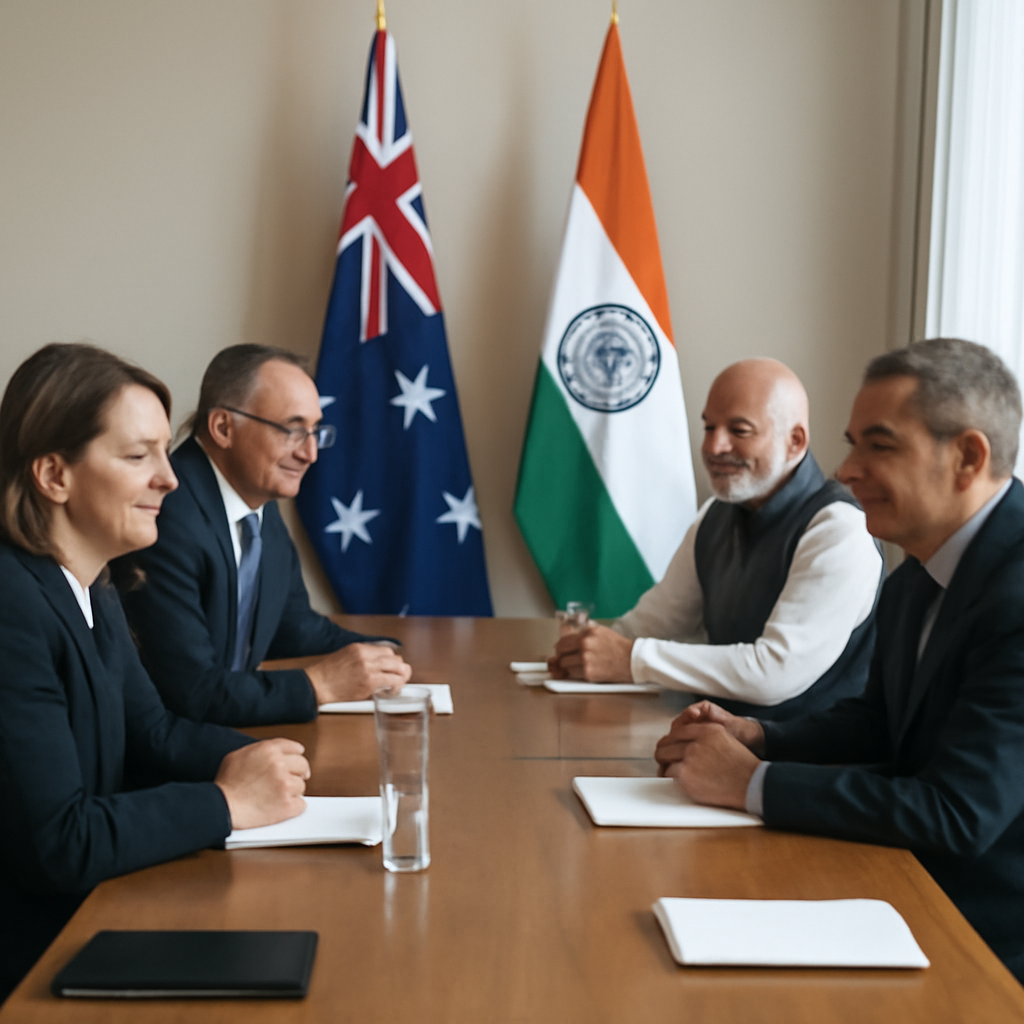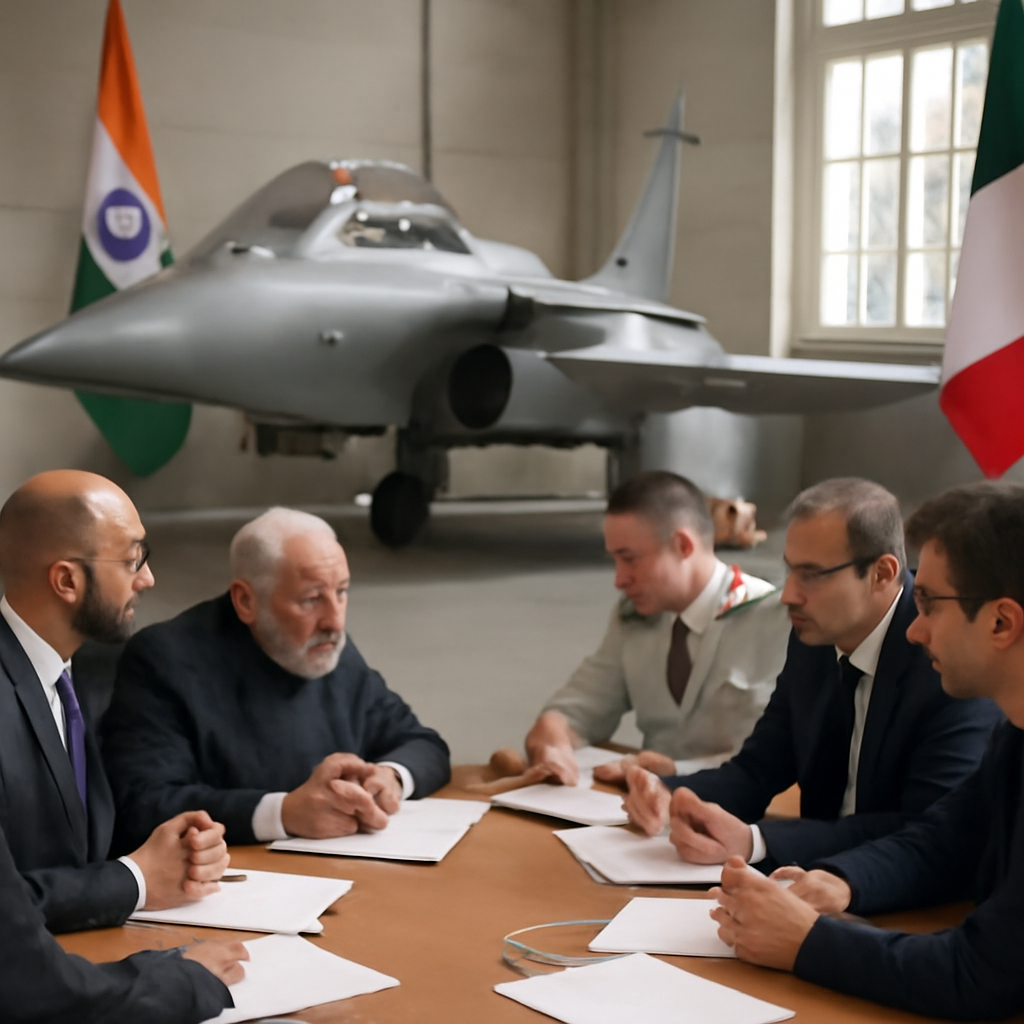
"A deal estimated at $36–40 billion would be the largest single Rafale order in history."
RFP, timeline, and where the procurement stands
The Indian Air Force has finalized the Request for Proposal (RFP) for 114 Dassault Rafale F4s — and potentially F5s — and that document is in “the final stages of bureaucratic processing” ahead of Prime Minister Narendra Modi and IAF Chief AP Singh’s visit to France in June 2026. The RFP sits at roughly Step 4 of a 12-step Indian defence procurement sequence. Prior milestones are already in the record: the Services Qualitative Requirements (SQR) were defined, the Statement of Case (SoC) was submitted to the Ministry of Defence in September 2025, and the Defence Acquisition Council approved the Acceptance of Necessity (AoN) on 12 February 2026 under the ‘Buy and Make (Indian)’ category — the AoN is valid for one year.
Scale, variants, and the production footprint being proposed
The package under discussion would comprise a total of 114 aircraft and is priced in public estimates at $36–40 billion. Reported configurations differ slightly: one outline describes 22 fly-away aircraft from France and 92 assembled domestically; other outlets report an 18/96 split, indicating the fly-away/domestic ratio remains under negotiation. Dassault Aviation is already scaling production toward four aircraft per month to handle a backlog of more than 220 orders, and Indian companies are training at Dassault’s facilities in France. Plans for a second assembly line at Hyderabad are contingent on the order being placed.

This site is the portfolio.
OSINTSights runs on Cloudflare Workers, D1, R2, and Vectorize, with an AI pipeline on Hetzner ARM. Nubivance designed, built, and operates it. We do the same for clients.
See what we buildWhere the real negotiations will be decided: the CNC and PNC stages
The RFP formally invites Dassault to submit sealed technical and commercial proposals. After that, the Technical Evaluation Committee reviews the technical bid, and Field Evaluation Trials may follow — though those trials could be abbreviated given the Rafale already operates in IAF service. The most difficult, and decisive, phase comes later: the Contract Negotiation Committee (CNC) and Price Negotiation Committee (PNC). Those stages are where source code access, Interface Control Document (ICD) terms, indigenization schedules, offsets, and pricing are to be hashed out. Even under smooth conditions, the procurement sequence typically requires 12–18 months from RFP issuance for deals of this scale; Dassault CEO Éric Trappier’s aim to sign the contract within 2026 would therefore demand an extraordinary compression of the CNC and related steps.
Political and institutional actors who have already shaped the file
The record shows multiple institutions already exerting influence. The IAF has driven the process from the SoC onward, according to the available account. The Defence Acquisition Council’s AoN was approved on 12 February 2026, and that decision was chaired by Defence Minister Rajnath Singh. Dassault’s chief executive, Éric Trappier, is publicly aiming to complete a contract in 2026. The apparent rhythm of activity — Indian firms training in France and planning Hyderabad capacity — suggests either informal pre-contract arrangements or a high degree of political confidence that a deal will close.
What this means for the Indian Air Force, Indian defence industry, and Dassault Aviation
- The Indian Air Force: The IAF wants a platform — more Rafales to meet operational needs — and has driven the procurement up to the RFP stage; the service is the most likely internal source of political confidence that the deal will proceed.
- The Indian defence industry and bureaucratic cadres: They are focused on securing an industrial programme — domestic assembly capacity, indigenization schedules, and offsets — which will be negotiated during CNC/PNC and are central to the ‘Buy and Make (Indian)’ AoN.
- Dassault Aviation: The company is ramping production capacity, training Indian companies in France, planning a potential second assembly line in Hyderabad, and seeking to conclude commercial terms rapidly in 2026 while managing a backlog of more than 220 orders.
The Rafale file is now closer to the start of India’s procurement process than its conclusion. The RFP’s issuance moves the matter into formal technical and commercial scrutiny, but the contract will only be settled after protracted negotiation over technology transfer, indigenization, offsets and price — and after CCS approval and Competent Financial Authority clearance. Whether those steps can be compressed to meet the calendar ambitions on both sides, or whether the CNC and PNC will stretch the timeline into 2027 and beyond, is the immediate question left by the record. The next public milestone to watch is the June 2026 trip to France by Prime Minister Narendra Modi and IAF Chief AP Singh.
Source: India’s 114 Rafale Deal and France’s Structural Leverage Problem — Quwa