artificial intelligence: Must-Have, Best Defense Edge
The question that quietly haunts strategy sessions across the Pentagon—How do you trust a machine with a decision that could cost lives?—captures the core dilemma driving a new era of cooperation between the Department of Defense and private industry. The goal is straightforward: leverage artificial intelligence to sharpen U.S. military decision-making while retaining control, accountability and ethical judgment. The challenge is anything but simple. Over the past five years, AI has moved from experimental lab projects into the heart of defense modernization, forcing cultural, organizational and technological change across the national security enterprise.
artificial intelligence: accelerating decision cycles and operational advantage
The Department of Defense has aggressively paired mission requirements with commercial innovation to accelerate delivery of AI capabilities. The National Security Commission on Artificial Intelligence warned that the United States risks losing critical edge without broad AI integration, prompting the DoD to create and expand organizations and pathways to speed collaboration: the Joint Artificial Intelligence Center (JAIC) for enterprise coordination, the Defense Innovation Unit (DIU), AFWERX, the Strategic Capabilities Office and modernized service acquisition routes. These institutions aim to shorten the timeline from prototype to deployment, letting commercial firms deliver capabilities faster than legacy acquisition cycles allow.
Industry partners now span hyperscale cloud providers, legacy defense contractors and nimble startups focused on machine learning, computer vision and autonomy. The partnership model delivers three tangible benefits:
– Faster decision cycles through AI-enabled analytics and predictive tools that deliver timely, actionable intelligence.
– Resource efficiency by automating maintenance and logistics, improving platform readiness and reducing sustainment burdens.
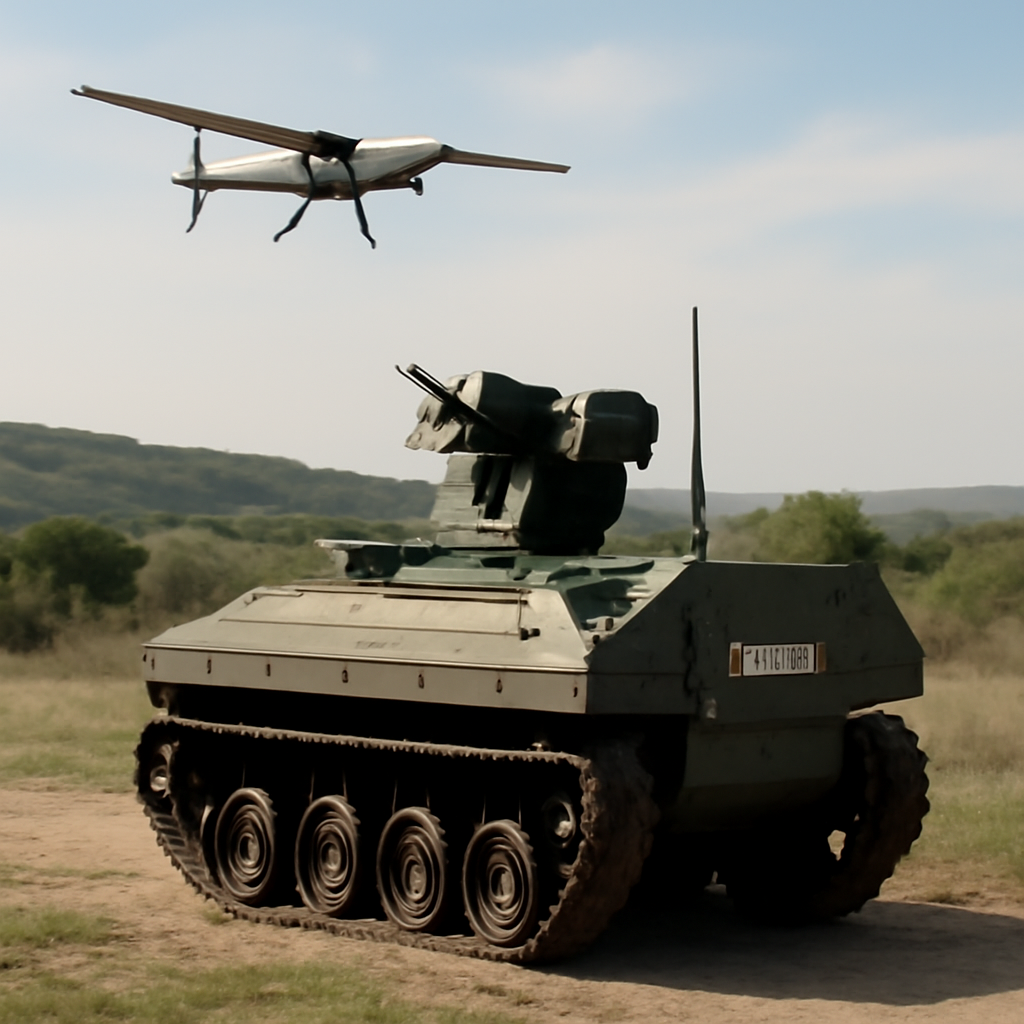
– Operational advantage via autonomy and human-machine teaming that multiply force effectiveness while minimizing risk to personnel.
These are not purely technical gains. They require a data-centric transformation—standardizing data, upgrading cloud infrastructure and creating governance around model testing and deployment—because reliable artificial intelligence depends on accessible, high-quality data and rigorous evaluation frameworks.
Bridging the gap between commercial speed and defense caution remains a central tension. Acquisition rules, security requirements and classification burdens often conflict with the rapid cadence of software development. Contractors cite compliance-related delays and rising costs; defense officials insist that safety, sovereignty and mission assurance require stringent controls. Workarounds—cooperative R&D agreements, Other Transaction Authorities (OTAs) and carefully scoped pilot programs—have proven useful but sometimes fragile.
From the technologist’s vantage point, commercial labs and cloud providers bring scale and sophistication essential for national defense: large-scale modeling, data-labeling pipelines, operational security and vast compute. They offer rapid iteration cycles and talent flows that military R&D alone cannot match. The DoD benefits when procurement and contracting adapt to the realities of software-driven development, as some DIU engagements have demonstrated by pushing prototypes quickly into production.
Policy guardrails and governance are evolving in parallel. The White House Office of Science and Technology Policy and DoD leaders emphasize principles for trustworthy, responsible AI—human oversight, transparency, robustness and fairness. But converting principles into practical procurement language, testing regimes and operational rules is still a work in progress. The Government Accountability Office has urged stronger oversight for AI acquisitions and lifecycle management to address risks like bias, adversarial manipulation and unintended escalation.
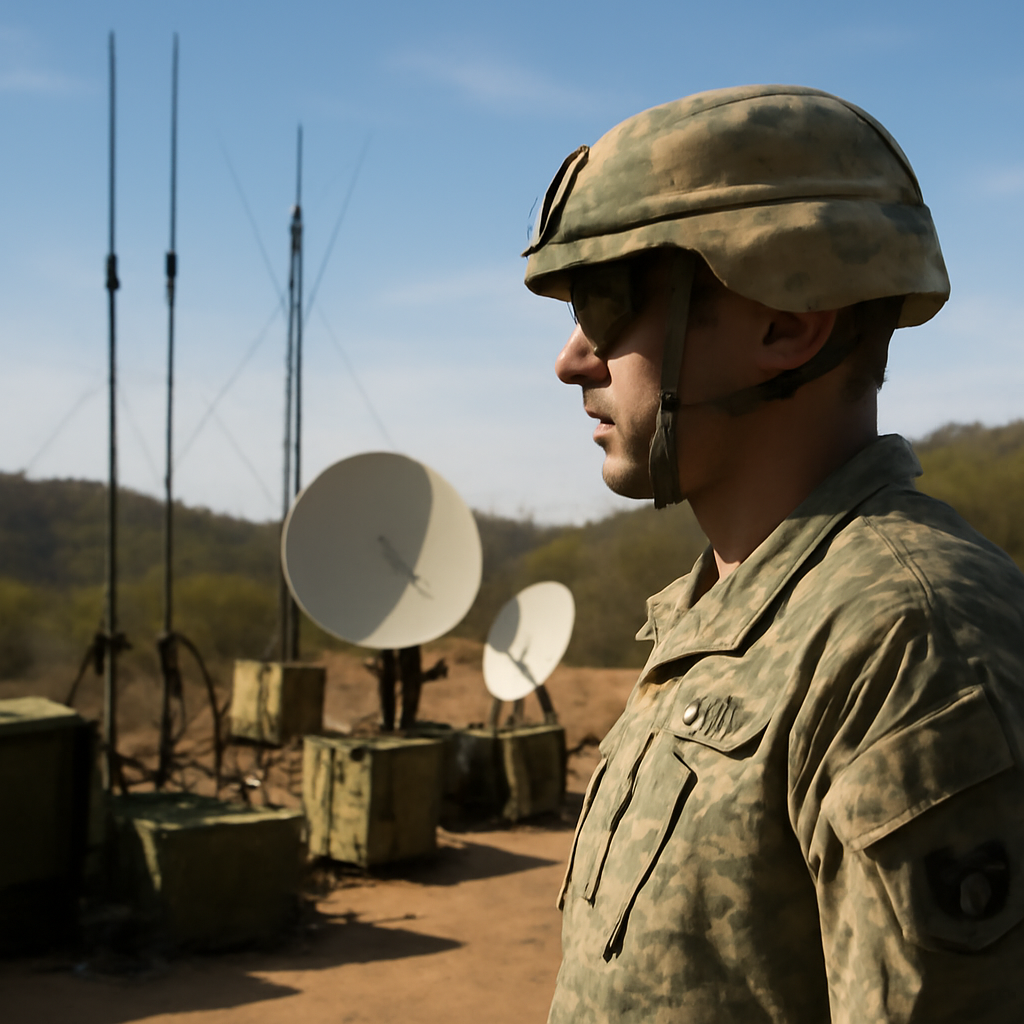
For operators, the payoff must be practical and reliable: tools that filter signal from noise in intelligence streams, automate mundane tasks, or help commanders visualize contested domains can materially improve mission outcomes. Adoption hinges on reliability, explainability and integration with legacy systems. Training and doctrine that define human-machine collaboration are as critical as the algorithms themselves.
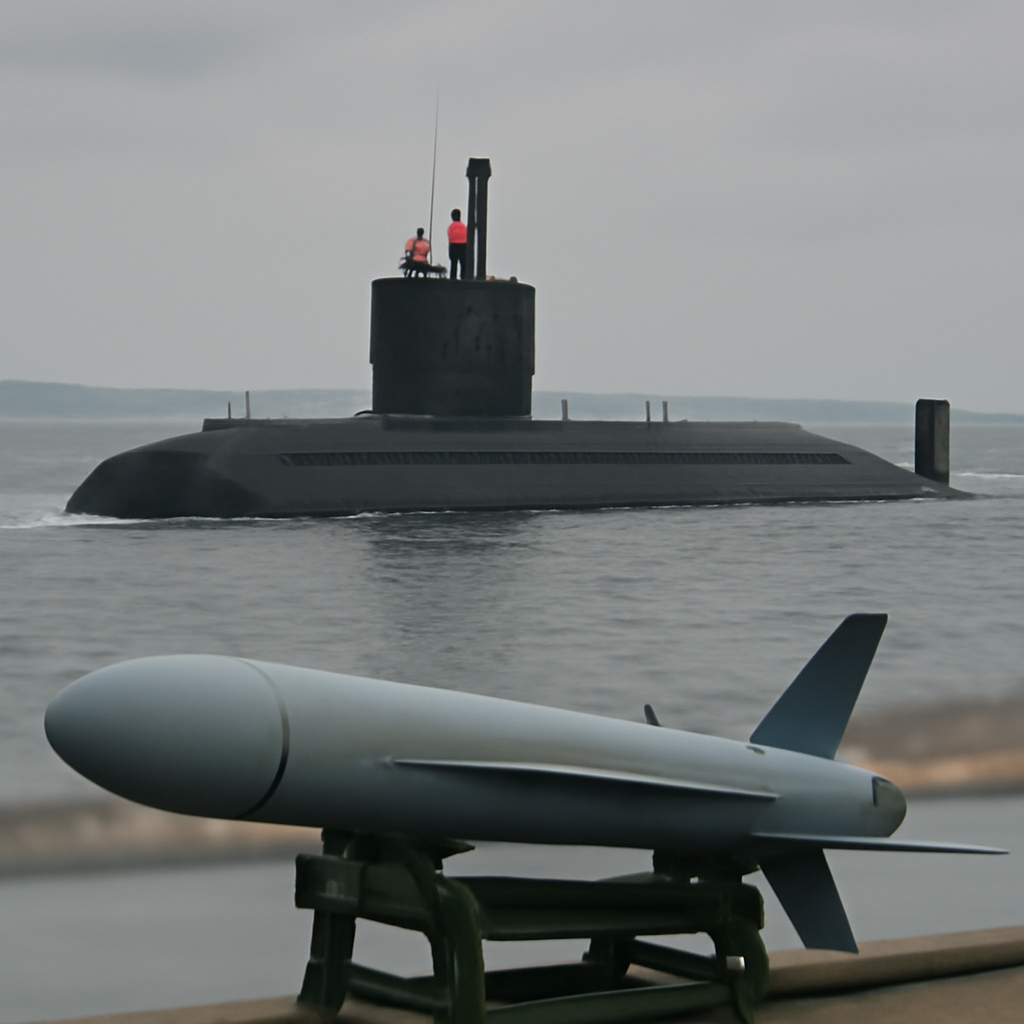
Adversaries are not waiting. Competitors such as China and Russia are accelerating military AI development across maritime, cyber and missile domains, pressuring the U.S. to act quickly yet carefully. A hurried deployment risks operational failure or strategic miscalculation; excessive caution risks ceding advantage. That uncomfortable trade-off drives a race to strike the right balance.
Practical obstacles are substantial: fragile supply chains for AI-relevant hardware, dependencies on foreign components and opaque software toolchains create vulnerabilities. Data stewardship—ensuring provenance, integrity and proper classification—remains one of the biggest hurdles. Talent competition pits the DoD against well-resourced commercial labs, compelling innovative personnel policies, partnerships and incentives.
Despite these challenges, concrete successes are emerging. Joint ventures have fielded systems that improve aircraft predictive maintenance, accelerate imagery analysis for base defense and enhance logistical forecasting in austere environments. DIU and other innovation hubs have shown that when contracting and regulatory frameworks accommodate software practices, commercial firms can deliver defense-relevant solutions rapidly and effectively.
Accountability, testing and governance continue to shape the roadmap. DoD’s adoption of AI principles, along with Model Operational Validation and Verification processes, synthetic data investments, red-team testing and adversarial robustness research, signal a serious effort to institutionalize oversight and harden systems against manipulation.
Broader democratic considerations matter too. The melding of government power and private technological capacity raises questions about limits on autonomous lethality, transparency of testing and the mitigation of civilian harms. Congressional oversight, interagency reviews and international dialogues have begun to tackle these issues, but debate will persist as capabilities evolve and proliferate.
Conclusion: artificial intelligence must be treated as both a technological imperative and an ethical obligation. The DoD-industry partnership offers a path to faster decision-making, greater efficiency and operational advantage—but only if incentives, acquisition practices and governance evolve together. Success will require reliable, explainable tools for operators, accountable procurement pathways for policymakers and a public conversation about the norms that should govern the use of powerful systems. The next chapter of U.S. defense modernization will be written as much by engineers and contracting officers as by strategists and citizens, and whether artificial intelligence strengthens deterrence without sacrificing democratic values will determine its ultimate legacy.