Tag: humanmachineteaming
5 articles

Three Urgent Challenges for Modern C2 Centers in Combat
Imagine the brain of a military under relentless attack—sensors jammed, feeds flooded with false reports, and allied systems that can’t talk to each other. Modern command-and-control centers now face three urgent, overlapping problems—resilient communications under fire, fast trustworthy human‑machine decisions, and secure coalition interoperability—and they need joined‑up solutions now.
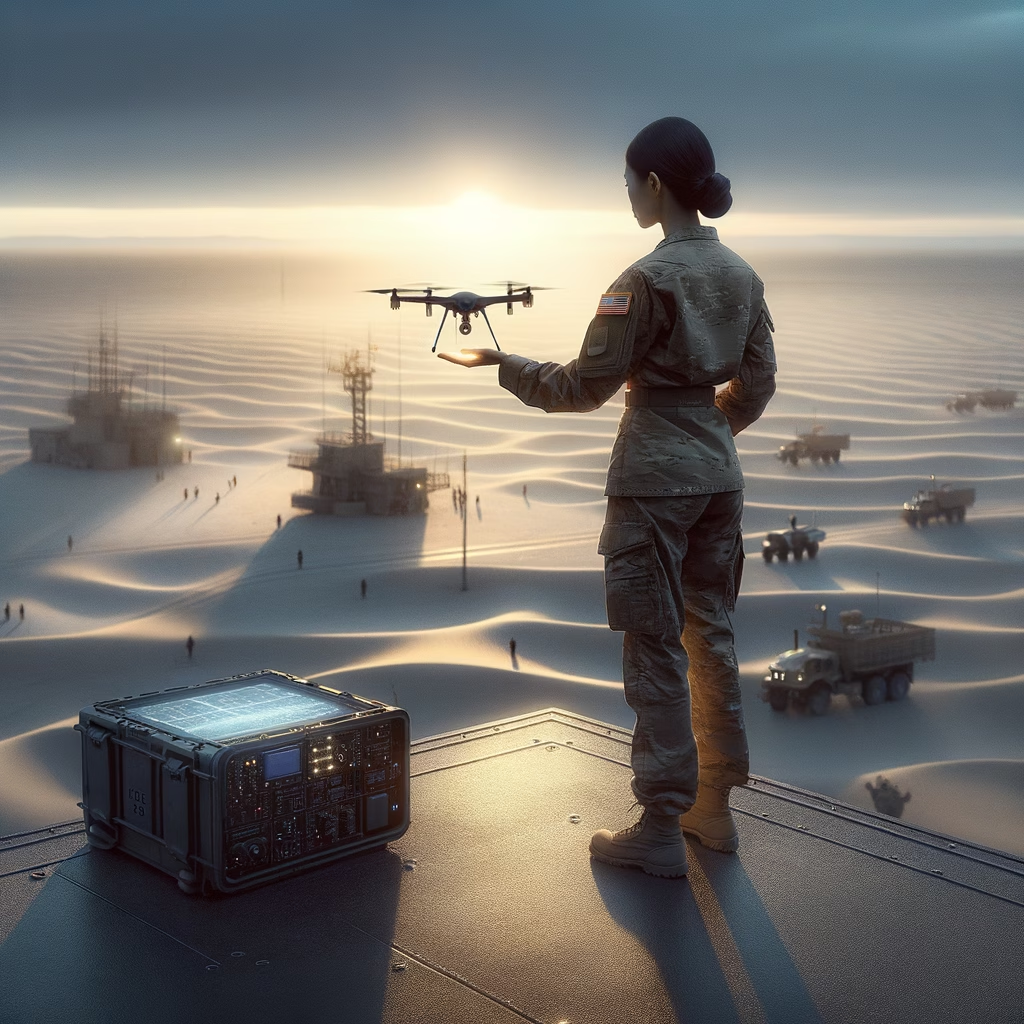
Army Seeks Drones That Understand Commander’s Intent
Imagine drones that don’t just follow waypoints but actually grasp a commander’s intent and act like teammates — the Army’s draft UAS strategy calls for a new career field, advanced autonomy training, and even soldier-built, mission-tailored drones to make that vision operational.

Army Eyes AI to Staff Artillery and Air Defense
The Army is exploring AI to augment—not replace—artillery and air-defense crews, promising faster sensor fusion, quicker target ID and persistent operations; but leaders warn the tech is still brittle, data-starved and vulnerable in contested battlefields.

artificial intelligence: Must-Have, Best Defense Edge
As the Pentagon partners with commercial AI innovators, faster decision-making, smarter logistics, and safer human‑machine teaming are within reach — but success hinges on building strong safeguards so innovation never outpaces accountability. Getting that balance right will determine whether AI becomes a decisive defense advantage or a risky misstep.

data-driven decisions: Must-Have Training to Prevent Risk
Project Flytrap revealed that sensors and AI can spot small drones, but senior officers often lack the data literacy and realistic training to turn those outputs into safe, timely decisions. Closing that gap with better education, doctrine, and human-centered systems is essential to avoid costly mistakes on the battlefield.