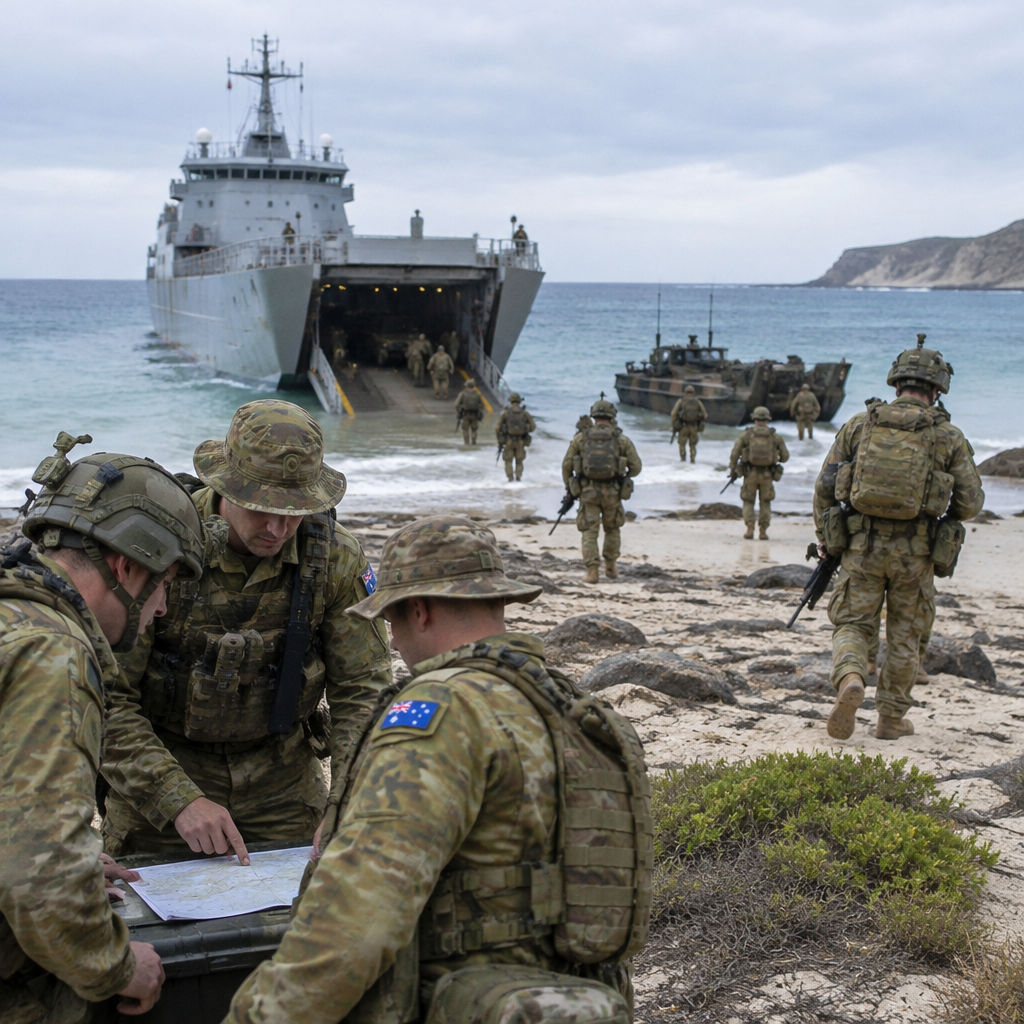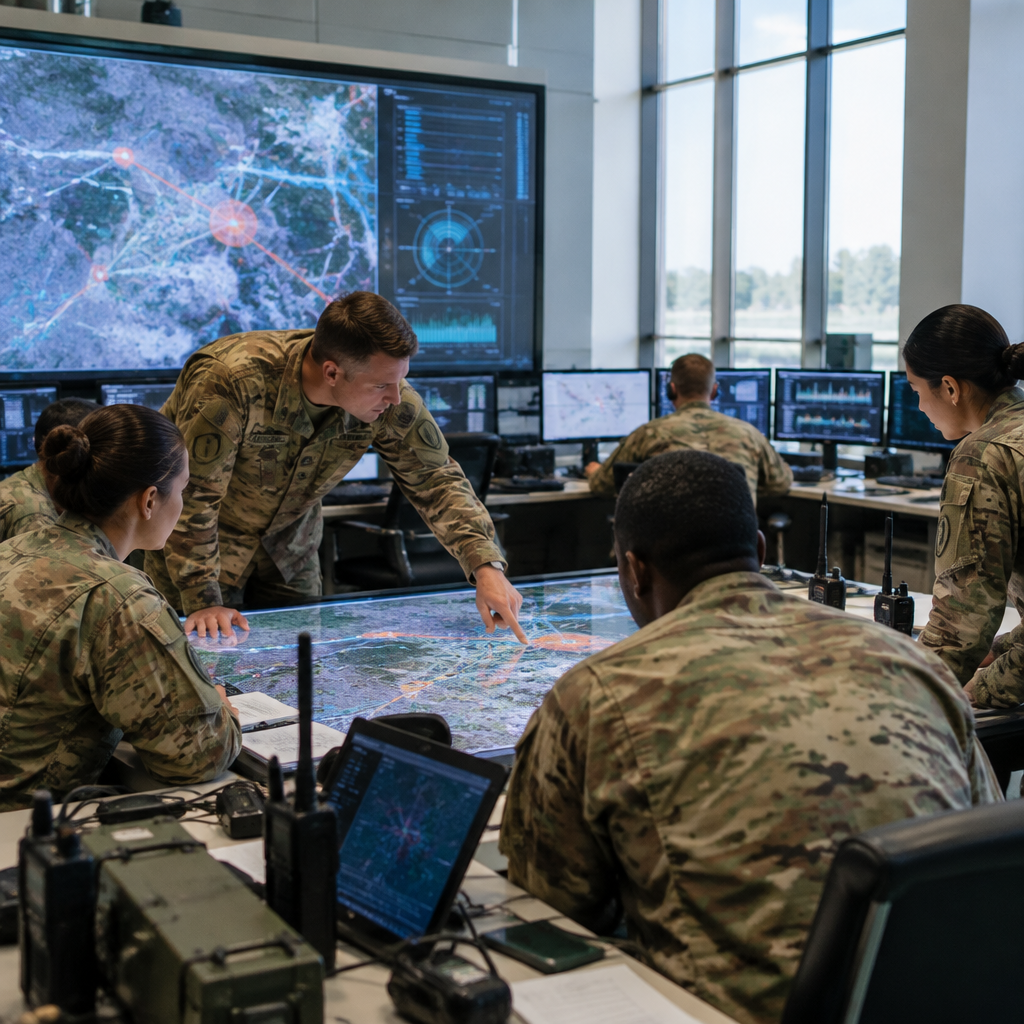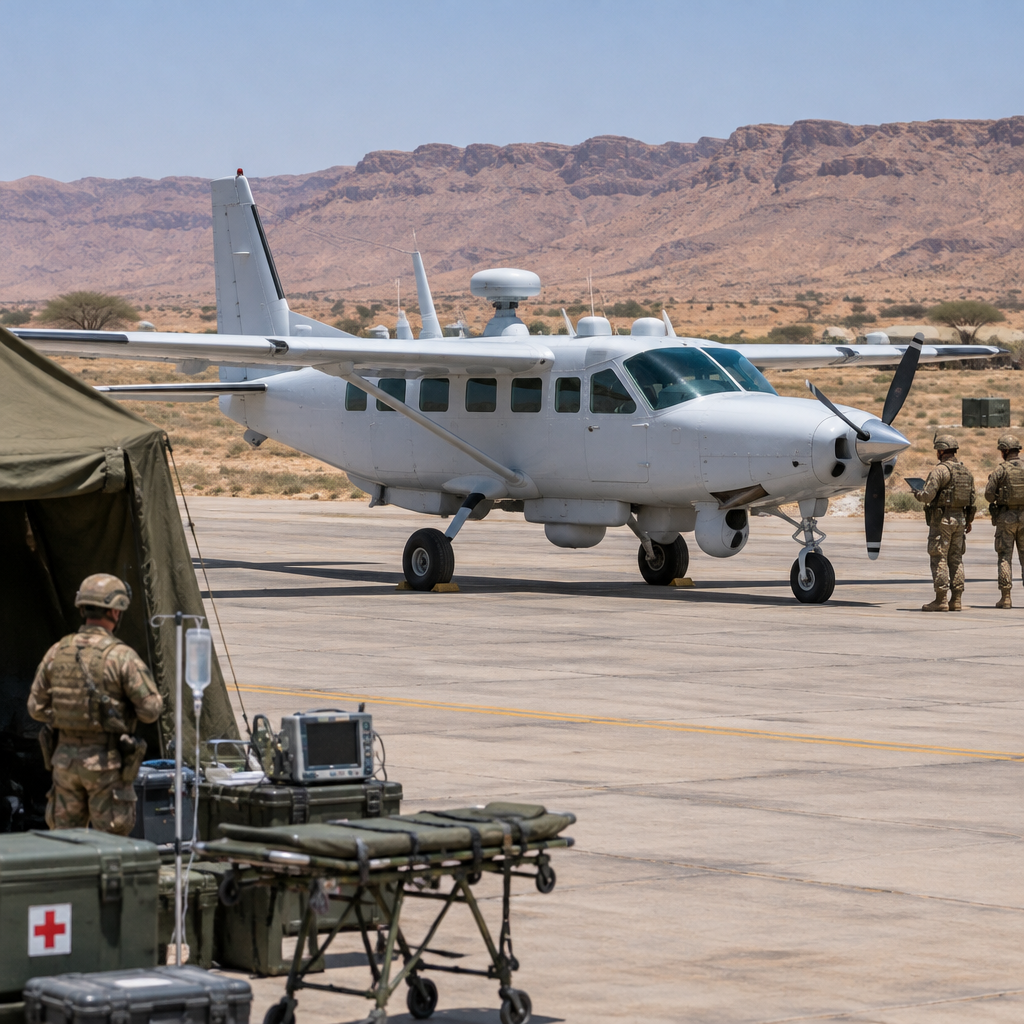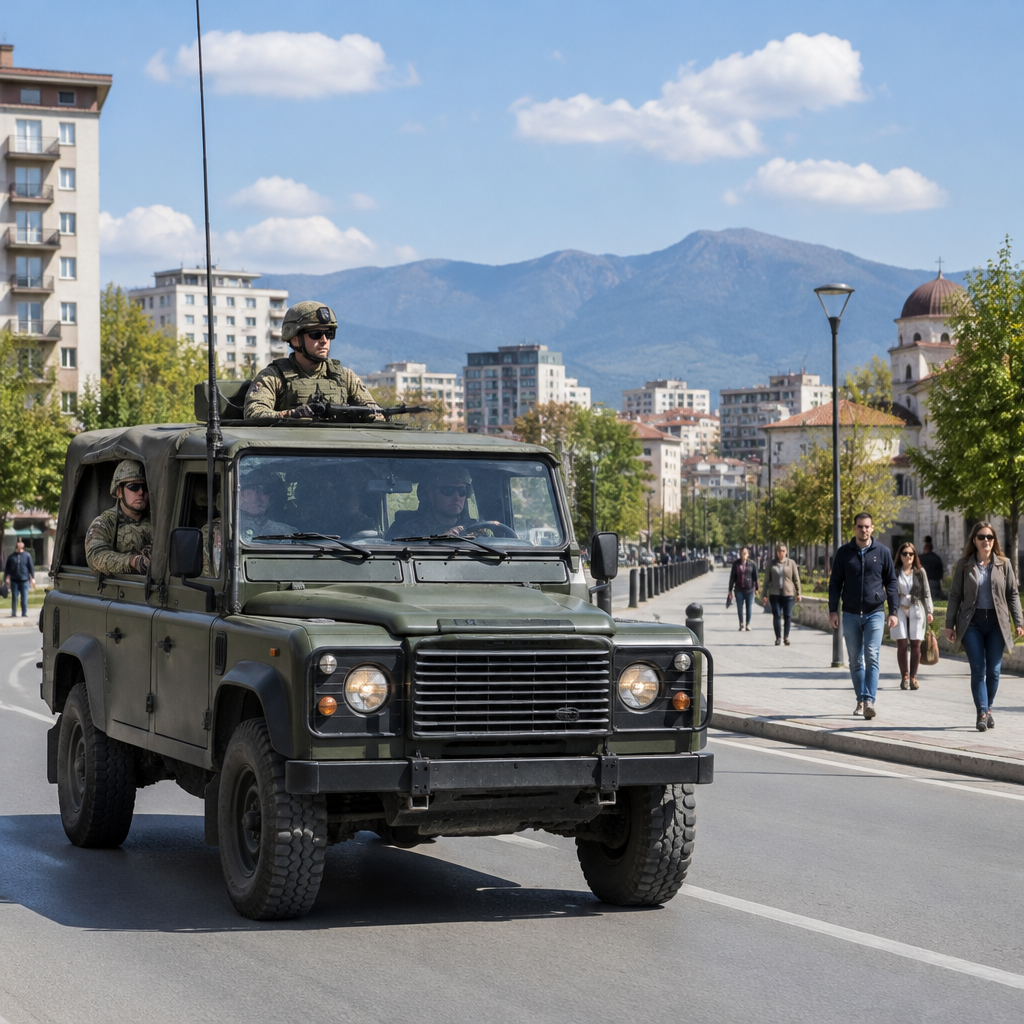
"The force functions as 'a political deterrent to those seeking to stoke ethnic violence,'" a bipartisan group of U.S. lawmakers wrote — a judgment that frames the argument for keeping roughly 600 American troops in NATO’s Kosovo Force, or KFOR.
KFOR since June 1999: a small force, long peace
KFOR was deployed in June 1999 under NATO command after the alliance conducted an air campaign to stop violence by Slobodan Milosevic’s Serbian forces against ethnic Albanians. Kosovo declared independence in 2008, but Serbia — backed by Russia and China, the source notes — still refuses to recognize it. For a quarter-century KFOR has been the international presence most directly associated with preventing renewed large-scale violence in Kosovo.
Russian and Serbian influence operations and periodic violence
The source catalogs repeated episodes of tension that KFOR was designed to contain. In 2017 a Russian-made train was sent toward northern Kosovo with the slogan “Kosovo is Serbia,” described as a rolling provocation. Russia runs a so-called humanitarian center near Kosovo suspected of serving as an intelligence station, and close Serbian-Russian intelligence ties are said to give Moscow access to local nationalist forces prepared for provocations.
Violence and serious incidents recurred in 2023: in May clashes between Serb protesters and Kosovo police injured more than 90 NATO peacekeepers and prompted Serbia to raise its military alert level; that September, heavily armed Serb gunmen in Banjska killed a Kosovo police officer and barricaded themselves in a monastery. Kosovo blamed Serbian-backed militants for an earlier armed attack in the north in 2023, and Russia’s Minister of Foreign Affairs warned that “a major explosive situation is brewing in the heart of Europe.” In October 2026, Russia’s ambassador to the UN warned the situation in Kosovo “remains persistently tense and is literally teetering on the brink.”

Audit-ready is a season. It shouldn't be.
Evidence in spreadsheets, controls drifting between audits, frameworks multiplying on flat headcount. Nubivance runs continuous compliance on Rapid7 Cyber GRC - SOC 2, HIPAA, ISO 27001, PCI, CMMC.
End the scrambleU.S. contribution, operational weight, and the posture review
The United States currently provides roughly 600 troops to KFOR — often Army National Guardsmen — and leads Regional Command East, a position the source characterizes as “real operational weight, not symbolism.” Those troops are described as an economy-of-force commitment that accounts for less than 1 percent of total U.S. troops in Europe. The Pentagon is finalizing a Europe posture review, and the source argues this relatively small commitment deserves protection because of KFOR’s political as well as military effect.
Operation Althea, EUFOR, and contrasts in deterrence
By contrast, the source highlights limits in neighboring Bosnia under Operation Althea. EUFOR, the EU-led force with roughly 1,500 troops, has struggled to deter provocations by Republika Srpska leader Milorad Dodik, who is said to be backed by Moscow and Belgrade. In 2025, EU ambassadors rejected Bosnian appeals to help enforce an arrest warrant against Dodik, citing political risk, and Dodik has openly mocked EUFOR’s patrols. The piece argues that lacking an American anchor and a unified chain of command willing to act, EUFOR has too often managed crises rather than deterred them.
The comparative record cited is concrete: after the 2023 Banjska incident, NATO increased its peacekeeping presence in Kosovo and Serbia drew down its border deployment, ending that particular crisis — an outcome the source attributes to KFOR’s capacity to surge forces when tested.
What this means for lawmakers, the Pentagon, and NATO
- Lawmakers: Members of both parties are portrayed as already understanding KFOR’s political deterrent value; that bipartisan view informs arguments to preserve the American presence despite pressure to cut overseas costs.
- The Pentagon: The posture review is framed as a legitimate accounting of where U.S. forces add unique value; the source urges the Pentagon to recognize that a 600-person presence yields outsized political leverage and would produce almost no budgetary relief if withdrawn.
- NATO and allies: The piece warns that removing the American anchor from KFOR could embolden nationalist agendas in Kosovo and Serbia and strengthen separatist ambitions in Republika Srpska, suggesting NATO’s deterrent posture in the Balkans relies on continued U.S. leadership within KFOR.
The central claim is straightforward: a small American force, in place for more than two decades and leading a key regional command, provides deterrence that is political as well as military. Removing that anchor, the source contends, would produce little savings while handing Moscow what it calls a “cheap strategic win.” The Pentagon’s Europe posture review will decide whether that assessment holds sway; for now, the piece urges keeping KFOR intact.