"If Iran developed a nuclear weapon, Saudi Arabia would follow suit," Mohammed bin Salman declared in 2018.
Mohammed bin Salman’s pledge and the strain on his social contract
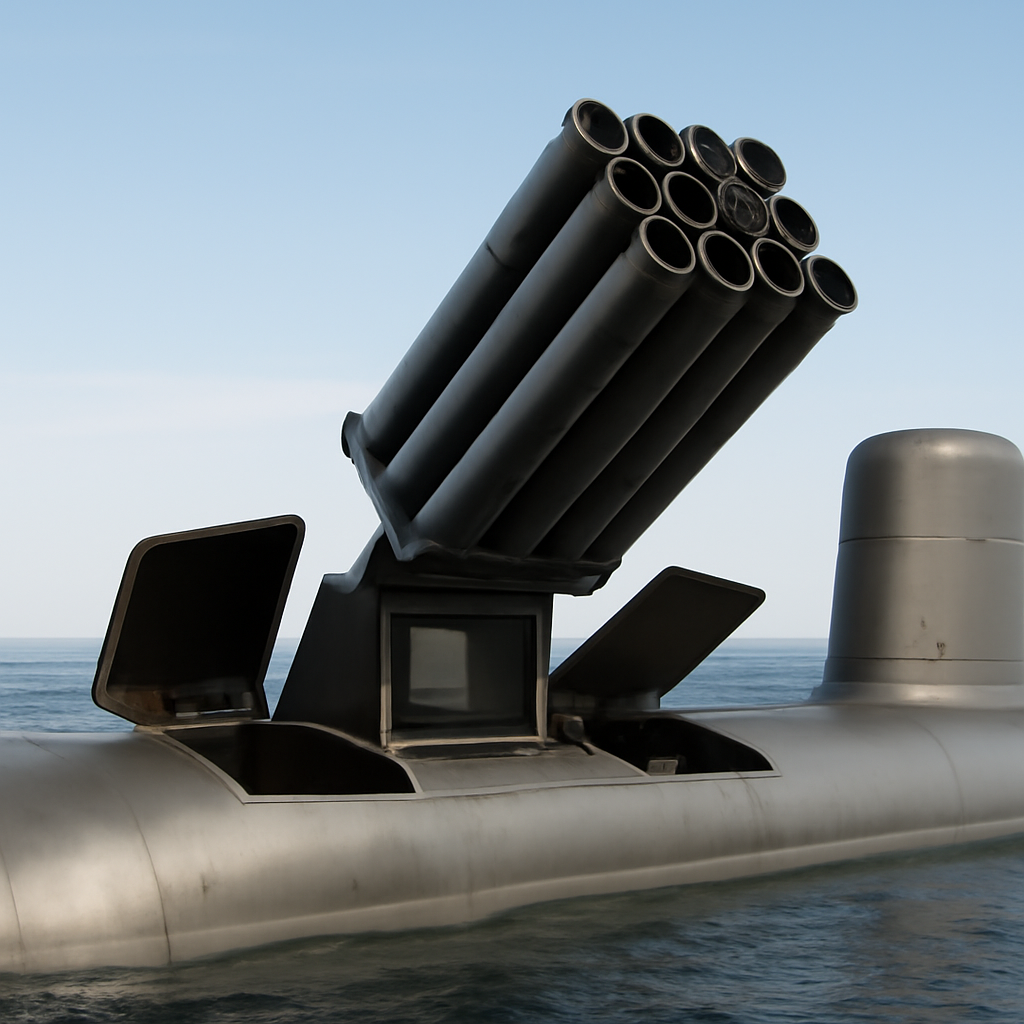
That pronouncement sits at the center of a policy debate reoriented by a string of violent disruptions inside the Kingdom. Crown Prince Mohammed bin Salman has built his rule on the promise that modernizing Saudi Arabia would make it safer and more prosperous. Yet, repeated missile and drone attacks that have targeted Saudi airfields, threatened the oil‑processing hub at Abqaiq and forced the shutdown of the East‑West pipeline have put that promise under unprecedented pressure. The latest strikes on Riyadh’s international airport have brought conflict into the capital and exposed limits of Saudi defenses.
The July 2026 agreement and what it permits
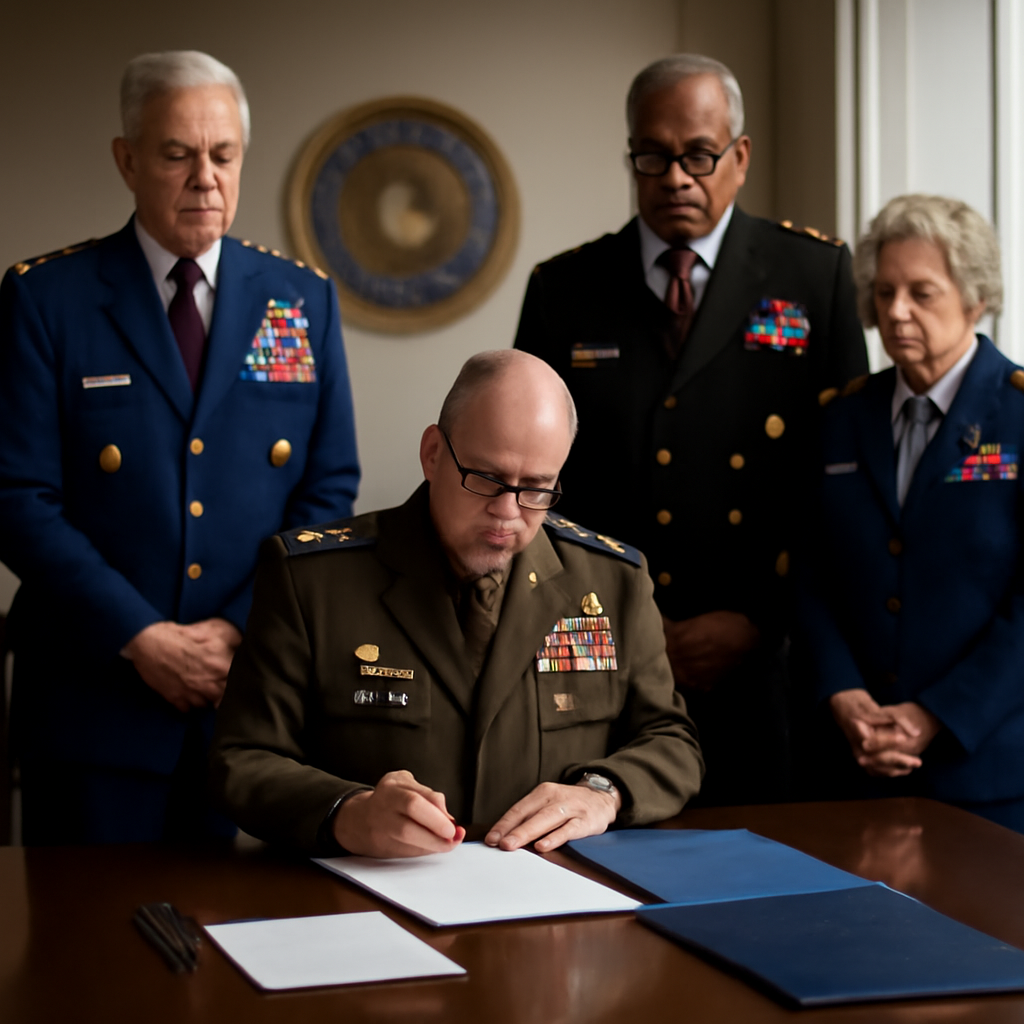
In July 2026 Washington and Riyadh signed an agreement that opens a pathway to enriching uranium on Saudi soil. The arrangement provides for a two‑year study of commercial enrichment, initially limited to uranium enriched to 5 percent, with an additional review before any move toward 20 percent. Under the proposed arrangement, a facility would reportedly be operated by American companies using a "black box" model intended to prevent Saudi personnel from accessing sensitive centrifuge technology. The agreement does not require Saudi Arabia to adopt the International Atomic Energy Agency’s Additional Protocol, which provides more intrusive off‑site verification measures.

Audit-ready is a season. It shouldn't be.
Evidence in spreadsheets, controls drifting between audits, frameworks multiplying on flat headcount. Nubivance runs continuous compliance on Rapid7 Cyber GRC - SOC 2, HIPAA, ISO 27001, PCI, CMMC.
End the scrambleInfrastructure, conflict, and the fragility of long‑term bets
The authors — Yoel Guzansky and Henry Sokolski — argue that the central risk is political durability, not only technical safeguards. Despite large military investments, the Kingdom has struggled to shield vital infrastructure from relatively inexpensive missiles and drones. Diversification of export routes has also proved vulnerable: the East‑West pipeline, intended to reduce dependence on the Strait of Hormuz, itself became a target, and Houthi advances along the Red Sea have threatened Bab el‑Mandeb. Those operational realities, the authors write, erode the economic confidence Saudi Arabia needs to attract investment and sustain a multi‑decade nuclear program.
Why enrichment changes the equation
Guzansky and Sokolski emphasize that uranium enrichment is a strategic capability, not merely another civilian technology. Enrichment can provide a foundation for a future weapons program; a black‑box model may limit access to centrifuge designs but cannot entirely prevent the accumulation of expertise, trained personnel and institutional knowledge. Nuclear reactors can operate for 50 years or more, the authors note, meaning infrastructure and know‑how can outlive governments and political systems. They point to historical precedent: under Atoms for Peace the United States helped establish Iran’s civilian nuclear program, supplying Iran’s first research reactor and training nuclear scientists when the Shah was a close U.S. partner — and subsequent political change illustrates how nuclear institutions can survive shifts in regime.
What this means for Congress, American companies, and Saudi leaders
- U.S. Congress and policymakers: The authors call on Congress to conduct a political durability assessment alongside technical proliferation safeguards. Specific questions they urge Congress to ask include: Who would control enrichment capabilities during a future succession crisis? Could nuclear facilities be secured during prolonged regional conflict? What happens if relations with Washington deteriorate? What political forces might ultimately inherit the infrastructure and expertise the U.S. helped establish?
- American companies and operators: The proposed model envisions U.S. firms operating a black‑box enrichment facility. The authors caution that operational control and technology isolation cannot guarantee the non‑accumulation of institutional knowledge over decades.
- Saudi leadership and the security establishment: The concentration of power around the Crown Prince has made the political system’s fortunes highly linked to a single center. The authors note that while that concentration can strengthen a regime while the center is secure, it increases vulnerability if the center comes under strain from external military pressure, economic damage or internal fractures.
The fundamental decision facing Washington, Guzansky and Sokolski conclude, is not whether today’s leadership can be trusted with sensitive technology. It is whether policymakers are prepared to trust the Saudi Arabia that might inherit those capabilities in the 2050s, 2060s and beyond — and whether the United States will build durable, politically resilient safeguards to match the technical ones. For a technology whose lifetime can span more than half a century, the question is anchored as much in politics as in centrifuges.