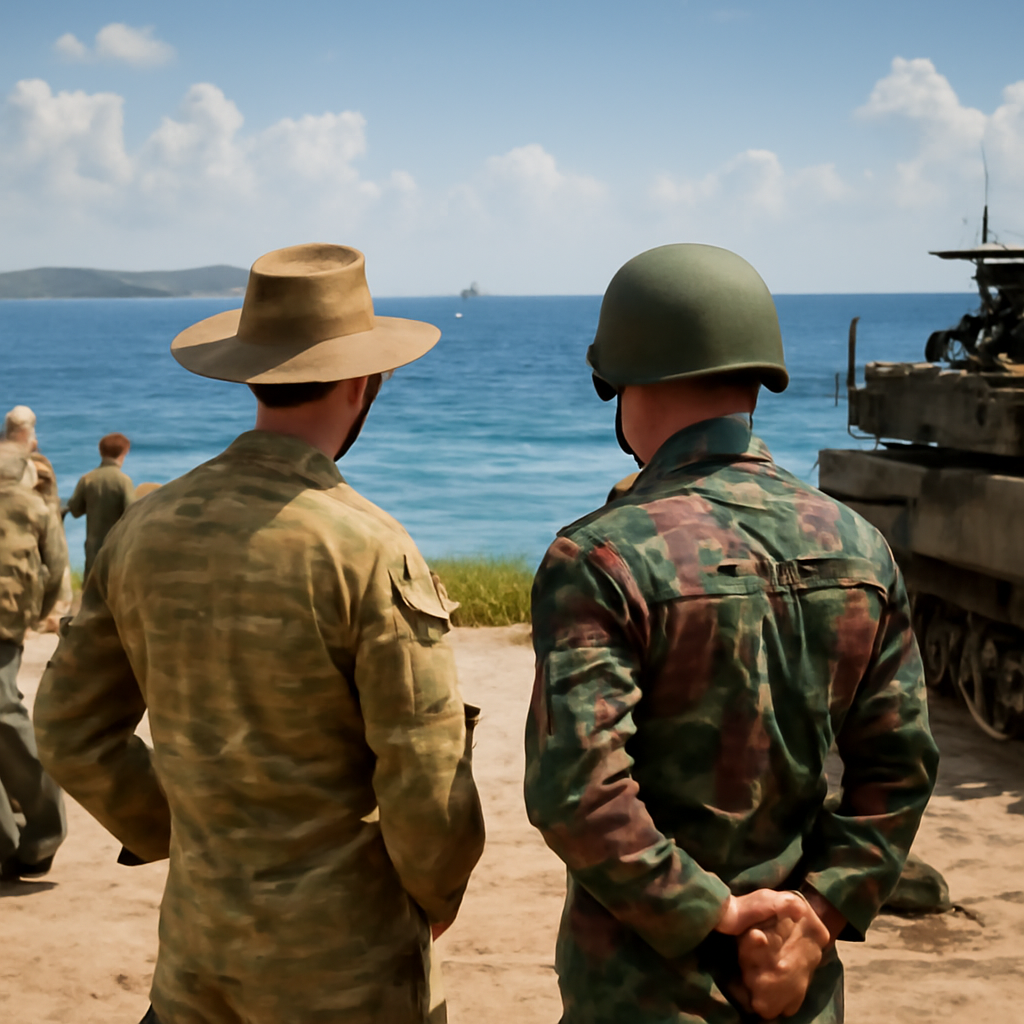
“the largest overseas training activity for the Australian Defence Force (ADF) for the year.” — Australian Defence Force, describing Exercise Keris Woomera
Scope and timeline of Exercise Keris Woomera
Between October 12 and 20, Exercise Keris Woomera unfolded in and around eastern Java, Indonesia’s most populous island, with approximately 1,000 Australian personnel operating alongside Indonesian forces. The ADF described the event as a bilateral training activity intended to enable the Tentara Nasional Indonesia (TNI) to “conduct high-end joint training with the ADF,” contributing “to their own capacity to deter military coercion and defend Indonesian sovereignty.”
Operational firsts: HIMARS, RAAF 4 Squadron and cyber integration
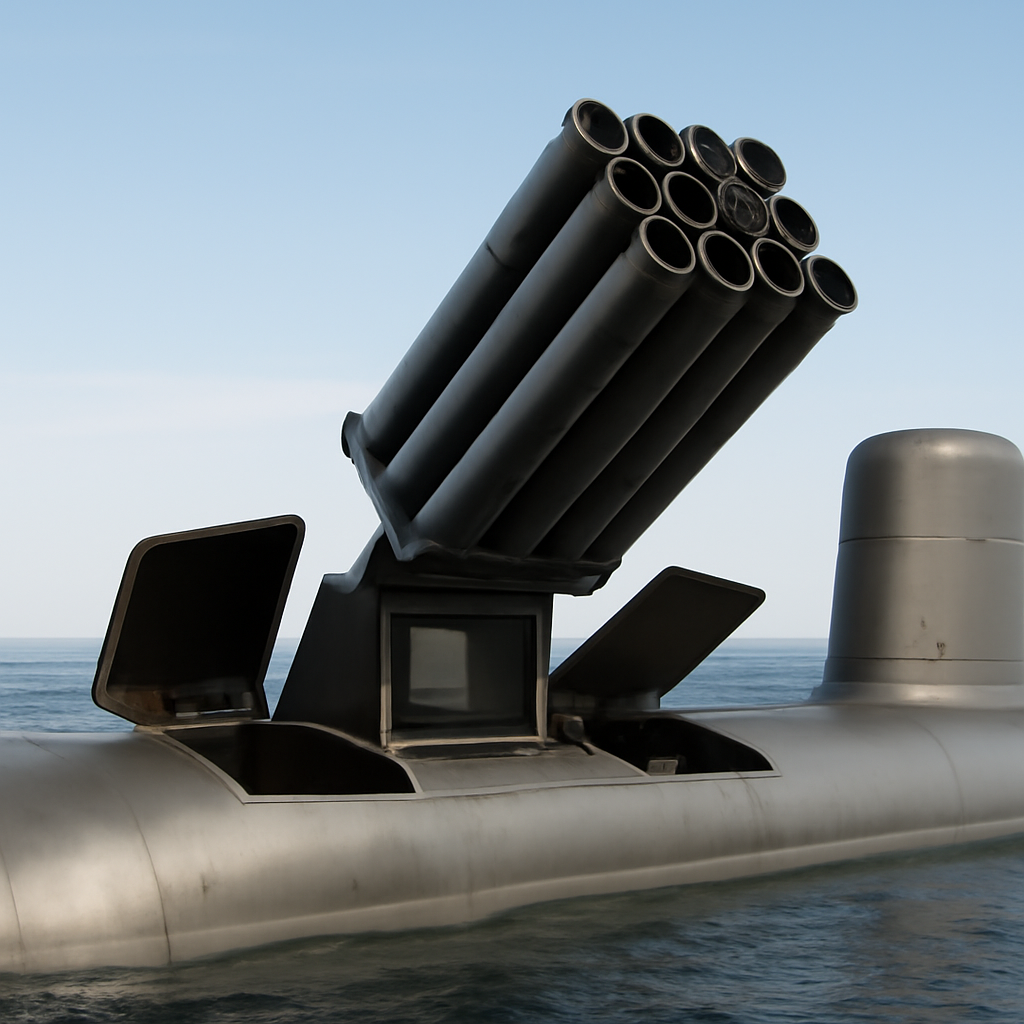
The ADF said this year’s iteration included several notable firsts for Canberra. For the first time, Australia’s high mobility artillery rocket system (HIMARS) was deployed and fired overseas. It was also the first deployment of a RAAF 4 Squadron aircraft into Southeast Asia since World War II. Equally significant, the ADF reported it was the first time Australia conducted cyber integration training with Indonesia—an element the ADF framed as part of demonstrating how the two militaries can “integrate to address shared security challenges.”

This site is the portfolio.
OSINTSights runs on Cloudflare Workers, D1, R2, and Vectorize, with an AI pipeline on Hetzner ARM. Nubivance designed, built, and operates it. We do the same for clients.
See what we buildHow the exercise was framed by the ADF
Beyond enumerating capabilities and milestones, the ADF spelled out dual aims. On the Indonesian side, the exercise would help TNI capacity to deter coercion and defend sovereignty. For Australia, the ADF said Keris Woomera would “ensure ADF can deter a potential adversary’s attempts to project power against Australia, and be prepared to protect Australia and its maritime approaches.” The ADF added that by “operating side-by-side, this year’s iteration has shown how Australia and Indonesia can integrate to address shared security challenges and positively impact how we respond to a rapidly evolving strategic environment.”
Strategic context: the Australia-Indonesia Treaty and concurrent ADF activities
Keris Woomera comes months after the February signing of the Australia-Indonesia Treaty on Common Security, which the source says reaffirms the relationship and a desire “to contribute to regional security and stability.” The exercise also formed part of a broader, busy October for the ADF. A detachment of Lockheed Martin F-35 fighters was deployed to Singapore for the Five Power Defence Arrangements exercise Bersama Lima with Malaysia, New Zealand, Singapore and the United Kingdom. Separately, about 300 ADF personnel were in Japan for Exercise Keen Sword, where Australia contributed a frigate and a Boeing P-8A Poseidon alongside forces from Japan, the United States and six other nations.
Fauzan Malufti’s read: trust, interoperability and limits
Fauzan Malufti, a researcher at the Jakarta-based Centre for Strategic and International Studies (CSIS), placed Keris Woomera in a sequence of “increasingly frequent exercises between the TNI and ADF,” intended to build “trust and familiarity at both the unit and leadership levels.” He told Breaking Defense the exercise was expected to be confidence building and improve interoperability, helping the two militaries “better understand each other’s procedures, communications, planning and command systems so they can operate together better, especially in combat scenarios.”
Malufti also flagged constraints. He suggested Indonesia’s political considerations—specifically its commitment to non-alignment—may make Jakarta reluctant to widen the scope of future exercises for fear of being perceived as leaning toward any particular country. He further noted that TNI capacity is a factor: growing engagement with foreign militaries competes with increasing TNI involvement in domestic non-defense activities, which “continues to consume a huge number of resources and leadership attention.”
What this means for the TNI, the ADF, and regional planners
- TNI: The exercise offers targeted, high-end training meant to strengthen the TNI’s capacity to deter coercion and defend sovereignty, while political commitments to non-alignment and heavy domestic responsibilities may limit how far Jakarta opts to scale cooperation.
- ADF: Keris Woomera allowed the ADF to practice integrated deterrence—marrying long-range fires (HIMARS), air deployments (RAAF 4 Squadron), and cyber integration—with implications for protecting Australia and its maritime approaches.
- Regional planners: The February treaty plus a series of exercises across the region signal deeper practical ties between Australia and Indonesia, even as future expansion in complexity or scope depends on Indonesian political choices and TNI resource constraints.
Exercise Keris Woomera thus combined visible capability demonstrations with softer confidence-building measures. It set operational firsts—HIMARS firing overseas, a historic RAAF squadron deployment to Southeast Asia and the debut of cyber integration training—while leaving open the extent to which Jakarta will let those milestones evolve into a larger, more complex pattern of cooperation. How far the partnership scales will hinge on the trade-offs the TNI and Indonesia’s political leadership are willing to accept between international integration and domestic commitments.