Tag: energy security
10 articles
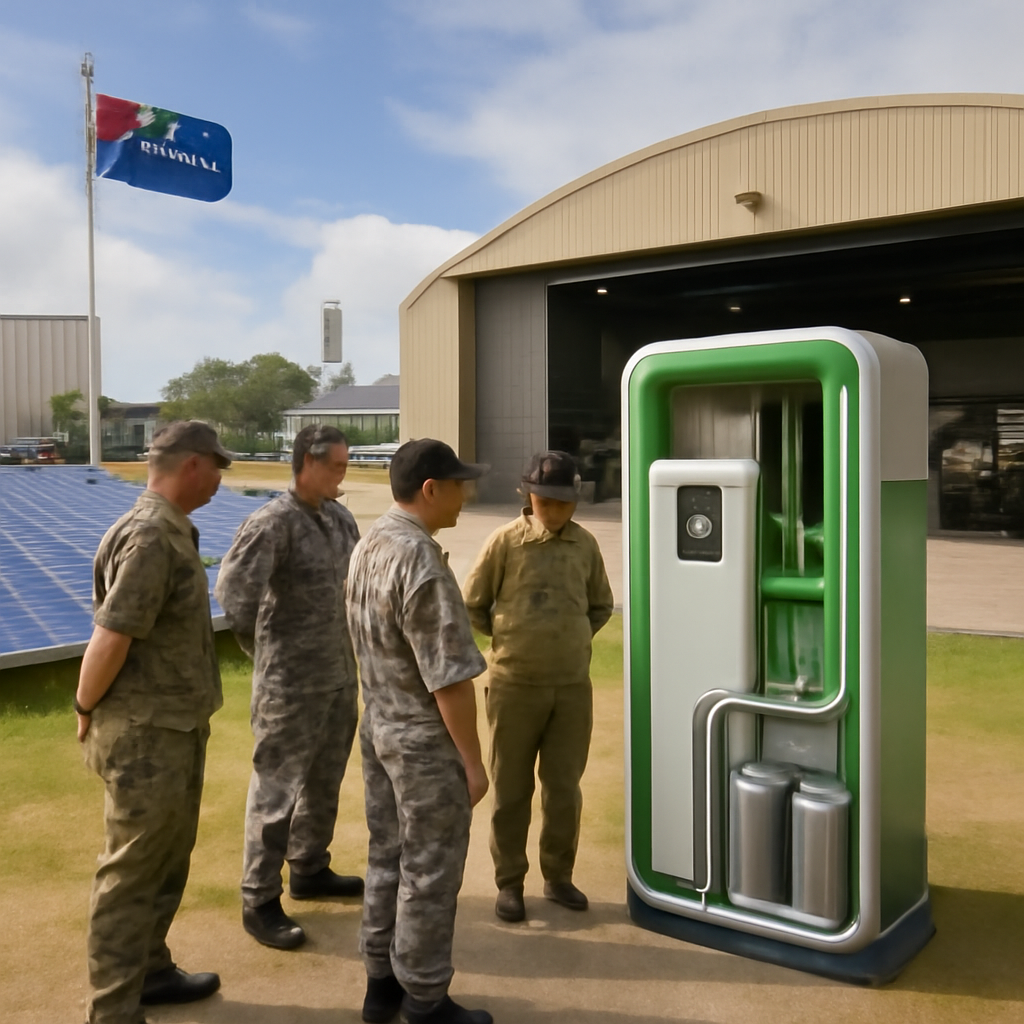
Australia's Defence Plans Strategic Buys in Emerging Green Industries
By becoming a strategic buyer in emerging green industries, Australia's Defence can play a game-changing role in accelerating the development of low-carbon fuels and materials, helping to reduce the country's hefty $50 billion+ annual import bill for refined petroleum products. As a demanding and technically exacting customer, Defence can mitigate investment risks and drive innovation, paving the way for a more sustainable future.
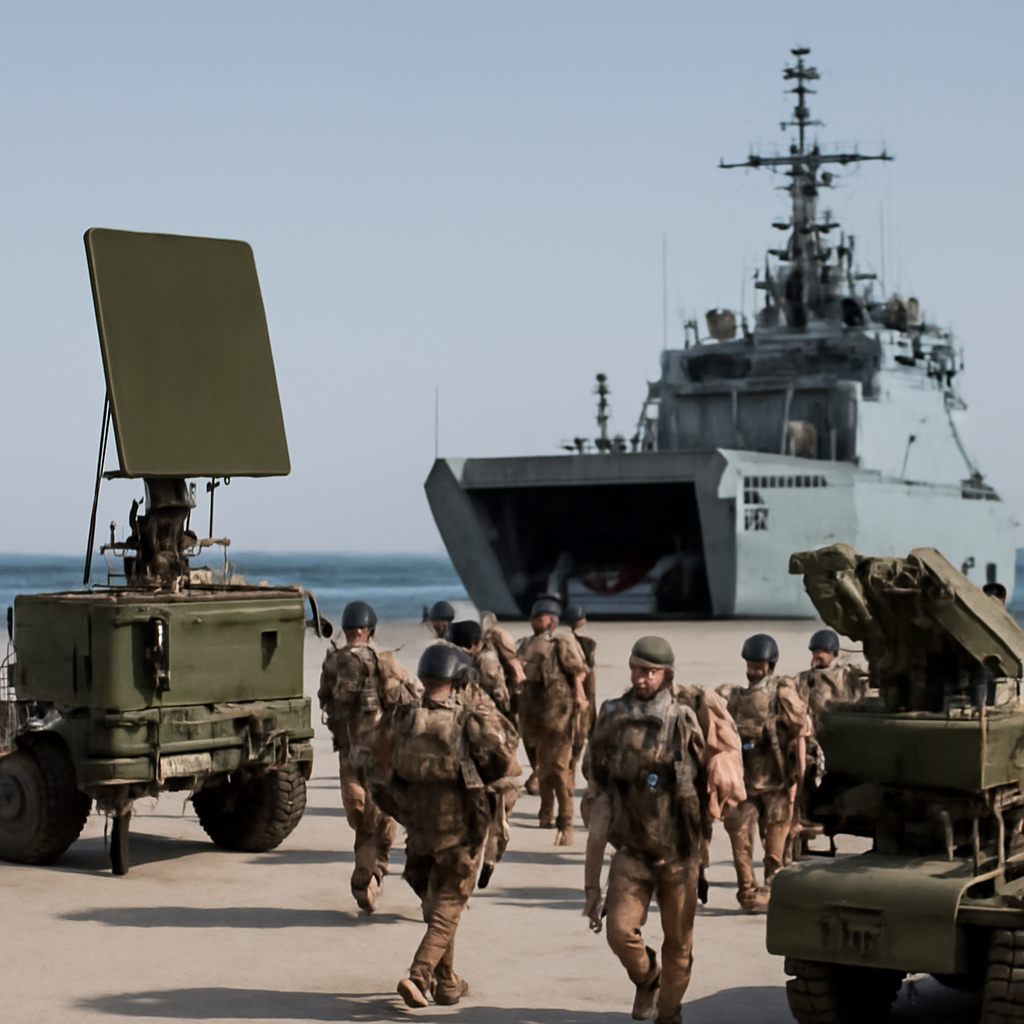
France Bolsters Saudi Arabia's Red Sea Oil Defenses
France is stepping up to protect a crucial oil hub in Saudi Arabia, deploying troops, radar systems, and defense equipment to the Yanbu energy facility on the Red Sea to safeguard the vital oil lifeline. The move, announced by President Emmanuel Macron, is strictly defensive, aimed at shielding the site from potential attacks that could disrupt global oil supplies.
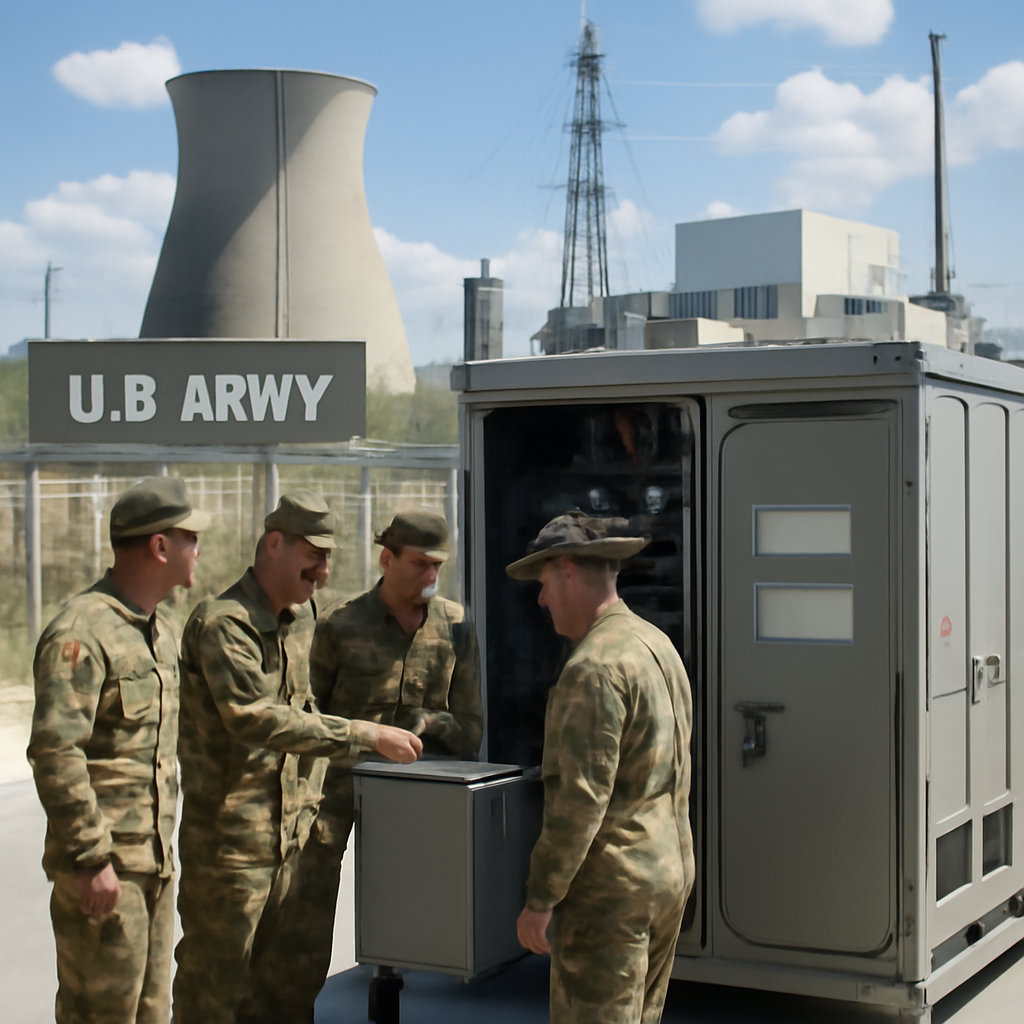
US Army Grapples with Nuclear Microreactor Waste, Fuel, and Safety Concerns
The US Army is investing $2.2 billion in its Janus program to develop 20 prototype nuclear microreactors, aiming to reduce reliance on the vulnerable domestic electric grid and mitigate risks in remote operations. The first prototype is set to be operational by fall 2028.
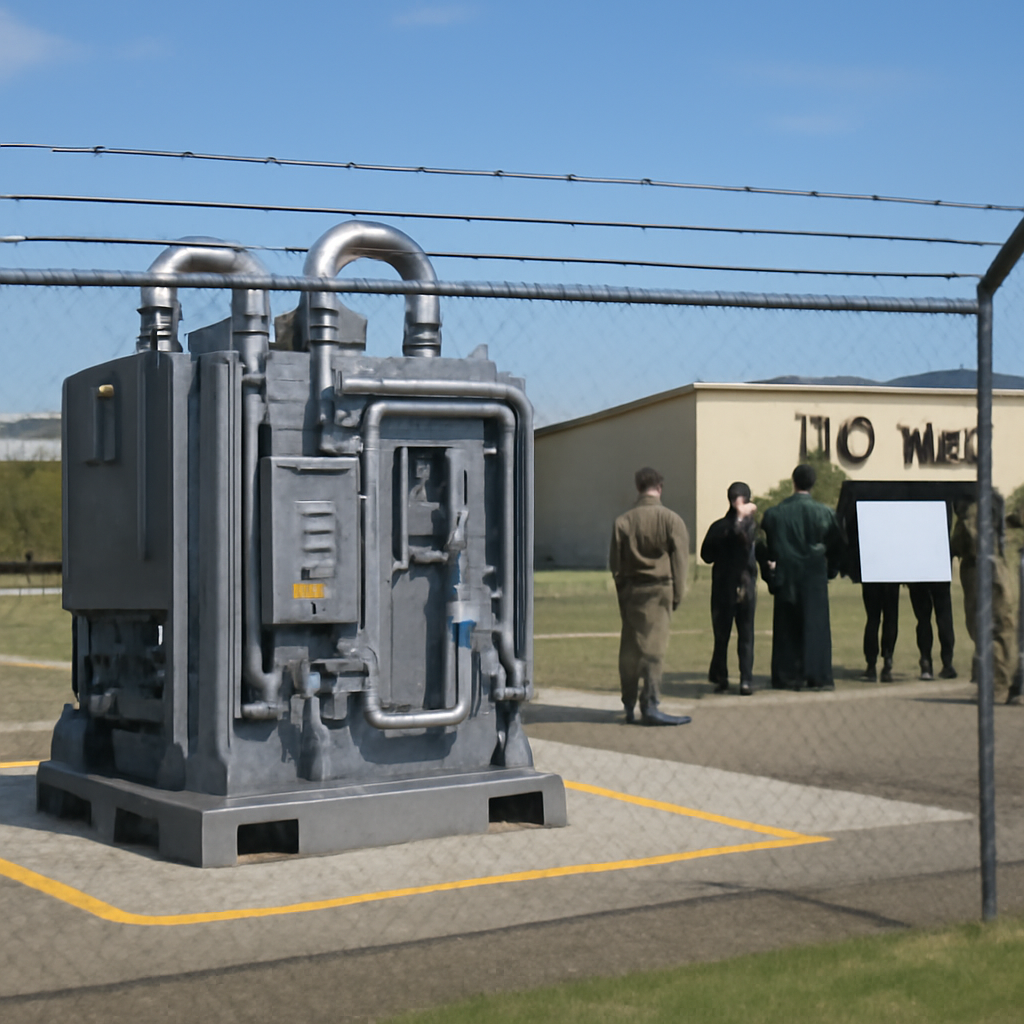
US Army Awards $2.2 Billion for Nuclear Microreactor Prototypes
The US Army is investing $2.2 billion in nuclear microreactor prototypes to boost energy resilience, with five companies selected to develop the technology under the Janus program. This move aims to secure a reliable energy supply for key installations, especially in conflict zones where traditional fossil fuels may be hard to transport.
Army Awards $2 Billion for Nuclear Microreactors at US Bases
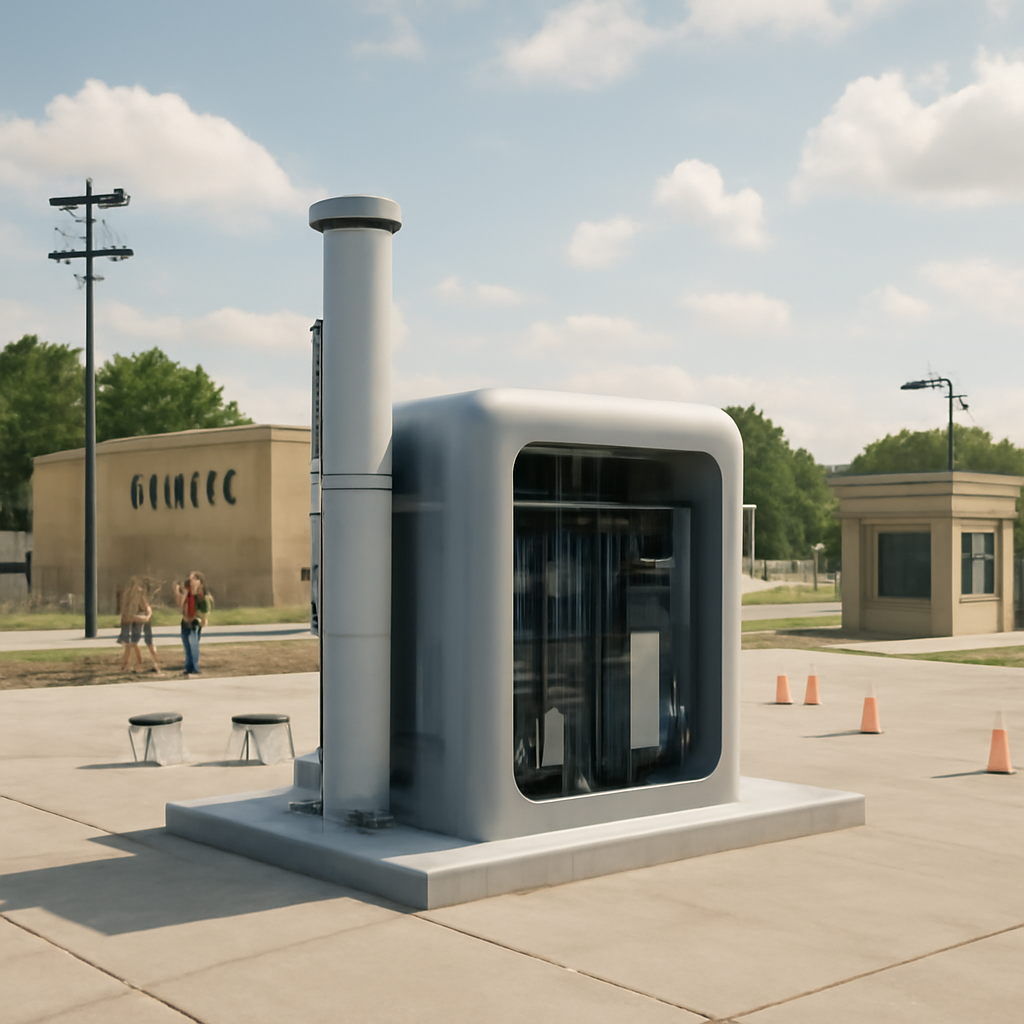
The US Army is investing $2 billion in nuclear microreactors to power its bases, driven by concerns that the domestic electric grid could be vulnerable in a conflict and fossil fuels may be hard to transport. This move is part of Project Janus, a program aimed at developing on-base nuclear microreactors with a contract framework that could award up to $2.2 billion to five select firms.

US Navy's Strait of Hormuz Failures Expose Gaps in Military Capability
The US Navy's failure to secure the Strait of Hormuz has exposed critical gaps in its military capability, with far-reaching consequences for global commerce, oil markets, and economic stability. If the Strait were secure, oil and natural gas would flow freely, driving down prices and reviving the US and global economies.
Pentagon Explores Small Nuclear Reactors for Military Base Power
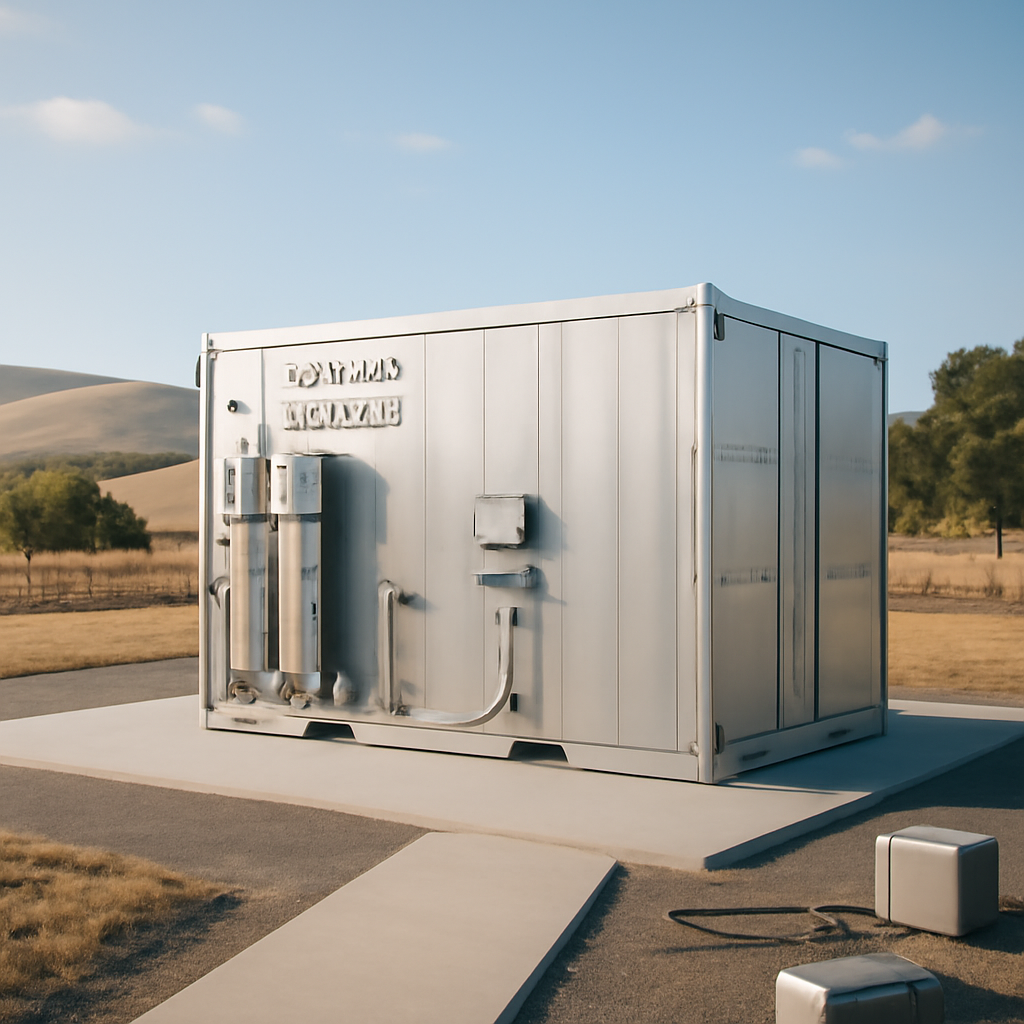
Radiant Nuclear is on the verge of a breakthrough, with plans to deploy its innovative one-megawatt microreactors at Buckley Space Force Base in Colorado, providing a reliable and secure energy source for military operations. The company is just 18 months away from delivering its first reactor, with testing set to begin this summer at the Idaho National Laboratory.

US Navy to Test Aircraft Carrier as Floating Nuclear Power Plant
This summer, the US Navy will pioneer a groundbreaking experiment, using an aircraft carrier as a floating nuclear power plant to energize Norfolk Naval Base. The innovative test aims to demonstrate the Navy's ability to deliver reliable, mission-critical power to its installations.

Southeast Asia Fractures Over Iranian Oil Deals
Singapore stands firm on its right to transit through international straits, a principle it sees as vital to its prosperity, and is now at odds with its Southeast Asian neighbors over Iranian oil deals. While Singapore advocates for unrestricted passage, others like Malaysia, Thailand, the Philippines, and Vietnam are pursuing bilateral arrangements, revealing a regional fracture.
Australia Urges Shift to Battery-Electric Freight Trains
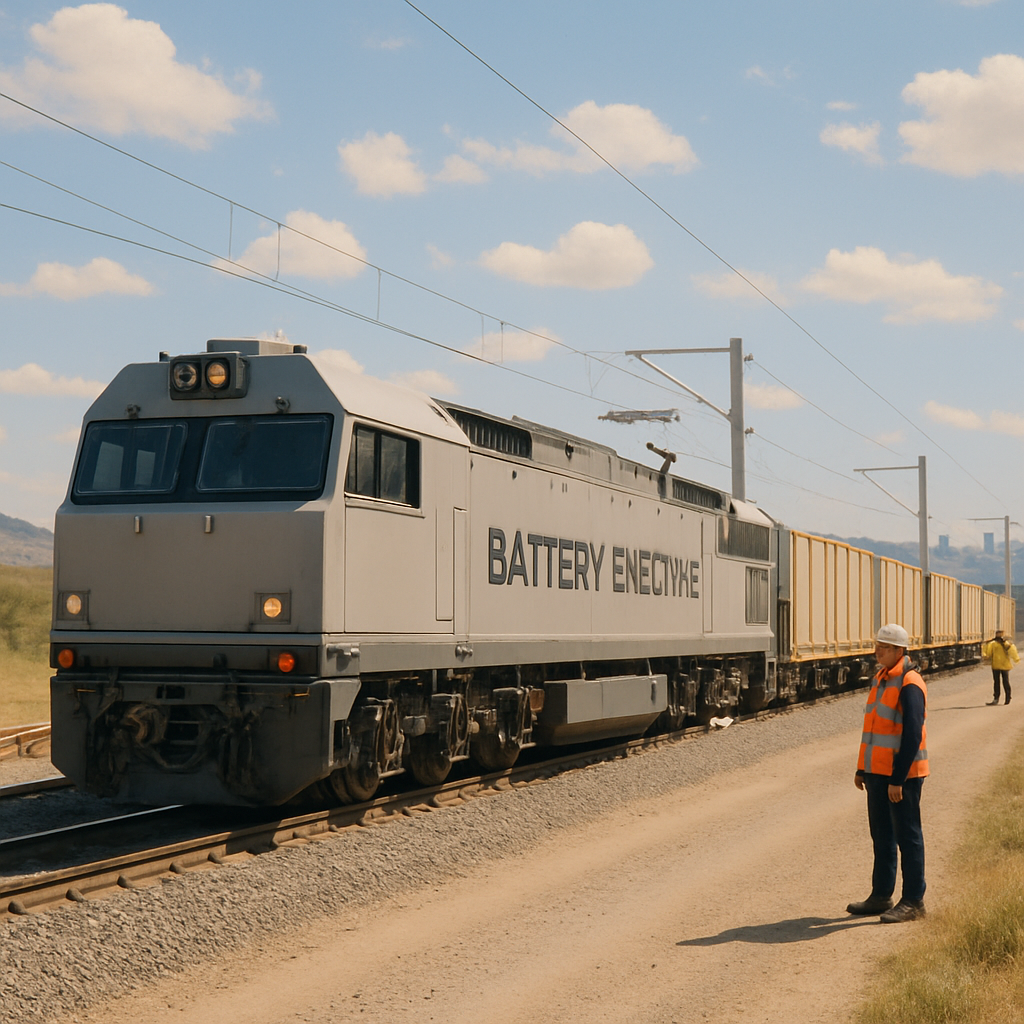
Australia's reliance on diesel for freight transport leaves it vulnerable to global fuel shocks, with road and rail using a whopping 20-25 billion litres of diesel each year. Shifting to battery-electric freight trains could be a game-changer, reducing the nation's exposure to international fuel disruptions.