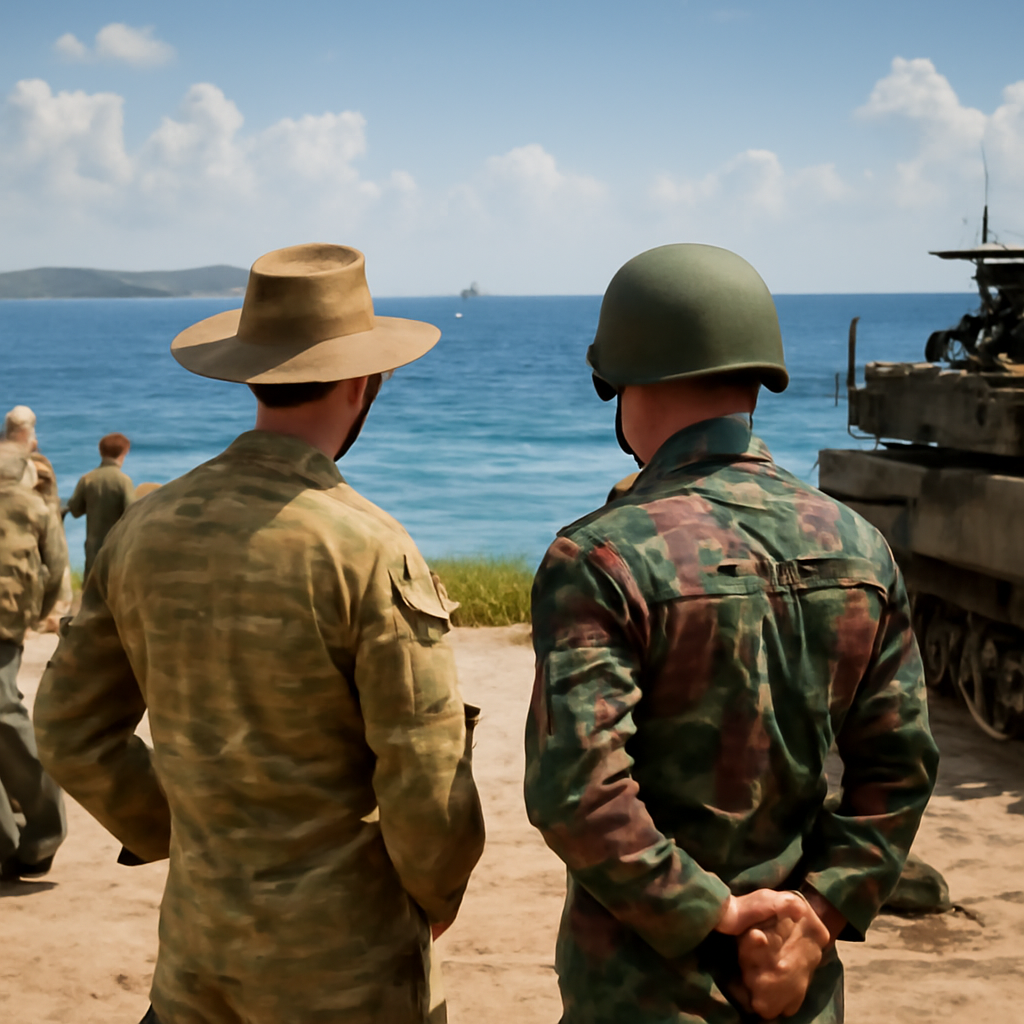
"This agreement will contribute to broadening the scope of military cooperation among participating countries, improving their relations in the defense industry sector, and strengthening multilateral cooperation in a way that supports security and stability and enables the achievement of common goals," the statement added.
The Badr memorandum and the Doha signing
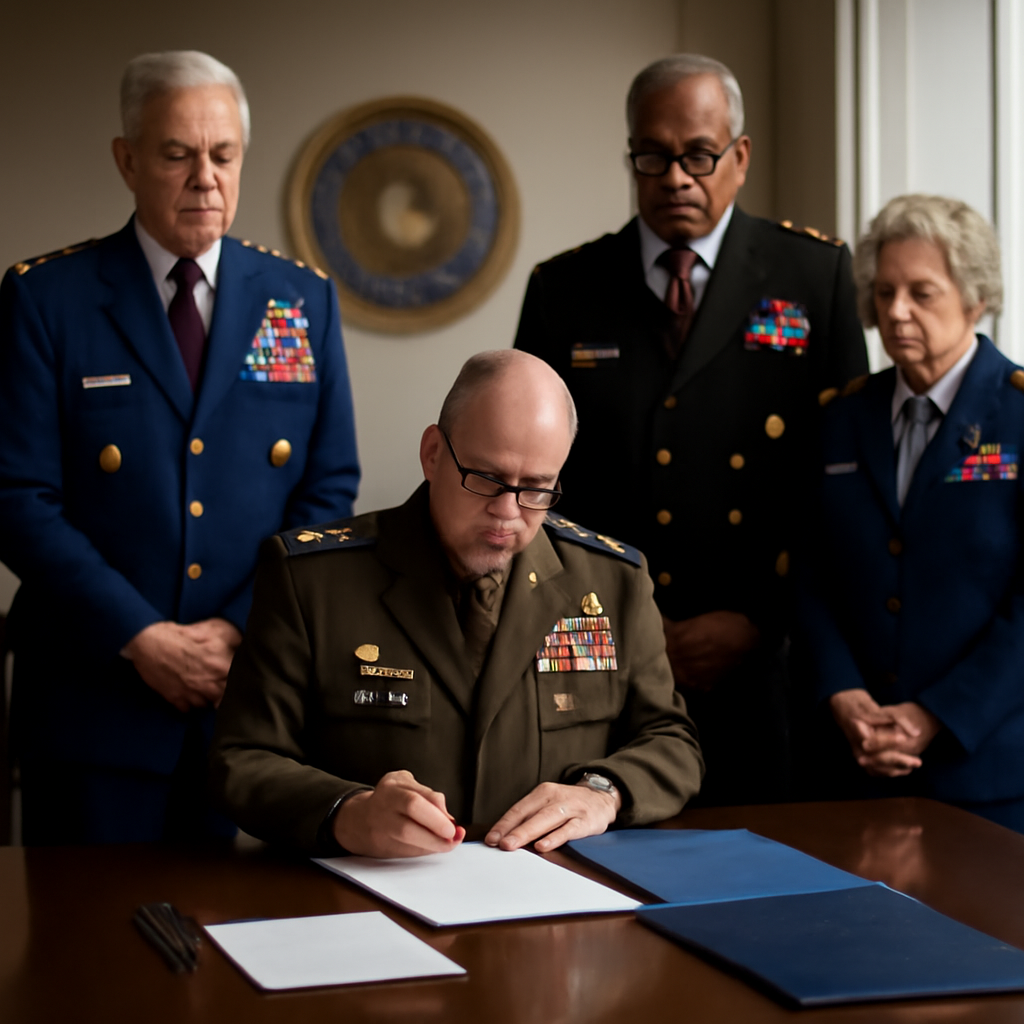
Senior defense officials from Turkey, Qatar, Indonesia and Pakistan met in Doha for a signing ceremony of a memorandum of understanding called the Badr, or full moon, memorandum, according to a Turkish Ministry of Defense announcement and a report from Turkey’s national news agency Anadolu. Anadolu noted that the head of Turkey’s defense industry agency attended the signing.
Stated objectives: production, training, research and development
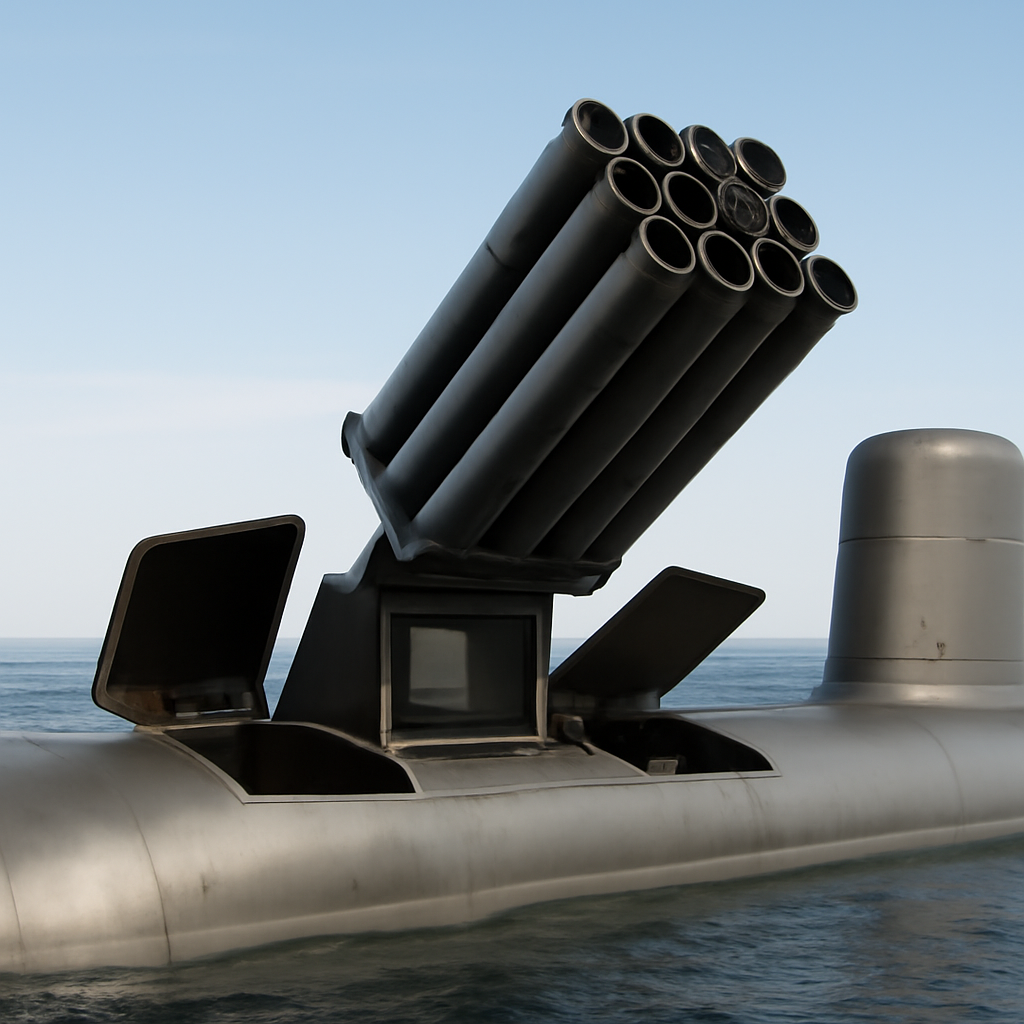
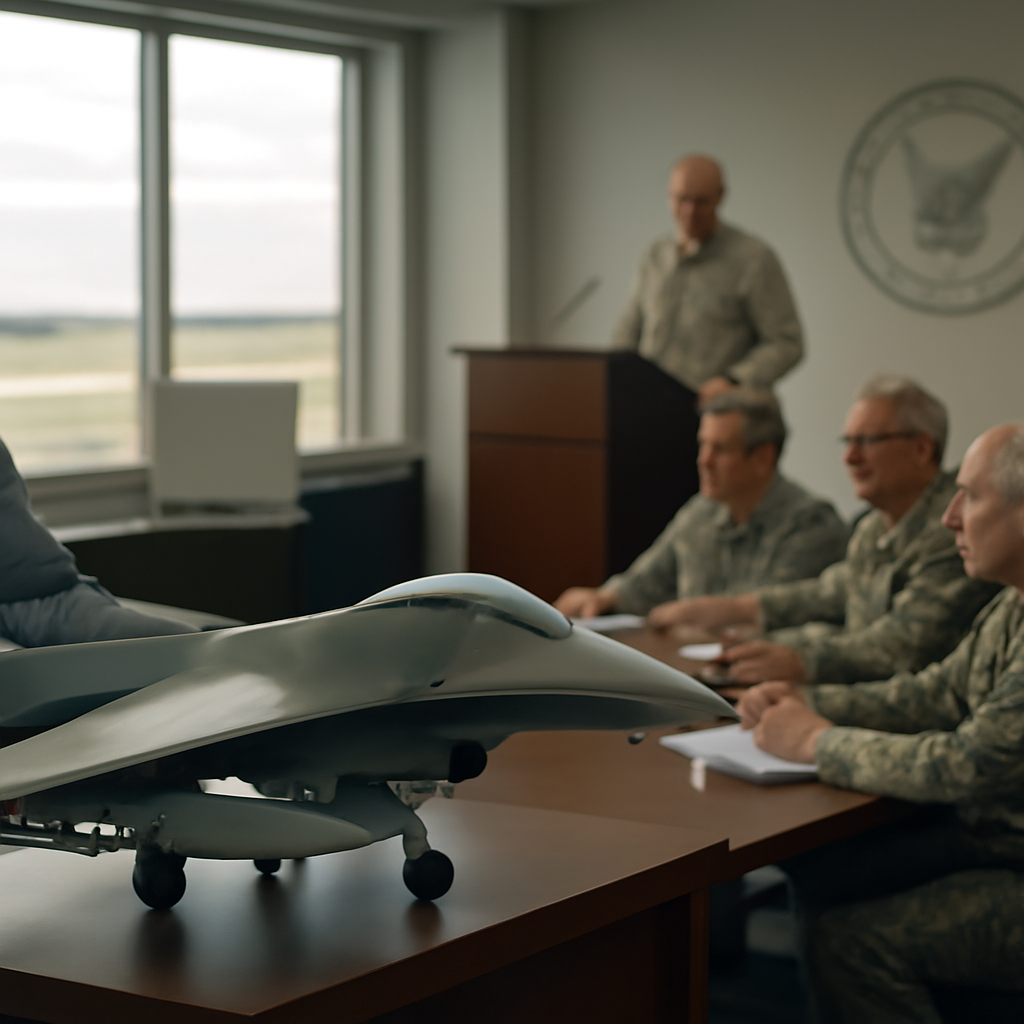
Anadolu, in an online translation of the announcement, summarized the MoU’s aims as to "increase cooperation in the field of military production, strengthen the military capabilities of the four countries, and support cooperation in technical military training, research, and development." The agreement also says the parties will seek to develop "solutions and industries compatible with the development of modern defense systems," and it describes the capabilities of the four countries as complementary.

This site is the portfolio.
OSINTSights runs on Cloudflare Workers, D1, R2, and Vectorize, with an AI pipeline on Hetzner ARM. Nubivance designed, built, and operates it. We do the same for clients.
See what we buildHow this sits alongside the Mecca Pact and regional tensions
The Badr memorandum is light on operational detail but arrives after another recent multilateral defense tie-up. In August, Turkey, Pakistan and Saudi Arabia signed the Mecca Pact, which contained a NATO-like clause calling for mutual defense. Pakistani officials have said other countries could be added to that pact. The Mecca Pact is being tested by attacks on Saudi Arabia by the Yemen-based and Iran-backed Houthi group, including a deadly strike on a Riyadh airport. Pakistan and Turkey — as well as non-pact members Egypt, France and the United Kingdom — have pledged to aid Riyadh’s defense, the reporting says.
What this means for Turkey's defense industry, Pakistan and Saudi defense posture, and Qatar and Indonesia
- Turkey's defense industry: The presence of the head of Turkey’s defense industry agency at the signing signals an intent to involve national industrial authorities in follow-on work. The MoU explicitly frames cooperation around military production and "solutions and industries compatible with the development of modern defense systems."
- Pakistan and Saudi defense posture: The new MoU overlaps with the ambitions of the Mecca Pact. That pact’s mutual-defense orientation and the reported pledges of Pakistan and Turkey to aid Riyadh against Houthi strikes mean the Badr memorandum lands in a region already contending with active security pressures.
- Qatar and Indonesia: As signatories, both are named partners in efforts to broaden technical military training, research and development — areas the agreement singles out for cooperation despite few operational specifics in the text released so far.
Implementation will determine whether words become capability
The announcement frames broad goals — production, training, R&D and the pursuit of industries aligned with modern defense systems — but offers few specifics on timelines, projects, or governance. The real test for the Badr memorandum will be whether the four parties convert those general commitments into concrete industrial partnerships, joint training programs, shared R&D projects or procurement arrangements. How the memorandum interacts with the Mecca Pact’s mutual-defense clause, and how participants respond to ongoing regional attacks, will shape whether the agreement alters the balance of cooperation in the region or remains primarily a diplomatic statement of intent.