"Being able to get mission data … where it needs to go at the speed of relevancy is one of the biggest challenges the department has," shared Duncan McCaskill, Vice President of Data at Maximus.
Why the Department of the Navy is rethinking risk
The Department of the Navy has begun reframing what risk means for software development and technology delivery as it aligns to an expanded mission set and faster operational tempos. The source describes a Pentagon in rapid change — "a name change to a mission that encompasses five domains and incorporating AI into warfighter support" — and says the Navy is responding by shifting the balance between acceptable risk and speed of delivery. The change is presented not as a lax approach to security but as a response to operational realities: lag, latency, and unpredictable connectivity can compromise mission success and national security.
Operating "at the edge of connectivity" — a practical requirement
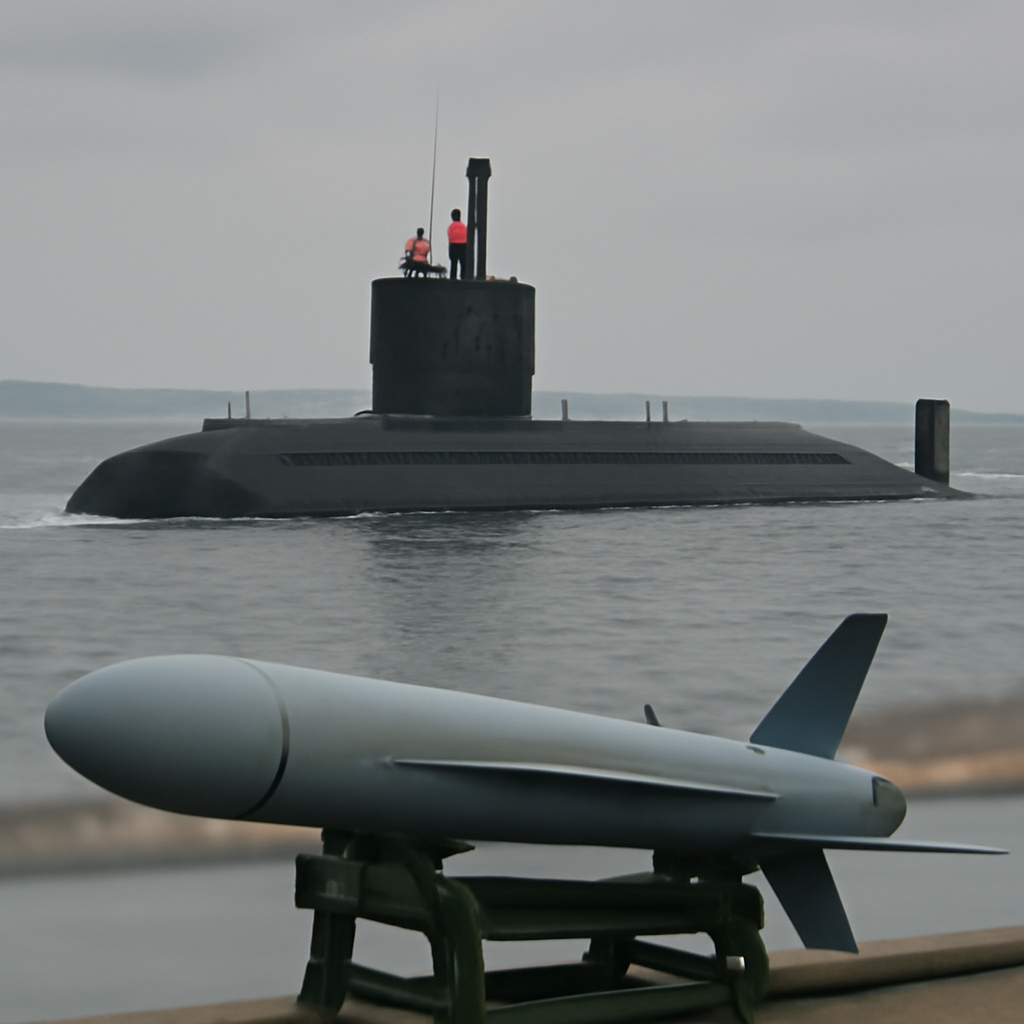
The Navy's aim, as framed in the conversation between McCaskill and GovCIO Media and Research’s Ross Gianfortune, is for the fleet to "operate at the edge of connectivity as seamlessly as it does at the core." The piece gives a concrete comparison: a carrier strike group in the far reaches of the Indian Ocean must be able to send and receive data "as quickly and reliably as data flows between offices at Naval Station Norfolk in Virginia." That parity of expectation underpins the argument for accelerating how software and data reach forward forces.

Audit-ready is a season. It shouldn't be.
Evidence in spreadsheets, controls drifting between audits, frameworks multiplying on flat headcount. Nubivance runs continuous compliance on Rapid7 Cyber GRC - SOC 2, HIPAA, ISO 27001, PCI, CMMC.
End the scrambleOpen architecture, common formats, and cleansed data
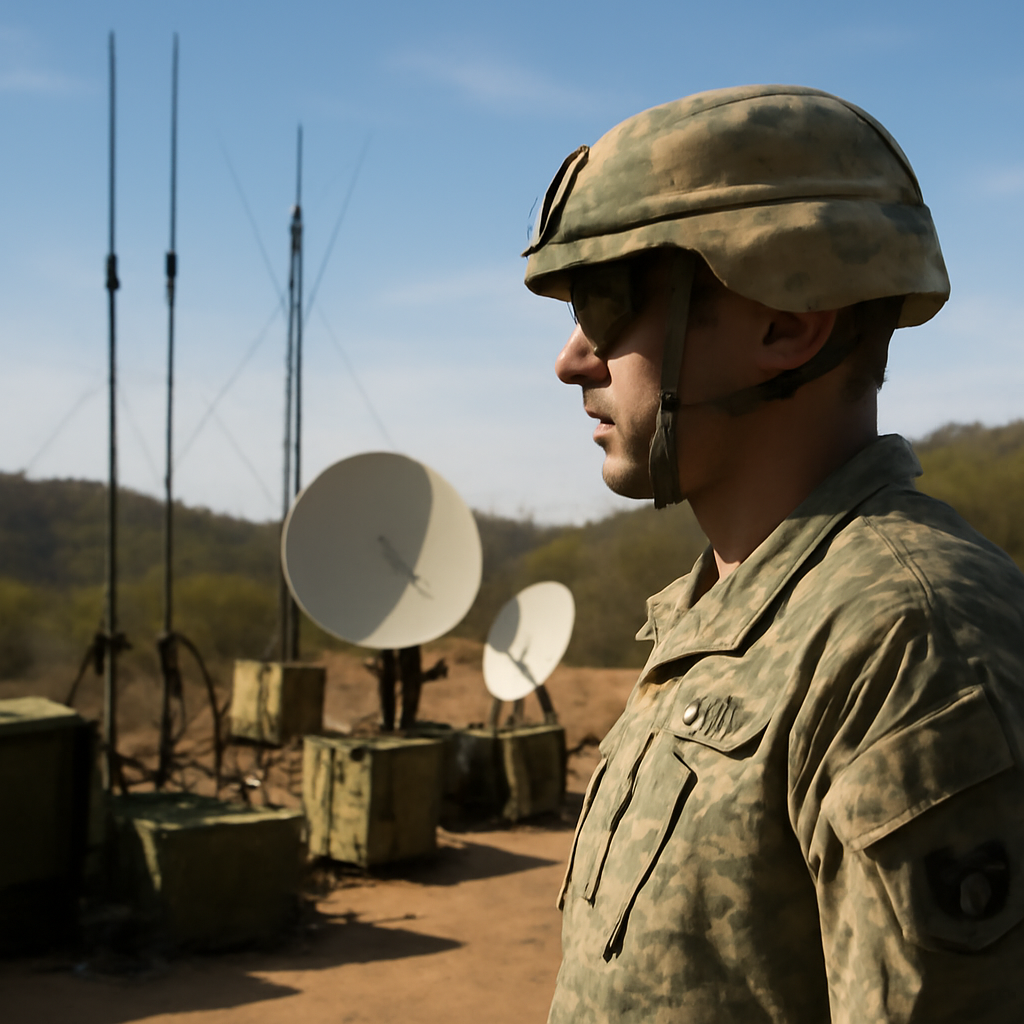
To enable faster delivery, the Department of the Navy is prioritizing open architecture and open design concepts that allow connectivity to mission data. McCaskill explains that to take advantage of those architectures, "data must be cleansed and put into a common format." The source frames those technical steps as prerequisites for moving software and insights rapidly between distributed teams and platforms.
From AI Accelerators to shipboard decision-making
The conversation highlights practical use cases: a Marine in Texas working in an AI Accelerator can "start moving quickly and delivering software faster," while command leadership aboard the USS Gerald Ford can apply "data-driven insights for strategic advantages to in-theater operations in real time." These examples show the intended end state — faster development cycles ashore linked to near-real-time operational decision-making afloat — and help explain why the Navy is willing to revisit longstanding trade-offs between speed and risk.
Acquisition changes and cultural shifts inside the Navy
The source notes the immediate past Secretary of the Navy "renewed efforts to adopt a more entrepreneurial approach to acquisition," but adds that the current changes "go a lot further" to remove obstacles to moving at "the speed of mission." The Department of the Navy is described as driving both cultural and structural shifts to realign how programs are procured, engineered, and delivered so that they better support rapid software and data movement.
How technologists and procurement leaders, commanders are responding
- Technologists and security teams: Will prioritize open architectures and data hygiene — "cleansed and put into a common format" — so tools developed in accelerators can be shared quickly with operational units.
- Policymakers and procurement leaders: Are shifting acquisition frameworks toward more entrepreneurial models and structural changes that seek to reduce obstacles to rapid delivery, building on a renewed acquisition push by the immediate past Secretary of the Navy.
- Command leadership and warfighters: Stand to use near-real-time, data-driven insights aboard platforms such as the USS Gerald Ford and expect parity in data flow between forward forces and major bases like Naval Station Norfolk.
The Department of the Navy's effort to trade some traditional caution for velocity is cast as a necessary adjustment to operational reality: deliver data and software at the "speed of relevancy," or risk degraded mission outcomes. The conversation between Duncan McCaskill and Ross Gianfortune, recorded for GovCIO Media and Research, lays out the technical building blocks — open design, data cleansing, common formats — and ties them directly to examples ashore and afloat. The immediate test for these cultural and structural shifts will be whether they can consistently remove latency and deliver actionable data to the fleet when it matters.